
 Save
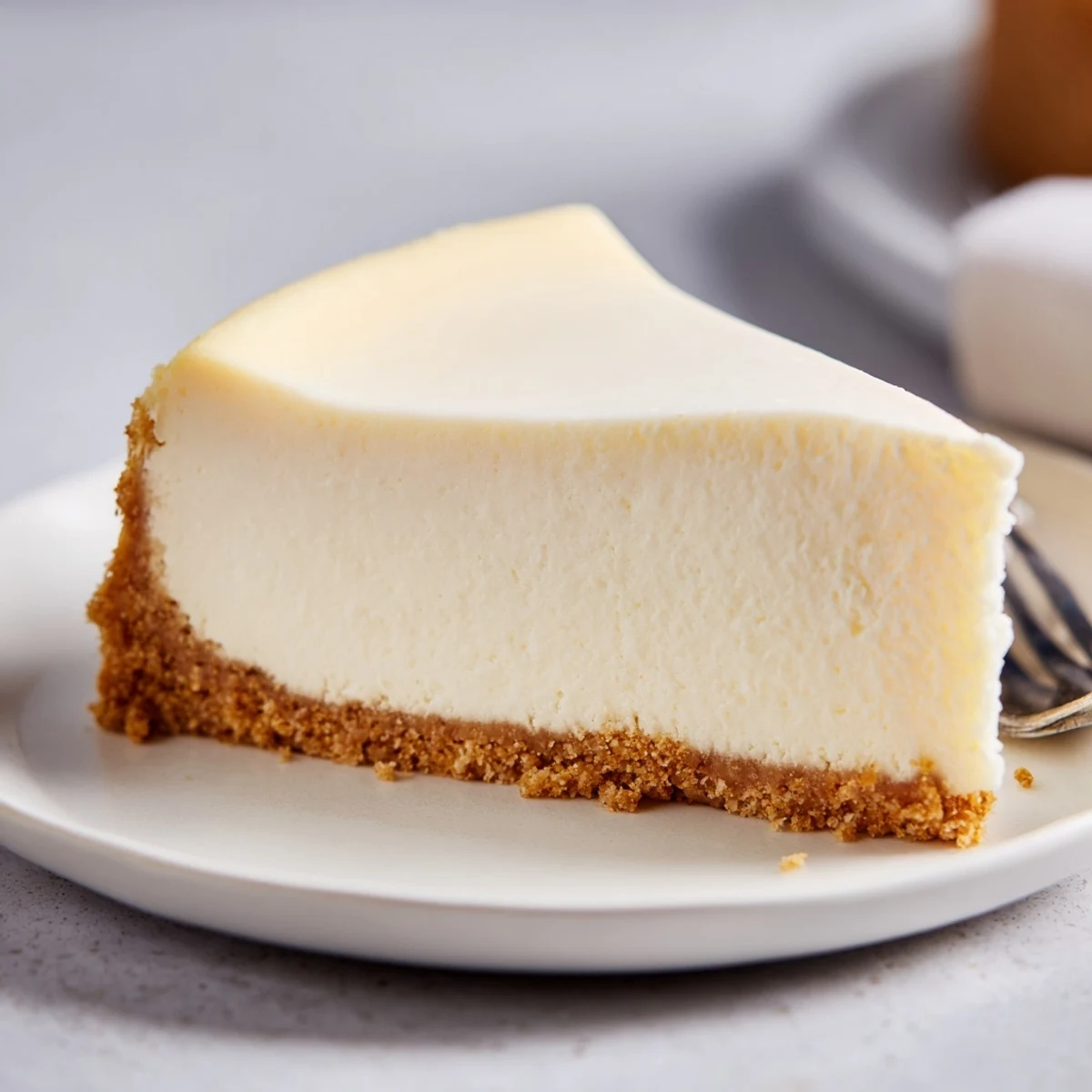
Save This classic cheesecake yields a velvety, slightly tangy filling of cream cheese, sugar, eggs and sour cream, brightened with vanilla and lemon, set on a buttery graham cracker crust. Bake gently at low temperature until the center still wobbles, cool slowly in the open oven, then chill for at least four hours for neat slices and a silky texture.
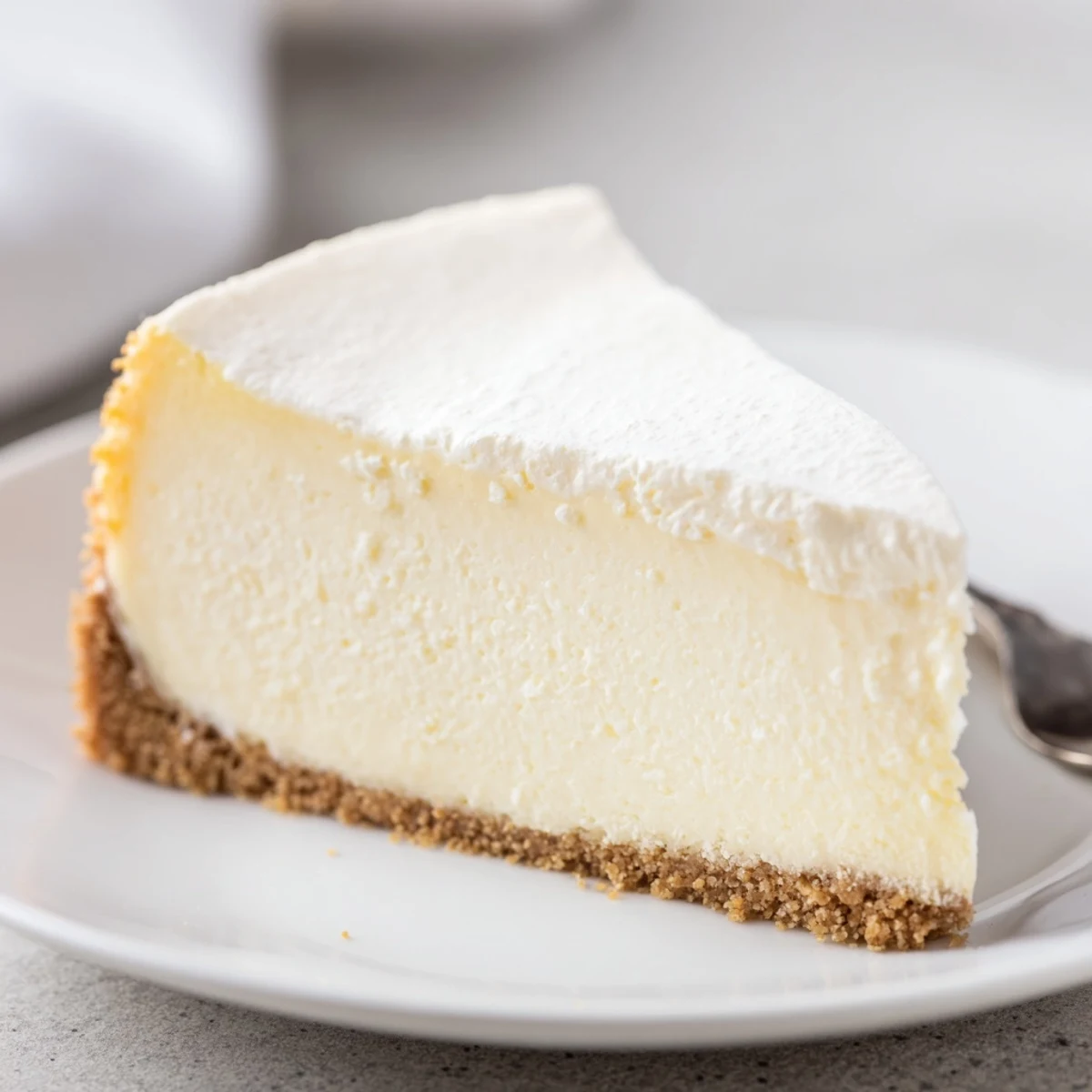
Top with a sweetened sour-cream spread or fresh berries; add citrus zest for extra lift or a bit more flour for a firmer cut.
The rain was hammering against the kitchen window the afternoon I decided a cheesecake was the only reasonable response to a gray Saturday. My oven had been acting up for weeks, running hot on one side and cool on the other, which made baking feel like negotiating with a moody roommate. I pressed the graham crumbs into the pan with more frustration than finesse and somehow that angry little crust turned out perfectly. That lopsided, slightly overbaked cheesecake disappeared in one evening between four friends who never even noticed the imperfections.
Marta grabbed a fork and ate straight from the pan at midnight, standing in my kitchen with her shoes still on, declaring it the best thing I had ever made. She was probably just hungry and a little wine tipsy, but I held onto that compliment for months.
Ingredients
- Graham cracker crumbs (200 g): Fresh crumbs matter more than you think so pulse your own if possible because stale crumbs taste flat no matter how much butter you add.
- Unsalted butter, melted (100 g): This binds the crust together and a little extra never hurt anyone.
- Granulated sugar (2 tbsp for crust): Just enough sweetness to balance the buttery base.
- Cream cheese, softened (900 g): The heart of everything and please let it sit out until it is truly room temperature because cold cream cheese means lumps you will never fix.
- Granulated sugar (200 g for filling): Dissolves into the cheese during mixing for a clean sweetness.
- Large eggs, room temperature (3): Add them one by one and resist the urge to rush because overbeating eggs traps air and air causes cracks.
- Sour cream (240 ml): This is the secret weapon that keeps every slice dense yet creamy.
- Vanilla extract (2 tsp): Use the real stuff if you have it because you can taste the difference here.
- All-purpose flour (2 tbsp): A tiny binder that gives the filling structure without making it cakey.
- Lemon juice (1 tbsp): Brightens the whole thing just enough so it never feels heavy.
- Sour cream for topping (240 ml): Optional but it adds a cool tangy layer that looks beautiful on the plate.
- Powdered sugar (2 tbsp): Sweetens the topping without any grainy texture.
- Vanilla extract for topping (1 tsp): Rounds out the topping with warmth.
Instructions
- Build the crust:
- Toss the crumbs, melted butter, and sugar together until everything feels like damp sand. Press it firmly and evenly into the bottom of your lined springform pan and bake for ten minutes until it smells like toasted honey.
- Start the filling:
- Beat the cream cheese alone first until it is completely smooth with no lumps hiding in the corners. Gradually pour in the sugar and keep mixing until the bowl looks silky.
- Add the eggs carefully:
- Drop in one egg at a time, mixing on low just until each one disappears into the batter. Then fold in the sour cream, vanilla, flour, and lemon juice without overworking it.
- Assemble and bake:
- Pour the filling over your cooled crust and use a spatula to smooth the top. Bake at 160 degrees for about 45 minutes until the edges are set but the center still jiggles like gelatin when you gently shake the pan.
- The patience step:
- Turn off the oven, crack the door open, and walk away for one full hour. This slow cooling is what separates a cracked cheesecake from a velvety one.
- Chill thoroughly:
- Let it reach room temperature on the counter then refrigerate for at least four hours or ideally overnight so the texture can fully set into something sliceable.
- Finish with the topping:
- Stir together the sour cream, powdered sugar, and vanilla until smooth then spread it gently over the cold cheesecake right before serving.
 Save
Save The moment I started bringing this cheesecake to potlucks instead of cookies, people began asking for it by name before I even walked through the door.
When Things Go Sideways
If your cheesecake cracks anyway, and it probably will at least once, the sour cream topping is your best cover story. A few fresh berries arranged on top and nobody will ever know what happened underneath.
Serving Without Stress
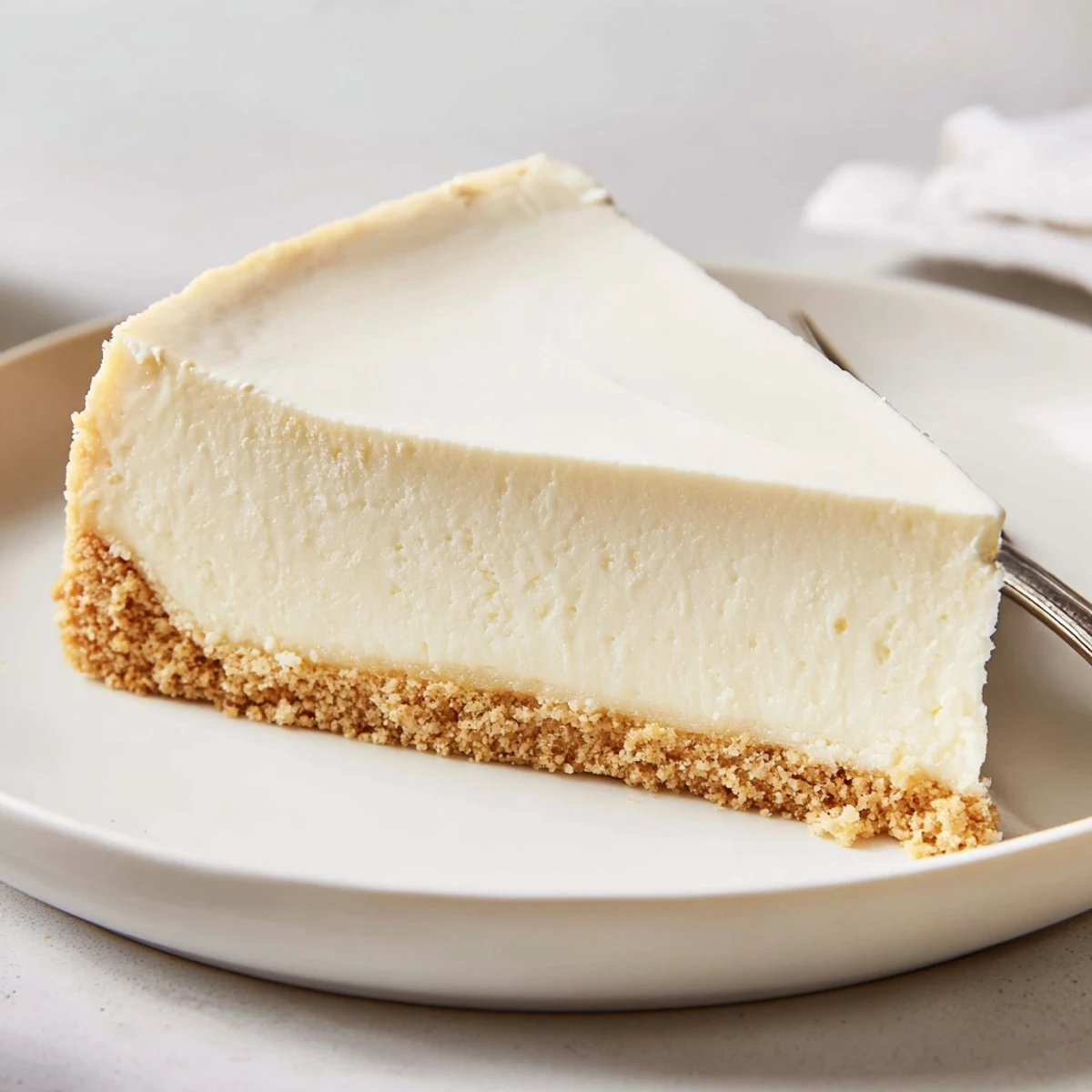
Run your knife under hot water and wipe it clean between each slice for edges that look like they came from a bakery case. A chilled cheesecake cuts much cleaner than one that has been sitting out too long.
Making It Your Own
Once you have the base recipe down, it becomes a canvas for whatever you are craving. Some of my favorite variations came from simply opening the pantry and seeing what needed using up.
- Lemon or orange zest folded into the filling adds a citrus brightness that feels especially right in spring.
- A spoonful of berry compote over each slice turns a simple dessert into something dinner party worthy.
- An extra tablespoon of flour gives you a denser, firmer slice that holds up beautifully for transport.
 Save
Save Some recipes become staples because they are easy, and others earn their place because they make people close their eyes when they take the first bite. This one does both.
Recipe FAQs
- → How can I prevent cracks on the surface?
-
Beat the cream cheese until smooth and avoid overmixing once eggs are added. Bake gently at a low temperature and cool slowly—cracks often form with high heat or rapid cooling. A water bath or leaving the oven door ajar to cool helps reduce stress on the custard.
- → Why is the center still wobbly after baking?
-
A slight wobble indicates the filling is set but still moist; it will firm up as it cools and chills. Overbaking dries the cake, so aim for edges set and a gently trembling center.
- → Is a water bath necessary?
-
A water bath isn’t mandatory but improves results by providing gentle, even heat that reduces cracking and helps achieve a smooth texture. Wrap the springform pan in foil and place it in a shallow hot water bath for the bake.
- → How do I get a firmer texture versus a creamier one?
-
For a firmer slice, add a tablespoon more flour or bake a few minutes longer; for extra creaminess, use full-fat cream cheese, avoid overbaking, and chill thoroughly before slicing.
- → What’s the best way to serve and store slices?
-
Chill the cake at least four hours or overnight for clean slices. Use a hot, dry knife for neat edges. Store covered in the refrigerator for up to four days; top just before serving to preserve freshness.
- → What variations work well with this base?
-
Add finely grated lemon or orange zest to the filling for brightness, swirl in a berry compote, or finish with a lightly sweetened sour-cream topping and fresh berries for contrast.