 Save
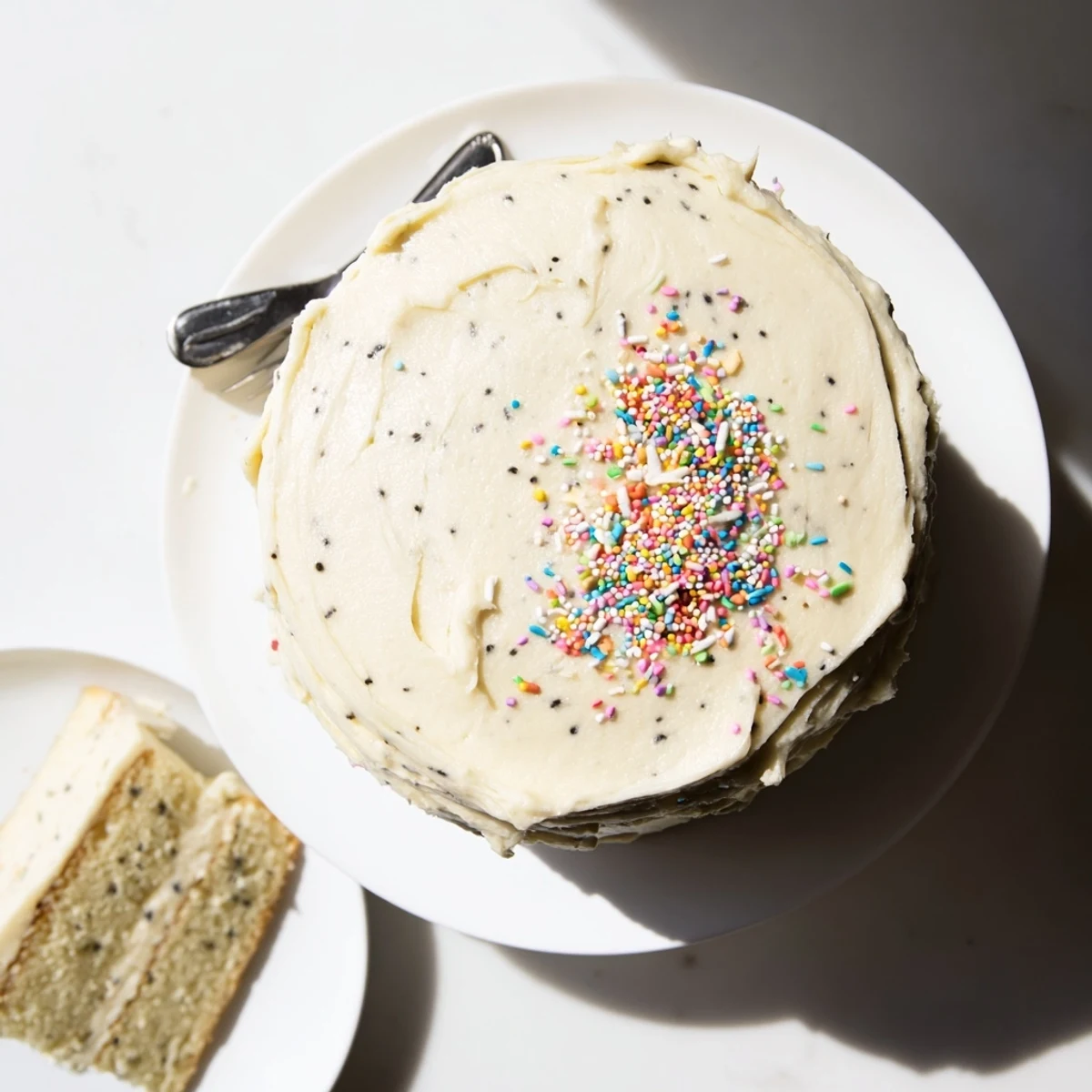
Save This classic vanilla bean cake features tender, moist layers infused with real vanilla bean paste for authentic flavor. The creamy buttercream frosting balances sweetness with rich buttery notes, creating the perfect celebratory dessert.
The straightforward technique involves creaming butter and sugar, alternating wet and dry ingredients, and baking at 350°F for 30-35 minutes. Once cooled, stack the layers and generously frost with the silky vanilla buttercream.
Optional decorations like sprinkles or edible flowers add a festive touch. The cake yields 12 servings and pairs beautifully with sparkling wine or lemonade.
The scent of vanilla bean paste hitting warm butter still makes my kitchen feel like a celebration, no matter the occasion. My daughter asked for a vanilla cake for her eighth birthday, nothing fancy, just the most vanilla cake possible. We tested four versions that week, and this was the one she declared perfect enough to share with her entire class.
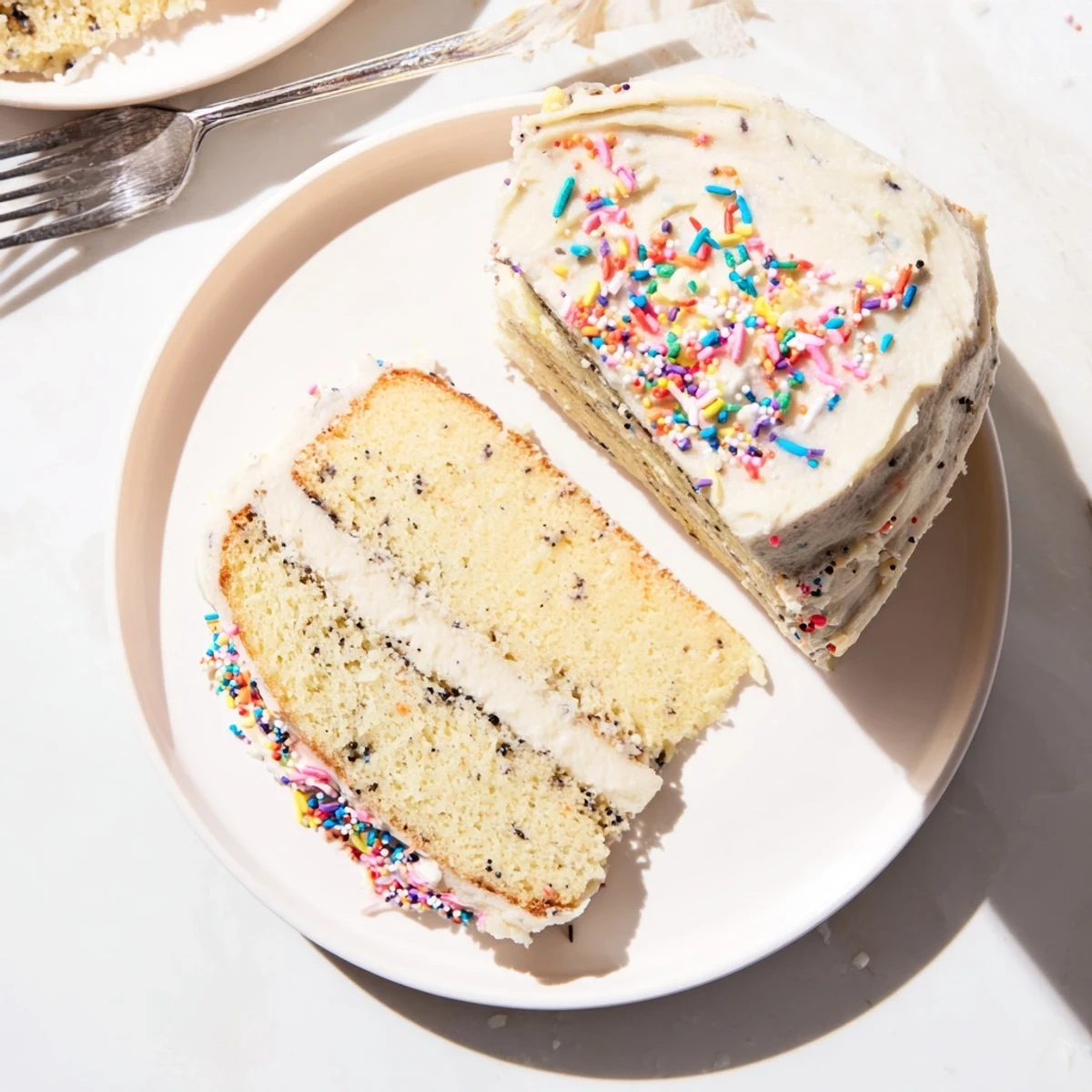
I once made this cake at midnight for a coworkers surprise birthday the next morning, pacing around my kitchen while the layers cooled. Theres something meditative about watching cakes rise through the oven window, anticipation building with every minute. That morning, seeing the office light up when I walked in with those vanilla flecks peeking through the frosting, I remembered why homemade cake hits different than anything store bought.
Ingredients
- All-purpose flour: Provides structure while keeping the crumb tender and light
- Baking powder: Gives the cake its rise and fluffy texture
- Fine salt: Balances sweetness and enhances vanilla flavor
- Unsalted butter: Room temperature butter creates the perfect airy base
- Granulated sugar: Sweetens while creating a tender crumb structure
- Large eggs: Must be room temperature to emulsify properly
- Vanilla bean paste: Those visible specks and intense flavor make all the difference
- Whole milk: Adds moisture and richness to the batter
- Unsalted butter for frosting: Creates that silky, creamy buttercream base
- Powdered sugar: Sifted twice prevents lumps in the final frosting
- Milk and vanilla extract: Thin the frosting to spreadable consistency
- Sprinkles or edible flowers: Pure joy on top, completely optional but encouraged
Instructions
- Prep your pans and oven:
- Line two 9-inch rounds with parchment and grease thoroughly, then set oven to 350°F
- Mix the dry ingredients:
- Whisk flour with baking powder and salt in a medium bowl until evenly combined
- Cream butter and sugar:
- Beat together for 3 to 4 minutes until pale and fluffy, scraping the bowl often
- Add eggs and vanilla:
- Beat in eggs one at a time, then mix in vanilla bean paste until incorporated
- Combine wet and dry:
- Alternate adding flour mixture and milk, starting and ending with flour, mixing just until combined
- Bake the layers:
- Divide batter evenly between pans, smooth tops, and bake 30 to 35 minutes until a toothpick comes out clean
- Cool completely:
- Let cakes rest in pans 10 minutes, then turn onto wire racks until fully cool
- Make the buttercream:
- Beat butter until creamy, gradually add powdered sugar, then mix in milk, vanilla, and salt until fluffy
- Assemble and frost:
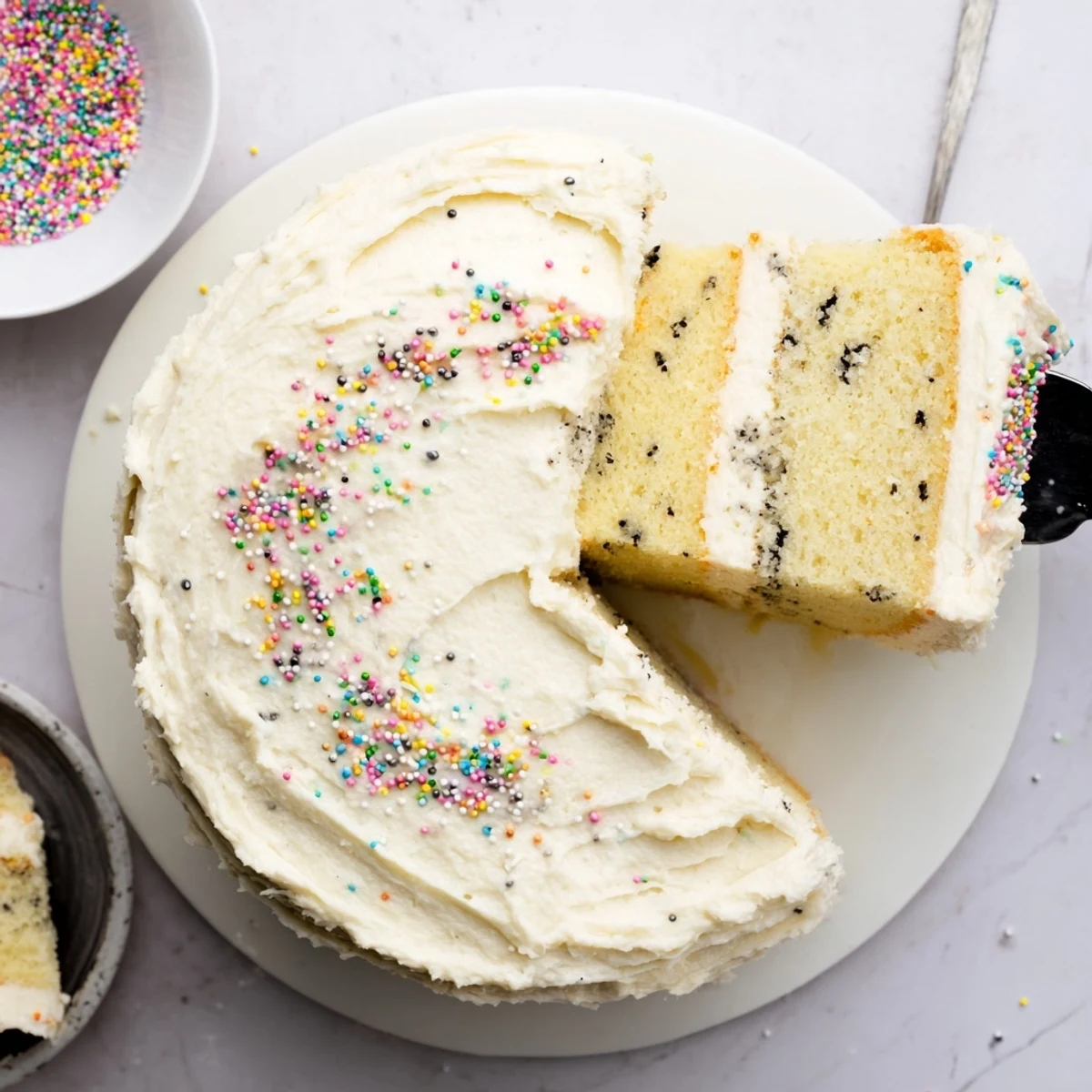
- Stack layers with buttercream between, then frost top and sides generously
- Add decorations:
- Top with sprinkles or edible flowers if desired and serve immediately
 Save
Save This recipe became my go to the year I baked birthday cakes for every single family member, twelve months in a row. Each cake taught me something new about patience and timing, but mostly about how food becomes woven into our memories. Now whenever I smell vanilla buttercream, I think of all those candles flickering in darkened kitchens.
Making It Ahead
I learned through trial and error that unfrosted cake layers freeze beautifully for up to three months. Wrap them tightly in plastic while still slightly warm, then foil, and thaw at room temperature before frosting. Buttercream also keeps in the fridge for a week or frozen for months, just bring it to room temperature and re whip until fluffy.
Getting The Perfect Crumb
The secret is measuring flour by weight, not cups, because even a few extra grams can make the cake heavy. Sifting your dry ingredients together helps incorporate air, and that initial creaming of butter and sugar is worth every extra minute. I set a timer and cream for exactly four minutes, no shortcuts, because thats what gives the cake its delicate texture.
Frosting Like A Pro
After years of struggling with crumbs in my frosting, I finally discovered the crumb coat technique. Apply a thin layer of buttercream over the entire cake, then chill for 20 minutes to lock those stray crumbs in place. The final coat goes on smooth and clean, and suddenly you look like you know exactly what youre doing.
- Chill your frosted cake for 15 minutes before slicing for cleaner cuts
- Run your knife under hot water and wipe dry between each slice
- Save any leftover buttercream for cupcakes or cookie decorating later
 Save
Save Heres to many more birthdays, celebrations, and excuses to make something sweet.
Recipe FAQs
- → Can I make this cake ahead of time?
-
Yes, bake the layers up to 2 days in advance. Wrap tightly in plastic and store at room temperature. Frost the day of serving for best texture, or frost up to 24 hours ahead and refrigerate.
- → What's the difference between vanilla bean paste and extract?
-
Vanilla bean paste contains actual vanilla bean seeds, providing intense flavor and visual specks. Extract offers pure vanilla essence without seeds. Use 2 tbsp extract as a substitute for the 1 tbsp paste.
- → How do I know when the cake is done baking?
-
Insert a toothpick into the center of the cake. If it comes out clean or with just a few moist crumbs, the cake is ready. The tops should spring back lightly when touched.
- → Can I freeze the unfrosted cake layers?
-
Absolutely. Wrap cooled layers completely in plastic, then foil. Freeze for up to 3 months. Thaw overnight at room temperature before frosting.
- → Why did my buttercream turn out too thin?
-
The butter may have been too soft, or excessive milk was added. Chill the frosting for 15-20 minutes, then beat again. If still thin, add sifted powdered sugar 1/2 cup at a time until desired consistency.
- → Can I use cake flour instead of all-purpose?
-
Yes, substitute an equal amount of cake flour for an even lighter, more tender crumb. No other adjustments needed to the recipe.