
 Save
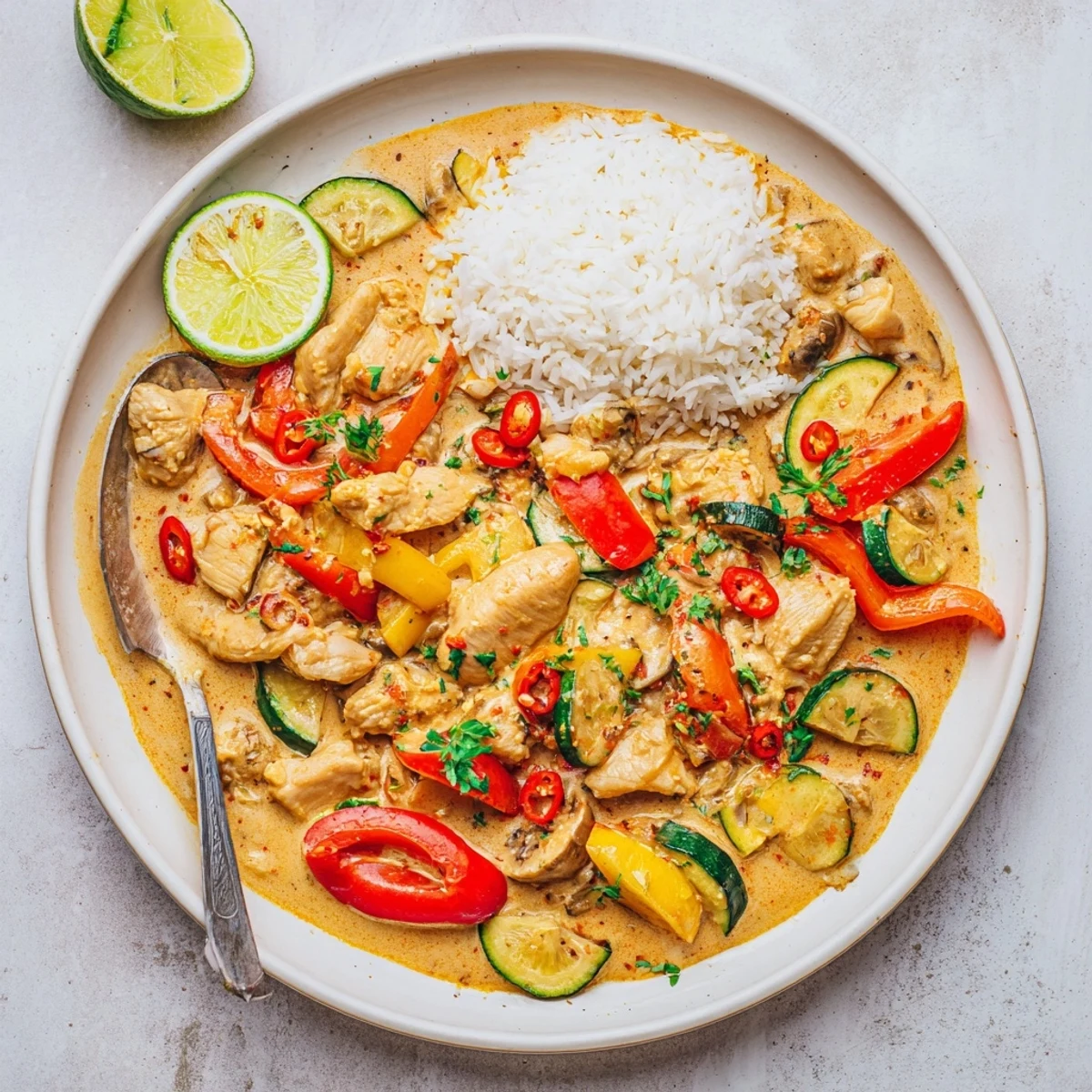
Save Marinated chicken pieces are quickly seared, then sautéed with onion, garlic, and ginger before stirring in red curry paste and turmeric. Coconut milk creates a creamy base that simmers with bell peppers, zucchini, cherry tomatoes, and snap peas until vibrant and tender. Finish with cilantro, sliced chili, and lime wedges; serve over steamed jasmine rice for a bright, spicy summer meal.
The exhaust fan in my kitchen gave out on the hottest day of July last year, right as I was toasting curry paste in coconut oil. Sweat running down my temple, I almost gave up and ordered pizza, but the smell that filled the apartment was so outrageously good that I stood over that stove and finished the whole thing. That accidental misery produced one of the best curries I have ever made, and now I intentionally cook this dish every summer when the heat makes everything taste better.
I brought a huge batch of this to a backyard potluck and watched three self professed curry skeptics scrape their bowls clean before asking for the recipe.
Ingredients
- Chicken thighs (600 g, boneless and skinless): Thighs stay juicy during the simmer where breast meat would dry out, so do not be tempted to swap.
- Lime juice (2 tbsp): Fresh squeezed only, the bottled kind tastes flat and throws off the balance.
- Olive oil (1 tbsp): Used in the marinade to carry the chili powder evenly across every piece.
- Chili powder (1 tsp): A gentle base layer of heat that the curry paste will build on later.
- Salt (1/2 tsp for marinade): Gets the seasoning started early so the chicken is flavorful all the way through.
- Red and yellow bell peppers (1 each, sliced): Two colors are not just pretty, they add slightly different sweetness levels.
- Zucchini (1 cup, sliced): Absorbs the curry broth like a sponge and practically melts in your mouth.
- Cherry tomatoes (1 cup, halved): They burst during cooking and brighten the whole pot with natural acidity.
- Snap peas (1 cup, trimmed): Tossed in near the end so they keep their snappy texture.
- Onion (1 medium, finely chopped): The quiet backbone of every good curry base.
- Coconut oil (2 tbsp): Frying the aromatics in coconut oil gives the dish a rounded tropical fragrance before the milk even goes in.
- Garlic (2 cloves, minced): Fresh garlic makes a difference you can actually smell the moment it hits the pan.
- Fresh ginger (1 tbsp, grated): A microplane gets it pulpy and fine so it melts right into the sauce.
- Red curry paste (2 to 3 tbsp): Start with two and taste before adding the third because brands vary wildly in intensity.
- Coconut milk (400 ml, one can): Shake the can before opening so the creamy layer blends smoothly into the broth.
- Ground turmeric (1 tsp): Gives that golden glow and a warm earthy note underneath all the brightness.
- Ground coriander (1/2 tsp): A small amount adds a citrusy depth that most people notice but cannot quite name.
- Sugar (1 tsp): Just enough to round the edges of the spice without making anything taste sweet.
- Salt and pepper (to taste): Season gradually and taste as you go.
- Fresh cilantro (1/4 cup, chopped): Scattered on at the end for a fresh herbal punch that cuts through the richness.
- Fresh red chili (1, sliced, optional): For the brave souls who want extra fire on top.
- Lime wedges (for serving): A squeeze at the table wakes up every single flavor in the bowl.
- Steamed jasmine rice (for serving): The only correct vehicle for soaking up every drop of this sauce.
Instructions
- Marinate the chicken:
- Toss the chicken pieces with lime juice, olive oil, chili powder, and salt in a bowl, then let it sit for about fifteen minutes while you chop the vegetables and open the coconut milk.
- Build the aromatic base:
- Heat coconut oil in a large pan or wok over medium heat, then cook the onion, garlic, and ginger for two to three minutes until your kitchen smells incredible and the onion turns translucent.
- Bloom the spices:
- Stir in the red curry paste, turmeric, and coriander, and let them sizzle for about a minute so the paste darkens slightly and coats the bottom of the pan in a fragrant film.
- Brown the chicken:
- Add the marinated chicken in a single layer and let it cook undisturbed for a minute before stirring, giving it five to six minutes total until the edges pick up some golden color.
- Create the sauce:
- Pour in the coconut milk, sugar, a pinch of salt, and a few grinds of pepper, then stir everything together and bring it to a gentle bubbling simmer.
- Cook the vegetables:
- Drop in the bell peppers, zucchini, cherry tomatoes, and snap peas, then let the curry bubble uncovered for ten to fifteen minutes until the chicken is cooked through and the vegetables are tender but still bright.
- Taste and adjust:
- Give it a taste and add more salt, a squeeze of lime, or another spoon of curry paste if you want it bolder.
- Serve and garnish:
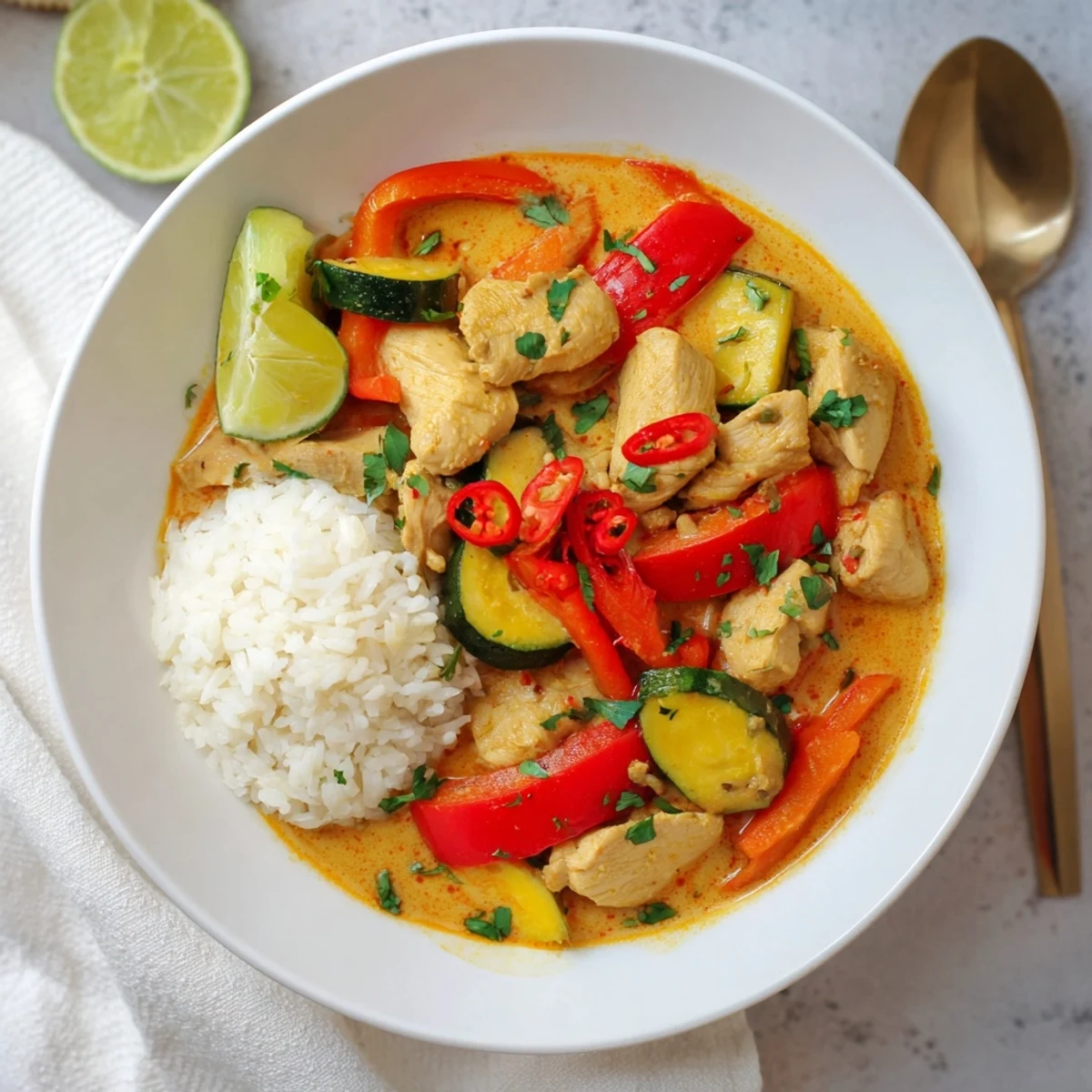
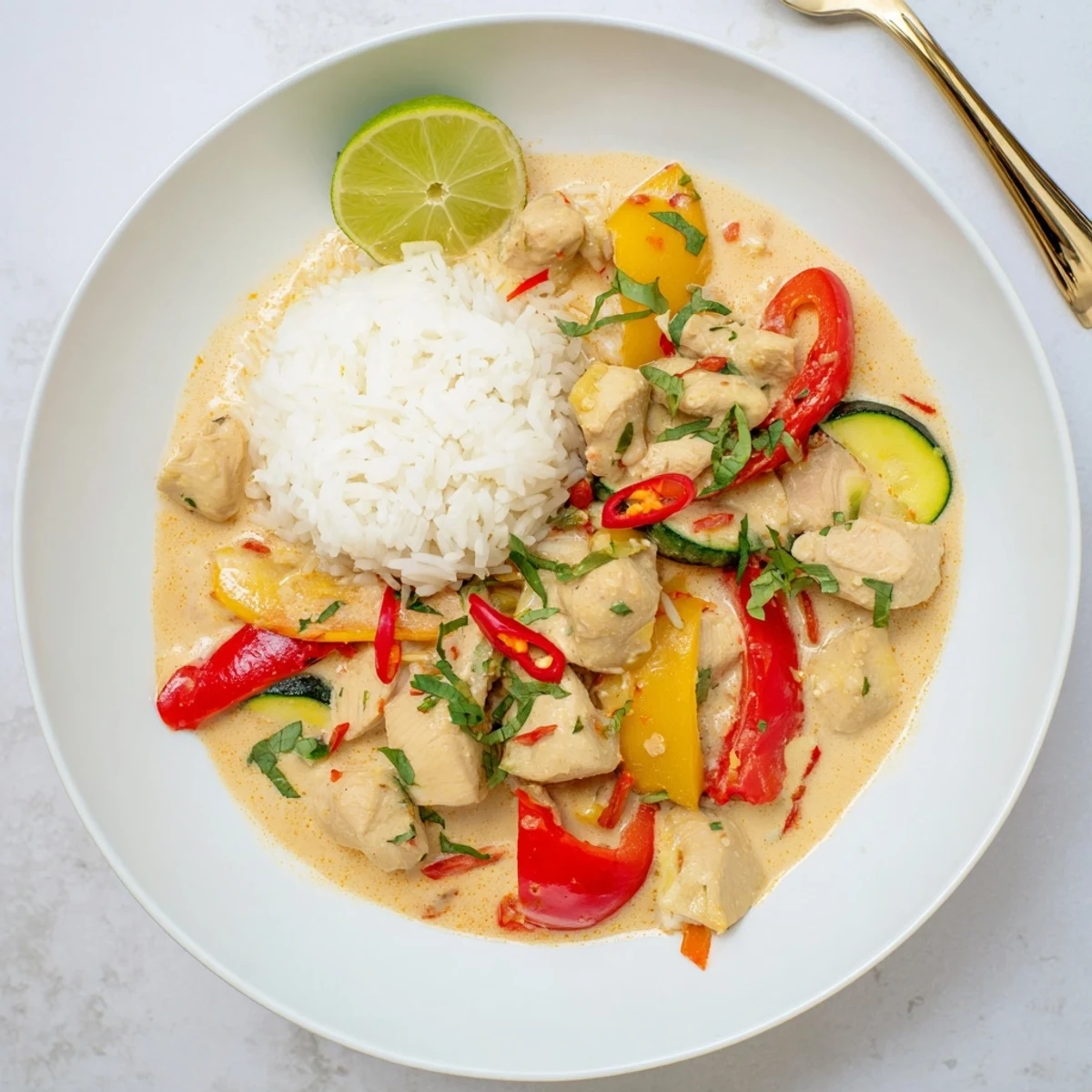
- Ladle the curry over steamed jasmine rice and top each bowl generously with cilantro, sliced chili if you are using it, and a wedge of lime on the side.
 Save
Save The second time I cooked this for friends, someone quietly went back to the kitchen for a fourth helping and tried to blame it on a small bowl.
Storing and Reheating Like a Pro
This curry actually tastes better the next day because the spices have time to mingle, so I always make the full batch even if I am only feeding two people. Store it in an airtight container in the fridge for up to three days and reheat it gently on the stove with a splash of water to loosen the sauce back up.
Swaps and Substitutions
Firm tofu pressed dry and cubed works beautifully in place of chicken if you want a vegetarian version that still feels substantial. You can also toss in a handful of mango cubes during the last few minutes of cooking for a fruity twist that pairs surprisingly well with the heat.
Getting the Spice Level Right
The easiest way to control the heat is by choosing how much curry paste goes in rather than adding chili afterward, since the paste distributes flavor more evenly. Everyone perceives spice differently, so I always set out extra sliced fresh chili on the side and let people customize their own bowls.
- Taste your curry paste alone on the tip of a spoon before you start so you know exactly how hot it is.
- A spoonful of plain yogurt on the side can rescue anyone who went a little overboard.
- Remember that the coconut milk will mellow the spice considerably once it all simmers together.
 Save
Save Some recipes come and go from my rotation, but this one earned a permanent spot the moment I realized I was craving it on purpose. Make it once and you will see exactly what I mean.
Recipe FAQs
- → How can I reduce the heat without losing flavor?
-
Use less red curry paste and remove seeds from fresh chili. Add extra coconut milk or a pinch of sugar to mellow heat while preserving the aromatic ginger, garlic, and lime notes.
- → Can I swap chicken for another protein?
-
Yes—firm tofu, tempeh, or chickpeas work well. For tofu, press and sear until golden before adding to the sauce so it holds texture and soaks up the coconut-curry flavors.
- → Which vegetables keep their texture best?
-
Bell peppers, zucchini, snap peas, and cherry tomatoes stay vibrant when simmered briefly. Add delicate vegetables near the end to preserve color and slight crunch.
- → How do I prevent the coconut milk from splitting?
-
Simmer gently over medium-low heat and avoid vigorous boiling. Stir frequently and add coconut milk after the spices have bloomed to help it integrate smoothly into the sauce.
- → What’s the best way to store and reheat leftovers?
-
Cool completely and refrigerate in an airtight container for up to 3 days. Reheat gently over low heat, adding a splash of water or coconut milk to revive the sauce and prevent drying.
- → Any quick garnish or serving tips?
-
Top with chopped cilantro, a squeeze of lime, and sliced red chili for brightness. Serve over steamed jasmine rice or with mango cubes for a fruity contrast.