
 Save
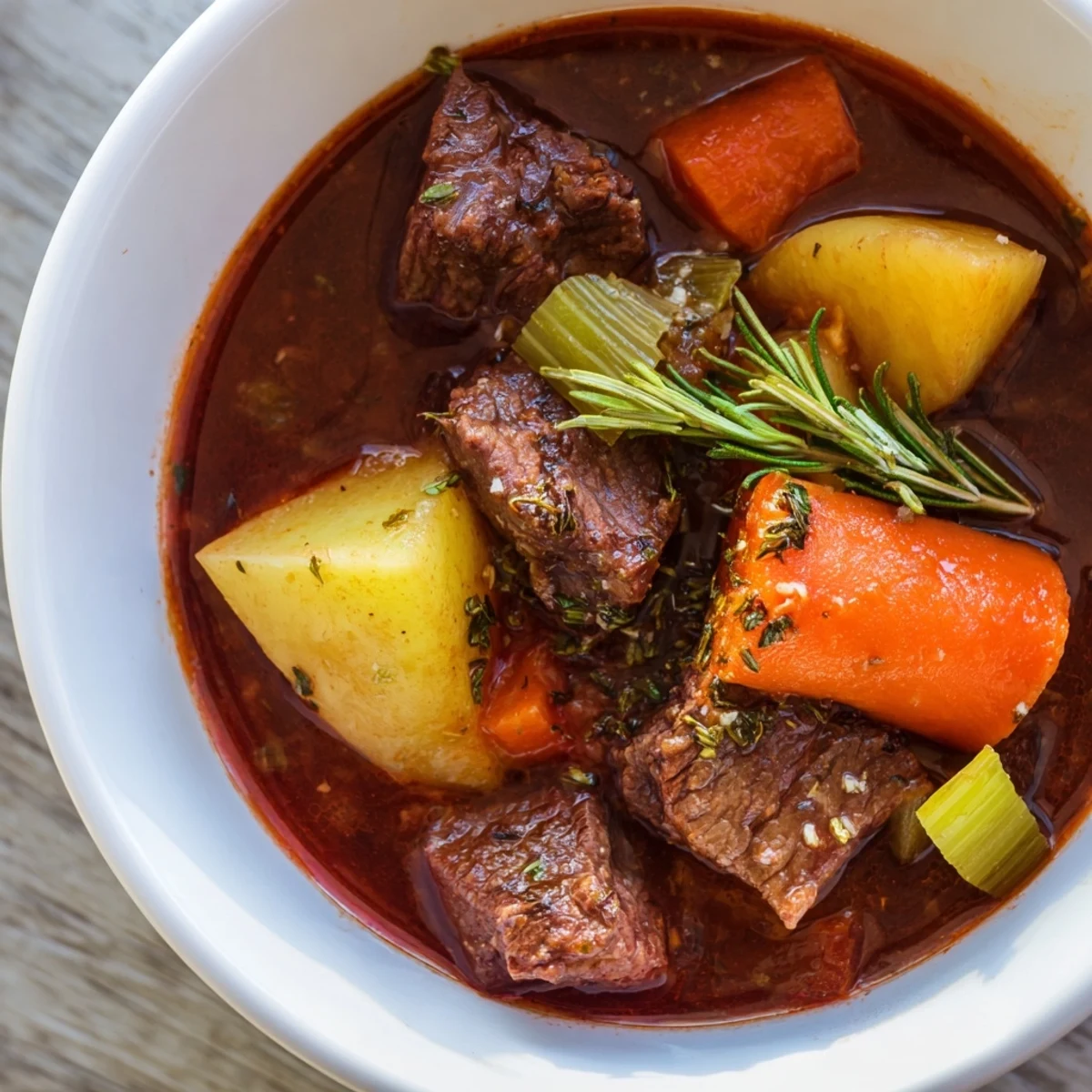
Save This dish combines tender lamb shoulder cubes slowly simmered with Yukon Gold potatoes, carrots, and celery in a rich blend of red wine and aromatic herbs. The result is a comforting, flavorful stew that warms and satisfies, perfect for chilly evenings or family meals. Optional peas add a touch of color and sweetness.
Preparation involves browning the lamb, sautéing the vegetables, then cooking everything together slowly until flavors meld and the meat becomes tender. Serve with crusty bread or creamy polenta to complete the meal.
There's something about the smell of lamb browning in a hot pot that pulls you back to simpler times, even if you've never actually lived them. I was deep in winter, midweek exhaustion creeping in, when I decided a proper stew was exactly what the moment needed. The kind that fills your whole kitchen with warmth while it bubbles away, asking almost nothing from you except patience. That's when this lamb stew found its way into my regular rotation, and it's stayed there ever since.
I made this for my neighbor who'd just had surgery, and I watched her face light up when she opened her door to that aroma wafting from the container. She ate half of it that night and called me the next day to ask for the recipe. That's when I realized this stew wasn't just dinner—it was the kind of thing people remember.
Ingredients
- Lamb shoulder (2 lbs, cubed): The shoulder is forgiving and becomes silky when braised slowly, way more reliable than leaner cuts that can turn tough.
- Yukon Gold potatoes (1½ lbs, chunked): These hold their shape through the long simmer and have a creamy interior that soaks up all the savory broth.
- Carrots and celery (2 of each): The trinity base that builds flavor from the moment they hit the hot oil, turning sweet and almost melting into the sauce.
- Yellow onion (1 large, diced): Sautéed first, it becomes the backbone of everything that follows, so don't rush this step.
- Garlic (3 cloves, minced): Added after the softer vegetables so it doesn't brown and turn bitter—timing matters here.
- Beef or lamb stock (4 cups): Use the real thing if you can; the difference between good broth and mediocre is everything in a stew this simple.
- Dry red wine (1 cup): It cuts through the richness of the lamb and adds a subtle depth that stock alone can't achieve.
- Tomato paste (2 tbsp): A small amount adds umami and body without making the stew taste tomatoey—just richer.
- Olive oil (2 tbsp): Get something you like the taste of, since it's a prominent player in browning the meat properly.
- Salt, pepper, rosemary, thyme (assorted): Fresh herbs are wonderful if you have them, but dried work just as well and often taste less green.
- Bay leaves (2): They're there for subtle background flavor, not to shout—remember to fish them out before serving.
- Frozen peas (1 cup, optional): A last-minute addition for sweetness and color that shouldn't be cooked longer than five minutes.
Instructions
- Dry and season your lamb:
- Pat each cube with paper towels until they're genuinely dry—this is what makes the browning happen instead of steaming. Season generously with salt and pepper while the pot preheats.
- Brown the meat in batches:
- Don't crowd the pot; give each piece room to develop a golden crust on all sides over medium-high heat. This takes patience and happens in about 3 minutes per batch, but it's where half the flavor comes from.
- Build your base with vegetables:
- Once the lamb rests on a plate, add onion, carrots, and celery to the same pot and let them soften for 5 minutes, scraping up any browned bits as you stir. Add garlic for just one minute more—you want it fragrant, not fried.
- Wake up the tomato paste:
- Stir it into the vegetables for a full minute so it caramelizes slightly and loses that raw edge that makes it taste tinny.
- Deglaze with wine:
- Pour in the red wine and scrape the bottom of the pot with a wooden spoon, dissolving all those golden crusty bits that are basically liquid gold. Let it simmer for 2 minutes so the alcohol cooks off and leaves behind only richness.
- Bring everything together:
- Return the lamb to the pot along with potatoes, herbs, bay leaves, and stock, stirring until everything's submerged and the liquid just barely comes to a simmer. This is the moment it becomes a real stew.
- Low and slow for tenderness:
- Cover and cook over low heat for 1½ hours, stirring every 20 minutes or so to ensure nothing sticks to the bottom. The lamb should be fork-tender and the potatoes cooked through but still holding their shape.
- Final touch with peas (if using):
- Stir them in during the last 5 minutes of cooking so they stay bright green and sweet rather than dull and mushy.
- Finish and adjust:
- Remove the bay leaves, taste the broth, and add more salt or pepper if it needs it. Serve while it's steaming hot, and if you want, scatter some fresh herbs on top.
 Save
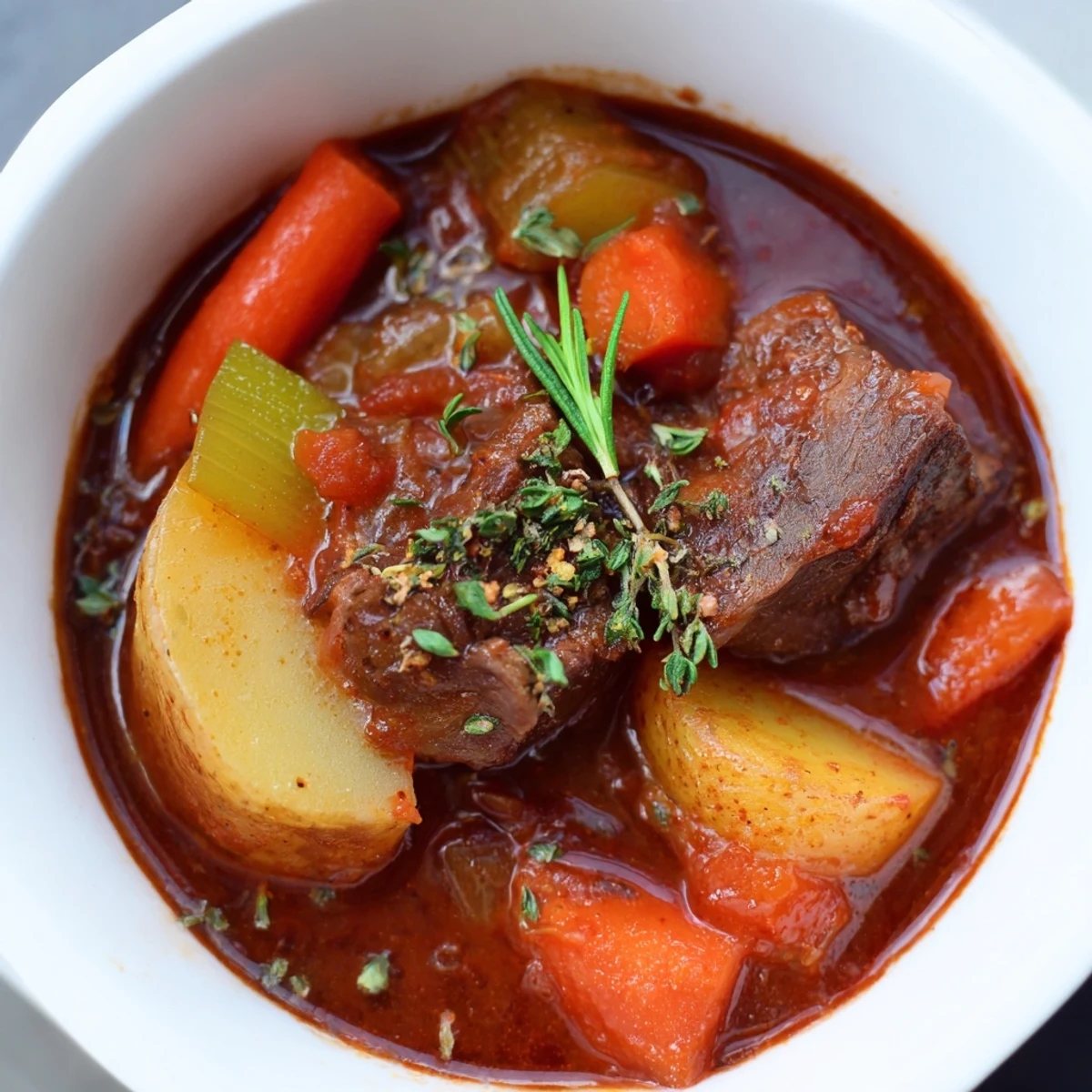
Save What struck me most was how my kitchen transformed during those quiet hours while the stew simmered—the whole house smelled like a proper home, and somehow that mattered more than the cooking itself. It's funny how a pot of lamb and potatoes can shift your entire evening from hurried to peaceful.
Make It Your Own
This stew is flexible enough to bend toward what you have on hand or what sounds right for the season. Parsnips or turnips can replace half the potatoes for a different sweetness, and some people add a splash of balsamic vinegar in the last minute for a subtle tang. Mushrooms work beautifully too, added during the last 20 minutes so they don't absorb too much liquid and turn into sponges. The herbs are adjustable too—if thyme feels boring to you, try oregano or even a small pinch of smoked paprika.
Serving and Pairing
This stew is hearty enough to stand alone in a bowl, but it comes alive with crusty bread for soaking up every last drop of broth, or spooned over creamy polenta for something slightly richer. A robust red wine like Syrah or Cabernet Sauvignon cuts through the lamb beautifully, or if you prefer beer, something malty and dark works just as well. The stew actually improves overnight once flavors have time to deepen, so making it a day ahead isn't a shortcut—it's actually smarter.
Storage and Reheating
This is the kind of recipe that rewards batch cooking since the flavors only get deeper as it sits in the fridge for up to four days, or you can freeze it for two months and come back to it on a night when cooking feels like too much effort. Reheat gently over medium heat with a splash of water or stock if the broth has thickened too much, stirring occasionally until everything's warm through. If you forgot to take it out to thaw, reheating from frozen takes about 45 minutes on low, and honestly, it's still faster than starting from scratch.
- Make a double batch when you have the energy—future you will be grateful on a tired Thursday.
- This freezes better than most stews because the potatoes don't deteriorate as much as you'd think.
- Leftover stew becomes something different every time: thinned with stock it's a broth, thickened and served on toast it's a hearty dinner, mixed into rice it's almost a pilaf.
 Save
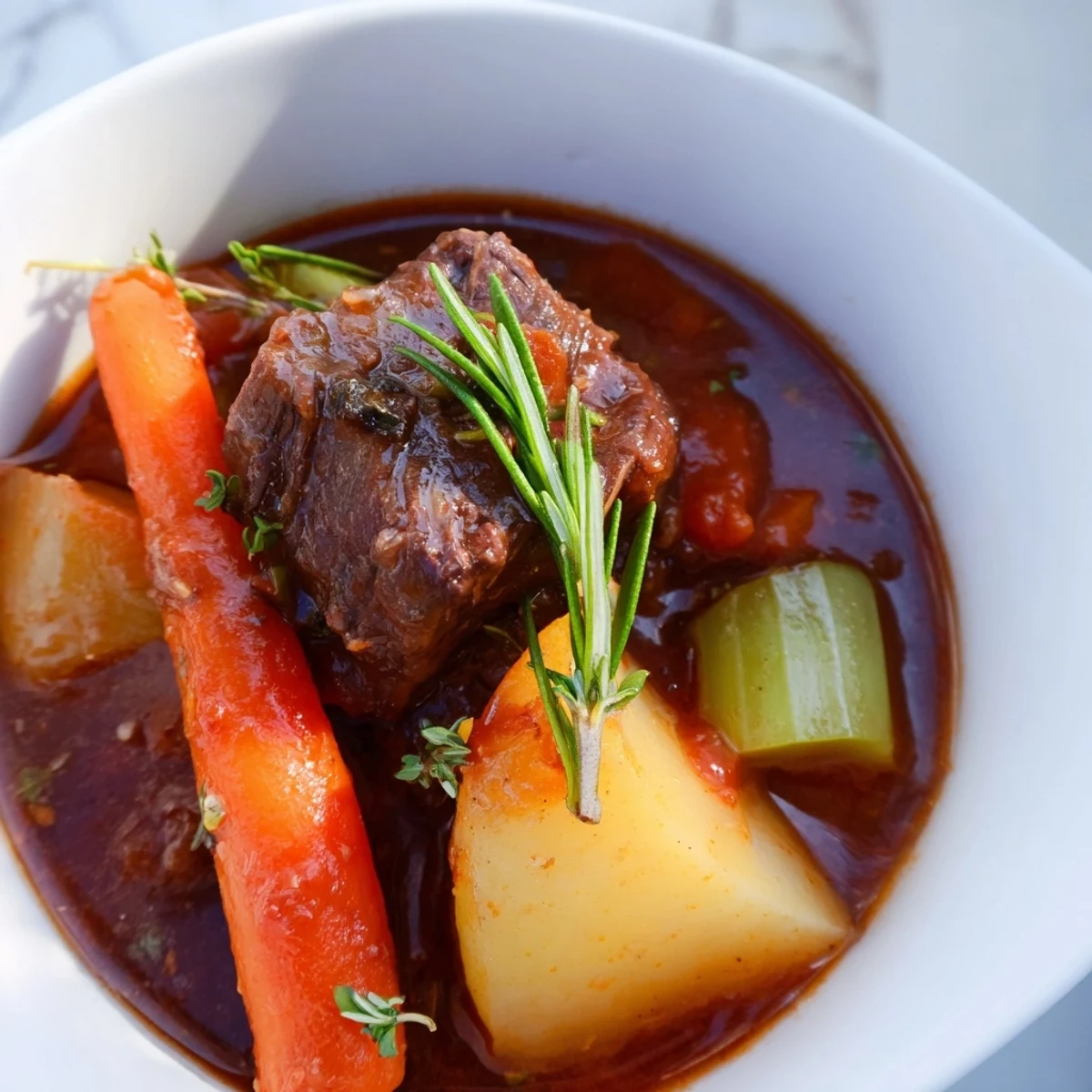
Save This lamb stew has become the meal I make when I want to feel like I'm taking care of people, including myself. It's the kind of cooking that doesn't demand perfection, just presence and a little time.
Recipe FAQs
- → What cut of lamb is best for this dish?
-
Lamb shoulder is ideal due to its balance of flavor and tenderness when slow-cooked.
- → Can I use other root vegetables instead of potatoes?
-
Yes, parsnips or turnips can replace some or all potatoes for a different flavor profile.
- → Is red wine necessary for flavor?
-
Red wine adds depth and acidity, but you can substitute with additional stock if preferred.
- → How long should the stew be cooked?
-
Simmering for about 1.5 hours ensures the lamb is tender and the potatoes are cooked through.
- → When should peas be added to the dish?
-
Frozen peas are stirred in during the last 5 minutes of cooking to retain their vibrant color and sweetness.