
 Save
Save Soft, buttery shortbread is brightened with lemon zest and joined with a spoonful of raspberry jam to make delicate sandwich cookies. Cream butter and powdered sugar until pale, fold in sifted flour and salt, then chill the dough to firm up. Roll thin, cut rounds and small center windows for tops, bake briefly until edges are just golden. Mix lemon juice into the jam before assembling for a fresher finish; cool fully to prevent slipping.
My kitchen was unusually sunlit the first time I tried my hand at raspberry lemon shortbread cookies. The crisp snap of the mixer blades on softened butter was oddly satisfying, and a cloud of lemon zest seemed to float up and settle everywhere—including on my nose. I remember humming along to a jazz playlist, not caring that flour dusted the counters like fresh snow. There was something almost mischievous in sandwiching jewel-bright jam between the buttery cookies, saving the best for the reveal.
Once, I brought a box of these to a neighbor during a spring downpour. We stood in her doorway laughing about jam smears on napkins, the tangy lemon taste brightening even the gloomiest afternoon. She asked for the recipe on the spot, and now these cookies are our little rainy day ritual.
Ingredients
- Unsalted butter (1 cup): Soften it just enough; too cold and it won’t cream, too warm and your dough will lose its structure.
- Powdered sugar (2/3 cup): This gives the dough its whisper-light texture—always sift for lump-free mixing.
- Zest of 1 large lemon: Scrape only the bright yellow for pure, fragrant zing; a microplane makes this easier than you’d think.
- Pure vanilla extract (1/2 tsp): Just a dash; it quietly lifts the citrus and butter flavors.
- All-purpose flour (2 cups): Measure with care—too much and the cookies turn tough, too little and they’ll spread too much.
- Salt (1/4 tsp): That little pinch pulls everything together and enhances the lemon even more.
- Raspberry jam or preserves (1/3 cup, seedless preferred): Choose something bright and tart; warming it gently helps it spread more easily.
- Fresh lemon juice (2 tsp): Stirred into the jam, it cuts the sweetness and keeps flavors clear.
- Extra powdered sugar (optional, for dusting): A snow-like finish that’s irresistible for show or sneaky tastings.
Instructions
- Cream the Butter and Sugar:
- Beat the butter and powdered sugar until the mixture looks pale and pillow-soft, almost like frosting—don’t rush, this is worth it.
- Add Lemon and Vanilla:
- Mix in lemon zest and vanilla; pause to inhale the sparkling scent, it should feel punchy and fresh.
- Sift Dry Ingredients and Combine:
- Whisk flour and salt, then tip into the bowl and stir just until a dough forms—a few streaks are fine, overmixing is the only enemy here.
- Chill the Dough:
- Shape into two discs and wrap snugly; 30 minutes in the fridge gives you cookies that hold their shape perfectly when baked.
- Prepare for Baking:
- Heat your oven to 350°F and line baking sheets—this is when the kitchen starts to smell like something’s about to happen.
- Roll and Cut:
- On a lightly floured board, roll dough 1/4 inch thick, cutting shapes as you go; try not to reroll scraps more than once for the tenderest cookies.
- Shape the Tops:
- For half the cookies, use a smaller cutter to make windows for the jam; seeing them lined up is surprisingly satisfying.
- Bake:
- Bake 11–13 minutes, watching for just the palest hint of gold at the edges; they’ll firm up as they cool on a wire rack.
- Mix the Filling:
- Stir lemon juice into raspberry jam—taste for brightness; sometimes I sneak a spoonful at this stage.
- Assemble:
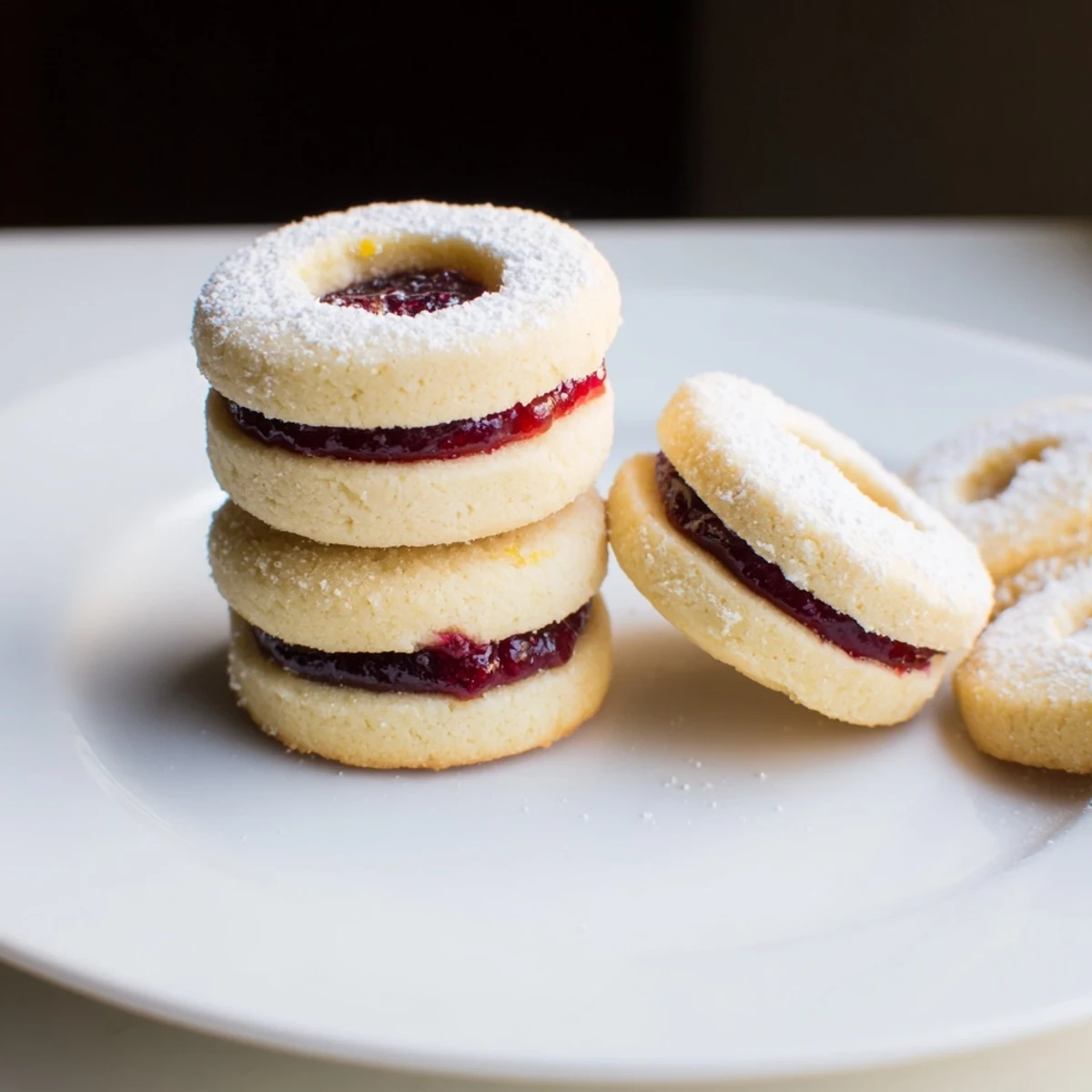
- Spread jam on the flat side of each base, then gently place a cutout top over to make a sandwich; dust with a little powdered sugar if the mood strikes.
 Save
Save There’s a photo on my fridge of friends gathered around the table, each reaching for the prettiest cookie—some dusted, some plain, all gone in minutes. These shortbreads have a knack for making a regular day suddenly celebratory.
When Dough Gets Fussy
There were days when my dough felt too sticky or dry—humidity and kitchen warmth have a say. I learned to watch the dough texture more than the clock, adding a teaspoon of flour or a few drops of lemon juice if it just isn’t coming together right.
Sandwiching Secrets
The step where you add the jam is hands-down my favorite—sometimes the tops slide a bit, but a gentle nudge sets everything straight. If a cookie cracks, I call it baker’s privilege and eat it immediately, still warm with tart sweetness.
Shaping and Serving Joy
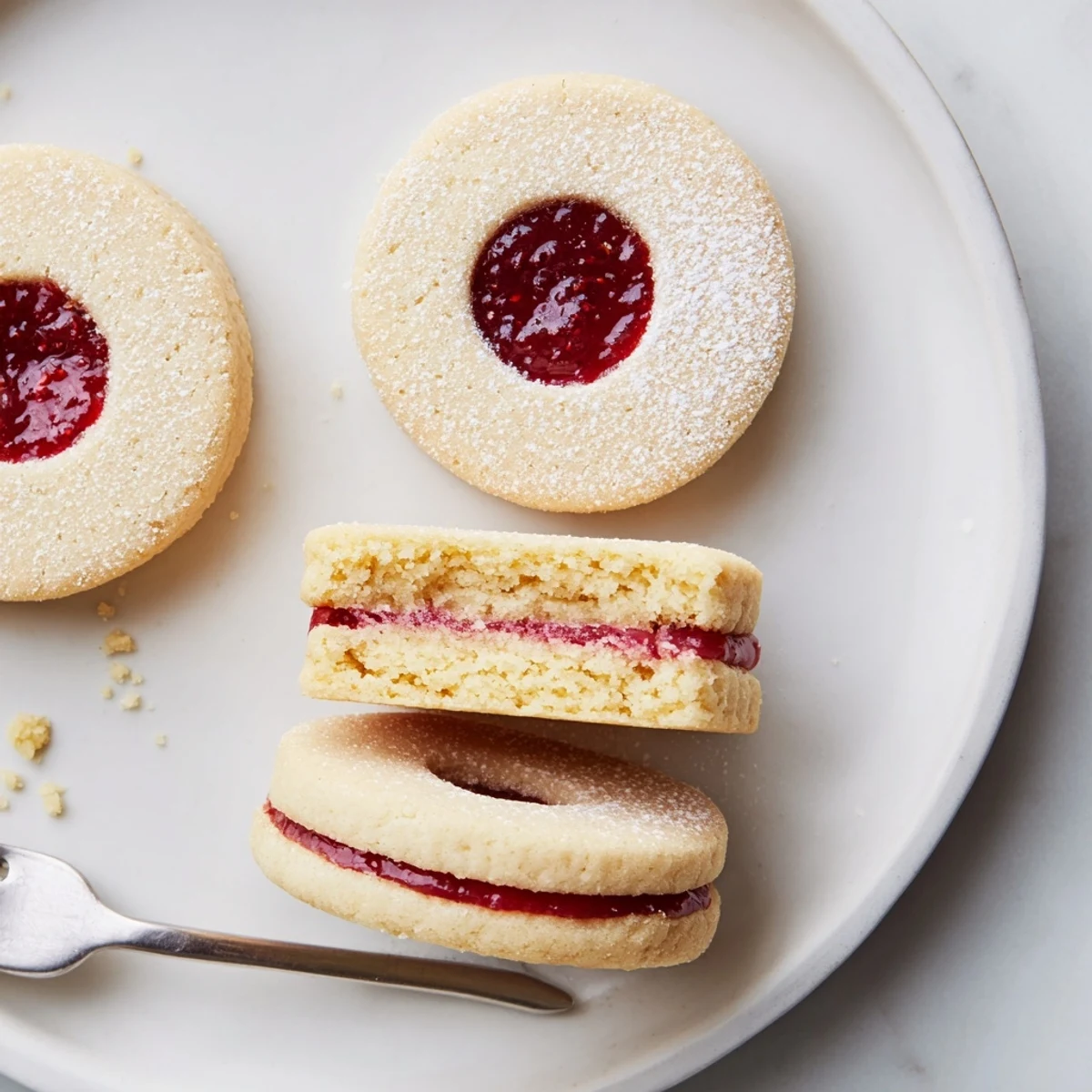
The cutouts turn every batch into something special; hearts for Valentine’s Day, circles for picnics, or stars just because. No two cookies ever end up quite the same—some a little more golden, some a touch thicker, all delicious.
- Dust extra sugar on top just before serving for the prettiest look.
- Use any berry jam if raspberries aren’t handy—plum is swoon-worthy.
- Stack cooled cookies in a tin, layered with parchment, for maximum freshness.
 Save
Save Here’s hoping these raspberry lemon shortbread cookies spark a new favorite ritual in your kitchen too. Don’t be surprised if you find yourself making them just because you crave that bright, buttery bite.
Recipe FAQs
- → How long should the dough chill and why?
-
Chill for about 30 minutes to firm the butter and hydrate the flour. Cold dough spreads less in the oven, giving a tender, crumbly texture and cleaner cut edges.
- → Can I use seeded raspberry preserves?
-
Seeded preserves can add texture; for a smoother sandwich, use seedless jam or warm and strain preserves to remove larger seeds before spreading.
- → Is another citrus zest a good substitute for lemon?
-
Yes—orange zest adds a sweeter, rounder note, while lime gives sharper acidity. Adjust the amount to balance the butter and jam flavors.
- → How should I store the shortbread sandwiches?
-
Layer cookies in an airtight container with parchment between layers and store at room temperature up to 5 days. For longer storage, freeze baked sandwiches for up to 3 months.
- → How do I prevent dry or tough cookies?
-
Avoid overmixing once the flour is added; stop as soon as a cohesive dough forms. Use softened but not melted butter and watch baking time—remove when edges are just turning golden.
- → Do baking time or temperature change with larger shapes?
-
Yes—larger or thicker shapes may need 1–3 extra minutes and can benefit from lowering the oven by 10–15°F to ensure even baking without overbrowning.