
 Save
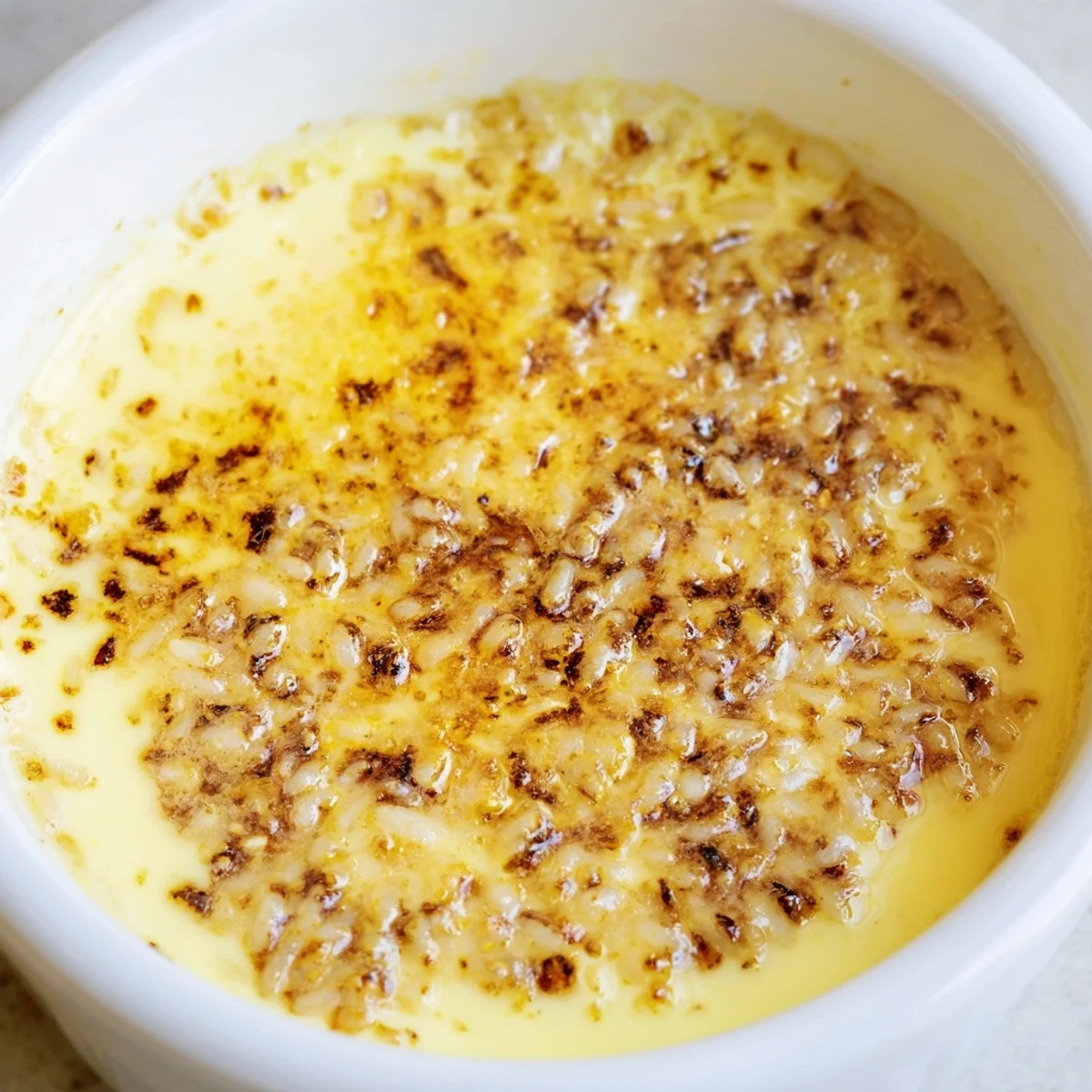
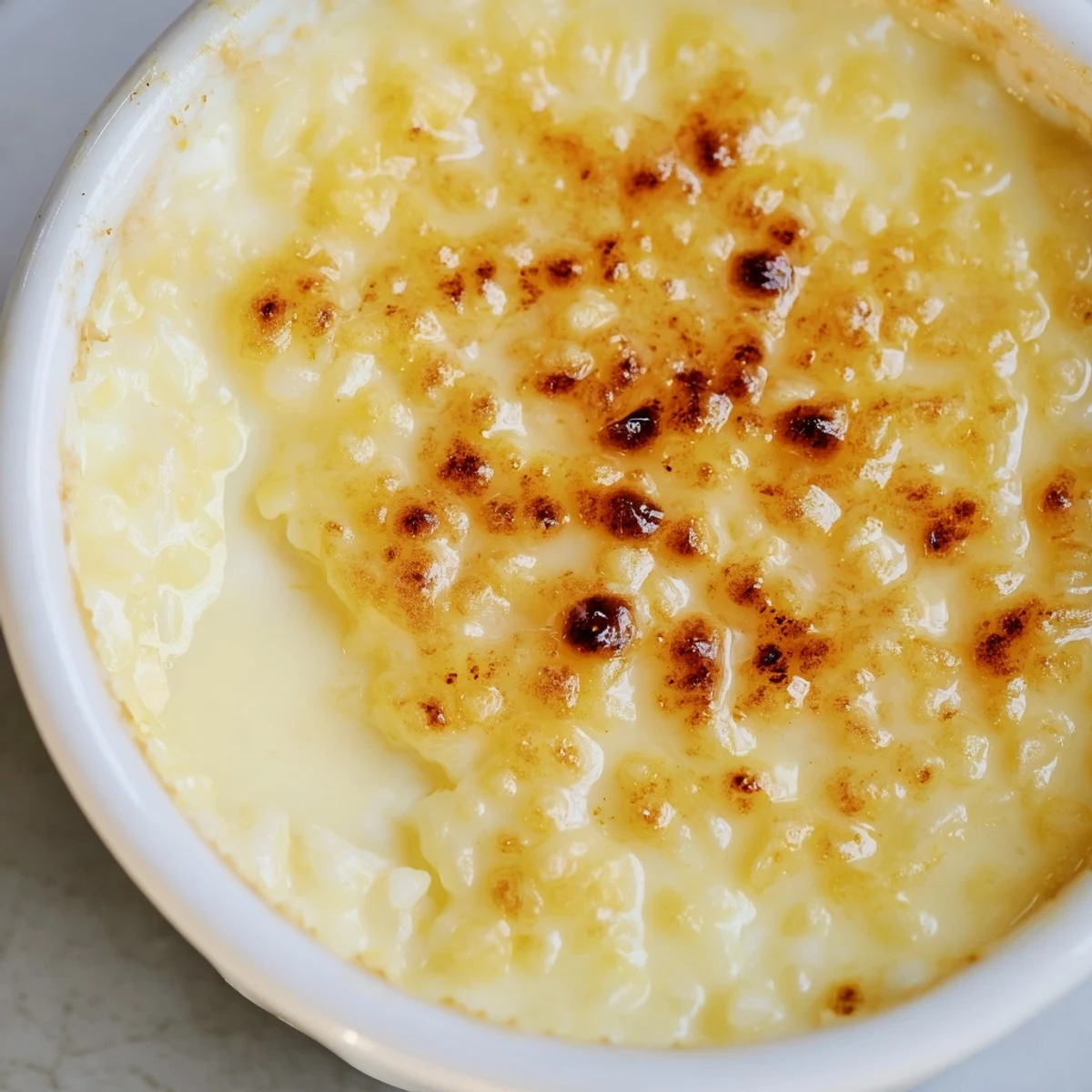
Save This traditional Portuguese dessert features tender rice slowly simmered in whole milk and heavy cream until perfectly creamy. Infused with lemon peel and cinnamon during cooking, the custard achieves a luxurious consistency through careful tempering of egg yolks. The finished dish emerges with a silky, rich texture crowned by a crunchy cinnamon-sugar crust that caramelizes beautifully. Serve warm for ultimate comfort or chilled for a refreshing dessert experience, paired perfectly with sweet port wine.
The first time I had rice pudding in a tiny Lisbon café, I couldn't believe something so simple could taste so extraordinary. The custard was silkier than anything I'd made before, with this fragrant cinnamon crust that cracked under my spoon. I spent months trying to recreate that exact texture at home, burning more pots of rice than I care to admit before I finally understood the secret.
I made this for my grandmother's birthday last winter, serving it warm in little ramekins while we sat around her dining table telling old stories. She took one bite and got quiet, then told me about her own mother making something similar during the lean years when rice was a precious treat. Now every time I smell cinnamon and lemon together, I think of women cooking comfort across generations.
Ingredients
- Short-grain rice: This variety releases more starch as it cooks, creating that signature creamy texture that makes Portuguese rice pudding so luxurious
- Whole milk and heavy cream: The combination gives you richness without being heavy, and I've learned that using anything less than whole milk affects the final silkiness
- Lemon peel: Large strips without the bitter white pith infuse subtle brightness that balances the sweet custard beautifully
- Cinnamon stick: Whole cinnamon steeped in the milk layers flavor more gently than ground cinnamon would, creating depth rather than spice
- Egg yolks: Four yolks provide the necessary structure for the custard while keeping it lush and velvety
- Unsalted butter: Just a tablespoon adds an extra level of richness and helps create that smooth mouthfeel
Instructions
- Simmer the rice slowly:
- Combine your rice, milk, cream, lemon peel strips, cinnamon stick, and salt in a medium saucepan over medium heat. Bring everything to a gentle bubble, then lower the heat and let it simmer for 25 to 30 minutes, stirring often so nothing catches on the bottom. You'll know it's ready when the rice is completely tender and the mixture has thickened enough to coat the back of your spoon. Remove the lemon peel and cinnamon stick before continuing.
- Add sweetness and warmth:
- Stir in your sugar, butter, and vanilla extract, cooking for just 2 to 3 minutes until everything dissolves completely. The kitchen should smell incredible by now, like someone bottled comfort itself.
- Temper the egg yolks:
- Whisk your yolks in a separate bowl until they're smooth and pale, then gradually add a few spoonfuls of the hot rice mixture while whisking constantly. This prevents the eggs from scrambling when you add them to the pot.
- Finish the custard:
- Pour the warmed yolks back into your saucepan and cook over low heat, stirring without stopping, for 2 to 3 minutes until the custard thickens slightly. Watch closely and remove from heat as soon as you notice the change. Do not let this boil or the texture will become grainy.
- Assemble and top:
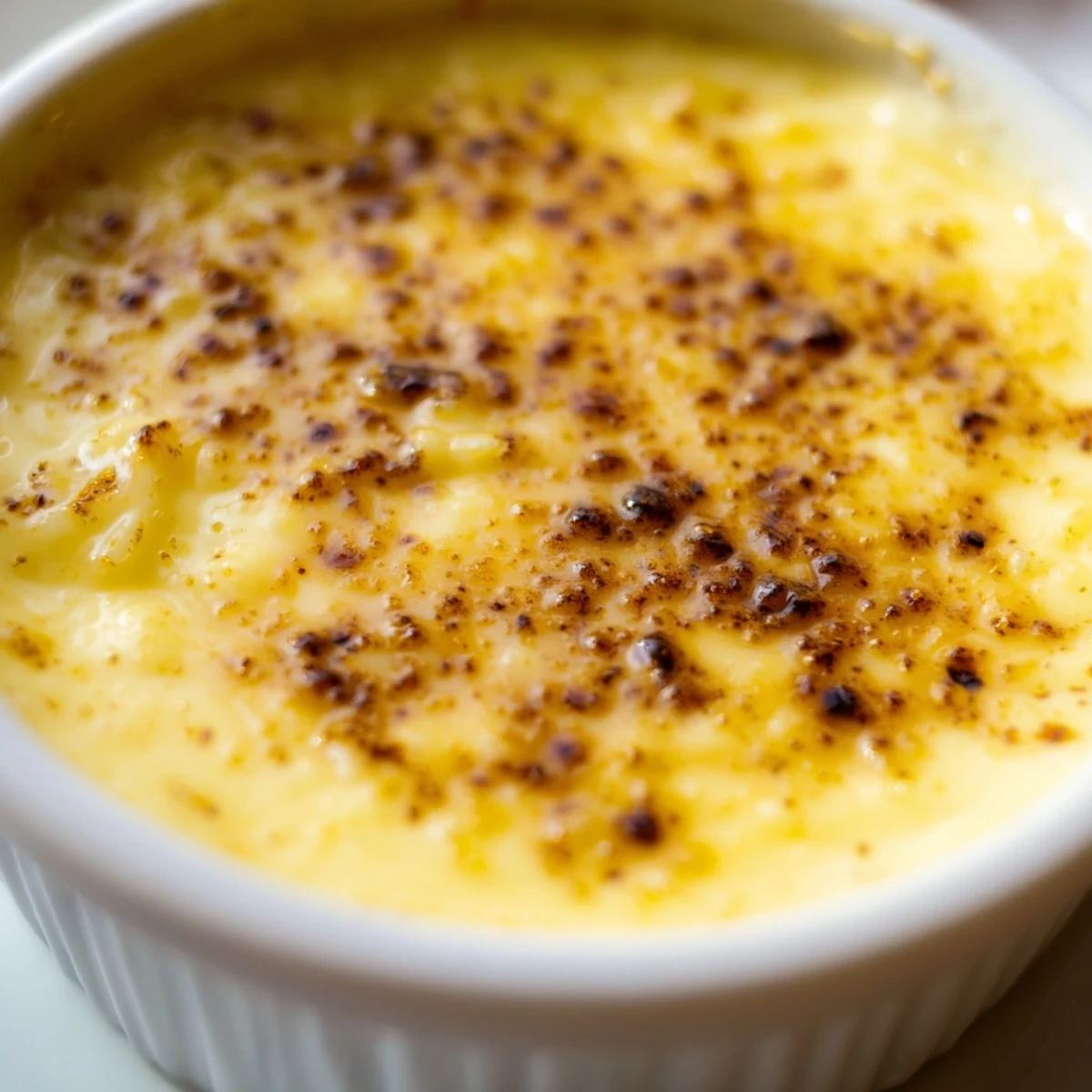
- Pour the custard into individual ramekins or one large serving dish. Mix the remaining sugar with ground cinnamon and sprinkle it generously over the top. Let everything cool to room temperature, then serve warm or chilled depending on your preference.
 Save
Save My daughter requested this for her school international day, and I was nervous about transporting something so delicate. But when we arrived, teachers kept coming back for seconds, and she beamed telling everyone it was her Portuguese grandma's recipe even though we're not Portuguese at all. Food has this beautiful way of claiming us, doesn't it?
Getting The Texture Right
I've learned through many failed batches that shortgrain rice is absolutely nonnegotiable here. Arborio or other risotto varieties work beautifully because they release starch as they cook, creating that natural creaminess without needing excessive stirring or added thickeners. Longgrain rice simply won't give you that luxurious, velvety consistency that makes this dessert so special.
The Art of Tempering Eggs
Tempering eggs feels intimidating the first time, but it's really just about patience and gradual temperature change. Whisking those yolks until they're pale and glossy before adding any hot liquid helps them incorporate more smoothly. And always add the hot mixture slowly, a spoonful at a time, while whisking vigorously, so the eggs warm up gradually rather than shocking into scrambled bits.
Serving Suggestions
While this custard is absolutely perfect on its own, I've discovered some lovely ways to serve it that make guests feel especially cared for. A small glass of port or sweet moscato alongside each bowl elevates the experience wonderfully. Fresh berries or orange segments add brightness and color, though the dish certainly doesn't need them to shine.
- Try serving slightly warmed with a dollop of unsweetened whipped cream to balance the sweetness
- A few toasted almond slivers on top add a lovely crunch that contrasts beautifully with the smooth custard
- This actually keeps well for 2 to 3 days in the refrigerator, though the cinnamon topping softens over time
 Save
Save There's something profoundly satisfying about a dessert that honors such simple ingredients so completely. Every spoonful feels like a hug from someone who loves you.
Recipe FAQs
- → What type of rice works best for this custard?
-
Short-grain rice is ideal because its high starch content creates the naturally creamy, thick texture essential to this traditional Portuguese dessert. Arborio or other short-grain varieties work perfectly.
- → Can I make this dessert ahead of time?
-
Yes, prepare up to 2 days in advance and store refrigerated. The flavors actually deepen overnight. Add the cinnamon-sugar topping just before serving for the best crunchy texture.
- → Why must I temper the egg yolks before adding them?
-
Tempering prevents the eggs from scrambling when they hit the hot mixture. Gradually whisking warm custard into yolks raises their temperature gently, ensuring smooth, silky results without curdling.
- → What's the best way to achieve the golden crust?
-
Mix granulated sugar with ground cinnamon and sprinkle evenly over the surface. For extra caramelization, briefly place under a broiler for 1-2 minutes, watching carefully to prevent burning.
- → Can I substitute the heavy cream?
-
While heavy cream provides the richest texture, you can use additional whole milk for a lighter version. The final consistency will be slightly less velvety but still deliciously creamy.
- → What wines pair well with this dessert?
-
Sweet Portuguese ports like Tawny or Ruby complement the cinnamon and vanilla notes beautifully. Moscatel or a late-harvest white wine also pair wonderfully with the creamy, citrus-infused flavors.