
 Save
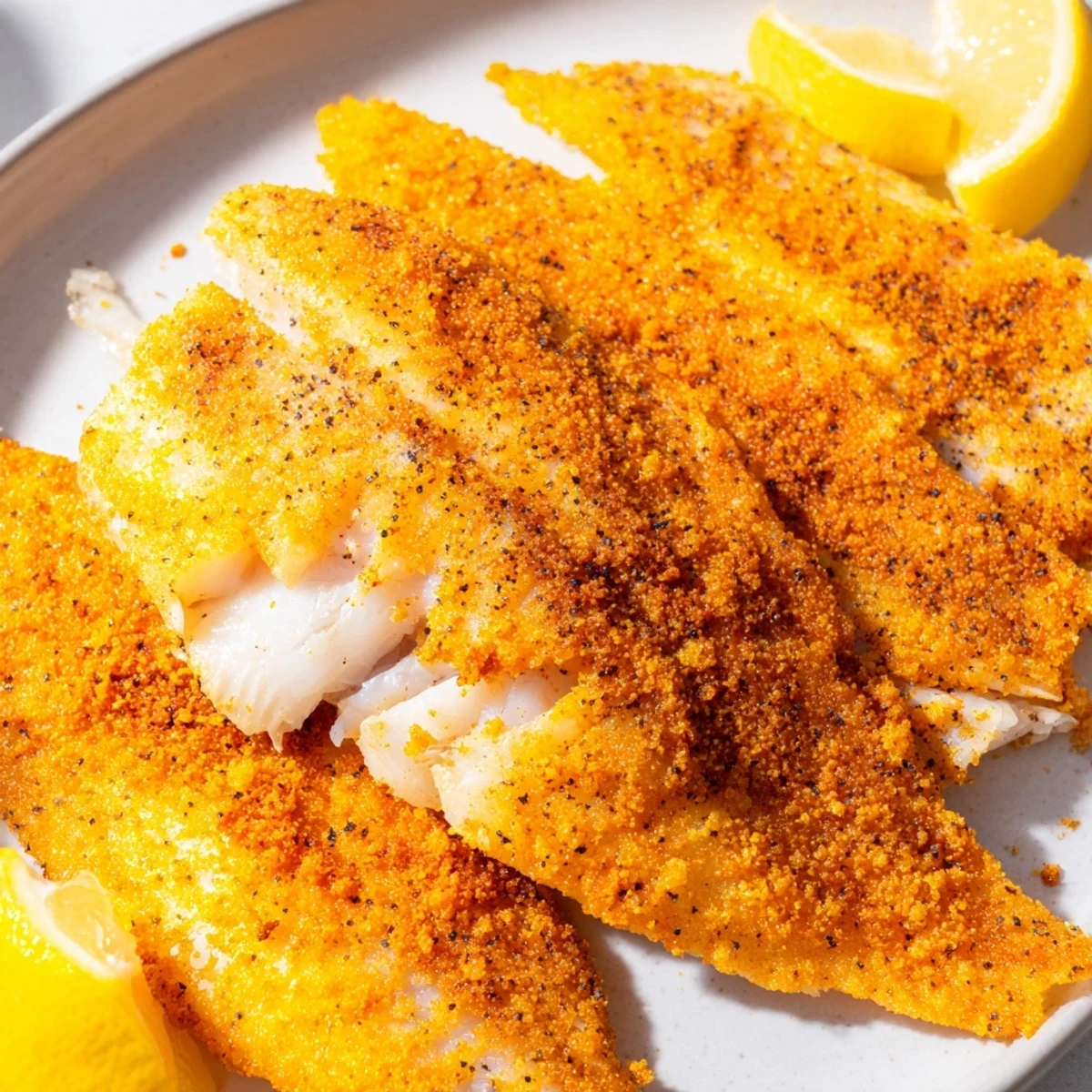
Save This pan-fried tilapia delivers perfectly golden, crispy fillets in just 20 minutes from start to finish. Tender fish is coated in a blend of paprika, garlic powder, and onion powder, then seared in olive oil or butter until beautifully crisp on the outside and flaky inside.
An optional cornmeal dredge adds extra crunch. Serve with fresh lemon wedges alongside steamed vegetables, a light salad, or rice for a complete gluten-free meal the whole family will enjoy.
The skillet was barely hot when I dropped in the first fillet and watched it sputter instead of sizzle, a mistake that taught me everything about patience and pan-frying fish. Tilapia is forgiving that way, it still tasted fine, but once I learned to wait for the oil to shimmer just right, the crust turned golden and the fish practically released itself from the pan. Now this is the dish I reach for when the fridge is bare and dinner needs to happen in under twenty minutes. Simple, honest, and endlessly satisfying.
One Tuesday evening my neighbor knocked on the door to return a borrowed casserole dish right as the paprika scented smoke was curling through the kitchen window. She ended up staying for dinner, squeezing lemon over her fillet at my tiny table, and now she asks about the fish every single time I see her. Some recipes just have that pull.
Ingredients
- 4 tilapia fillets (about 150g each): Pat them thoroughly dry with paper towels because moisture is the enemy of a good crust and wet fish steams rather than fries.
- Salt (1 tsp): Regular table salt or fine sea salt works best here since coarse salt will not dissolve evenly on the surface of the fish.
- Freshly ground black pepper (1/2 tsp): Always grind your own because pre-ground pepper tastes flat and dusty next to the real thing.
- Paprika (1/2 tsp): This gives the fillets that warm sunset color and a subtle sweetness that balances the savory notes beautifully.
- Garlic powder (1/4 tsp): A gentle background hum of garlic without the risk of burning that fresh minced garlic brings to a hot pan.
- Onion powder (1/4 tsp): It rounds out the seasoning blend with a quiet depth most people cannot quite identify but always appreciate.
- Cornmeal or gluten-free flour (1/4 cup, optional): This is your crispy wildcard and even a light dusting transforms the texture from good to crackling.
- Olive oil or unsalted butter (2 tbsp): Butter gives richer flavor but browns fast so a blend of both is my favorite compromise on nights I am paying attention.
- 1 lemon cut into wedges: A bright squeeze at the end wakes up every spice and makes the whole plate sing.
Instructions
- Mix the seasoning:
- Stir the salt, pepper, paprika, garlic powder, and onion powder together in a small bowl until evenly blended, taking a moment to notice how fragrant the paprika is on its own.
- Season the fillets:
- Sprinkle both sides of each fillet generously and press the spices gently into the flesh so they adhere rather than fall off in the pan.
- Optional coating:
- If you want that extra crunch, dredge the seasoned fillets lightly in cornmeal or gluten-free flour then shake off every last bit of excess because clumps turn gummy instead of crisp.
- Heat the pan:
- Warm the olive oil or butter in a large nonstick skillet over medium-high heat and wait until the surface shimmers and a tiny test pinch of cornmeal sizzles on contact.
- Cook the fish:
- Lay the fillets in carefully, working in batches if needed so they never touch, and let them sit undisturbed for three to four minutes until golden underneath and they release with a gentle nudge.
- Flip and finish:
- Turn them once with a fish spatula and cook another two to three minutes until the center is opaque and the thickest part flakes easily when you press lightly with a fork.
- Serve immediately:
- Transfer to warm plates right away and hand everyone a lemon wedge because this fish waits for no one and tastes best straight from the pan.
 Save
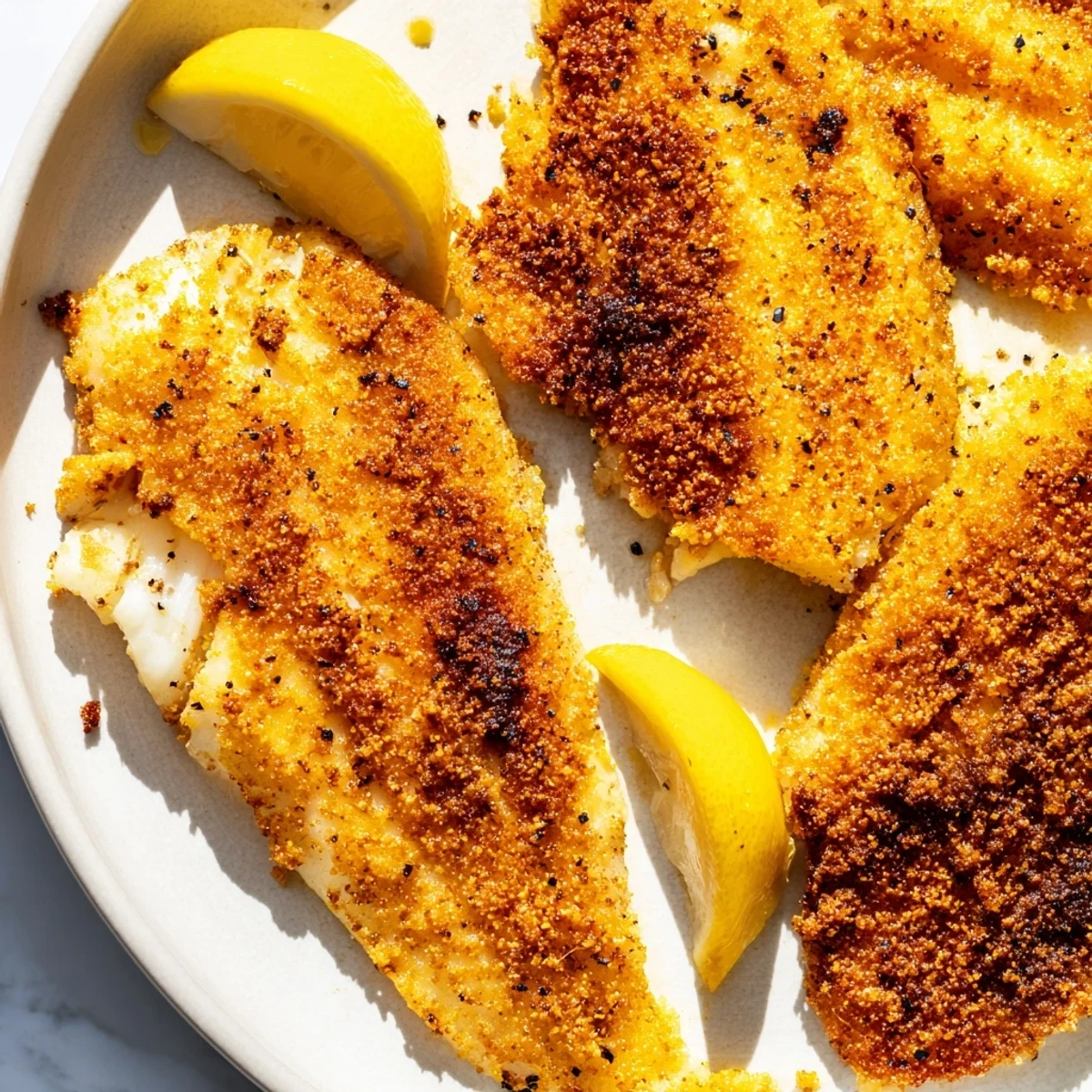
Save There is something quietly dramatic about lifting a perfectly golden fillet from a hot pan, the edges lacy and crisp, knowing that dinner is already done. On nights like that the kitchen feels less like a workplace and more like a small triumph.
What to Serve Alongside
I almost always pile steamed broccoli or a quick arugula salad next to the fish because the peppery greens cut through the richness of that buttery crust. A mound of white rice or roasted potatoes works too if you want something more filling, and honestly a hunk of crusty bread for soaking up the lemony pan juices is never a bad idea.
Fish That Can Stand In
Tilapia is easy to find and easy on the wallet but cod, catfish, or sole fillets slide right into this recipe with almost no adjustments. Just keep an eye on thickness because a thicker cod fillet might need an extra minute per side, while thin sole will cook faster than you expect.
Quick Variations to Try
Once you have the basic technique locked in, the seasoning blend becomes your playground and you can take it in a dozen directions depending on your mood.
- Stir a pinch of cayenne into the spice mix for a subtle heat that builds with every bite.
- Swap the lemon wedges for lime and add a teaspoon of cumin to push the whole dish toward something warmer and more Tex-Mex.
- Finish with chopped fresh parsley or cilantro right before serving because a shower of herbs makes everything taste like you tried harder than you actually did.
 Save
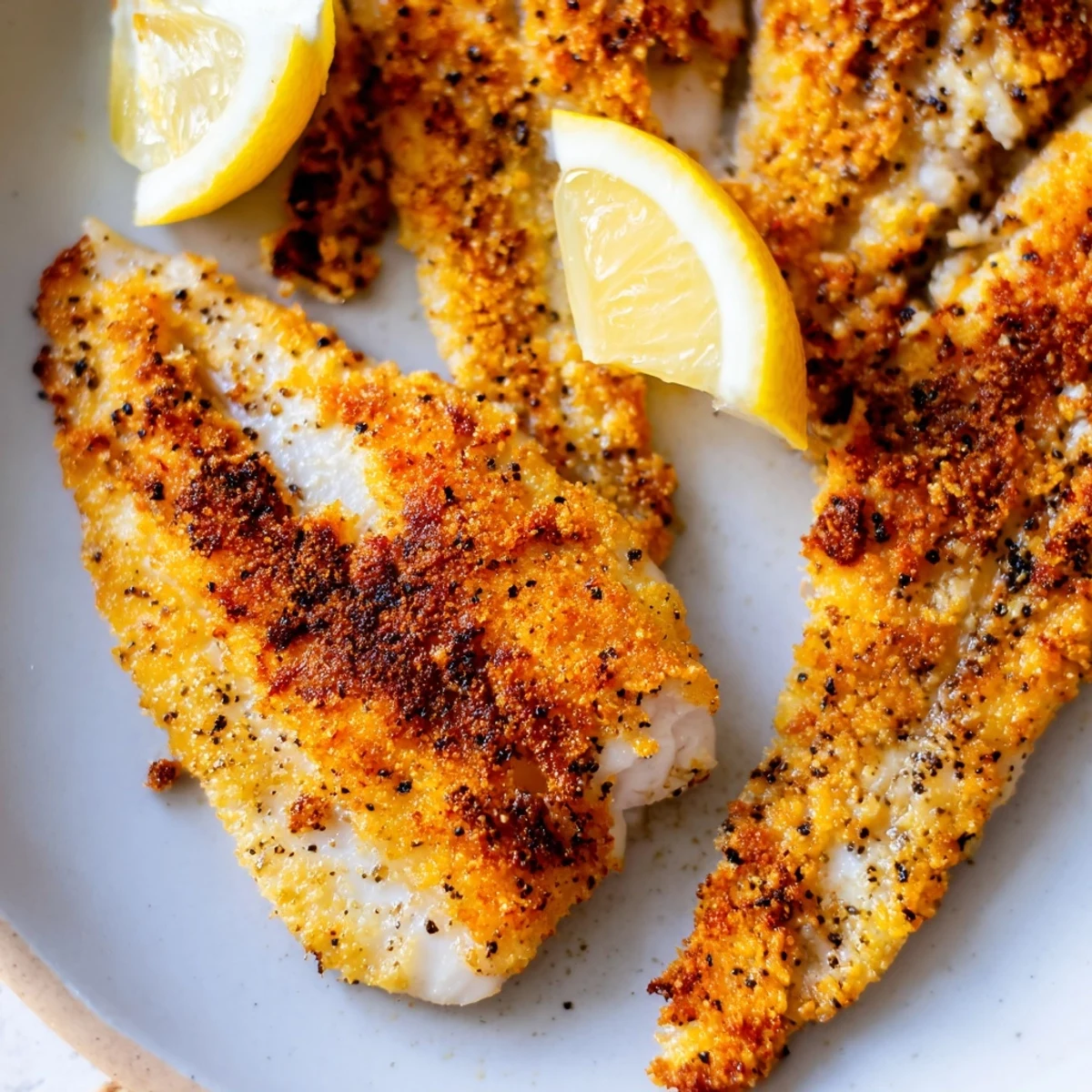
Save Keep this one in your back pocket for the nights when cooking feels like too much and you will be surprised how often it saves you. Golden, flaky, and on the table before anyone has time to complain about being hungry.
Recipe FAQs
- → How do I know when tilapia is fully cooked?
-
Tilapia is done when it turns opaque throughout and flakes easily with a fork. The internal temperature should reach 145°F (63°C). Typically, this takes about 3-4 minutes per side over medium-high heat.
- → Should I use oil or butter for pan-frying tilapia?
-
Both work well. Olive oil gives a cleaner flavor and higher smoke point, while butter adds richness and a golden crust. You can even use a combination of both for the best of both worlds.
- → Do I need to dredge tilapia in flour or cornmeal?
-
No, dredging is optional. The seasoning alone creates great flavor. However, a light cornmeal or gluten-free flour coating adds an extra crispy texture that many people prefer.
- → Can I use frozen tilapia fillets?
-
Yes, but thaw them completely first and pat them very dry with paper towels. Excess moisture prevents a crispy crust and can cause oil splattering during cooking.
- → What can I substitute for tilapia?
-
Cod, catfish, sole, or flounder all work as excellent substitutes. Adjust cooking time slightly depending on the thickness of the fillets you choose.
- → How do I prevent tilapia from sticking to the pan?
-
Make sure the fillets are patted completely dry, the oil is hot before adding fish, and don't try to move the fish too early. When the crust is properly formed, the fish will release naturally from the pan.