
 Save
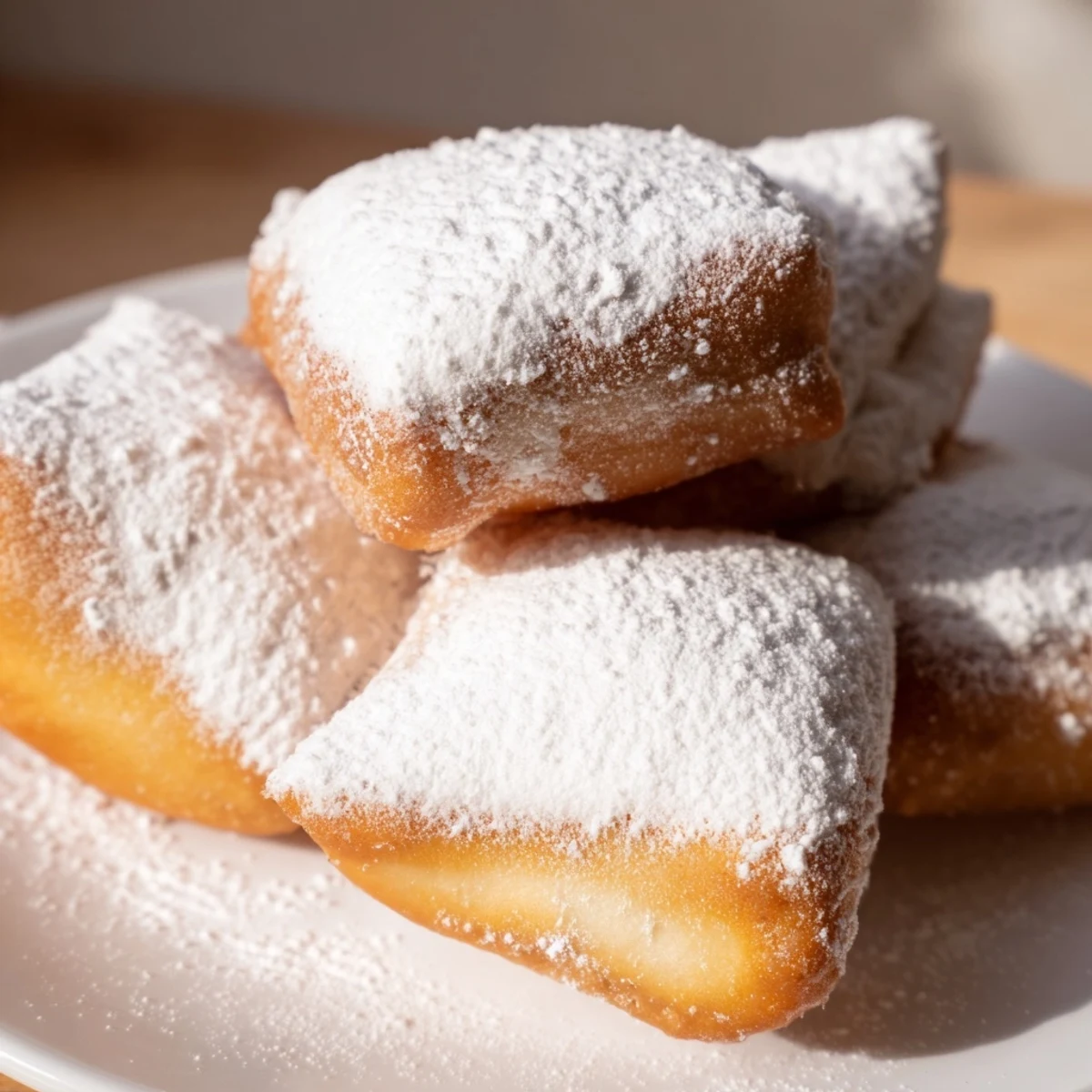
Save Discover how to create light, fluffy beignets featuring a soft dough that rises perfectly before frying. These golden fritters are generously dusted with powdered sugar, offering a sweet finish reminiscent of New Orleans’ French Quarter. The process involves yeast activation, careful kneading, and deep frying until puffed and golden. Serve warm for an authentic indulgence, perfect with café au lait or on their own.
The air in New Orleans has this particular way of holding onto scents—wet pavement, coffee brewing, and most intoxicating of all, the smell of frying dough and powdered sugar that hits you blocks before you even see the café. I found myself standing in line at Café du Monde at dawn, surrounded by night owls and early risers, watching clouds of sugar drift through the outdoor seating area like edible fog. That first bite, still hot enough to burn my tongue just slightly, with sugar coating my entire upper lip and sticking to my sweater, ruined me for any other fried dough forever.
My first attempt at making these at home ended in what I lovingly call the Great Sugar Explosion of 2018. I had the brilliant idea to use a sifter while the beignets were fresh out of the fryer, and a sudden cross breeze through my kitchen window sent a literal cloud of powdered sugar snowing down onto every surface—my counters, my dog, the laundry hanging nearby. Now I work in batches and accept that my kitchen will temporarily resemble a winter wonderland, because honestly, that is part of the charm.
Ingredients
- All purpose flour: The protein structure here creates that signature chewy yet tender interior we are chasing
- Warm whole milk: Activating your yeast in properly warmed liquid is the difference between dough that rises beautifully and dough that stubbornly refuses to budge
- Active dry yeast: One packet gives these fritters their impressive puff and those gorgeous air pockets inside
- Unsalted butter: Melted butter creates a tender crumb and adds subtle richness without competing with the sugar topping
- Vanilla extract: This secret ingredient rounds out the flavor profile beautifully and adds a fragrant warmth
- Vegetable oil: You need enough oil to submerge the beignets completely for that perfect golden brown crust
- Powdered sugar: Be generous here—we are aiming for thorough coverage, not a polite dusting
Instructions
- Wake up the yeast:
- Combine warm milk, sugar, and yeast in a small bowl, watching for that beautiful foam that tells you the yeast is alive and ready to work
- Build the dough:
- Whisk flour and salt in a large bowl before adding the yeast mixture along with egg, melted butter, and vanilla, mixing until everything comes together into a sticky, shaggy dough
- Work it smooth:
- Knead on a lightly floured surface for about 5 minutes until the dough transforms from tacky and rough to smooth and elastic
- Let it rise:
- Place in a greased bowl, cover, and let rise in a warm spot until doubled in size—this is where the magic happens
- Shape the squares:
- Roll dough to half inch thickness and cut into two and a half inch squares, using a sharp knife or pizza cutter for clean edges
- Get the oil ready:
- Heat oil to 350°F, because oil that is too cool will make greasy beignets and oil that is too hot will burn them before they cook through
- Fry to perfection:
- Cook 3 or 4 at a time for 2 to 3 minutes per side, watching them puff up dramatically and turn that perfect golden brown
- The crucial finish:
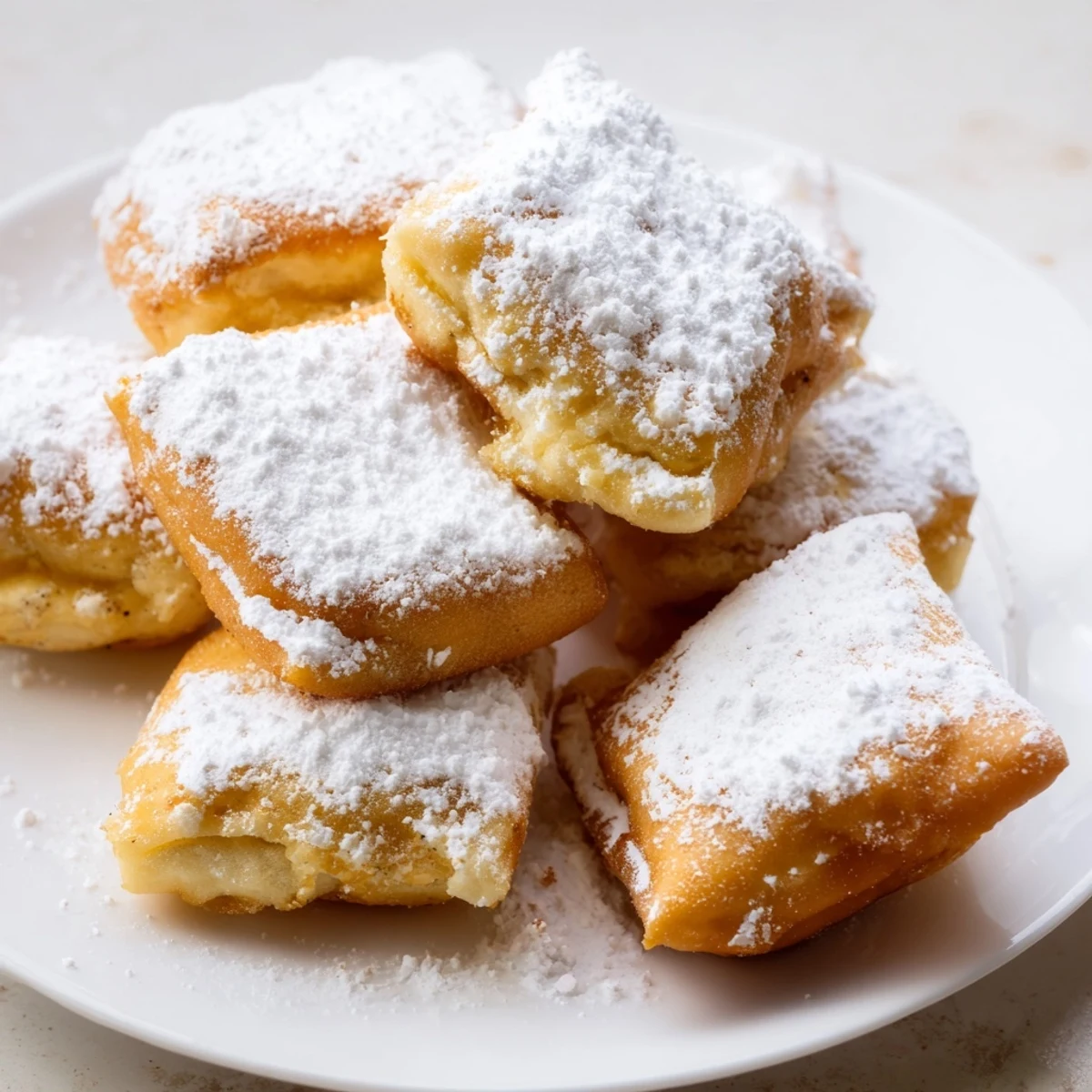
- Drain briefly on paper towels and immediately dust generously with powdered sugar while they are still warm so it sticks perfectly
 Save
Save My sister came over once during what she called my experimental phase, and I served these fresh from the fryer with café au lait I had practiced making for days. She took one bite, closed her eyes, and told me this was better than our trip to New Orleans, which I am pretty sure is the highest compliment she has ever given me in thirty years of knowing each other.
Mastering The Rise
I have learned that the most reliable rise happens in my oven with just the light on—no heat, just that gentle warmth from the bulb creates the perfect proofing environment. In colder months, I will even set a mug of boiling water beside the dough bowl to create a little steamy microclimate.
Oil Temperature Secrets
After too many batches that came out either raw inside or burnt outside, I finally invested in a simple kitchen thermometer. Keeping that oil steady at 350°F made all the difference between amateur attempts and the real deal—worth every penny of the fifteen dollars I spent.
Serving Like A Local
The authentic New Orleans experience means pairing these with café au lait, which is just equal parts strong coffee and hot milk. I have started serving them this way for brunch, and something about that combination feels like a tiny vacation to the French Quarter without leaving my kitchen.
- Warm your serving plates in a low oven for a few minutes to keep beignets hot longer
- Have your sugar ready in a shallow bowl for easier dipping and coating
- Make peace with the mess because powdered sugar gets absolutely everywhere and that is part of the fun
 Save
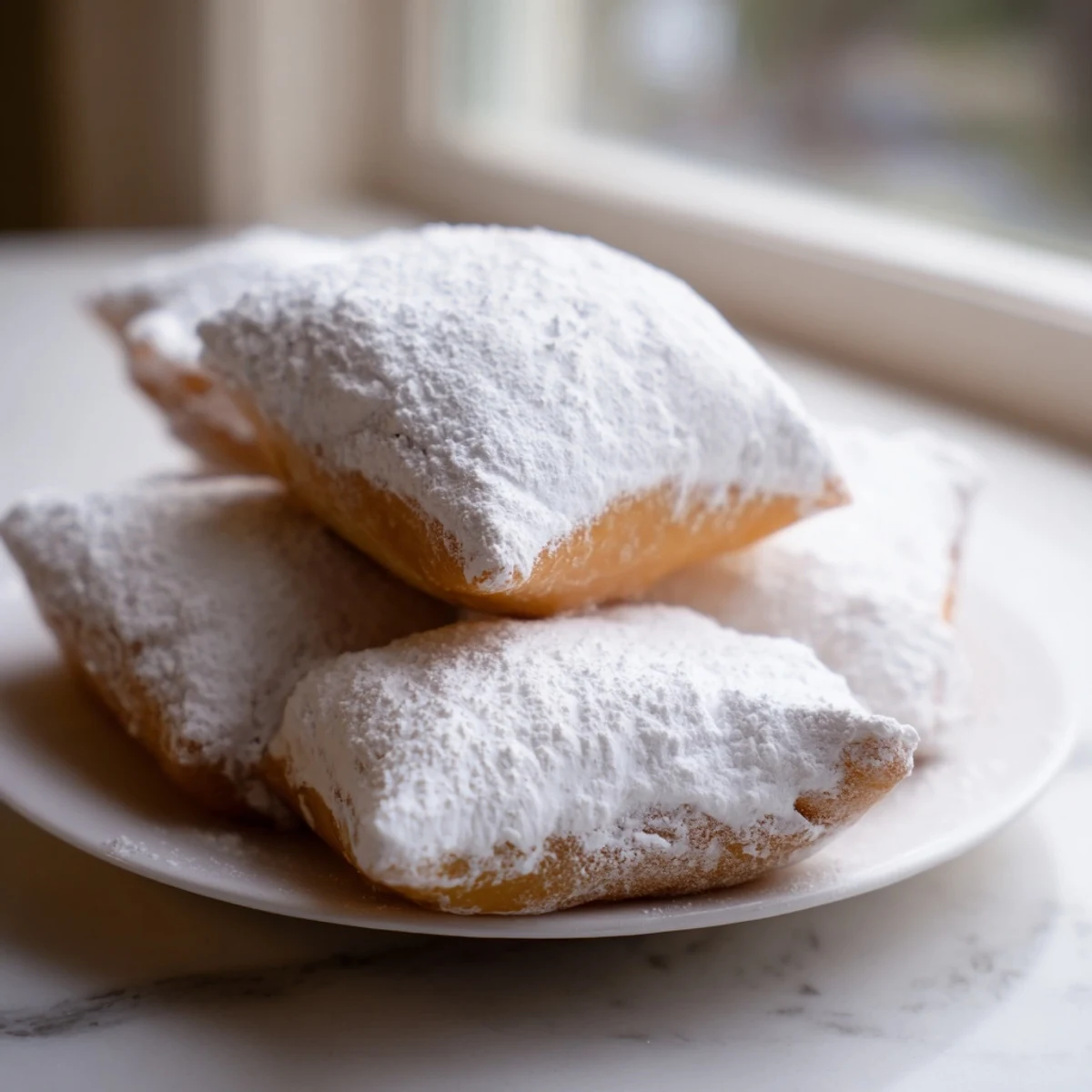
Save There is something profoundly satisfying about making these at home, about creating that moment of sugary perfection in your own kitchen. Share them warm with people you love, preferably while everyone is still in their pajamas.
Recipe FAQs
- → What makes the dough light and fluffy?
-
The combination of activated yeast, warm milk, and sufficient rising time helps create a soft, airy dough essential for the signature pillowy texture.
- → How do I know when the oil is at the right temperature?
-
Maintain the oil temperature around 350°F (175°C). You can test by dropping a small piece of dough; it should sizzle and rise quickly without burning.
- → Can I add extra flavors to the dough?
-
Yes, adding a pinch of nutmeg or cinnamon complements the sweetness and enhances the overall aroma of the beignets.
- → What is the best way to dust with powdered sugar?
-
Generously sift powdered sugar over the warm fritters immediately after frying to ensure it sticks well and adds a sweet finish.
- → How should leftover beignets be stored or reheated?
-
Store leftovers in an airtight container and reheat briefly in the oven to regain crispness and warmth before serving.