
 Save
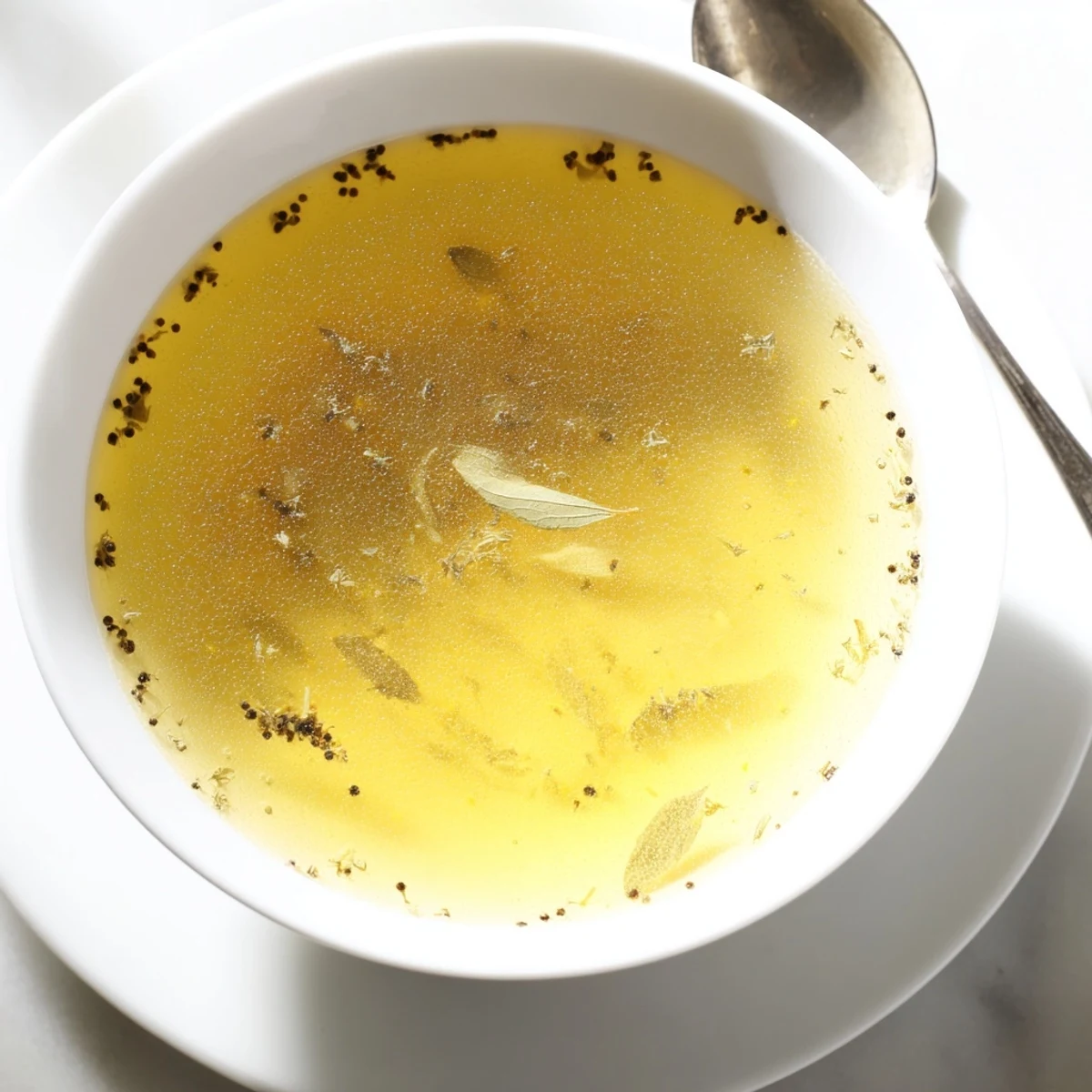
Save This broth is crafted by simmering a mix of leftover vegetable scraps, including carrot peels, onion ends, and herbs, in water for an hour. The process brings out a deep, natural flavor, ideal for enriching soups, sauces, and stews. After simmering, the liquid is strained to remove solids, resulting in a clear, fragrant stock. This sustainable method reduces waste while providing a wholesome base for many dishes. Adjust seasoning as needed and store refrigerated or frozen for convenience.
I started saving vegetable scraps in a freezer bag after watching my neighbor rinse carrot peels and toss them into her stockpot one rainy afternoon. She told me her grandmother never wasted a scrap, and now I understand why. That first batch of broth smelled so rich and alive, I couldn't believe I'd been buying store versions for years. Now my freezer always has a bag ready, and every pot feels like a small act of kitchen magic.
The first time I used this broth in a soup, my partner paused mid-bite and asked what I'd done differently. I smiled and told him it was just scraps and water, but really it was patience and heat coaxing out flavors I didn't know existed. That pot simmered while we folded laundry and argued about whose turn it was to take out the trash. By the time we sat down to eat, the kitchen smelled like comfort itself.
Ingredients
- Vegetable Scraps (4 to 5 cups assorted clean scraps): Carrot peels, onion skins, celery leaves, leek tops, mushroom stems, parsley stems, and garlic skins all work beautifully. Avoid anything bitter like broccoli stems or cabbage cores, and always rinse scraps well before freezing.
- Bay Leaves (2): They add a subtle earthiness that rounds out the broth without overpowering it.
- Black Peppercorns (1 teaspoon): Whole peppercorns give a gentle warmth and complexity that ground pepper can't match.
- Fresh Thyme (2 to 3 sprigs or 1 teaspoon dried): Thyme brings a woodsy, herbal note that makes the broth feel intentional and layered.
- Salt (1/2 teaspoon, optional): I usually add just a pinch during simmering and adjust at the end, especially if I'm using the broth in something already seasoned.
- Cold Water (10 cups): Starting with cold water helps extract more flavor from the scraps as they heat up slowly.
Instructions
- Load the Pot:
- Place all your vegetable scraps into a large stockpot, letting them pile up loosely. Add the bay leaves, peppercorns, thyme, and a small pinch of salt if you like.
- Cover with Water:
- Pour in the cold water until the scraps are fully submerged, then give everything a gentle stir. You want the water level high enough to float the scraps but not so full it boils over later.
- Bring to a Boil:
- Set the pot over high heat and watch for the first bubbles to break the surface. Once it reaches a rolling boil, reduce the heat immediately to low.
- Simmer Gently:
- Let the broth simmer uncovered for about an hour, stirring occasionally and skimming off any foam that rises. The slower and steadier the simmer, the clearer and more flavorful the broth becomes.
- Cool and Strain:
- Remove the pot from the heat and let it cool for a few minutes so it's safe to handle. Strain the broth through a fine-mesh sieve or cheesecloth into a large bowl, pressing gently on the solids to extract every drop.
- Taste and Store:
- Taste the broth and add more salt if needed, then let it cool completely before refrigerating or freezing. I like to freeze mine in 2-cup portions so I always have just the right amount on hand.
 Save
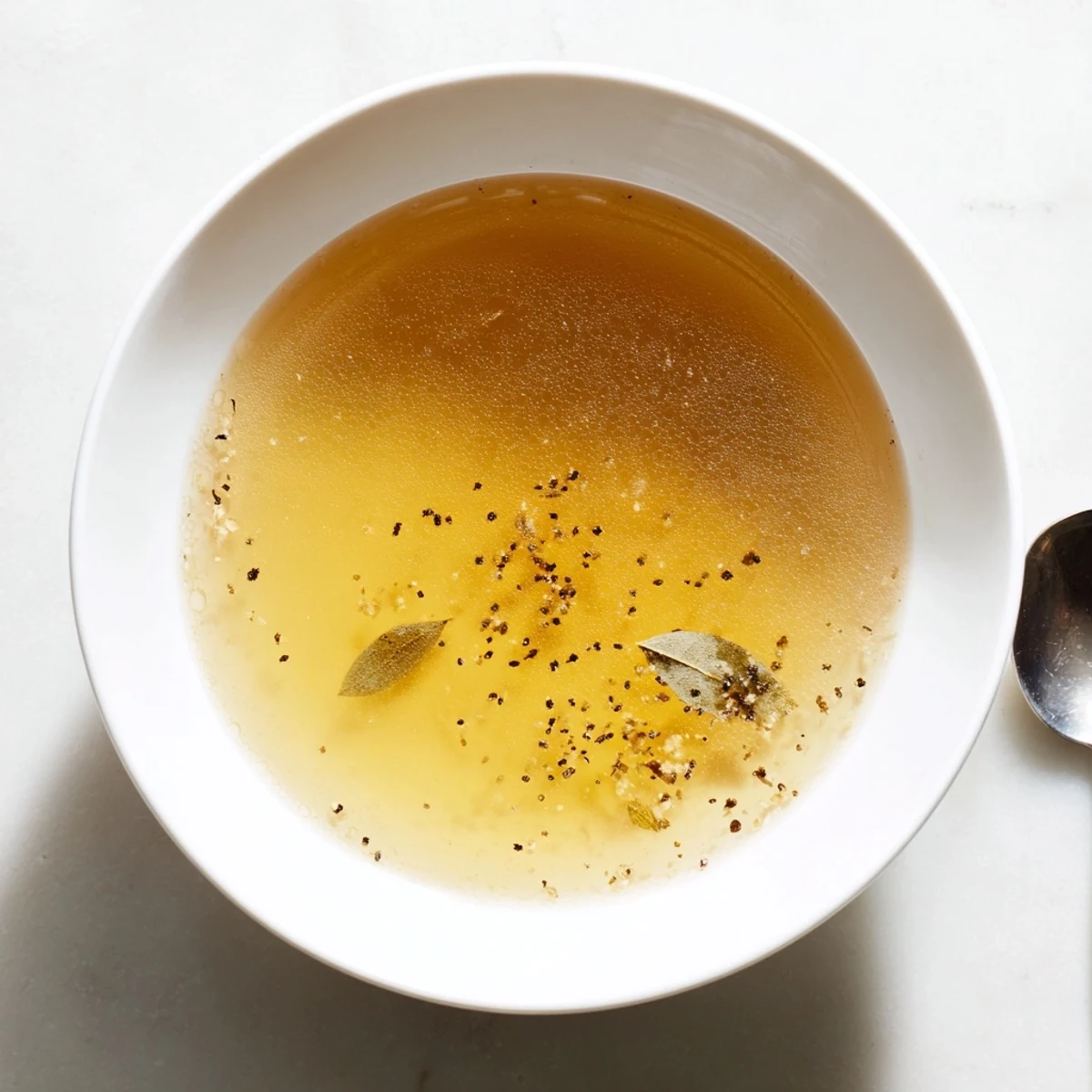
Save I remember spooning this broth into a mug one winter evening when I felt a cold coming on. It wasn't fancy or complicated, just warm and golden and exactly what I needed. My daughter wandered into the kitchen, took a sip from my mug, and said it tasted like home, which made me realize that's exactly what good broth is supposed to be.
How to Save and Freeze Scraps
I keep a gallon-sized freezer bag in my freezer and toss in clean scraps as I cook throughout the week. Once the bag is full, I know it's broth day. Carrot tops, onion peels, celery leaves, mushroom stems, and herb stems all go straight in, and by the time the bag is stuffed, I've got enough for a rich, flavorful pot.
Boosting Flavor with Extras
Sometimes I'll throw in a piece of kombu or a handful of dried mushrooms to add umami depth, especially if I'm making the broth for ramen or risotto. A splash of white wine or a squeeze of lemon at the end brightens everything up. These little additions don't cost much, but they make the broth taste like you've been simmering it all day in a French kitchen.
Storing and Using Your Broth
Broth keeps in the fridge for up to five days, but I usually freeze most of it in jars or silicone muffin tins for easy portioning. Once frozen, I pop the broth cubes into a bag and grab however many I need for a recipe. It's perfect for deglazing pans, cooking grains, thinning sauces, or starting soups from scratch.
- Label your containers with the date so you remember when you made it.
- Leave headspace in jars before freezing to prevent cracking.
- Thaw overnight in the fridge or gently reheat from frozen on the stovetop.
 Save
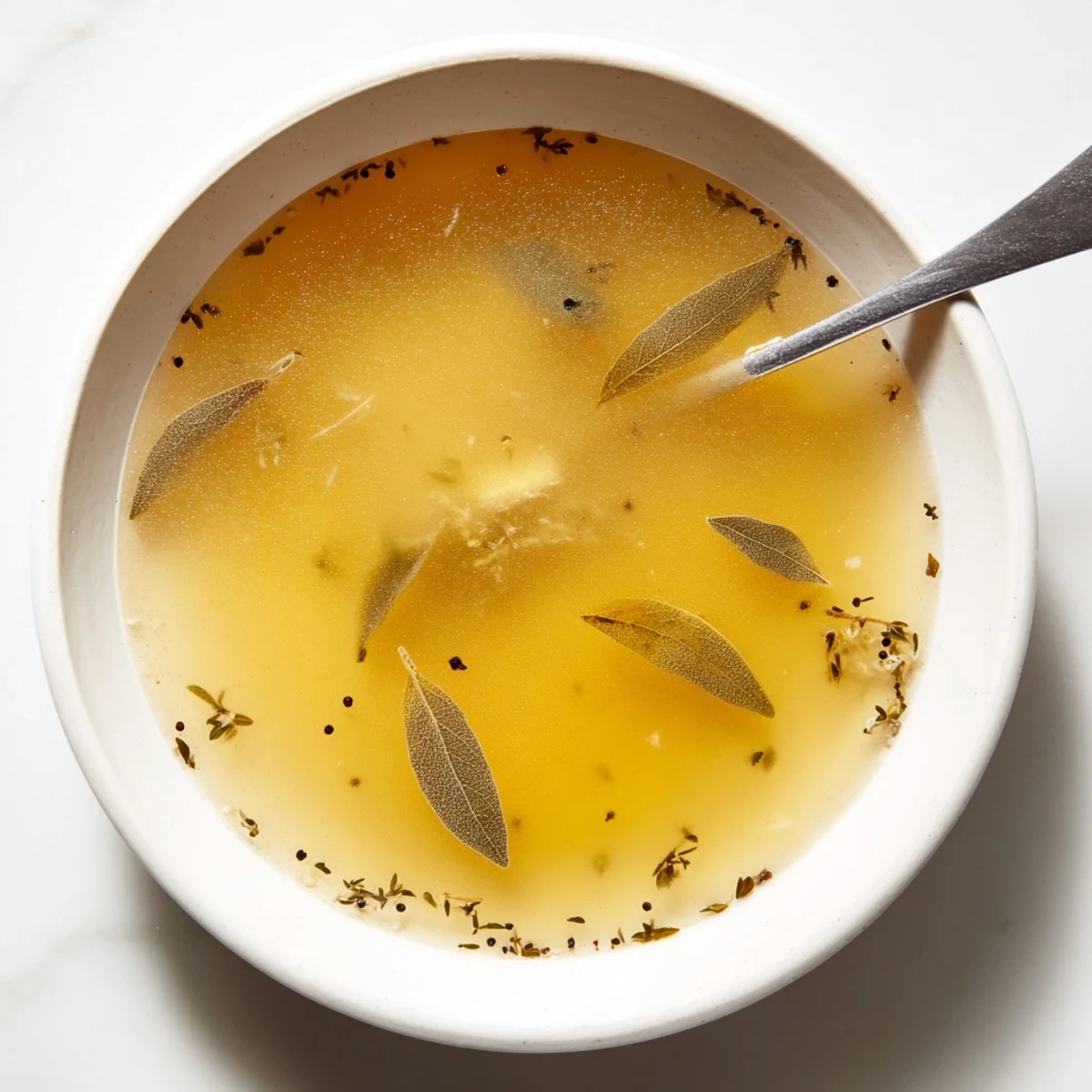
Save Making broth from scraps feels like a quiet rebellion against waste, and every time I do it, I feel a little more connected to the food I cook. It's simple, forgiving, and somehow always turns out just right.
Recipe FAQs
- → What vegetable scraps work best for this broth?
-
Use a variety of aromatic scraps like carrot peels, onion skins, celery leaves, mushroom stems, and parsley stems for rich flavor.
- → Can I include all vegetable scraps?
-
Avoid bitter vegetables like broccoli or cabbage, as they can impart an unpleasant taste to the broth.
- → How long should the broth simmer?
-
Simmer uncovered for about 1 hour to extract full flavor without bitterness.
- → How should I store the broth after cooking?
-
Cool and refrigerate the broth for up to 5 days or freeze in portions for up to 3 months.
- → Can I boost the umami flavor in this broth?
-
Add dried mushrooms or a piece of kombu during simmering to deepen the umami notes.
- → Is this broth suitable for special diets?
-
Yes, it is vegan, gluten-free, and low in fat, making it suitable for many dietary preferences.