
 Save
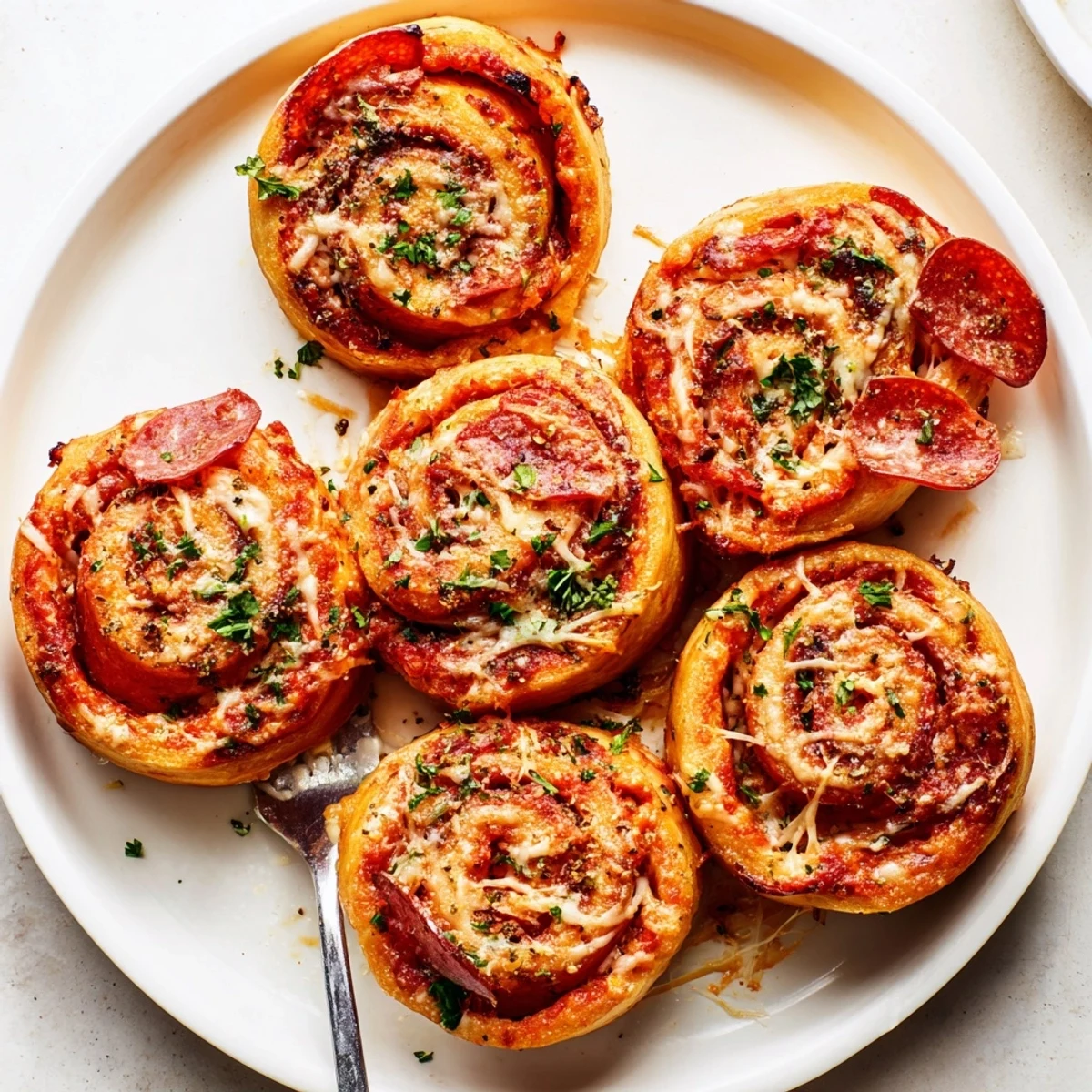
Save Activate yeast in warm water, then mix with flour, oil and salt to form a smooth, elastic dough. Let it rise until doubled, roll into a rectangle and spread tomato sauce, shredded mozzarella, Parmesan and herbs; add pepperoni if desired. Roll tightly, slice into 12 pieces and bake at 400°F until golden and bubbly. Brush with garlic butter and serve warm—ideal for make-ahead, freezing, or swapping fillings for a vegetarian option.
The first time I tried homemade pizza rolls, it was an impromptu game night snack—I was determined to make something fun out of pantry basics. The yeasty scent of the dough rising sent my dog into a hopeful tail-wagging trance by the warm oven. The buzzer went off just as friends arrived, so we pulled these gooey, cheesy spirals right from the baking sheet and had them devoured before the first card was played. There was something utterly satisfying about that devouring silence between laughter and the next game.
One Saturday, my little niece begged to help, so her tiny hands did most of the cheese sprinkling—half on the dough, half in her mouth. She proudly arranged the rolls on the baking tray, then peeked into the oven every five minutes to watch the cheese bubble. The kitchen felt lively and wonderfully messy by the time we sat down to tear into them together. Her delighted grin (and saucy fingers) are the real reason we keep making these as a family project.
Ingredients
- Active dry yeast: Gives the dough its signature rise and soft texture, but I always check that the packet is fresh for the best puff.
- Warm water: The trick is to aim for bathtub-warm—if the water is too hot it can hurt the yeast, too cold and nothing happens.
- All-purpose flour: Go slowly adding this; sometimes my dough only needs a little more or less depending on the weather or even how distracted I get.
- Olive oil: I like the fruity kind for tenderness and a hint of flavor, and sometimes I brush extra on the dough before rolling.
- Sugar: Just a little for the yeast to snack on so the dough gets fluffy.
- Salt: Brings the flavors together, but Ive learned not to overdo it because the cheese adds its own saltiness.
- Pizza sauce: Any store-bought or homemade works, though I drain off any watery part to avoid soggy rolls.
- Shredded mozzarella cheese: Always buy the block and shred yourself if you can—the melt is so much better.
- Pepperoni: Optional but classic; I sometimes use plant-based slices to please vegetarians at the table.
- Grated Parmesan cheese: Adds that nutty, salty lift—avoid the shaker bottle type if possible.
- Dried Italian herbs: A sprinkle goes a long way with richness and aroma, I like to crush them a bit between my fingers for more flavor.
- Melted butter: Glosses up the rolls and softens the crust, never skip this if you want bakery vibes.
- Minced garlic: Not required, but if youre a garlic fan it makes the finish downright addictive.
- Chopped fresh parsley: Totally optional, but a fresh pop of color never hurt anyone.
Instructions
- Awaken the yeast:
- Combine the warm water, yeast, and sugar in your biggest bowl and listen for a subtle fizzing—if you hear it, you know the yeasts alive and ready.
- Bring the dough together:
- Stir in the flour, salt, and olive oil until a shaggy mass forms, then dig in with your hands—its messy but satisfying.
- Knead it smooth:
- Turn out the dough onto a lightly floured surface, kneading gently for 6 to 8 minutes until its as soft as an earlobe.
- Let it rise:
- Slip the dough into a greased bowl, cover, and cozy it in the warmest corner of your kitchen; I sometimes use the oven with just the light on for extra warmth.
- Prep and preheat:
- Line your baking sheet and set your oven to 400F—this way, theres no frantic scrambling once the dough is ready.
- Shape the canvas:
- Punch down the dough (very satisfying) and roll it out to about 12x16 inches, trying not to stretch too thin in spots.
- Dress the dough:
- Spread sauce up to the edges, scatter mozzarella, Parmesan, Italian herbs, and dot with pepperoni or whatever else youre adding—save a couple of pepperoni slices for snacking while you work.
- Roll and seal:
- Starting on the long side, roll tightly like a jelly roll and pinch the seam underneath; dont rush or the filling will squish out.
- Slice & arrange:
- Use a sharp knife or bench scraper and cut into 12 neat spirals; arrange with a little space between each for rising and melting.
- Bake to golden perfection:
- Slide the tray in and let the kitchen fill with that glorious cheesy-bread smell for 18 to 22 minutes until the tops are golden and the cheese is bubbling through.
- Finish with butter & herbs:
- Stir the minced garlic into the melted butter, then lavishly brush each roll as they come out of the oven; finish with parsley if you like a fresh look.
- Serve up:
- Let them cool just a minute or two so you dont burn your fingertips, then devour straight away—maybe with extra marinara or ranch on the side.
 Save
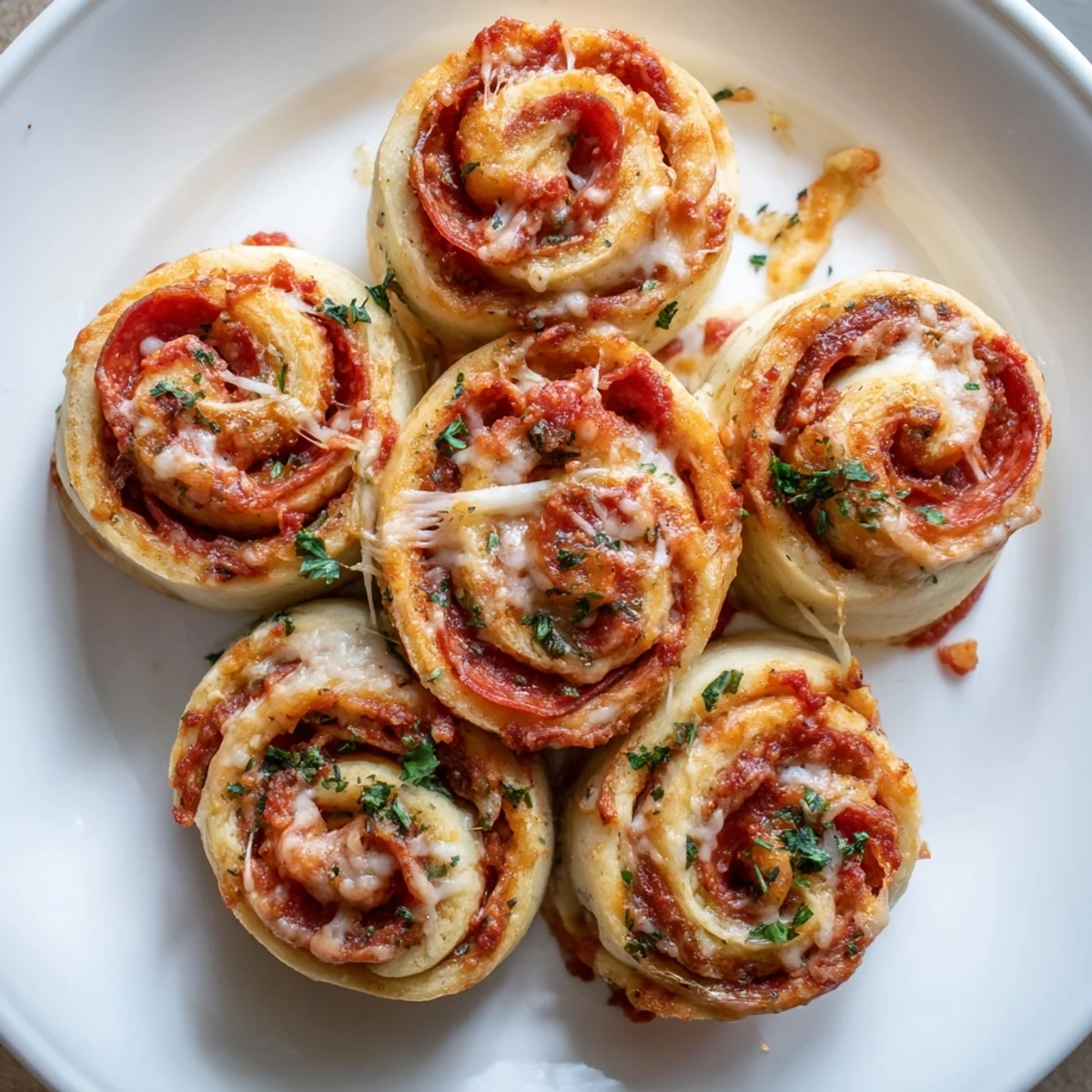
Save There was a night my roommate and I made these after a long, draining day—no fancy plans, just a spontaneous kitchen distraction. By the time we sat with fluffy, warm rolls and glasses of red wine, the whole mood had changed entirely, and food felt like the easiest way to hit reset. When your day needs a lift, a tray of these on the table incites immediate happiness. Sometimes, that's all you need.
Personalized Flavors are Half the Fun
Once I realized how forgiving pizza rolls are, I started sneaking roasted veggies, olives, or even crumbled feta into the filling mix. If you like a spicy kick, toss in red pepper flakes or a chili oil drizzle before rolling up. You can absolutely make two types in one batch—half with pepperoni for some, half veggie-loaded for the rest. The kitchen becomes a choose-your-own adventure every time.
Making Ahead and Storing
Ive had great luck prepping the filled, sliced rolls and covering them on the baking sheet in the fridge overnight—just let them come up to room temp as the oven preheats before baking. Leftovers reheat surprisingly well in a hot oven for 5 minutes or so—way better than the microwave, which turns them chewy. You can even freeze baked rolls; wrap them tightly, then warm directly from frozen for a lazy-day treat. Theres always excitement when I unearth a stash from the freezer weeks later.
Troubleshooting Your Dough
Sometimes the dough just doesn't act the same every time—humidity, room temp, or even how distracted you were by that podcast all play a part. If it feels sluggish, give it longer to rise or find a warmer spot. Overflouring is the enemy of pillowy rolls, so start light and add more only as needed to avoid tough results.
- If your dough is sticky but holds its shape, thats perfect.
- Try to keep your fillings light so the rolls hold together after slicing.
- Give freshly baked rolls a minute to set before grabbing—theyll be easier to handle and wont burn your fingers.
 Save
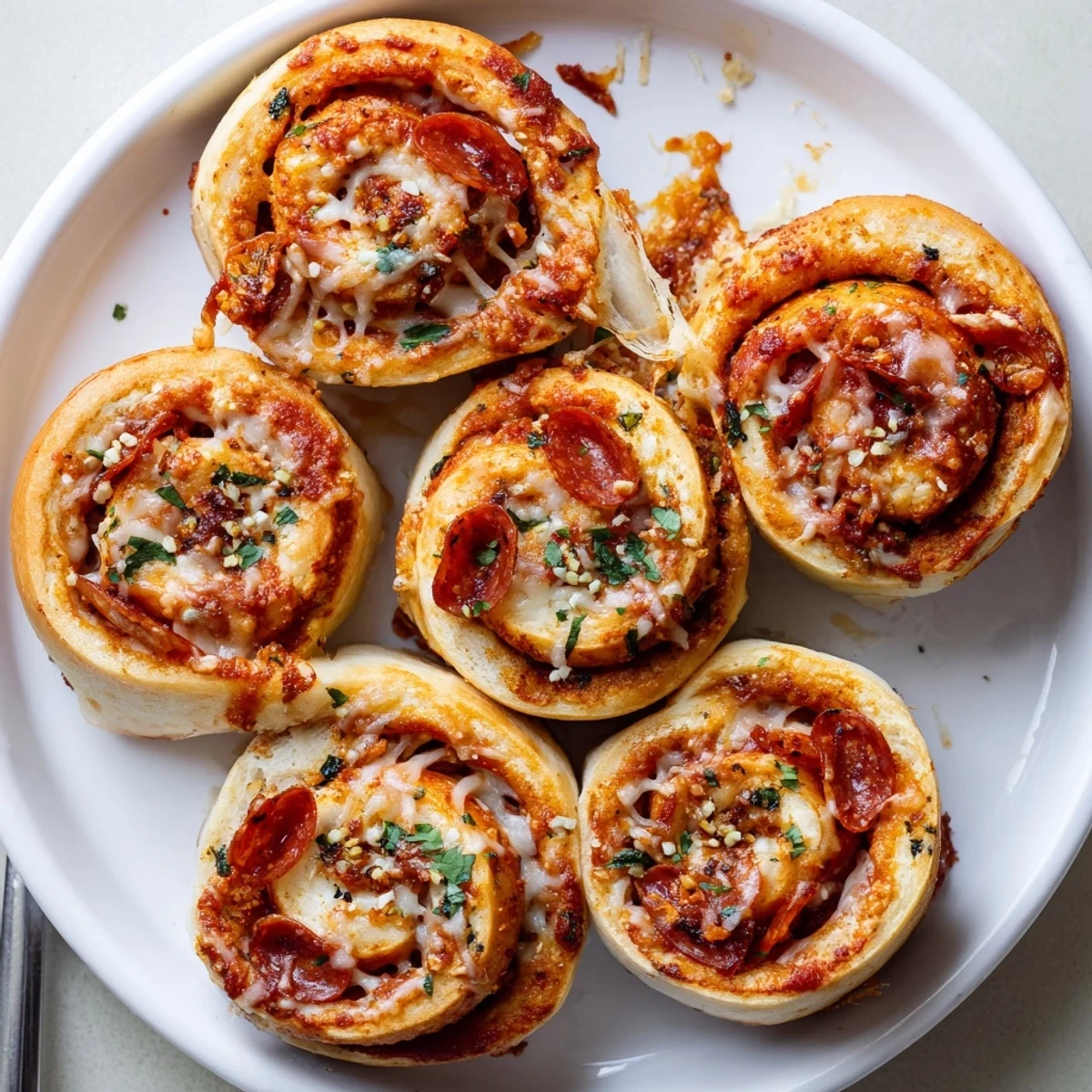
Save Nothing beats the look of surprise when you pull a tray of bubbling homemade pizza rolls from the oven. Whether shared with friends or stashed for yourself, this recipe always leaves smiles and just a hint of flour on your shirt.
Recipe FAQs
- → How do I keep the rolls soft and tender?
-
Use warm water to properly activate the yeast, avoid adding too much flour while kneading, and brush melted butter over hot rolls after baking. Don’t overbake; remove when golden and cheese is bubbling to preserve a tender crumb.
- → Can I make these without pepperoni?
-
Yes. Omit pepperoni for a vegetarian version or swap in plant-based slices. Add sautéed vegetables like bell peppers, mushrooms or olives—pre-cook high-moisture veg to prevent soggy filling.
- → Is it possible to freeze the rolls?
-
Freeze unbaked rolls after slicing by arranging them on a tray until firm, then transfer to a bag. Bake from frozen, adding a few extra minutes. You can also freeze fully baked rolls and reheat in the oven until warmed through and crisped.
- → How should I reheat leftovers for best texture?
-
Reheat in a 350°F oven covered for 10–12 minutes, then uncover for a few minutes to restore a golden exterior. Microwaving is faster but will soften the crust and reduce crispness.
- → What indicates the rolls are fully baked?
-
Look for a deep golden-brown exterior and bubbling cheese at the seams. The edges should be set and slightly crisp; an instant-read thermometer inserted into the center should read around 190°F for a fully baked interior.
- → Can I use whole wheat flour for the dough?
-
Yes—substitute up to half the all-purpose flour with whole wheat and increase the water slightly. Knead longer to develop gluten; expect a slightly denser crumb and nuttier flavor.