
 Save
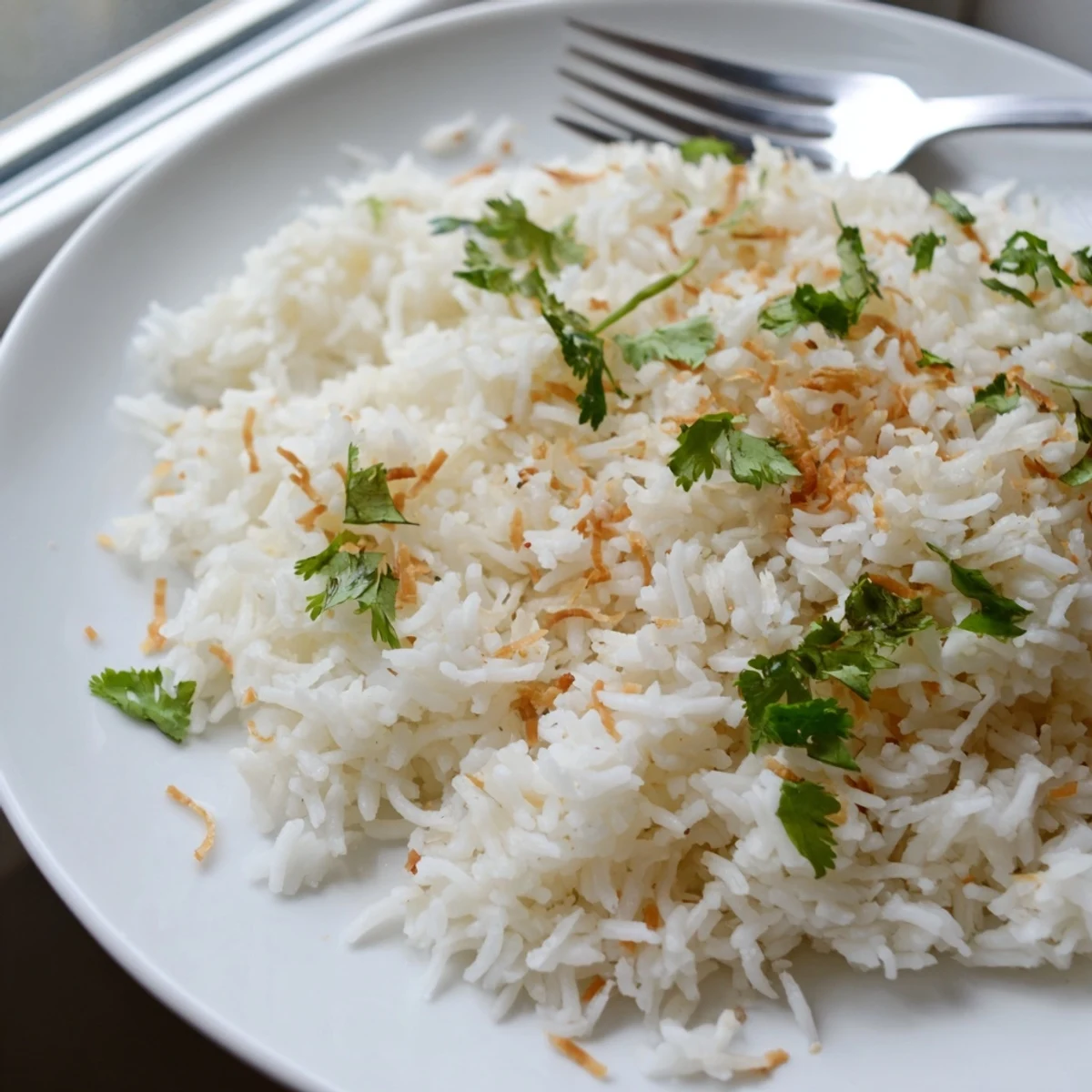
Save This fragrant coconut rice transforms simple jasmine grains into a creamy, aromatic side dish by simmering them in rich coconut milk. Ready in just 25 minutes, it's an effortless accompaniment that elevates any Southeast Asian meal.
The natural sweetness of coconut milk infuses each grain, while a quick rinse beforehand ensures perfectly fluffy results every time.
Serve alongside Thai curries, spicy grilled chicken, or stir-fried vegetables for a comforting, flavor-packed addition to your table.
The smell of coconut milk hitting a hot pan is one of those scents that instantly pulls me somewhere tropical, even if Im just standing in my tiny kitchen on a rainy Tuesday. A Thai neighbor taught me this trick years ago when she brought over a container of her coconut rice alongside a fiery green curry. I had been making plain rice my whole life and felt genuinely embarrassed that such a small change could yield something so much better. Now it is the only way I cook rice when anything remotely Asian inspired is on the menu.
My friend Maria once declared this rice was better than the main dish I served it with, and honestly she was right. I had made a passable stir fry but the rice stole the entire evening, and she asked for the recipe before she even finished eating.
Ingredients
- Jasmine rice (1 cup): Long grain varieties like jasmine or basmati give you distinct, fluffy grains that do not clump together into paste.
- Full fat coconut milk (1 cup): Do not reach for the light version because the fat is what coats each grain and creates that luxurious texture.
- Water (1 cup): Coconut milk alone is too rich and thick, so water balances it out and lets the rice cook evenly.
- Salt (1/2 tsp): Just enough to wake up the natural sweetness of the coconut without making it taste salty.
- Sugar (1 tsp, optional): A small pinch rounds out the flavor and makes the coconut taste more like itself.
- Toasted coconut and cilantro (for garnish): Totally optional but they add crunch and freshness that take it from side dish to centerpiece.
Instructions
- Wash the rice well:
- Run cold water over the rice in a fine mesh strainer, swirling it with your fingers, until the water turns from cloudy to mostly clear. This removes excess starch and is the single biggest reason your rice will be fluffy instead of gummy.
- Combine everything in the pot:
- Dump the rinsed rice into a medium saucepan and pour in the coconut milk, water, salt, and sugar. Give it a gentle stir so nothing settles at the bottom.
- Simmer low and slow:
- Bring it to a gentle bubble over medium heat, then immediately drop the heat to low and clamp on the lid. Let it do its thing for 15 to 18 minutes without lifting the lid, because every peek lets steam escape and steals moisture the rice needs.
- Let it rest off the heat:
- Take the pot off the burner and leave the lid on for 5 full minutes while the grains finish absorbing any remaining liquid and firm up beautifully. Fluff gently with a fork and serve.
- Finish with flair if you want:
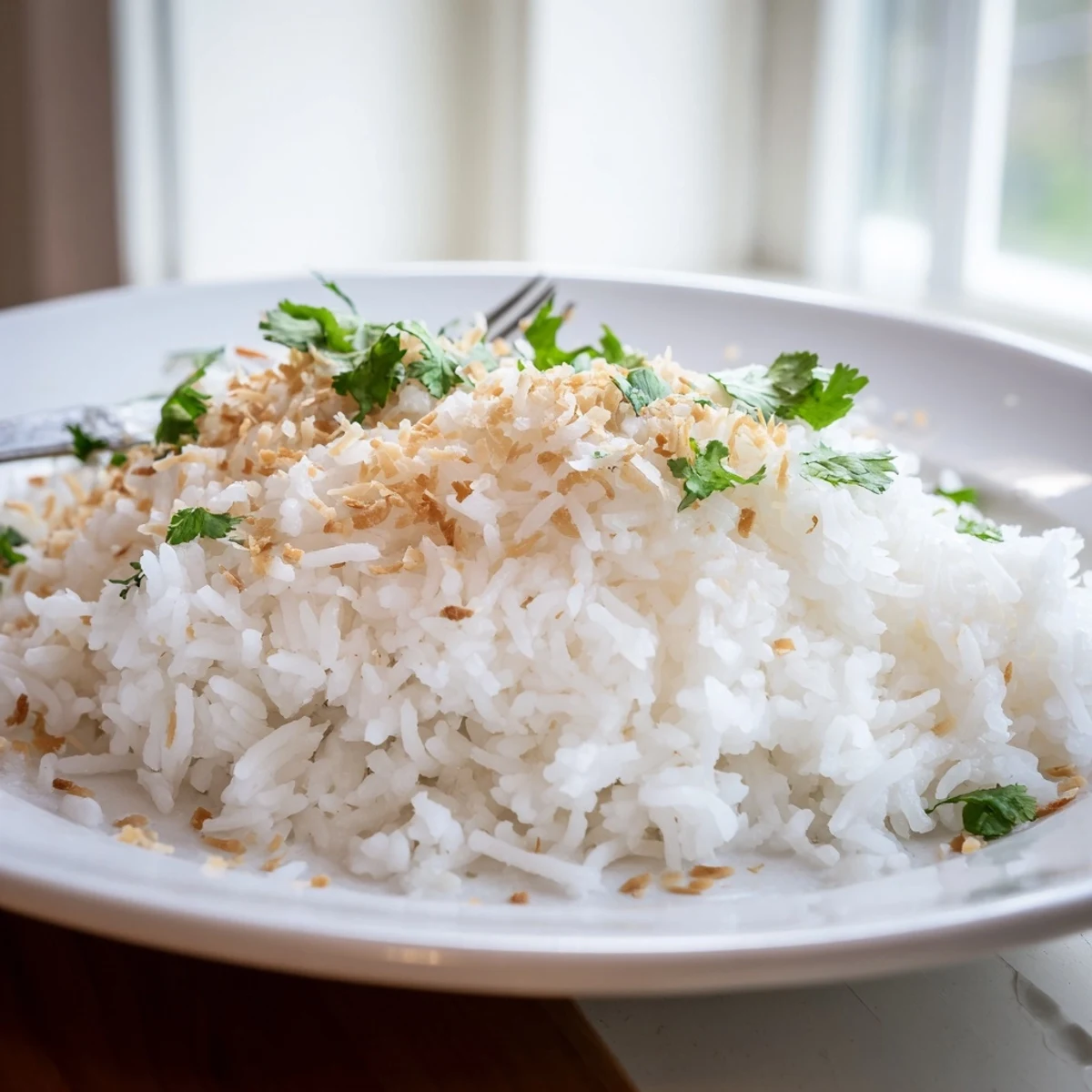
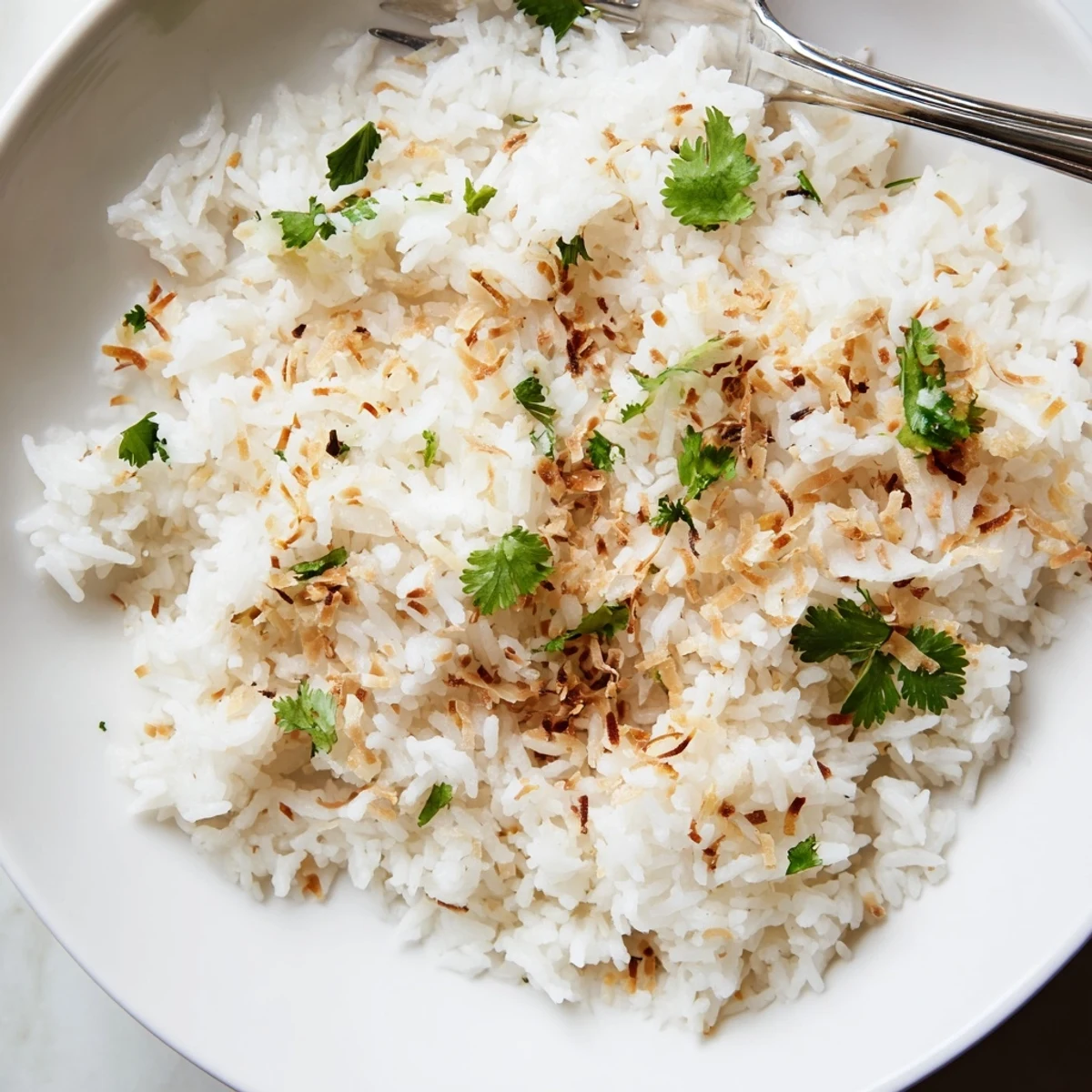
- Scatter toasted coconut and fresh cilantro over the top right before bringing it to the table for a little visual drama and an extra layer of flavor.
 Save
Save The first time I brought this to a potluck, three different people stood in the kitchen eating it plain with forks before dinner even started. That moment taught me that coconut rice is never just a side dish, it is the dish people remember.
Making It Your Own
Toss a bruised stalk of lemongrass or a couple of torn kaffir lime leaves into the pot before simmering if you want the kitchen to smell like a street food stall in Bangkok. Pull them out before serving and nobody will know your secret but they will definitely ask what makes it taste so complex.
Pairings That Work Hard
This rice is a natural match for anything with heat because the creamy coconut tames spice and cools your palate between bites. Serve it alongside a sharp Thai curry, grilled chicken with chili glaze, or even a simple fried egg with sriracha for a lazy weeknight dinner that feels far from lazy.
If You Want to Use Brown Rice
Brown rice works fine but it demands more liquid, roughly an extra half cup, and about 40 minutes of cooking time instead of 18. The nutty flavor is wonderful with coconut but the texture is heartier, so pick the version that matches your mood.
- Soak brown rice in water for 30 minutes before cooking to jumpstart the process and soften the bran layer.
- Taste test at the 35 minute mark rather than relying strictly on the timer.
- Remember that leftover coconut rice reheats beautifully with a tiny splash of water in the microwave.
 Save
Save Coconut rice is proof that the simplest recipes often leave the deepest impression, and it will quietly become the most requested thing you cook. Keep a spare can of coconut milk in your pantry and you will always be ready.
Recipe FAQs
- → What type of rice works best for coconut rice?
-
Jasmine rice is the top choice for its fragrant aroma and slightly sticky texture that absorbs coconut milk beautifully. Basmati rice also works well if you prefer a fluffier, more separated grain.
- → Can I use light coconut milk instead of full-fat?
-
Full-fat coconut milk delivers the richest, creamiest results. Light coconut milk can be used, but the rice will be less flavorful and slightly drier. You may want to reduce the water slightly to compensate.
- → Why is my coconut rice sticky or mushy?
-
Mushy rice usually means it was cooked too long or with too much liquid. Always rinse the rice until the water runs clear to remove excess starch, and stick to the recommended 15-18 minute simmer time.
- → How should I store leftover coconut rice?
-
Let the rice cool completely, then transfer to an airtight container and refrigerate for up to 4 days. Reheat gently in the microwave with a splash of water or in a steamer to restore its fluffy texture.
- → What dishes pair well with coconut rice?
-
Coconut rice complements Thai green and red curries, spicy grilled chicken, teriyaki salmon, stir-fried vegetables, and Indonesian rendang. Its subtle sweetness balances spicy and savory flavors perfectly.
- → Can I add extra aromatics while cooking?
-
Absolutely. A smashed lemongrass stalk, a few kaffir lime leaves, or a piece of fresh ginger added to the pot while simmering will infuse the rice with wonderful additional layers of aroma and flavor.