
 Save
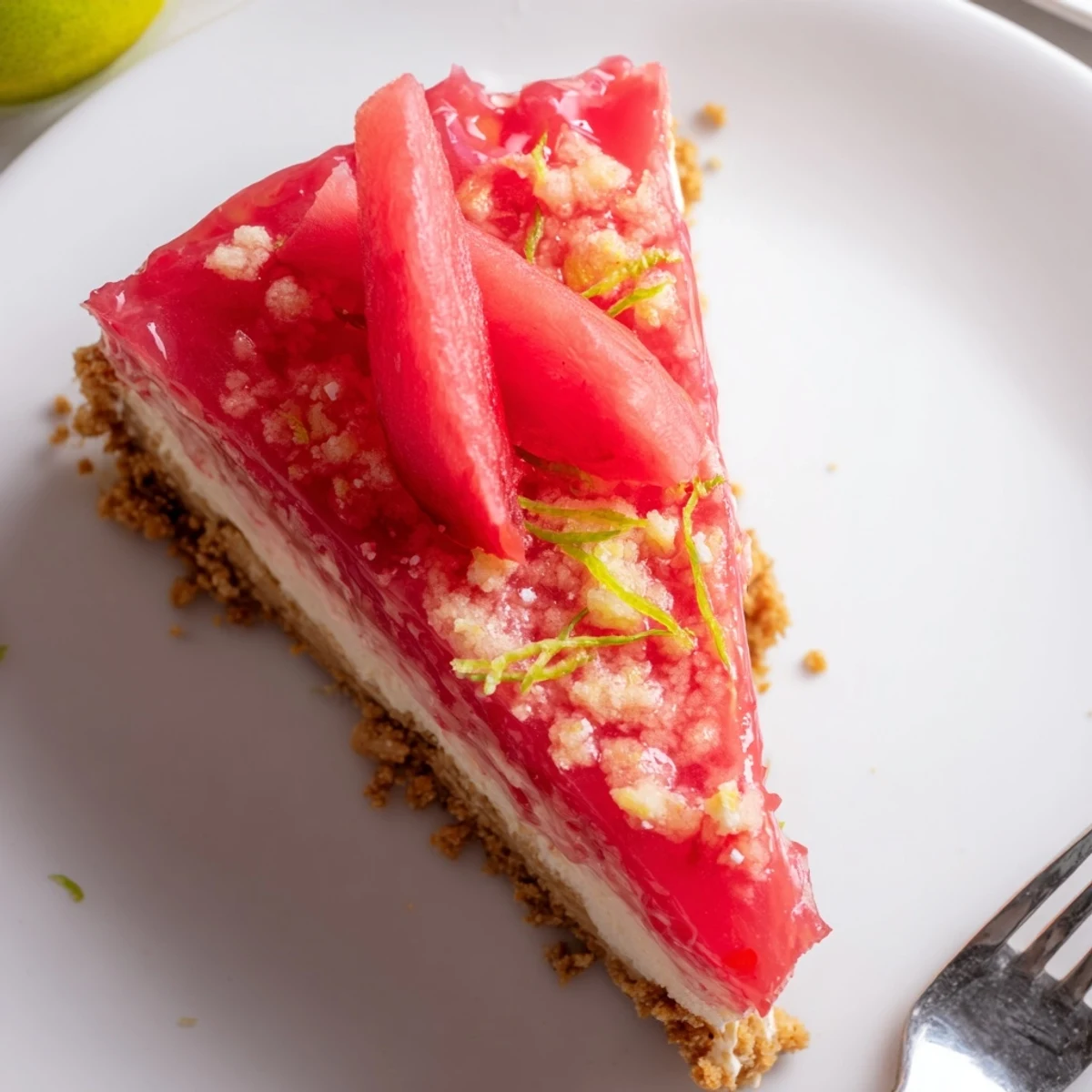
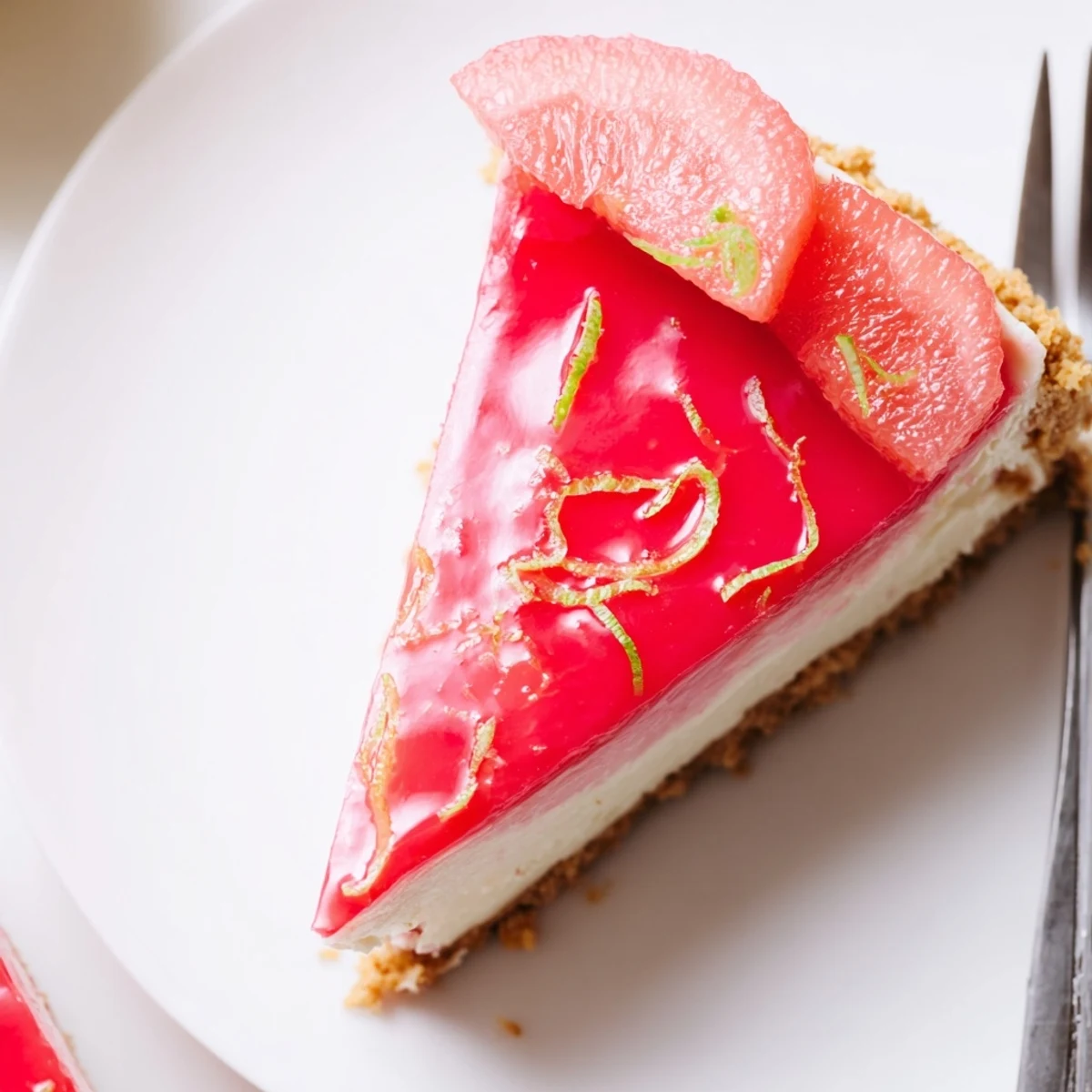
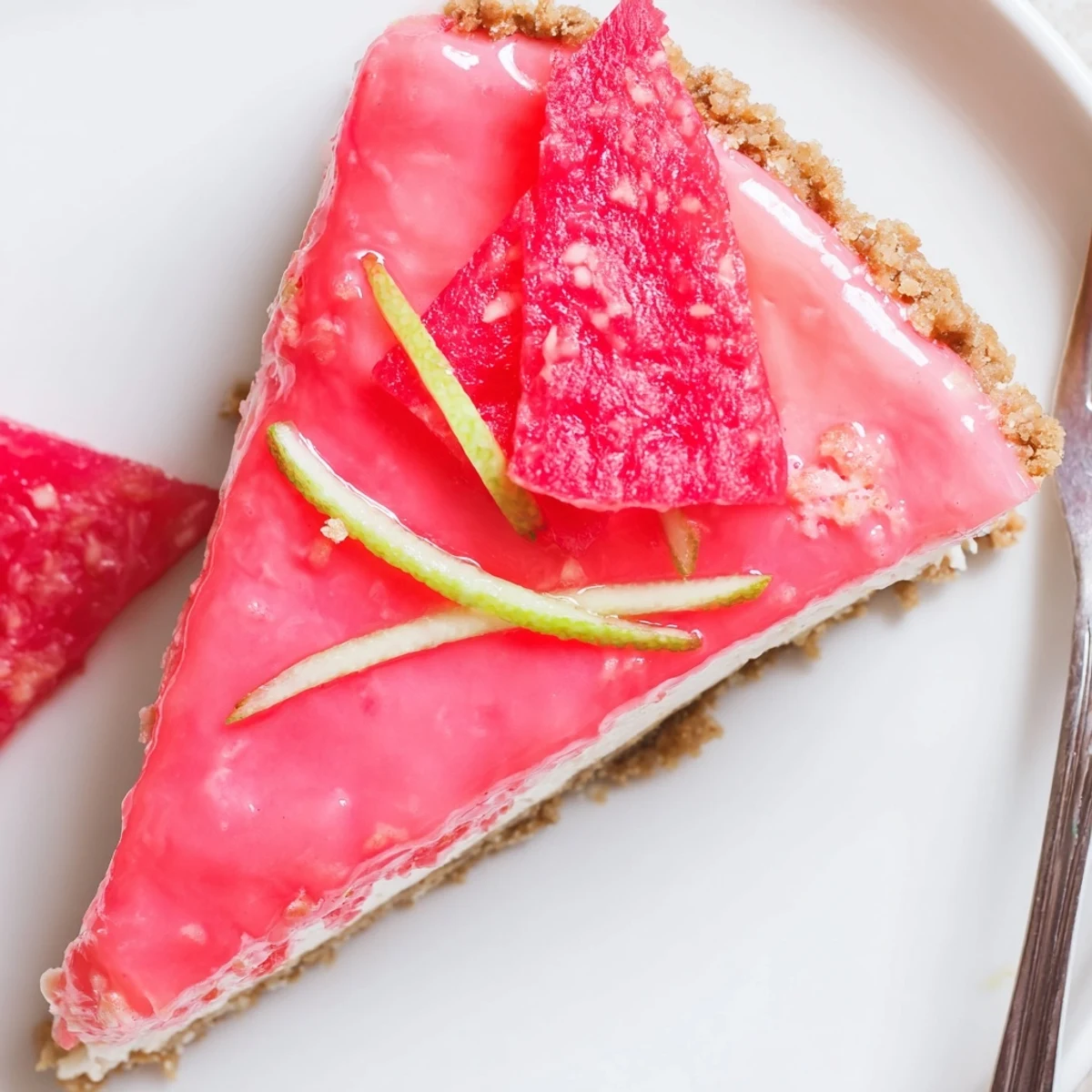
Save This guava cheesecake begins with a crisp graham crust and a smooth cream cheese filling lifted by lime zest and sour cream. Bake low until the center is just set, cool slowly in the oven, then chill at least 4 hours. Warm guava paste with water and lime to a glossy sauce and spread over the cold cake. Chill briefly to set, slice chilled and garnish with toasted nuts or fresh guava for texture and brightness.
The guava tree in my abuelas backyard produced fruit that fell onto the warm concrete and filled the afternoon air with the sweetest, most intoxicating perfume you can imagine. I never cared for cheesecake growing up, thinking it too heavy and American, until a cousin in Miami handed me a slice topped with guava paste at a birthday party and my entire worldview shifted. This recipe is my attempt to recreate that moment of disbelief when two worlds collide on a fork. It took seven attempts, a cracked cheesecake or two, and one very patient husband before I got it right.
My friend Elena nearly dropped her wine glass when I brought this out after a backyard barbecue last July, asking where I had ordered it from. The silence that followed the first bite, broken only by the sound of forks scraping plates clean, was the highest compliment I have ever received in my kitchen.
Ingredients
- Graham cracker crumbs (200 g): The foundation of everything, so use fresh crumbs and not stale ones from the back of your pantry.
- Unsalted butter, melted (75 g): Helps the crust bind together and brown beautifully in those ten minutes of baking.
- Granulated sugar for crust (2 tbsp): A small amount that balances the savory edge of the crackers without making it cloying.
- Cream cheese, room temperature (680 g): Cold cream cheese will leave you with lumps no amount of beating can fix, so set it out early.
- Granulated sugar for filling (200 g): Gives the filling its silky sweetness and helps achieve that classic dense yet creamy texture.
- Large eggs (3): Added one at a time to keep the batter smooth and prevent air pockets that cause cracks.
- Pure vanilla extract (1 tsp): Rounds out the flavor and bridges the gap between the tangy filling and the tropical topping.
- Sour cream (120 ml): The secret weapon for moisture and a slight tang that keeps every bite interesting.
- All-purpose flour (2 tbsp): Just enough to stabilize the filling without making it cakey or dense in the wrong way.
- Lime zest (from 1 lime): A bright whisper of citrus that ties the filling to the guava topping beautifully.
- Guava paste (250 ml, chopped): Find it in Latin markets or the international aisle, and chop it small so it melts faster.
- Water (60 ml): Helps thin the thick guava paste into a pourable, glossy sauce.
- Fresh lime juice (2 tbsp): Balances the sweetness of the guava and adds a tropical brightness to the topping.
Instructions
- Preheat and prepare your pan:
- Set your oven to 165 degrees Celsius, grease the springform pan, and line the bottom with parchment paper so nothing sticks when you release it later.
- Build the crust:
- Mix graham crumbs, melted butter, and sugar until the texture resembles wet sand, then press firmly into the bottom of the pan using the back of a measuring cup for even coverage.
- Bake the crust briefly:
- Ten minutes in the oven is all it needs to set and develop a toasty aroma, then pull it out and let it cool while you work on the filling.
- Beat the cream cheese smooth:
- Use an electric mixer on medium speed until the cream cheese is completely lump free and silky, scraping the bowl at least twice because those hidden lumps will haunt your final slice.
- Add sugar and eggs gradually:
- Beat in the sugar until creamy, then add eggs one at a time, mixing just until each disappears into the batter to avoid incorporating too much air.
- Finish the filling:
- Blend in vanilla, sour cream, flour, and lime zest until just combined, then pour the filling over the cooled crust and smooth the top with a spatula.
- Bake low and slow:
- Fifty to sixty minutes until the edges are set but the center still has a gentle jiggle like gelatin, then turn off the oven, crack the door, and let it cool inside for one hour to prevent shocking the cheesecake into cracks.
- Chill with patience:
- Refrigerate at least four hours or overnight if you can stand the wait, because this is when the texture transforms from good to unforgettable.
- Make the guava topping:
- Warm the chopped guava paste, water, and lime juice in a small saucepan over low heat, stirring gently until it becomes a smooth, ruby colored sauce that coats the back of a spoon.
- Top and set:
- Pour the slightly cooled guava sauce over the chilled cheesecake, spreading it evenly, then refrigerate another thirty minutes to let everything bond together before slicing.
 Save
Save The first time I served this at a family gathering, my tia Maria asked me to write the recipe on a napkin before the night was over, and I knew this dessert had earned a permanent spot in my rotation.
Choosing and Working with Guava Paste
Guava paste comes in small cans or wrapped in plastic at Latin grocery stores, and the best kind is firm enough to slice but still a deep reddish pink. If you cannot find it locally, online retailers stock several brands, and I recommend buying two so you have extra for spreading on toast the next morning.
Serving and Presentation Ideas
A thin lime wedge on each plate and a scattering of fresh lime zest over the top turns a humble cheesecake into something that looks like it came from a pastry shop. Fresh guava slices arranged around the edge add color and a lovely crunch that contrasts with the creamy filling.
Storage and Make Ahead Advice
This cheesecake actually tastes better on day two, making it the ideal dessert to prepare the night before a gathering when you have a hundred other things to worry about.
- Store covered in the refrigerator for up to five days, though it rarely lasts that long in my house.
- Freeze individual slices wrapped tightly in plastic for up to one month for emergency dessert situations.
- Always add the guava topping after chilling, never before, or the color will bleed into the filling.
 Save
Save Every time I make this cheesecake, the smell of guava warming on the stove transports me straight back to that backyard in my abuelas house, and that is the real magic of cooking. Share it with someone who thinks they do not like cheesecake and watch them change their mind.
Recipe FAQs
- → How do I avoid cracks in the cheesecake?
-
Bake at a moderate temperature and avoid overbeating the batter. Cool the cake gradually by turning the oven off and leaving the door ajar for an hour to reduce sudden temperature changes that cause cracks.
- → What's the best way to make the guava topping smooth?
-
Melt chopped guava paste over low heat with a little water and lime juice, stirring until smooth. If needed, press the sauce through a sieve to remove any fibrous bits for a glossy finish.
- → Can I make the crust gluten-free?
-
Yes. Substitute gluten-free cookies or crackers for the graham crumbs and press with melted butter as usual. Verify the guava paste label for any cross-contamination if strict gluten-free is required.
- → How long should the cake chill before topping and serving?
-
After baking and cooling, refrigerate the cheesecake at least 4 hours or preferably overnight to firm. After adding the guava topping, chill another 30–60 minutes to let the sauce set before slicing.
- → How should leftover slices be stored?
-
Keep slices refrigerated in an airtight container for up to 3–4 days. For longer storage, wrap slices tightly and freeze up to one month; thaw slowly in the fridge before serving.
- → Can I use fresh guava instead of guava paste?
-
Yes. Cook peeled, seeded and chopped fresh guava with a splash of water and a little sugar or lime juice until it breaks down into a thick sauce. Blend and strain if you prefer a smoother topping.