
 Save
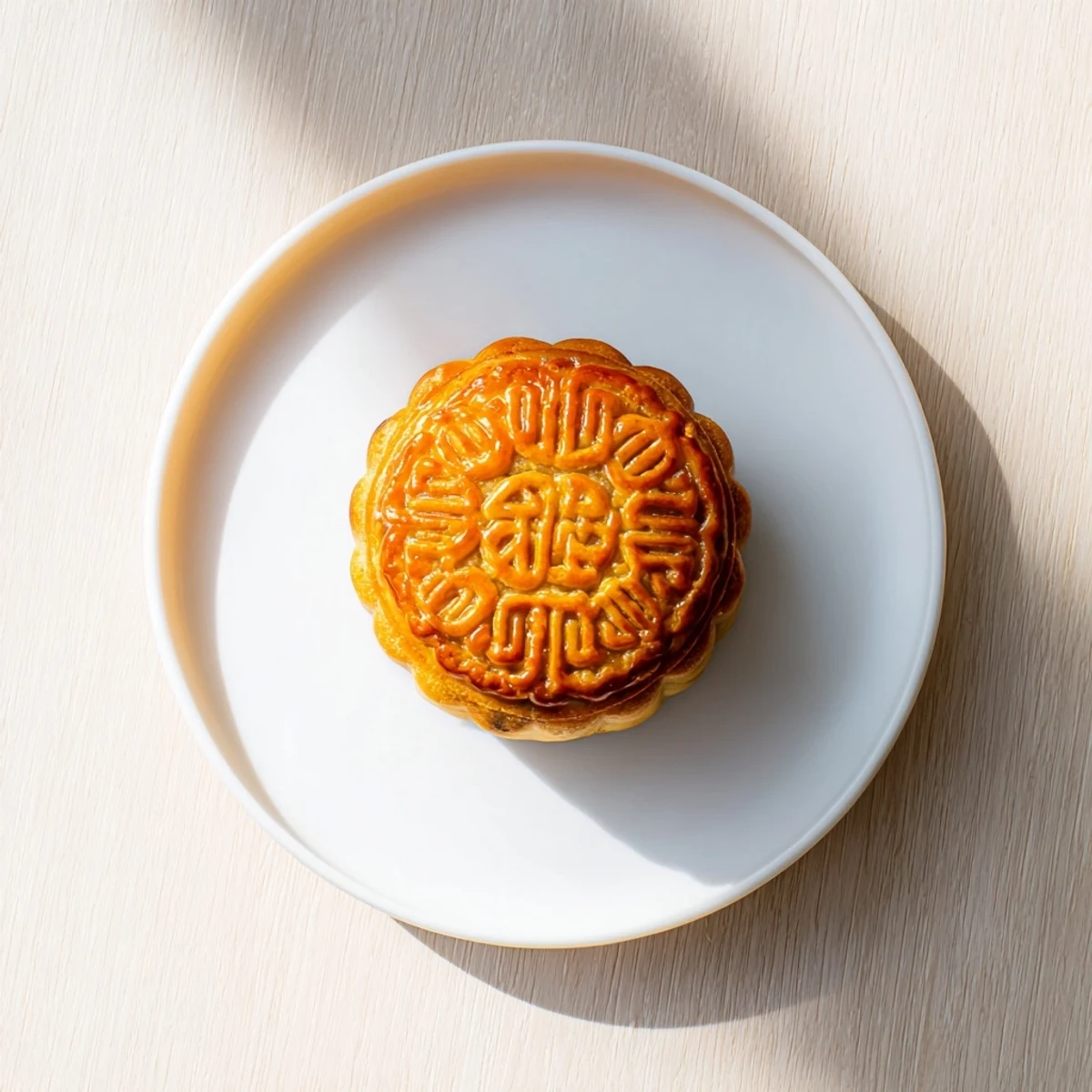
Save These beloved Chinese pastries feature a delicate, golden envelope encasing sweet lotus seed paste. The dough requires a two-hour rest to develop its signature tender texture. Traditional molds create intricate patterns on the surface, while an egg wash achieves that characteristic sheen. Though they emerge from the oven with a slightly crisp exterior, allowing them to rest for a day transforms the pastry into something wonderfully soft and yielding. The filling balances sweetness with subtle depth, occasionally enhanced by salted egg yolks for a luxurious contrast.
The first time I attempted mooncakes, my kitchen became a temporary workshop of golden syrup experiments and floury fingerprints everywhere. I had just returned from a Chinatown bakery with a beautifully pressed mooncake, its intricate patterns mocking my novice baking skills, and decided right then that I needed to understand what made these tender pastries so special. After three attempts and countless hours of research, I finally cracked the code to that signature glossy finish and the way the pastry softens after a day of rest. Now my apartment fills with that unmistakable toasted sweetness every autumn.
Last Mid-Autumn Festival, I made two batches and brought them to a small gathering of friends who had never tried homemade mooncakes before. Watching their eyes light up when they bit through the golden crust into the rich lotus paste was the kind of kitchen moment that reminds me why I bother with fussy pastries. Someone asked if I could teach them, and we ended up having an impromptu mooncake wrapping session right there in my tiny kitchen with flour dusting everything.
Ingredients
- All-purpose flour (120 g): Creates the tender structure that holds up during shaping while still softening beautifully during the resting period
- Golden syrup (85 g): This is the secret ingredient that gives mooncakes their signature golden color and subtle caramel notes
- Vegetable oil (30 g): Keeps the pastry pliable and contributes to that characteristic melt-in-your-mouth texture
- Alkaline water (1/2 tsp): Essential for achieving the proper pH balance that creates the authentic mooncake taste and color
- Lotus seed paste (480 g): The classic smooth and slightly sweet filling that pairs perfectly with the pastry
- Salted egg yolks (12 optional): Adds a rich savory contrast to the sweet filling, though nuts work wonderfully too
- Egg yolk and milk: Creates that beautiful glossy golden finish on the baked mooncakes
Instructions
- Mix the wet ingredients:
- Combine golden syrup, vegetable oil, and alkaline water in a bowl until completely blended and smooth
- Form and rest the dough:
- Stir in flour until a dough forms, then cover tightly and let it rest for 2 hours to develop proper texture
- Prepare the filling:
- Divide lotus paste into 12 portions, wrapping each salted egg yolk inside if using and rolling into smooth balls
- Portion the pastry:
- Divide the rested dough into 12 equal pieces, keeping them covered to prevent drying
- Wrap the filling:
- Flatten each dough piece into a disc, place filling in center, and carefully enclose by pinching edges together
- Shape the mooncakes:
- Dust mold with flour, press filled ball gently but firmly, then release onto parchment-lined tray
- Bake with care:
- Bake 5 minutes at 180°C, brush lightly with egg wash, then return to oven for 15-20 minutes until golden
- Patience pays off:
- Cool completely and store airtight for 1-2 days to let the pastry soften to perfect texture
 Save
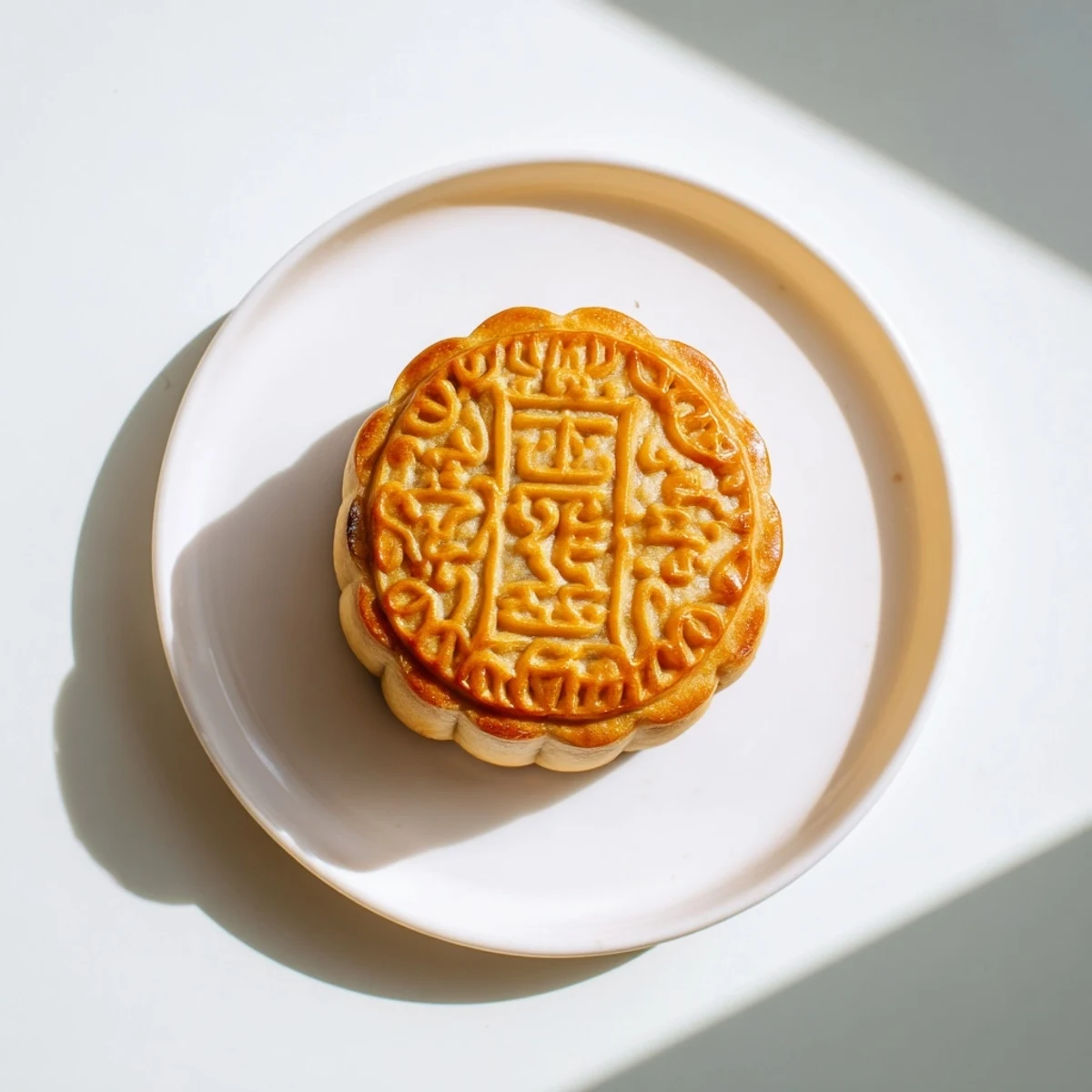
Save My grandmother always said mooncakes were like relationships, they need time to develop their true character and sweetness. I used to rush the resting period, eager to taste my creation, but once I finally waited the full two days before cutting into a batch, I understood exactly what she meant about patience being the secret ingredient.
Working with Mooncake Molds
The first time I used a traditional wooden mooncake mold, I pressed too hard and the filling oozed out the sides, creating a misshapen mess. I learned that a light but confident press is all you need, and dusting the mold with flour between each mooncake prevents sticking. Modern plastic molds are more forgiving if you are just starting out.
Choosing Your Filling
While lotus paste is the traditional choice, I have experimented with red bean paste and even a homemade date paste that turned out surprisingly good. The key is using a filling that holds its shape well and is not too sticky to work with. If you are avoiding salted egg yolks, toasted macadamia nuts or pumpkin seeds make excellent additions.
Storage and Serving
Mooncakes are one of those rare treats that genuinely improve with age, developing a softer, more tender texture and deeper flavor integration. Store them in an airtight container at room temperature and try to resist eating them for at least 24 hours. Serve them in small wedges with strong Chinese tea to cut through the richness.
- Cut mooncakes into small wedges since they are quite rich and dense
- Pair with pu-erh or oolong tea for the authentic experience
- Bring to room temperature before serving if they have been refrigerated
 Save
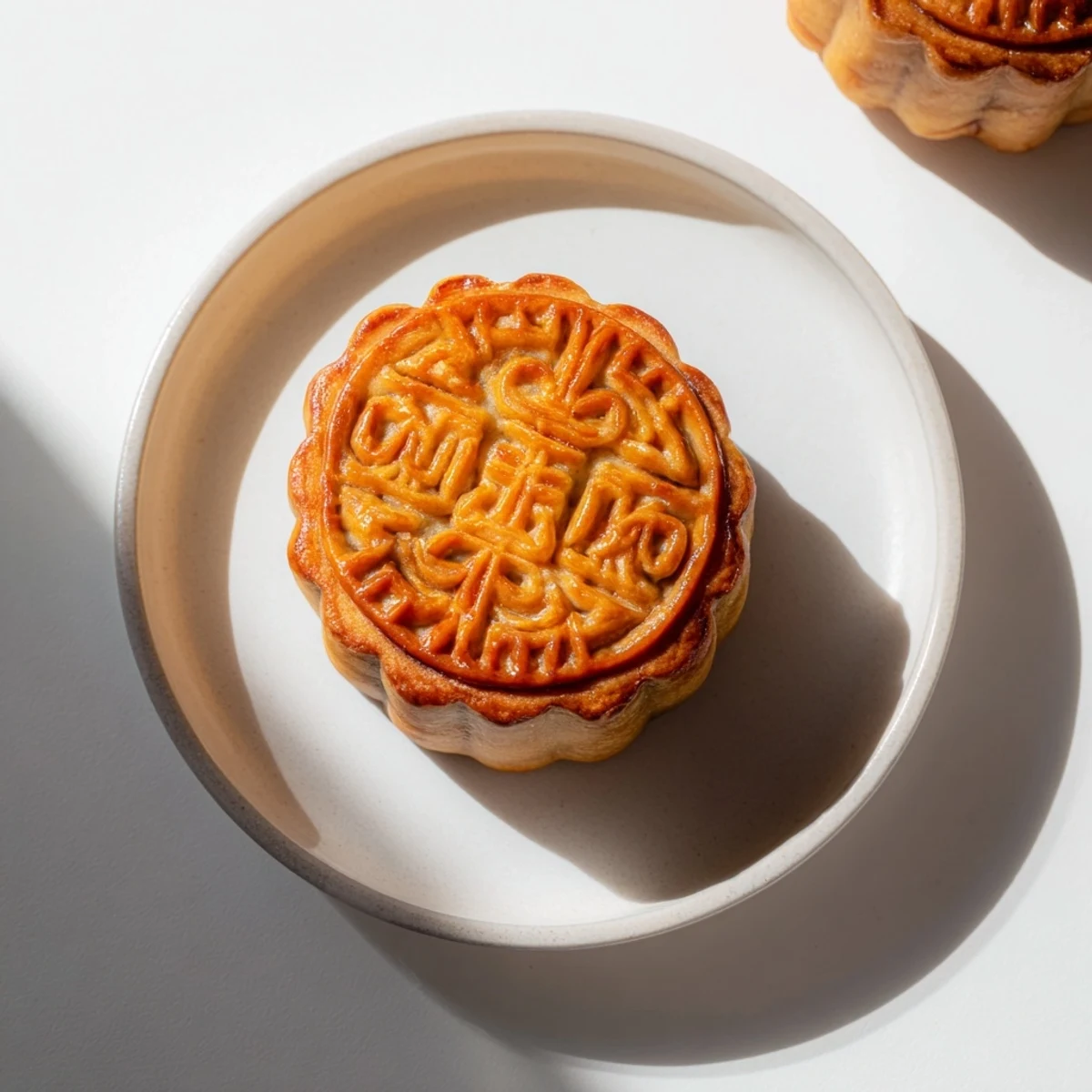
Save There is something deeply satisfying about pulling a tray of perfectly molded mooncakes from the oven, their golden surfaces gleaming under the kitchen lights. I hope these become a cherished part of your autumn traditions too.
Recipe FAQs
- → Why must the dough rest for two hours?
-
The resting period allows the flour to fully hydrate and the gluten to relax, which creates that signature tender texture. Without this rest, the pastry would be tough and difficult to shape properly in the molds.
- → Can I make the lotus seed paste from scratch?
-
Absolutely. While store-bought paste works beautifully, homemade paste offers control over sweetness and texture. Soaked dried lotus seeds are cooked until tender, then blended with sugar and oil until smooth and glossy.
- → What's the purpose of alkaline water in the dough?
-
Alkaline water (also called lye water) gives mooncakes their characteristic golden-brown color during baking and enhances the pastry's texture. It also provides that distinct subtle flavor profile traditional to authentic mooncakes.
- → Why do mooncakes need to rest before serving?
-
Freshly baked mooncakes have a slightly crisp exterior. Allowing them to rest for 1-2 days in an airtight container lets the moisture redistribute throughout the pastry, resulting in the characteristic soft, tender texture that makes them truly exceptional.
- → Are salted egg yolks necessary?
-
Not at all. While traditional Cantonese-style mooncakes feature salted egg yolks representing the full moon, they're entirely optional. Many prefer the simpler sweetness of pure lotus paste, while others substitute roasted macadamia nuts or walnuts for texture without the savory element.
- → Can I make these without a mooncake mold?
-
You can shape them by hand into round balls, though you'll miss the beautiful traditional patterns. Some creative bakers use intricately carved wooden stamps or even clean, detailed chocolate molds as alternatives to dedicated mooncake presses.