
 Save
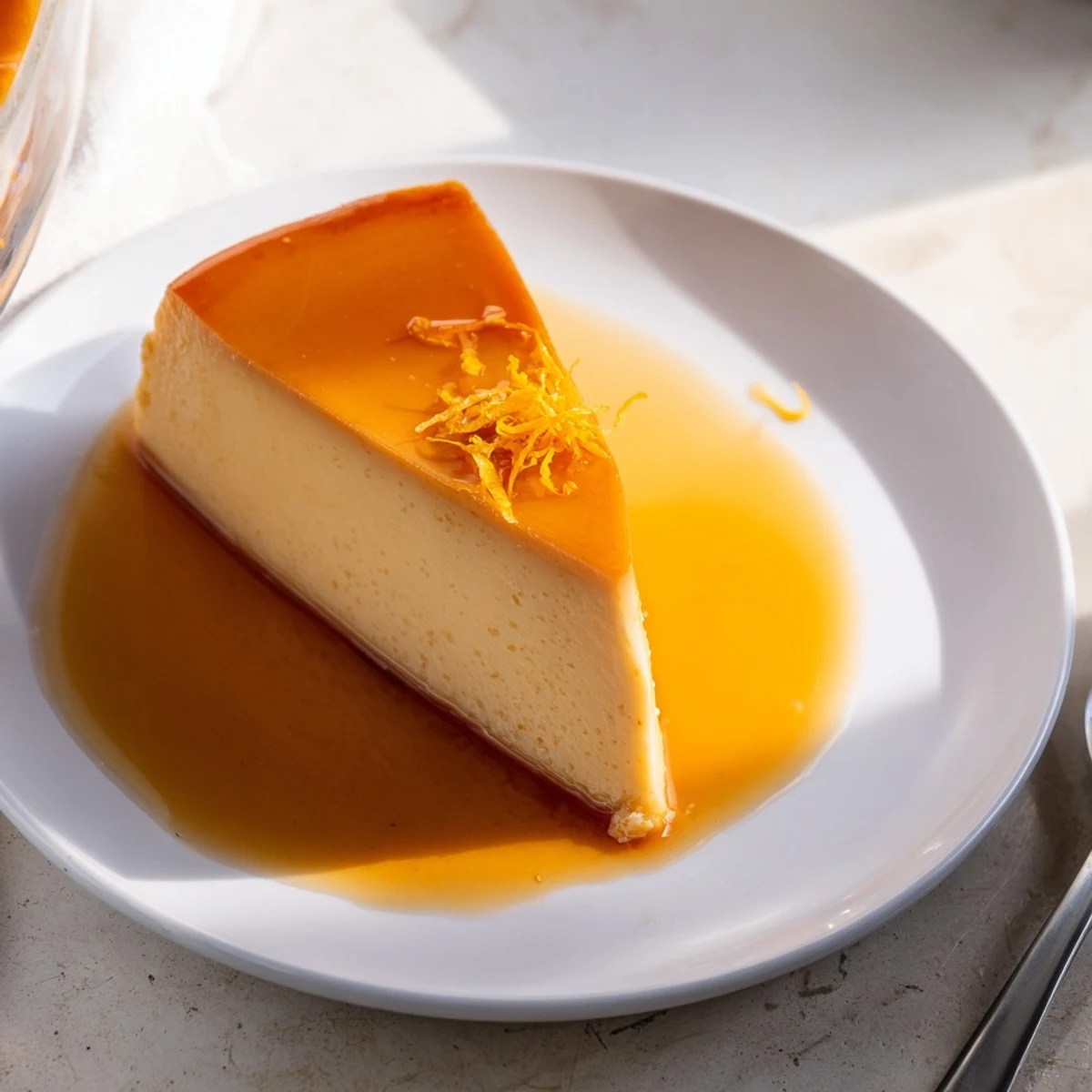
Save In this classic Flan Napolitano, caramelize sugar with a little water until deep amber, pour into a 9-inch mold and let set. Whisk eggs, yolks and salt, then add condensed, evaporated and whole milk with vanilla and optional orange zest. Strain into the caramel-lined dish, bake in a bain-marie at 350°F until the center barely jiggles, cool, then refrigerate at least three hours. Unmold and serve chilled.
The smell of burnt sugar and sweet milk will forever pull me back to my tia Lenoras kitchen in Veracruz, where she taught me that patience with caramel separates a good flan from an unforgettable one. She never measured anything, relying instead on the color of the syrup and the way it slid off her wooden spoon like liquid amber. That lesson stuck with me through years of experimentation, failed batches, and eventually a version that finally made her nod with approval at a family gathering in Oaxaca.
I once brought this flan to a potluck where three guests independently guessed it came from a professional bakery, and my friend Marta still texts me every December asking if I am making it again.
Ingredients
- Granulated sugar (1 cup/200 g): Use pure white sugar for the caramel, as any impurities will cloud the final glaze.
- Water (1/4 cup/60 ml): Just enough to help the sugar melt evenly before it begins its golden transformation.
- Sweetened condensed milk (1 can, 14 oz/400 g): The backbone of richness, and you should never substitute a low fat version if you want the proper dense creaminess.
- Evaporated milk (1 can, 12 oz/355 ml): Adds a subtle toasted flavor that balances the sweetness beautifully.
- Whole milk (1 cup/240 ml): Brings lightness to the custard, though half and half works if you want an even more decadent result.
- Large eggs (4 whole plus 4 yolks): The extra yolks are what give this flan its signature velvety slice, so do not skip them.
- Vanilla extract (1 tbsp): Use real extract, not imitation, because the flavor carries through the baking and chilling.
- Salt (1/4 tsp): A tiny amount that prevents the custard from tasting flat.
- Orange zest (from 1 orange, optional): My favorite addition, lending a faint citrus perfume that lingers after each bite.
Instructions
- Prepare the oven and water bath:
- Heat your oven to 350°F (180°C) and set a kettle of water on to boil so it is ready when you need it for the bain marie.
- Make the caramel:
- Combine sugar and water in a heavy saucepan over medium heat and resist every urge to stir. Just swirl the pan gently and watch the mixture turn from clear to pale gold to deep amber, which takes about 7 to 9 minutes. Pour it immediately into your baking dish and tilt the dish quickly to coat the bottom before it hardens.
- Build the custard:
- Whisk the eggs, yolks, and salt in a large bowl until blended, then pour in all three milks along with the vanilla and orange zest. Whisk until everything is smooth and uniform, but avoid whipping air into it.
- Strain and pour:
- Pour the custard through a fine mesh sieve directly into the caramel lined dish. This step feels fussy but it catches any bits of egg white or zest that would create unpleasant texture.
- Set up the bain marie:
- Place the flan dish inside a larger roasting pan and carefully pour your hot water into the roasting pan until it reaches halfway up the sides of the flan dish. The steam from this water bath is what gives flan its impossibly gentle, even cooking.
- Bake until set:
- Slide the whole assembly into the oven and bake for about 60 minutes, checking near the end by giving the dish a gentle nudge. The center should wobble slightly like gelatin, not slosh like liquid.
- Cool and chill thoroughly:
- Remove the flan dish from the water bath and let it come to room temperature, then refrigerate for at least 3 hours or preferably overnight. The custard continues to set as it chills, so do not rush this step.
- Unmold with confidence:
- Run a thin knife around the edges of the dish, place a large serving plate on top, and flip everything in one swift motion. Give the dish a gentle shake and lift it away to reveal the caramel pooling over the top.
 Save
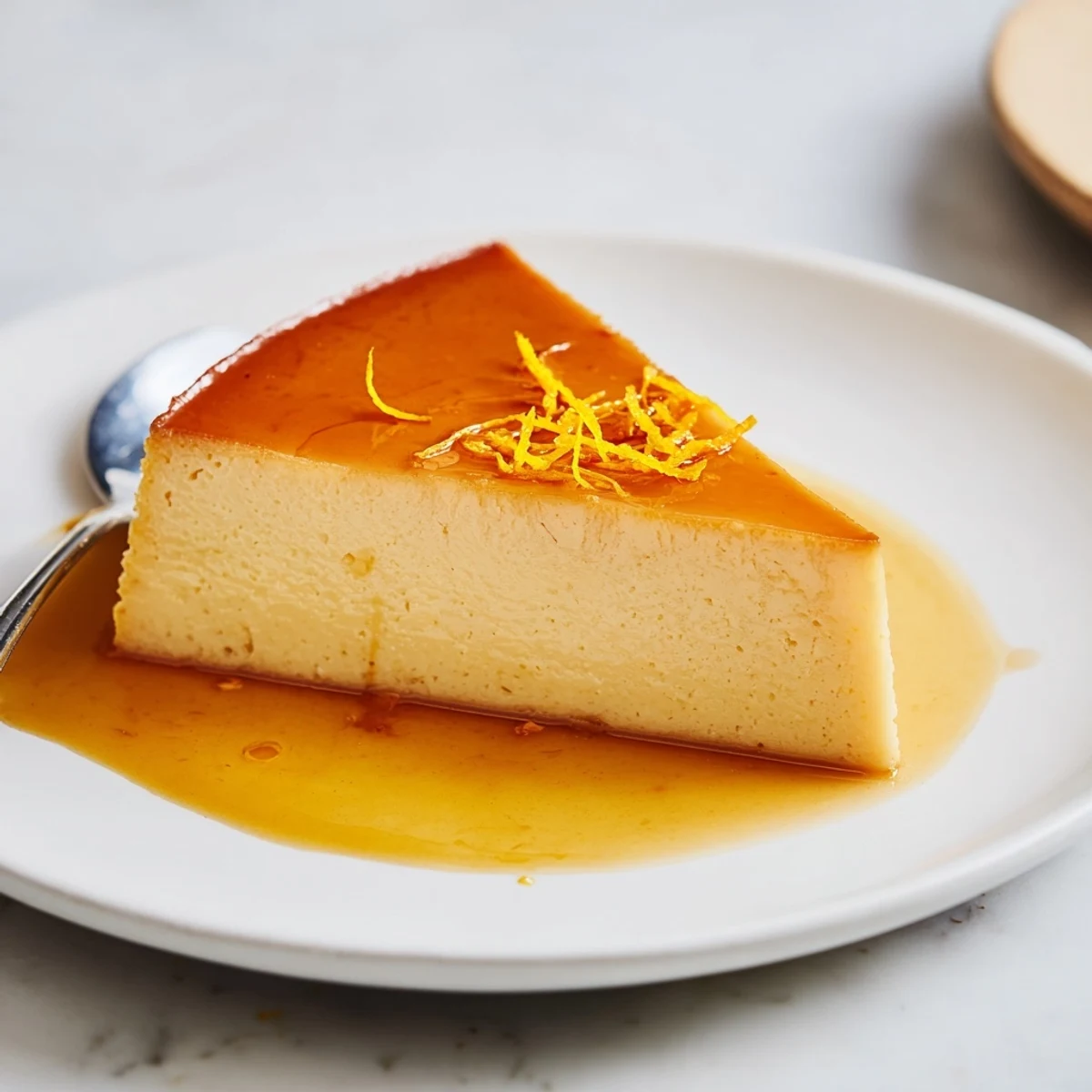
Save There is a specific kind of quiet that falls over a table when the flan comes out, the caramel pooling around the edges, and nobody speaks until they have finished their first forkful.
The Caramel Challenge
Making caramel intimidates almost everyone at first, but the real trick is simply walking away from the pan and letting the heat do its work. Stirring causes sugar crystals to form on the sides of the pan, which cascade and seize the whole batch into a grainy mess. A pastry brush dipped in water can sweep down any crystals that form, but honestly the swirl method is foolproof once you trust it. Your first batch might be slightly pale or slightly dark, and both will still taste wonderful.
Serving and Pairing Ideas
Flan Napolitano shines on its own, but a few garnishes turn a beautiful dessert into something people photograph before eating. Fresh berries add a bright tartness that cuts through the richness, and toasted coconut brings a satisfying crunch against the soft custard. A strong cup of Mexican coffee or a glass of Moscato alongside turns a simple weeknight treat into a proper celebration.
Make Ahead and Storage
This dessert actually improves overnight as the caramel slowly seeps into the custard, making it an ideal preparation for dinner parties or holidays. Keep it covered in the refrigerator for up to three days, though the texture is best within the first 48 hours. Freezing is not recommended since the custard structure breaks down upon thawing.
- Always chill the flan for the full recommended time before unmolding, as impatience is the number one cause of breakage.
- Cover the surface gently with plastic wrap to avoid pressing down and creating condensation puddles.
- Run your knife under hot water before tracing the edge for a cleaner release.
 Save
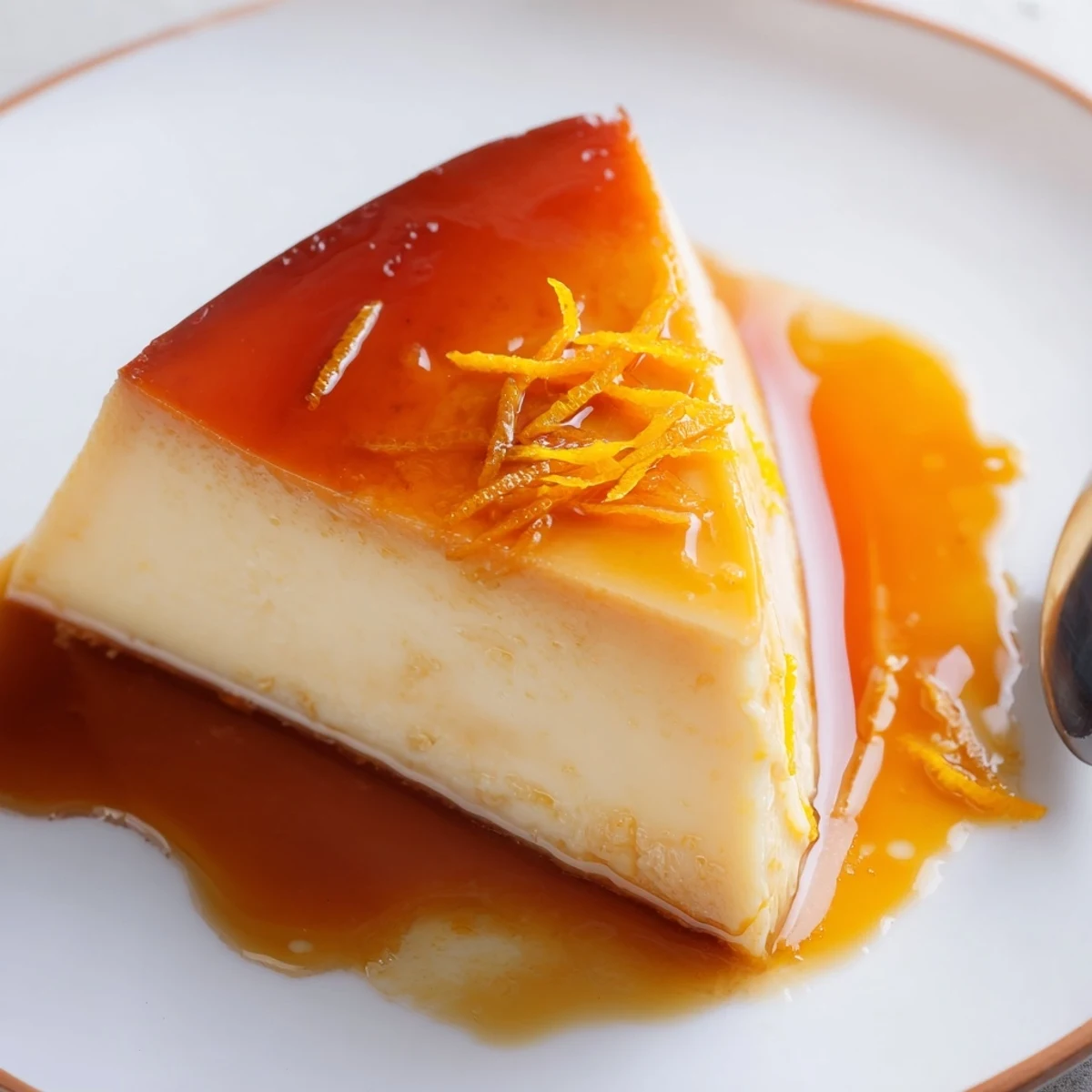
Save Every time I unmold a flan and hear that soft, satisfying shlorp of caramel releasing from the dish, I think of tia Lenora and feel certain that some recipes are really just love made edible.
Recipe FAQs
- → How can I prevent the caramel from crystallizing?
-
Use a clean, heavy saucepan and avoid stirring once the sugar begins to melt. A little water helps dissolve the sugar; swirl the pan gently if needed. Once it reaches a deep amber, remove from heat immediately to stop browning and pour into the mold.
- → How do I know when the custard is done?
-
Bake in a bain-marie until the center barely jiggles when tapped; the edges should be set while the center has a slight wobble. The residual heat will finish the custard as it cools.
- → Why strain the custard before baking?
-
Straining removes any coagulated egg bits or air bubbles, yielding an exceptionally smooth, silky texture once chilled and sliced.
- → Can I swap half-and-half for whole milk?
-
Yes. Substituting half-and-half adds richness and a creamier mouthfeel. Adjust chilling time as richer mixtures may firm up slightly differently.
- → What’s the best way to unmold without breaking it?
-
Run a thin knife around the edge to loosen, then invert a large plate over the mold and flip with a confident, steady motion. If caramel sticks, let it warm slightly at room temperature for easier release.
- → Can this be made ahead of time?
-
Absolutely. Chill for at least three hours, though overnight is ideal. Keep covered to prevent odors and to ensure the custard firms properly before unmolding and serving.