
 Save
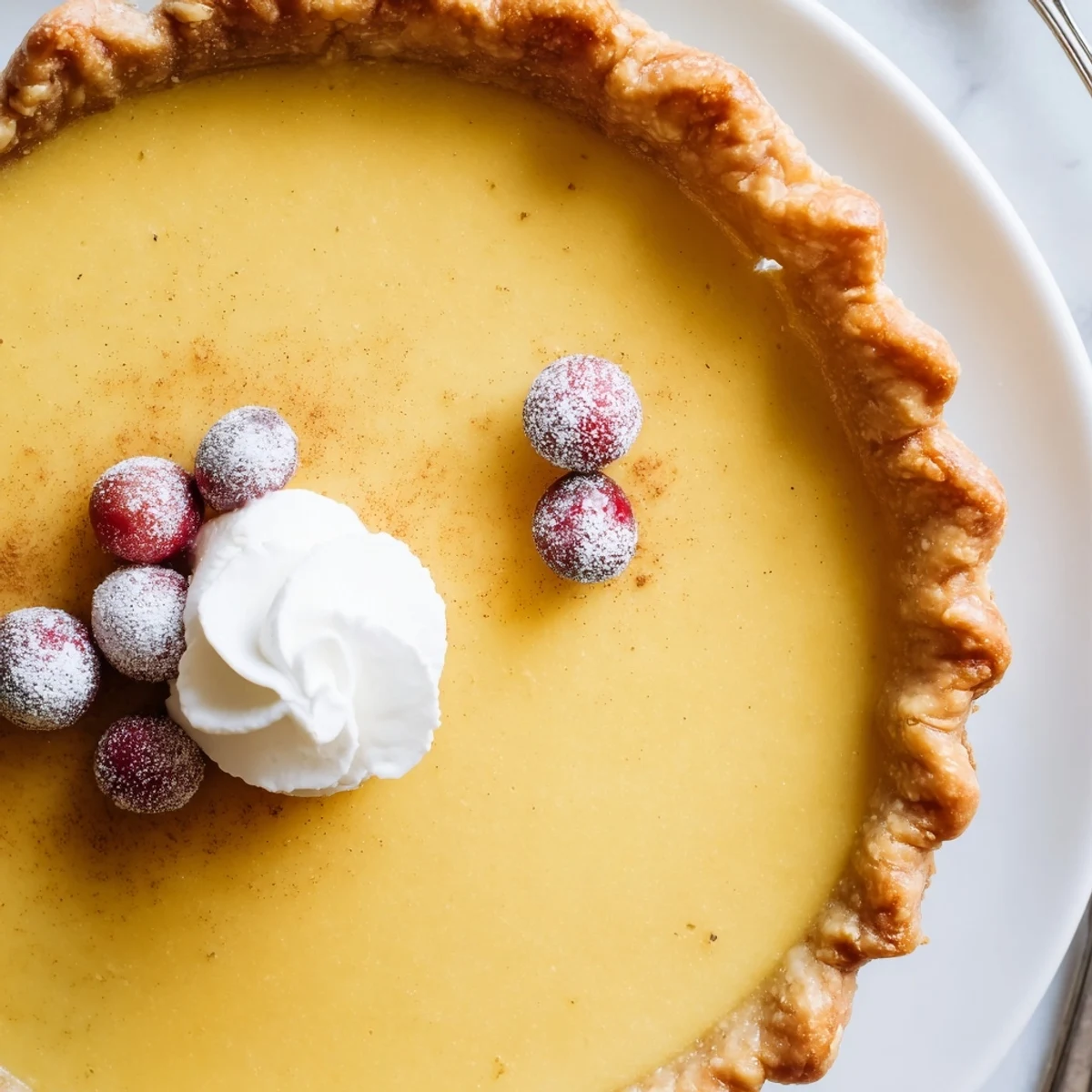
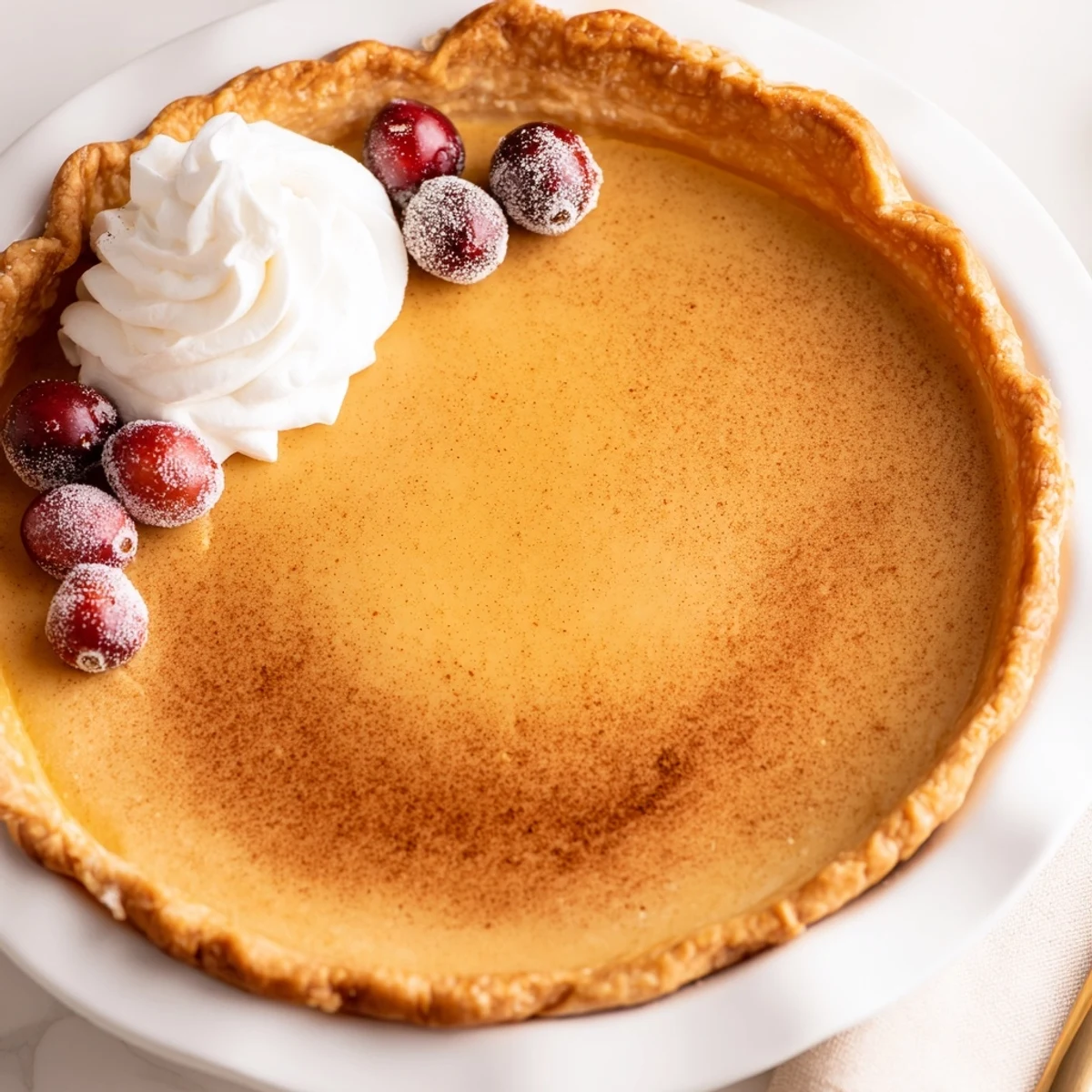
Save This custard pie blends whole milk, heavy cream, eggs, sugar and a touch of cornstarch, perfumed with vanilla and cinnamon. Warm the dairy gently, temper into whisked eggs and strain for a silky, lump-free filling. Pour into an unbaked 9-inch crust and bake at 350°F for 45-50 minutes until the center is set but still slightly wobbly. Cool on a rack, then chill at least two hours before slicing.
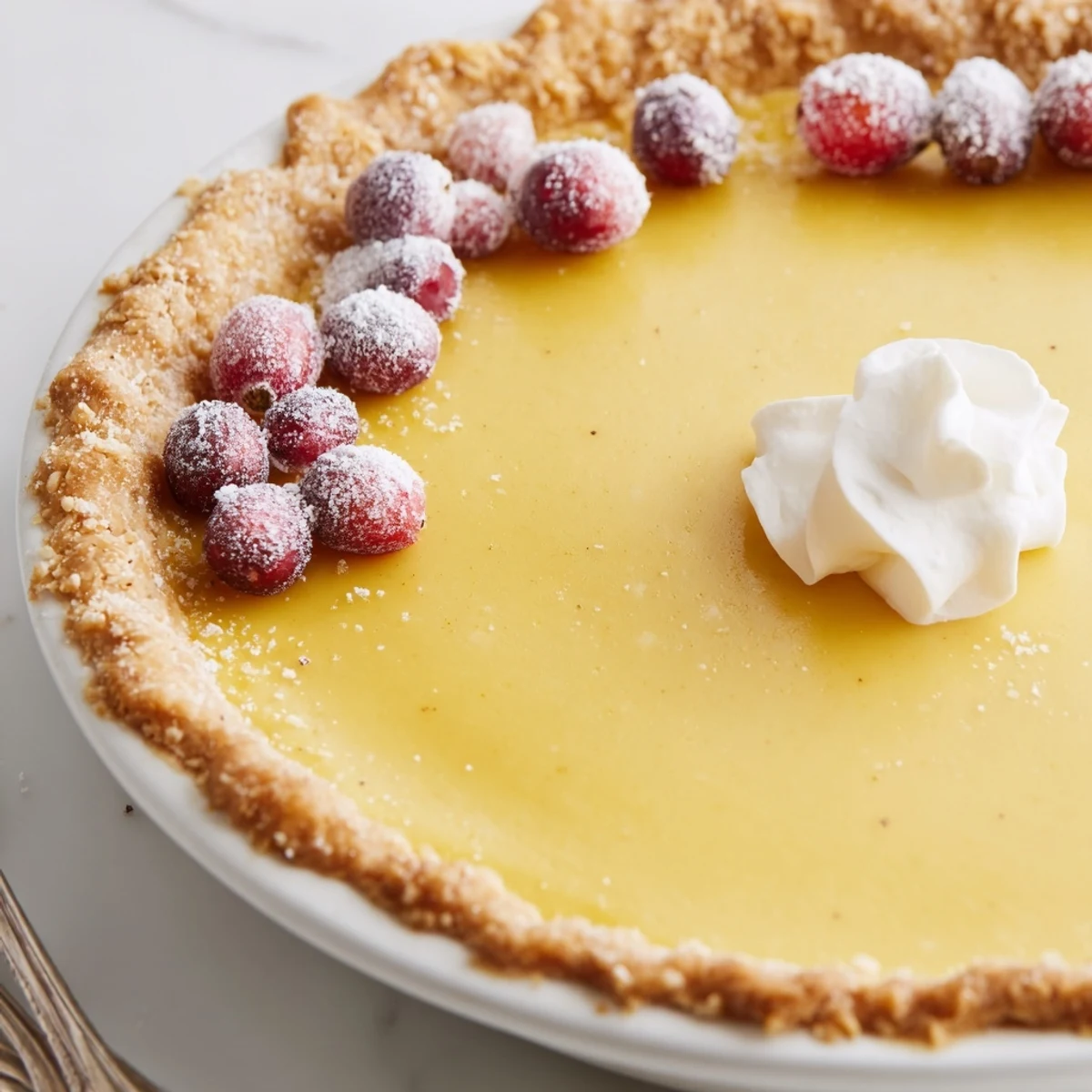
Tent crust edges if they brown too fast; finish with a dusting of cinnamon or powdered sugar, or garnish with sugared cranberries or a dollop of whipped cream. A splash of bourbon or brandy can be added for extra warmth. Store covered in the fridge for up to three days.
The scent of cinnamon drifting through the kitchen as I stirred this custard filling will always remind me how Christmas Eve quietly nudges us to slow down. I remember humming along to holiday songs, sneaking a fingertip taste of the mixture and instantly feeling the vanilla warmth brighten a chilly winter afternoon. There’s a certain calm that comes from watching custard bubble softly, knowing something extraordinary is about to be tucked into a flaky pie shell. Finishing with a cloud of powdered sugar always makes me smile, as if dusting magic on the evening.
I baked this pie the year my friends crashed our low-key Christmas Eve for hot chocolate, silly games, and stories late into the night. Looking back, I see how powerful a simple dessert can be to draw everyone into the warmth and laughter, hands wrapped around plates, second slices disappearing before midnight struck. The pie ended up as the centerpiece, with everyone sneaking extra dustings of cinnamon on top. It’s become something I make when I want to end an evening on a gentle, cozy note.
Ingredients
- Unbaked 9-inch pie crust: Go with homemade if you’re feeling ambitious, but I’ve learned store-bought is totally fine—just let it come fully to room temperature so it doesn’t crack.
- Whole milk: The key to a truly silky custard is starting with full-fat milk, and warming it gently keeps everything smooth.
- Heavy cream: This adds the lush mouthfeel that makes people pause at the first bite—don’t swap it for lighter cream.
- Large eggs: I always crack them into a separate bowl first to avoid sneaky shell bits in the custard.
- Granulated sugar: I measure this with a generous hand, but leveling off the cup makes sure the pie isn’t overly sweet.
- Cornstarch: Sifting it helps prevent those stubborn little lumps the first time I skipped this, I regretted it.
- Vanilla extract: Real extract adds warmth—add a touch more if you love pronounced vanilla flavor.
- Ground cinnamon: Freshly opened cinnamon is a game changer; sprinkle it liberally on top for that festive aroma.
- Fine sea salt: It sharpens the sweetness and deepens the custard’s flavor.
- Powdered sugar (optional): A finishing dusting is the quickest way to make your pie look as special as it tastes.
Instructions
- Prep your pie shell:
- Set the unbaked crust in your favorite pie pan, letting the dough drape over the edges before trimming or crimping to your preferred look.
- Warm the dairy:
- Pour the milk and cream into a saucepan and heat over medium until steam curls upward—don’t let it boil or you'll risk curdling.
- Mix the custard:
- Whisk the eggs, sugar, cornstarch, vanilla, cinnamon, and salt together in a large bowl until everything is velvety smooth and the color deepens slightly.
- Temper and combine:
- Slowly whisk the warm dairy mixture into the egg bowl, keeping the whisk moving so nothing scrambles, then pause to appreciate the wonderful aroma filling your kitchen.
- Strain for silkiness:
- Push the custard through a fine-mesh sieve into a clean bowl to catch any lumps—this guarantees that melt-in-your-mouth texture.
- Fill and bake:
- Pour the custard gently into the pie crust, slide into your hot oven, and bake until the edges are puffed and the center gives just a gentle wobble, about 45 to 50 minutes.
- Cool completely:
- Let the pie rest on a wire rack—resist the urge to cut in, as the custard will set perfectly as it cools.
- Add finishing touches:
- Just before serving, sprinkle the top with more cinnamon and, if you like, a soft blanket of powdered sugar for a festive flourish.
- Chill before slicing:
- For the neatest slices, refrigerate the pie for at least 2 hours; this also intensifies the flavors.
 Save
Save The year it snowed until midnight, I served this pie with steaming cups of cocoa, and the laughter felt endless. When I remember that table scattered with plates and powdered sugar, I’m reminded that some recipes linger far beyond the evening itself.
How I Avoid a Soggy Bottom
After a couple fails, I found that starting with a well-chilled pie crust helps the bottom bake up crisp and golden. If you’re nervous, popping the pan onto a hot baking sheet in the oven can add an extra insurance layer. I always let my custard cool a touch before pouring, so the crust isn’t shocked from the heat.
Making It More Festive
One Christmas Eve, I added a splash of bourbon to the custard and the depth of flavor was incredible—it turned simple vanilla into a truly grown-up treat. Don’t hesitate to garnish with sugared cranberries or a dollop of whipped cream if your celebration calls for something sparkly. Even a swirl of chocolate on top, in a pinch, brings a playful touch people remember.
In Case You Want to Prep Ahead
This pie is endlessly forgiving if you need to make it a day in advance—just keep it chilled and covered. I sometimes slice leftovers for breakfast with coffee and, honestly, they’re just as good (maybe better). No harm in making two, because one always seems to vanish faster than planned.
- Wrap tightly in plastic if storing overnight.
- Let the pie warm at room temperature for 20 minutes before serving for best flavor.
- Don’t dust with powdered sugar until just before serving to keep it from melting away.
 Save
Save However you serve it, this custard pie brings comfort and festive spirit to every slice. I hope you find as much joy sharing it as I have, and maybe start a little tradition of your own.
Recipe FAQs
- → How can I tell when the custard is done?
-
The edges should be set and the center slightly wobbly when gently shaken. For a precise check, the filling registers about 170–175°F (77–79°C). Keep in mind it will finish setting as it cools.
- → Do I need to strain the filling?
-
Yes. Straining removes any coagulated egg bits and cornstarch lumps, yielding a smooth, silky texture in the finished custard.
- → Can I blind-bake the crust first?
-
Blind-baking helps prevent a soggy bottom. Par-bake the crust for 8–10 minutes, cool slightly, then pour in the filling and finish baking. If the crust browns too quickly, tent the edges with foil.
- → What can I substitute for heavy cream?
-
Using whole milk alone will produce a lighter, less rich filling. For a similar richness without heavy cream, mix whole milk with a small amount of crème fraîche or use full-fat evaporated milk. Plant-based milks may require extra thickener like cornstarch to mimic the texture.
- → Is it okay to add alcohol to the filling?
-
A splash of bourbon or brandy can be stirred into the custard for warm, festive notes. Keep additions modest (1–3 tablespoons) so the custard still sets properly and the texture remains smooth.
- → How should I store and serve leftovers?
-
Cover and refrigerate leftovers for up to three days. Serve well chilled or bring to a cool room temperature; refresh with a light dusting of cinnamon or powdered sugar and optional whipped cream before serving.