
 Save
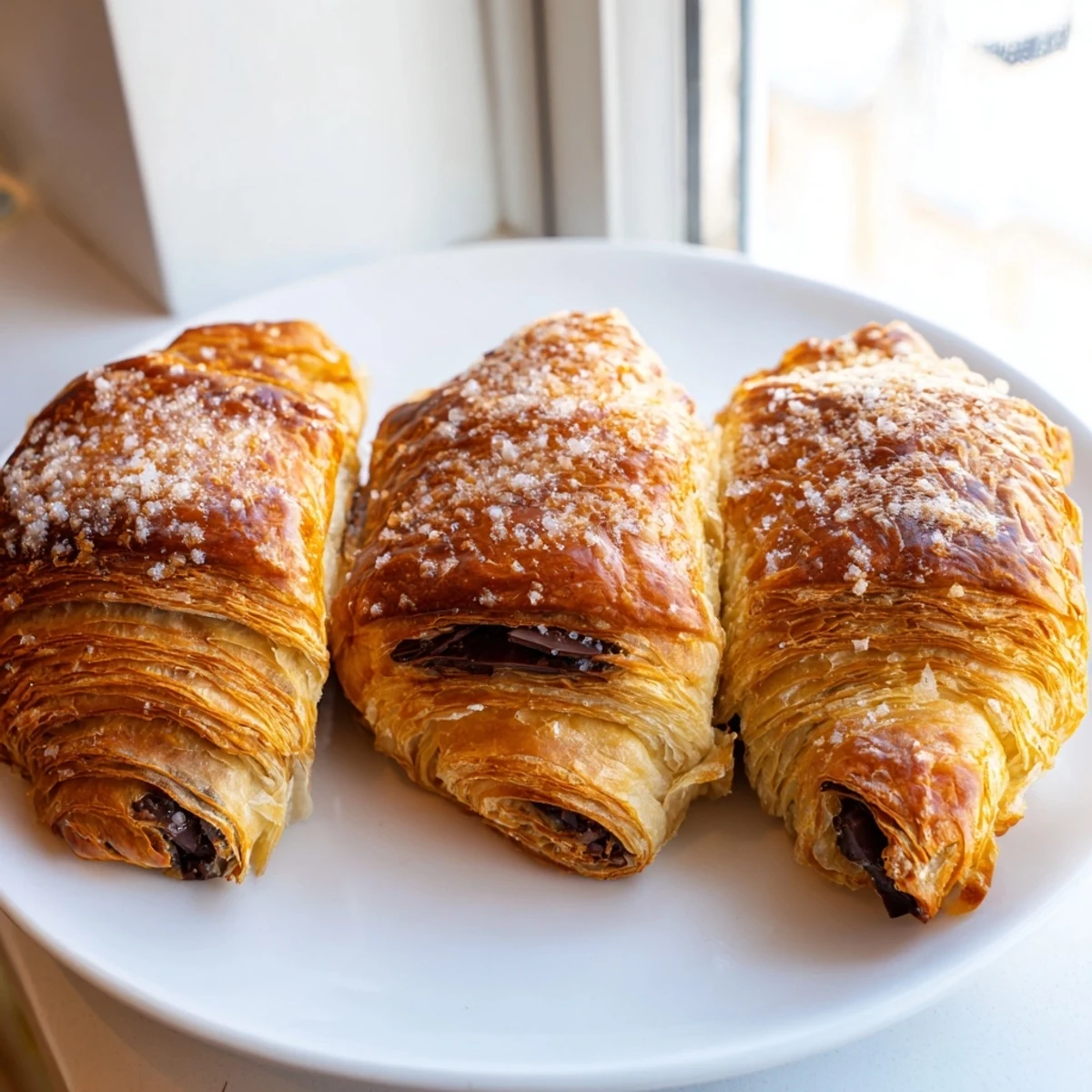
Save These chocolate croissant cookies bring the best of French pastry into a bite-sized treat. A buttery, flaky dough encases a molten center of semi-sweet chocolate, baked until golden and crisp.
The dough uses a classic pastry technique — cutting cold butter into flour for maximum flakiness. Each square is folded like a mini croissant, brushed with egg wash, and sprinkled with turbinado sugar for a satisfying crunch.
Ready in under an hour with simple pantry ingredients, they pair beautifully with afternoon coffee or as an elegant dessert.
The butter was too warm and the kitchen was a mess, but those first lumpy chocolate croissant cookies disappeared in ten minutes flat. My sister stood by the oven waiting like a watchdog, snatching one before it had properly cooled. That batch was uneven and honestly a little ugly, but the flaky butter layers pooled with melted chocolate made us both go quiet. Sometimes the messiest experiments become the ones you crave most.
I brought a tray of these to a neighbor potluck one chilly October evening and watched a man who never eats sweets reach for his fourth. He asked if I had bought them from a bakery, which remains one of the proudest moments of my amateur baking life. The trick is keeping everything cold and resisting the urge to fuss with the dough too much.
Ingredients
- All-purpose flour (2 cups, 250 g): The backbone of the dough, spooned and leveled for accuracy so your cookies do not turn dense.
- Salt (1/2 teaspoon): Just enough to wake up the butter and balance the sweetness without announcing itself.
- Granulated sugar (2 tablespoons): A modest amount in the dough since the real sweetness comes from the chocolate center.
- Unsalted butter, cold and cubed (1 cup, 225 g): The secret to flakiness, keep it refrigerator cold until the moment you need it.
- Cold water (6 tablespoons): Added gradually to bring the dough together without activating too much gluten.
- Semi-sweet chocolate, finely chopped or chips (4 ounces, 115 g): Chopped bars melt more luxuriously than chips but either works beautifully here.
- Egg, beaten (1): The wash that gives each cookie its golden bakery style shine.
- Turbinado or granulated sugar (2 tablespoons): A crunchy sweet topping that adds sparkle and texture to every bite.
Instructions
- Build the crumb base:
- Toss flour, salt, and sugar together in a large bowl, then drop in the cold butter cubes. Work quickly with a pastry cutter or your fingertips until you see coarse crumbs with some pea-sized butter chunks still visible throughout.
- Bring the dough together:
- Drizzle in the cold water a little at a time, mixing gently with your hands until the dough just holds when you squeeze it. Split it into two flat disks, wrap them snugly, and let them rest in the fridge for at least thirty minutes.
- Set up for baking:
- Heat your oven to 375 degrees F and line two baking sheets with parchment paper so nothing sticks.
- Roll and shape:
- On a lightly floured counter, roll one disk to about an eighth of an inch thick and cut it into three inch squares. You will feel the dough resist at first, but patient even pressure wins every time.
- Fill and fold:
- Nestle a teaspoon of chopped chocolate in the center of each square, then fold two opposite corners over the filling so they overlap slightly. Give them a gentle pinch to seal, shaping them into charming mini croissant forms.
- Finish with shine:
- Arrange the cookies on your prepared sheets with some breathing room between them. Brush each one with beaten egg and scatter turbinado sugar over the tops.
- Bake to golden perfection:
- Slide them into the oven for 13 to 15 minutes, watching for that deep golden color and crisp edges. Let them cool on a wire rack so the chocolate filling sets before anyone grabs one.
 Save
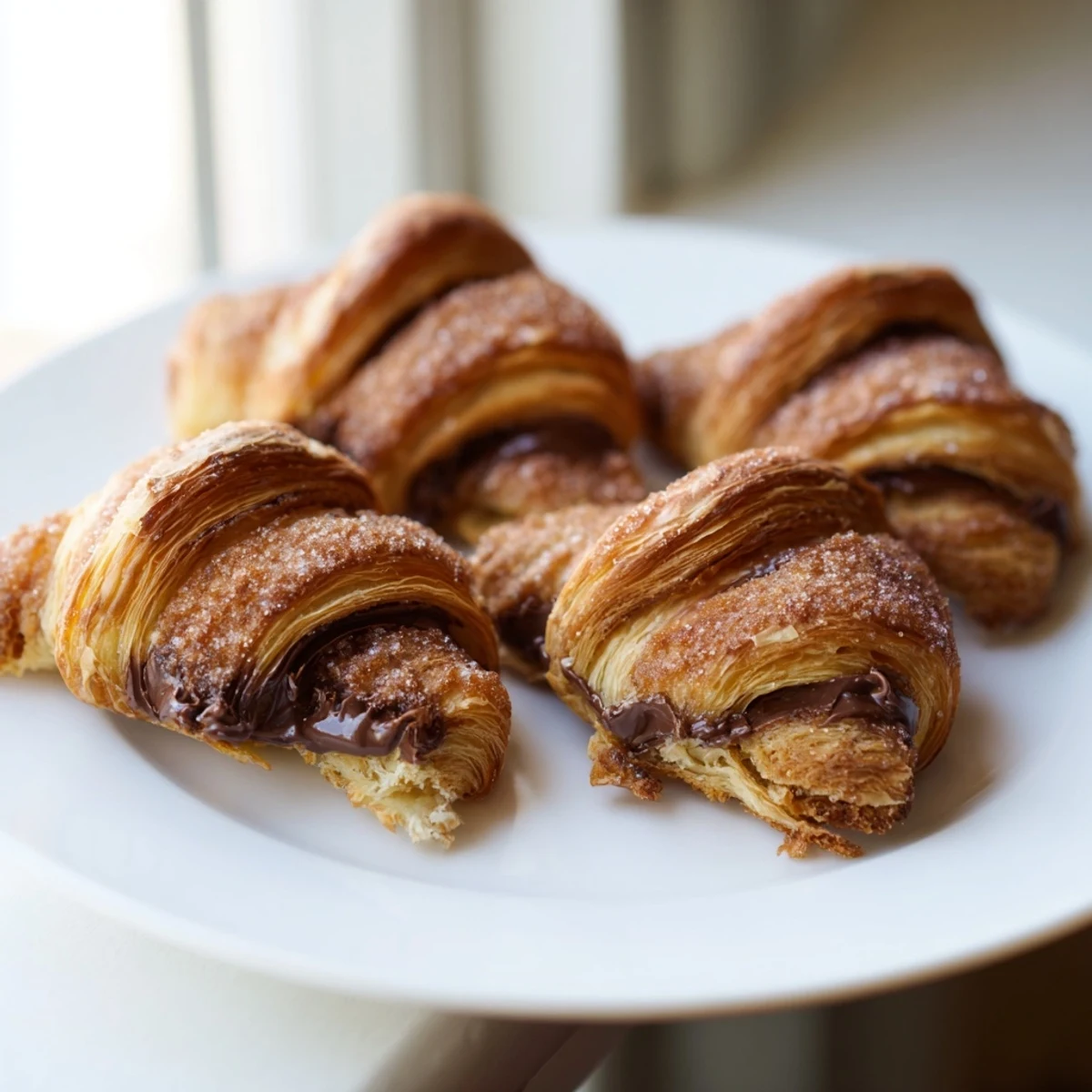
Save The morning after a holiday dinner, I found my nephew sitting cross-legged on the kitchen floor surrounded by crumbs, happily eating the last cookie straight from the container. He looked up and said these taste like a hug, and honestly I have never found a better description.
The Right Chocolate Makes All the Difference
After testing with grocery store chips, premium bars, and everything between, I landed on a simple truth. Chocolate with around 50 to 60 percent cacao melts into the most silky, satisfying pools inside these cookies. Dark chocolate above 70 percent can taste slightly bitter against the mild dough, while milk chocolate verges on cloyingly sweet for some palates.
Keeping Your Dough Cold and Cooperative
Butter temperature is the single variable that determines whether your cookies turn flaky or flat. If your kitchen runs warm, pop the rolled dough back in the fridge for five minutes before cutting squares. Work with one disk at a time while the other stays chilled, and never hesitate to refrigerate the shaped cookies on their trays for a quick ten minute rest before they go in the oven.
Serving and Storing for Best Results
These cookies are at their most magical within two hours of baking when the exterior is still shatteringly crisp. They store well at room temperature in an airtight container for up to three days, though the texture softens slightly by day two. You can recrisp them in a 300 degree oven for five minutes if you want that just baked experience again.
- A light sprinkle of finely chopped hazelnuts over the chocolate filling adds a nutty crunch that pairs beautifully with coffee.
- Freeze unbaked shaped cookies on a tray then transfer to a bag for up to one month of impromptu baking.
- Always check chocolate labels for allergens when baking for others, especially regarding soy and cross contamination warnings.
 Save
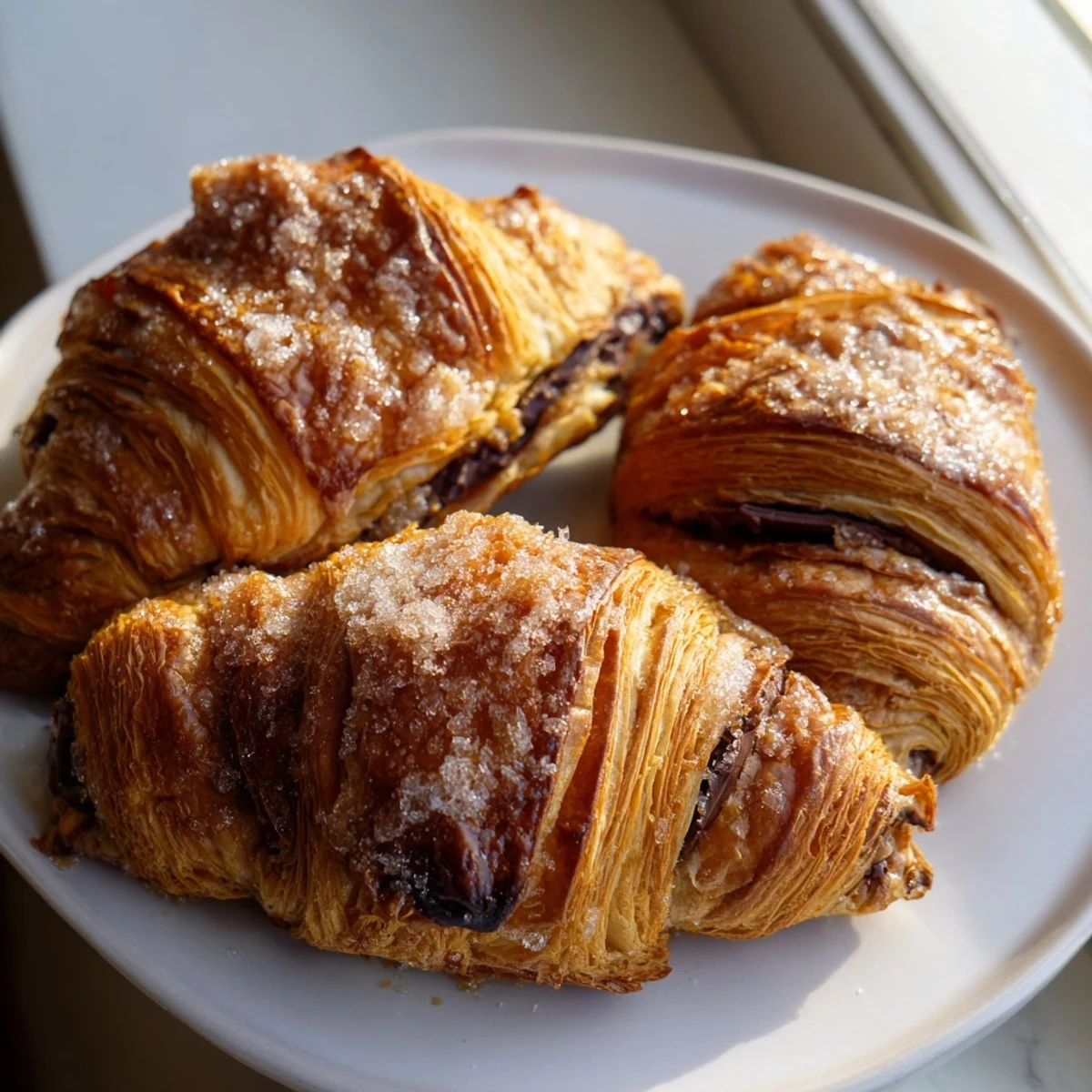
Save Make a double batch because these vanish faster than you expect, and having a few tucked away in the freezer means you are always ready for a quiet afternoon treat. Share them generously and watch people light up.
Recipe FAQs
- → Can I use store-bought puff pastry instead of making the dough?
-
Yes, store-bought puff pastry works well as a time-saving alternative. Thaw it according to package directions, then roll out and fill exactly as you would with the homemade dough. The texture will be slightly different — lighter and more puffed — but still delicious.
- → Why does the butter need to be cold?
-
Cold butter is essential for creating flaky layers. As the cookies bake, the butter melts and releases steam, which separates the dough into distinct, tender layers. If the butter softens during mixing, chill the dough for 15 minutes before rolling.
- → How should I store leftover cookies?
-
Store cooled cookies in an airtight container at room temperature for up to 3 days. To restore crispness, reheat in a 300°F oven for 5 minutes. You can also freeze unbaked filled cookies for up to 1 month — bake directly from frozen, adding 2–3 extra minutes.
- → Can I use dark chocolate instead of semi-sweet?
-
Absolutely. Dark chocolate (60–70% cacao) creates a more intense, less sweet filling that balances beautifully with the buttery dough. You can also mix semi-sweet and dark chocolate for a balanced flavor.
- → My dough is too crumbly and won't come together — what should I do?
-
Add cold water one tablespoon at a time, mixing gently until the dough holds together when squeezed. Avoid overworking it, as this develops gluten and makes the cookies tough. The dough should look shaggy before it rests — it will hydrate evenly as it chills.
- → What can I add to the chocolate filling for extra flavor?
-
Finely chopped hazelnuts, a pinch of flaky sea salt, or a dash of espresso powder all complement the chocolate beautifully. For a citrusy twist, add a small strip of orange zest alongside the chocolate in each cookie.