
 Save
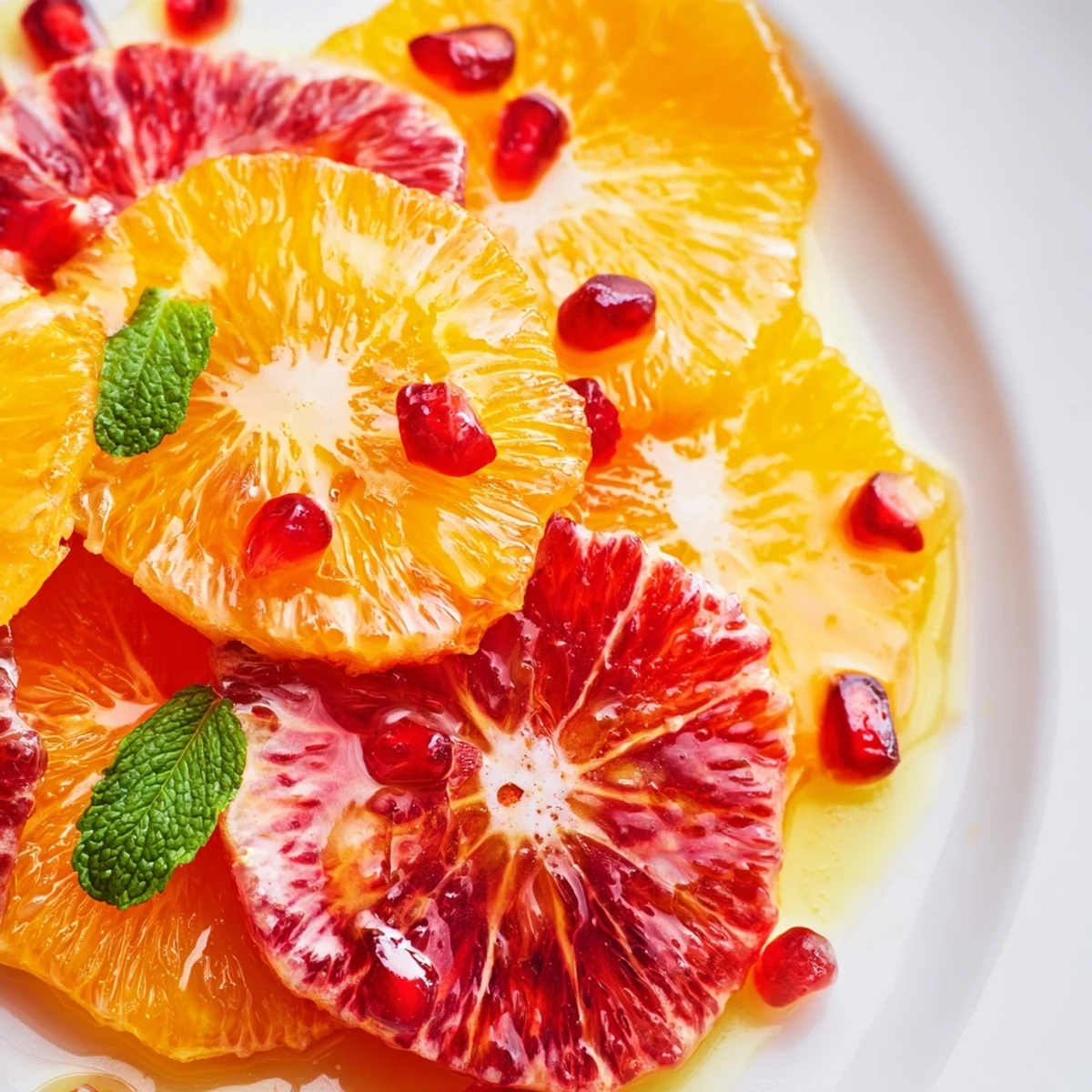
Save This colorful winter salad showcases a mix of oranges, blood oranges, grapefruits, and clementines, adorned with pomegranate seeds and fresh mint. The honey lime dressing adds a delightful balance of sweetness and tang, enhancing the natural brightness of the citrus. Quick to prepare and perfect for a light, refreshing dish during colder months, this salad invites options like toasted nuts or subtle spices for added texture and flavor.
There's something magical about the way winter citrus catches the light—I discovered this while arranging a bowl of blood oranges and grapefruits on my kitchen counter one gray January afternoon, and the jewel-like colors practically glowed. My neighbor had dropped off a bag of mixed citrus from her trip to Florida, and instead of letting them sit, I decided to slice them all up and see what happened. The result was this salad, which has become my go-to when I need to remind myself that bright, fresh food is still possible even when it's cold outside.
I made this for my sister the morning after she arrived for a winter visit, when she was still half-asleep and skeptical about eating salad in December. She took one bite, and the way her expression shifted—from doubtful to delighted—made me realize how much a simple arrangement of good fruit and the right dressing can do. It became our breakfast ritual that week, and now whenever she visits in winter, it's the first thing she asks me to make.
Ingredients
- Blood oranges: These have a deeper, almost wine-like sweetness compared to regular oranges, and their color is what makes this salad feel like something you're serving guests.
- Grapefruits: The bitter edge is essential—it keeps the whole thing from becoming one-note sweet, and honestly, that contrast is what makes you keep reaching for more.
- Clementines or mandarins: These segment easily and add little pockets of concentrated sweetness throughout.
- Pomegranate seeds: They're not just decoration; the slight tartness and that little burst of juice in your mouth matter.
- Fresh mint: Torn by hand, never chopped—it releases the oils better and the leaves stay tender rather than bruised.
- Honey: The sweetener here, and it dissolves into the lime juice without any graininess if you whisk it properly.
- Lime zest and juice: The zest goes in the dressing for an extra layer of brightness that you can't get from juice alone.
- Extra-virgin olive oil: A good one matters here because it's not being heated or buried under other flavors—it's a main player.
Instructions
- Get your citrus ready:
- Peel each fruit and remove as much white pith as you can—it's bitter and ruins the delicate sweetness. I use a small sharp knife and work right over a bowl to catch any juice that drips, then taste a piece to make sure I got it right.
- Arrange like you mean it:
- Lay out your slices and segments on a big platter, letting them overlap slightly so it looks intentional rather than scattered. This is where the salad starts to become beautiful.
- Add the jewels:
- Scatter pomegranate seeds and torn mint leaves across everything—unevenly is better because it looks more natural and generous.
- Make the dressing:
- In a small bowl, whisk honey with lime zest first, then add the juice and a pinch of salt, then the olive oil last. Taste it on a piece of fruit before you commit to drizzling it over everything; I've adjusted the honey or lime countless times depending on what type of citrus I'm using.
- Dress and serve:
- Drizzle the dressing right before eating—if you do it too early, the citrus weeps liquid and the whole thing gets watery. Serve cold or at room temperature depending on the season.
 Save
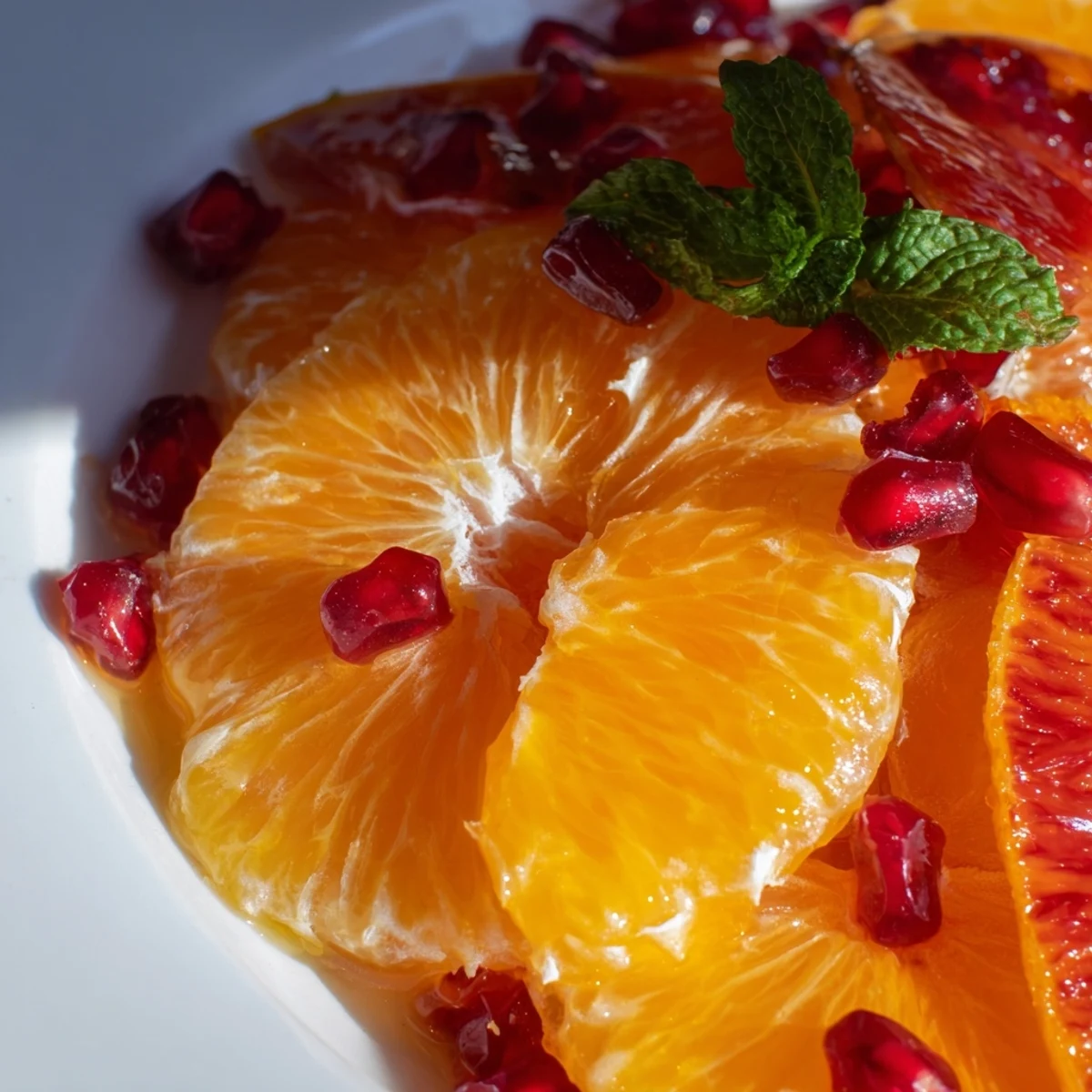
Save There was a moment last winter when I served this to my partner on a particularly gray morning, and he looked at that plate of vivid oranges and reds and said it made the whole day feel different. It sounds dramatic, but there's something about winter citrus that goes beyond nutrition—it's almost defiant, this brightness when everything outside is dormant.
Choosing and Storing Your Citrus
The best citrus arrives between late November and February—that's when they're at their peak sweetness and juice content. If you can find blood oranges at your market, grab them; they're only around for a few months, and their flavor is worth seeking out. At home, keep them in a cool spot—the crisper drawer works, but honestly, a bowl on the counter looks beautiful and they do just fine there for a week or so.
The Dressing Makes Everything
This honey lime dressing is so simple that it's easy to rush it, but the quality of each ingredient really shows. I use raw honey because the flavor feels more complex, and I always zest the lime before juicing it—the zest adds a brightness that juice alone can't deliver. If you find yourself with leftover dressing, it keeps in the fridge for several days and works on almost everything: green salads, roasted vegetables, even spooned over vanilla yogurt.
Custom Variations and Pairings
This salad is a wonderful base for experimentation, and I've learned that sometimes the best versions come from what's sitting in your pantry. Toasted pistachios or sliced almonds add a welcome crunch, and I've experimented with everything from thinly sliced fennel to a pinch of chili flakes, depending on what mood I'm in. The basic structure is flexible enough that you can adapt it to what looks good at the market on any given day.
- Add a handful of toasted pistachios or sliced almonds for texture and richness.
- A pinch of chili flakes or finely sliced fresh chili brings heat that plays beautifully with the sweetness.
- Try pairing with a crisp white wine like Sauvignon Blanc if you're serving this for brunch or as a light dessert.
 Save
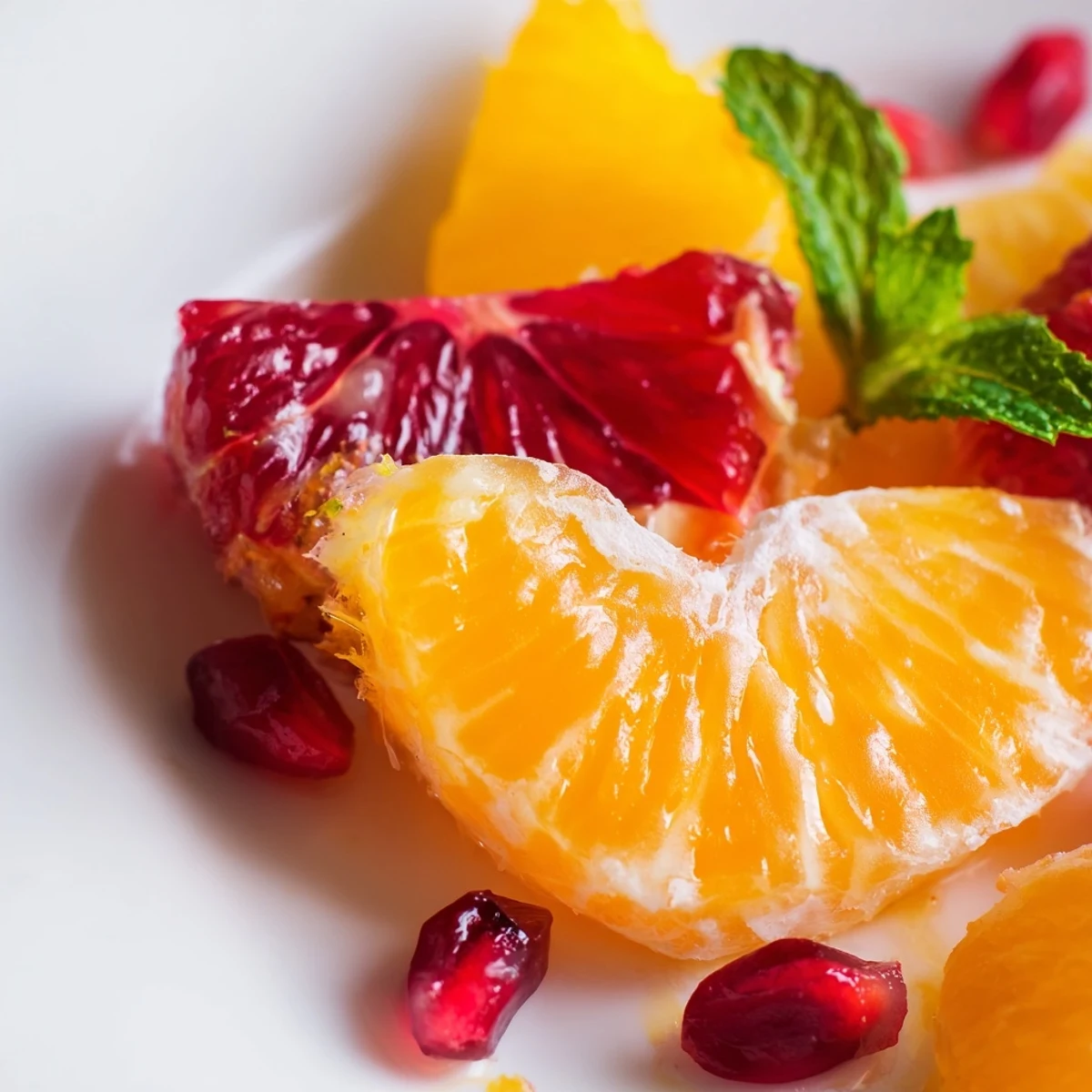
Save This salad has a way of feeling indulgent even though it's one of the simplest things you can make—it's a little reminder that sometimes the best meals are just good ingredients treated with care. Serve it cold, serve it slowly, and watch it disappear.
Recipe FAQs
- → What citrus fruits are ideal for this salad?
-
Oranges, blood oranges, grapefruits, and clementines are ideal, offering varied flavors and vibrant colors.
- → How is the honey lime dressing prepared?
-
Combine honey, lime zest, lime juice, extra-virgin olive oil, and a pinch of salt, whisking until smooth and well blended.
- → Can I add crunch to this salad?
-
Yes, adding toasted pistachios or sliced almonds introduces a pleasant crunch and nutty flavor.
- → Is it necessary to remove the pith from citrus fruits?
-
Removing the pith ensures a cleaner, less bitter taste and a more appealing presentation.
- → How long can the salad be chilled before serving?
-
It can be chilled up to one hour to allow flavors to meld without losing freshness.