
 Save
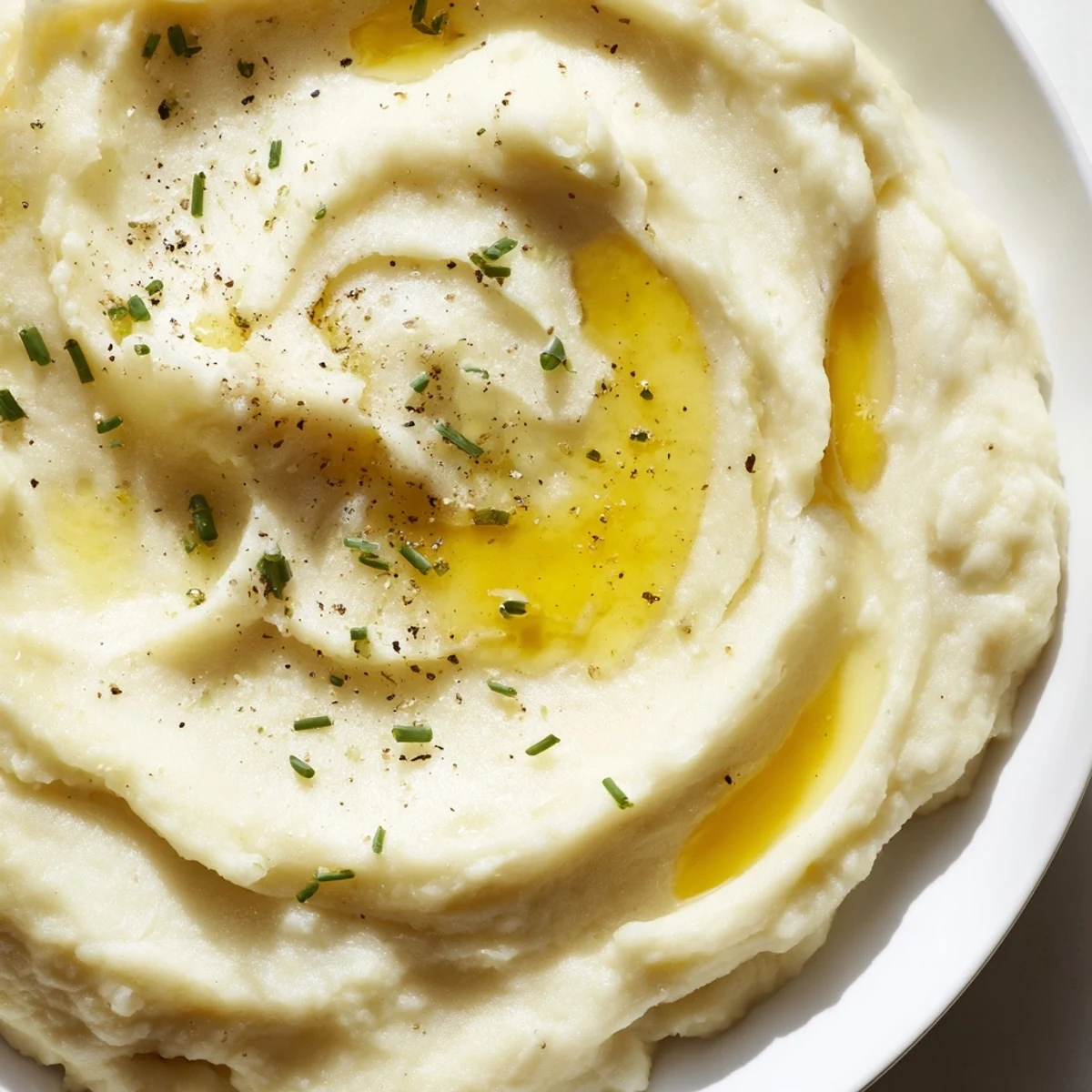
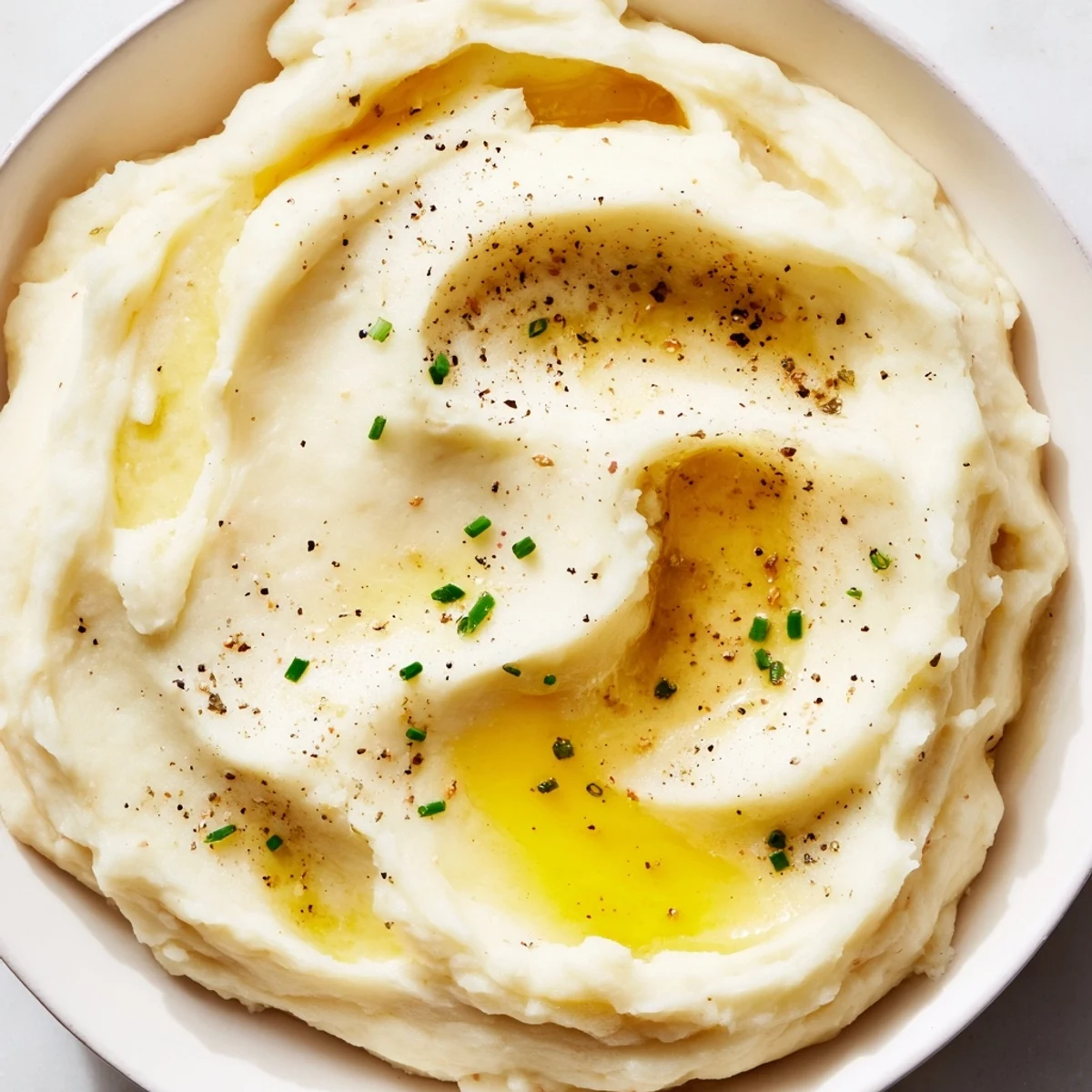
Save These velvety mashed potatoes deliver an irresistibly smooth, creamy texture by combining starchy Yukon Gold potatoes with generous amounts of butter, warmed whole milk, and heavy cream.
The key to achieving that perfect lump-free consistency lies in draining the potatoes thoroughly, using a potato ricer or masher while they're still warm, and folding in the dairy gradually.
Ready in just 40 minutes, this comforting side pairs beautifully with roasted meats, grilled vegetables, or a simple weeknight dinner.
The steam fogged up my kitchen window on a rainy Tuesday evening, and all I wanted was something soft and forgiving. Mashed potatoes have always been my reset button, the dish I make when the world feels a little too sharp around the edges. There is something meditative about peeling potato after potato, the repetitive motion quieting whatever noise is rattling around in my head. By the time the butter melts into that first fluffy mound, everything feels manageable again.
My friend David once watched me make these at a dinner party and accused me of putting crack in the potatoes. I had simply warmed the cream and butter before folding them in, a small step that transforms the whole bowl into something luxurious. He now texts me every Thanksgiving asking for the ratio, and I always pretend I have to look it up.
Ingredients
- 1.5 lbs (700 g) Yukon Gold or Russet potatoes, peeled and cut into 2 inch chunks: Yukon Golds give you a naturally creamy interior while Russets yield fluffier results, so choose based on the texture you crave most.
- 4 tbsp (55 g) unsalted butter: Unsalted lets you control the seasoning, and a generous amount is what separates good mashed potatoes from unforgettable ones.
- 1/2 cup (120 ml) whole milk, warmed: Cold dairy seizes hot potatoes and turns them gummy, so always warm your milk first.
- 1/4 cup (60 ml) heavy cream, warmed: This is the secret weapon that pushes the texture from pleasant to velvety without needing gallons of butter.
- 1 tsp salt, plus more for boiling: Salting the potato water generously seasons from within and is a step you should never skip.
- 1/4 tsp freshly ground black pepper: Freshly cracked adds a gentle warmth that pre ground pepper simply cannot replicate.
Instructions
- Cover and salt the water:
- Place the peeled potato chunks in a large pot and cover them with cold water by at least two inches, then add a generous handful of salt. Starting cold ensures the potatoes cook evenly from edge to center.
- Simmer until tender:
- Bring the pot to a rolling boil, then reduce to a gentle uncovered simmer for fifteen to twenty minutes. Pierce a chunk with a fork and if it slides off without resistance, you are ready.
- Drain and dry:
- Pour the potatoes into a colander and let them drain thoroughly, then return them to the still warm pot. Letting them sit for a minute helps excess moisture evaporate for a fluffier finish.
- Melt the butter in:
- Toss the butter on top of the hot potatoes and let it sit undisturbed for a minute or two until fully melted. The heat does the work for you here, so resist the urge to stir immediately.
- Mash until smooth:
- Using a potato masher or ricer, work through the potatoes until no lumps remain. A ricer gives you that restaurant quality silkiness if you have one tucked in a drawer somewhere.
- Fold in the warm dairy:
- Gradually pour in the warmed milk and cream, folding gently with a wooden spoon or spatula until the mixture turns light and pillowy. Overmixing releases too much starch and makes the potatoes sticky, so go slow and gentle.
- Season and serve:
- Taste for salt and pepper, adjusting until it sings on your tongue, then spoon into a warm bowl. Top with an extra pat of butter or fresh chives if you are feeling festive.
 Save
Save The night my grandmother taught me to mash potatoes by hand, she told me the trick was to treat them like you would a shy animal, patient and unhurried. I still think of her every time I fold in that last pour of cream.
Leftovers and Reheating
Mashed potatoes reheat beautifully if you add a splash of milk and cover them loosely before warming in the oven at three hundred fifty degrees. They also freeze surprisingly well in airtight containers for up to a month, though the texture softens slightly.
Variations Worth Trying
Roasting two cloves of garlic and mashing them in alongside the butter adds a mellow sweetness that raw garlic never achieves. You can also swap half the milk for sour cream if you want a tangy dimension, or fold in crispy bacon bits and shredded cheddar for a loaded version.
Serving Suggestions
These potatoes have grace notes that pair well with almost anything saucy or roasted, from grilled steak to braised short ribs. A glass of buttery Chardonnay alongside makes the whole meal feel intentional.
- Spoon them into a shallow bowl and create a well in the center to catch gravy or pan juices.
- A sprinkle of fresh chopped chives or cracked pepper on top makes even a weeknight dinner feel special.
- Serve them while still hot because mashed potatoes wait for no one.
 Save
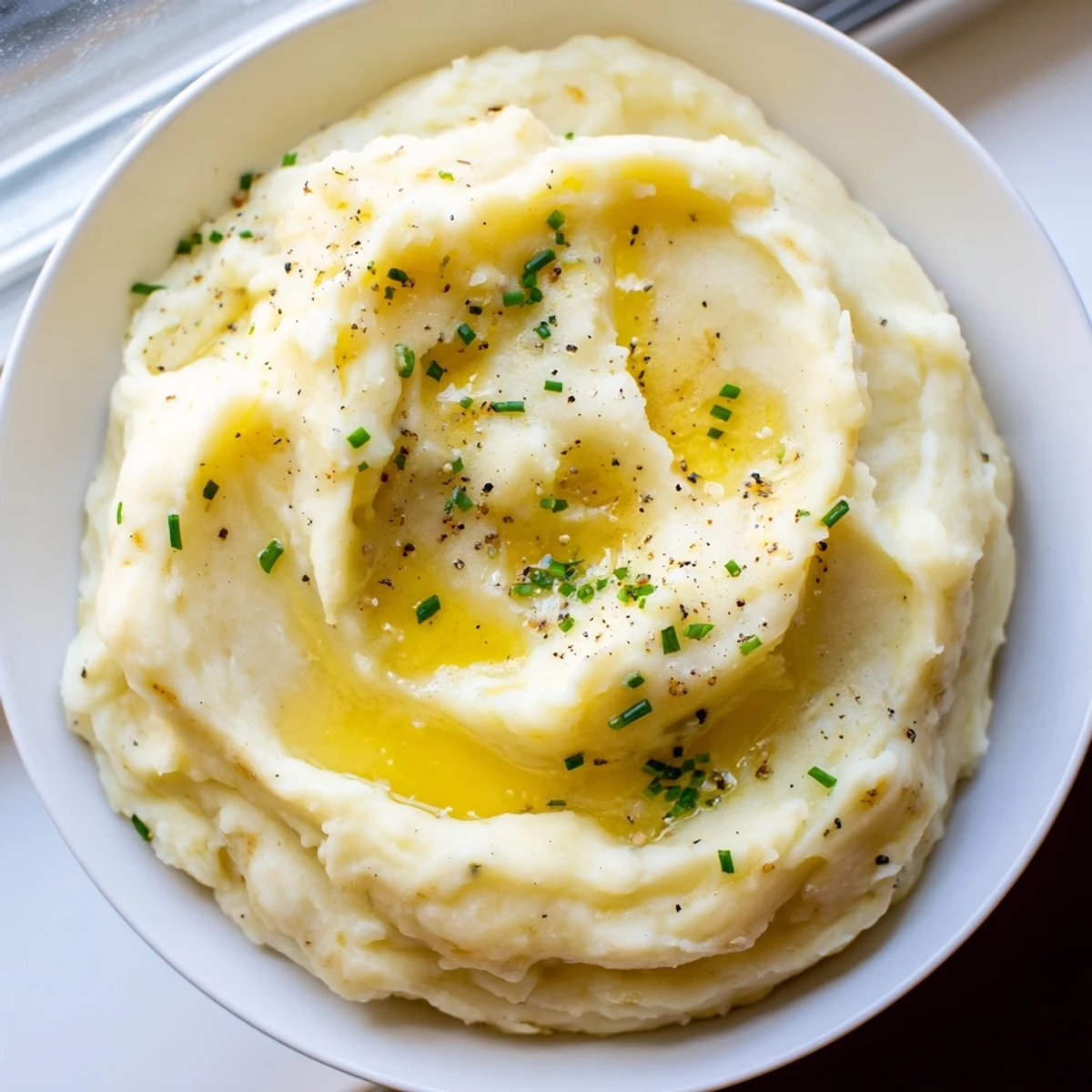
Save Mashed potatoes are proof that humble ingredients, treated with a little care, become something extraordinary. Make a big batch and share them with someone you love.
Recipe FAQs
- → What type of potatoes work best for mashed potatoes?
-
Yukon Gold potatoes are ideal because of their naturally buttery flavor and creamy texture. Russet potatoes also work well since they break down easily and absorb butter and cream beautifully.
- → How do I prevent my mashed potatoes from becoming gummy?
-
Avoid over-mixing or using a food processor, which releases too much starch and creates a gluey texture. Use a potato masher or ricer and fold in the liquids gently until just combined.
- → Should I use cold or warm milk and cream?
-
Always use warmed milk and cream. Cold dairy cools down the potatoes and causes the butter to seize, resulting in a less smooth and cohesive final dish.
- → Can I make mashed potatoes ahead of time?
-
Yes, you can prepare them up to 2 hours ahead and keep them warm in a slow cooker on low heat. You can also refrigerate them for up to 3 days and reheat gently with a splash of extra milk.
- → What can I substitute for heavy cream?
-
You can use additional whole milk for a lighter version, or substitute with half-and-half for a balance between richness and lightness. For a dairy-free alternative, warmed oat milk works well.
- → Why do my mashed potatoes taste bland?
-
Salt your boiling water generously, similar to pasta water. This seasons the potatoes from within. Then adjust with additional salt and freshly ground black pepper at the end to taste.