
 Save
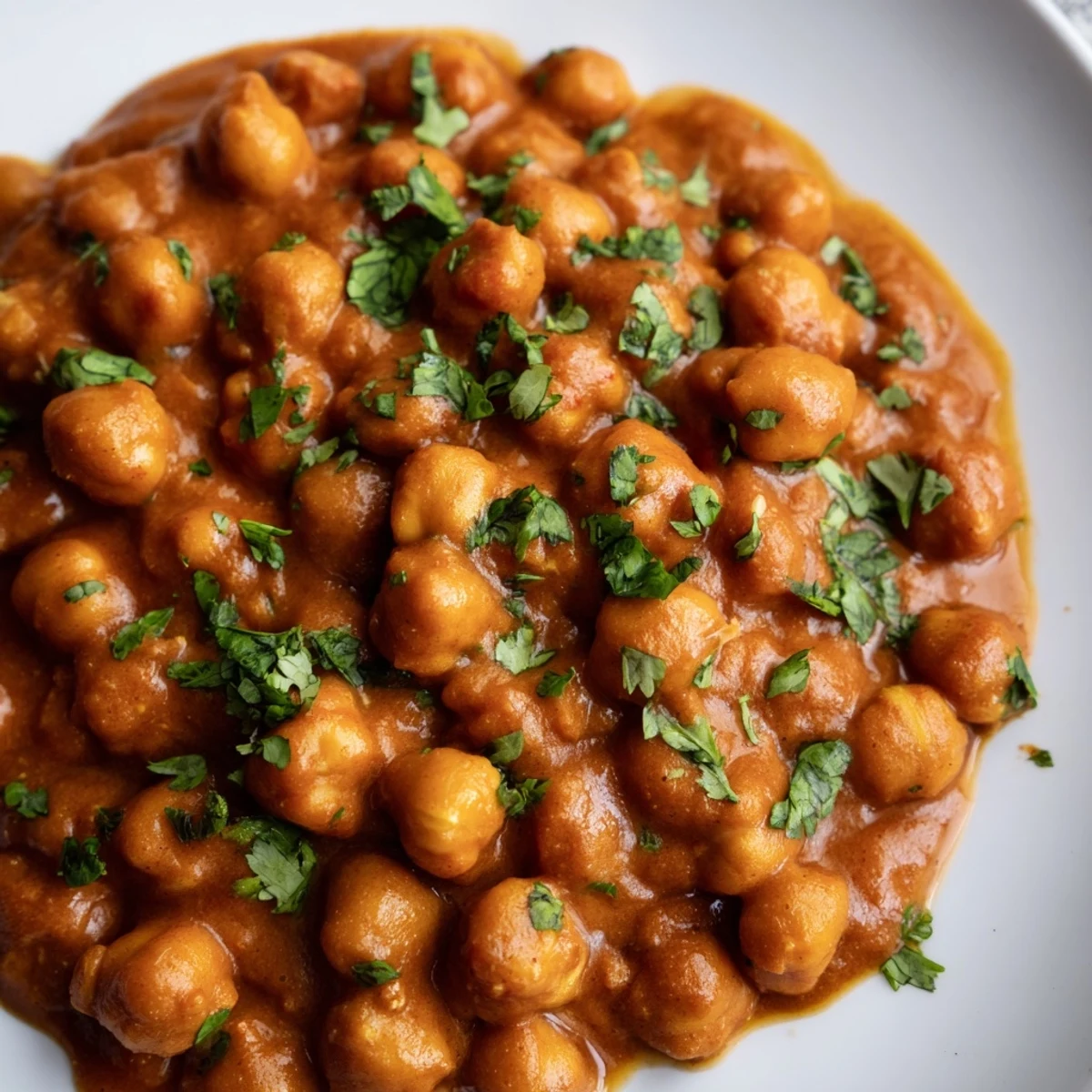
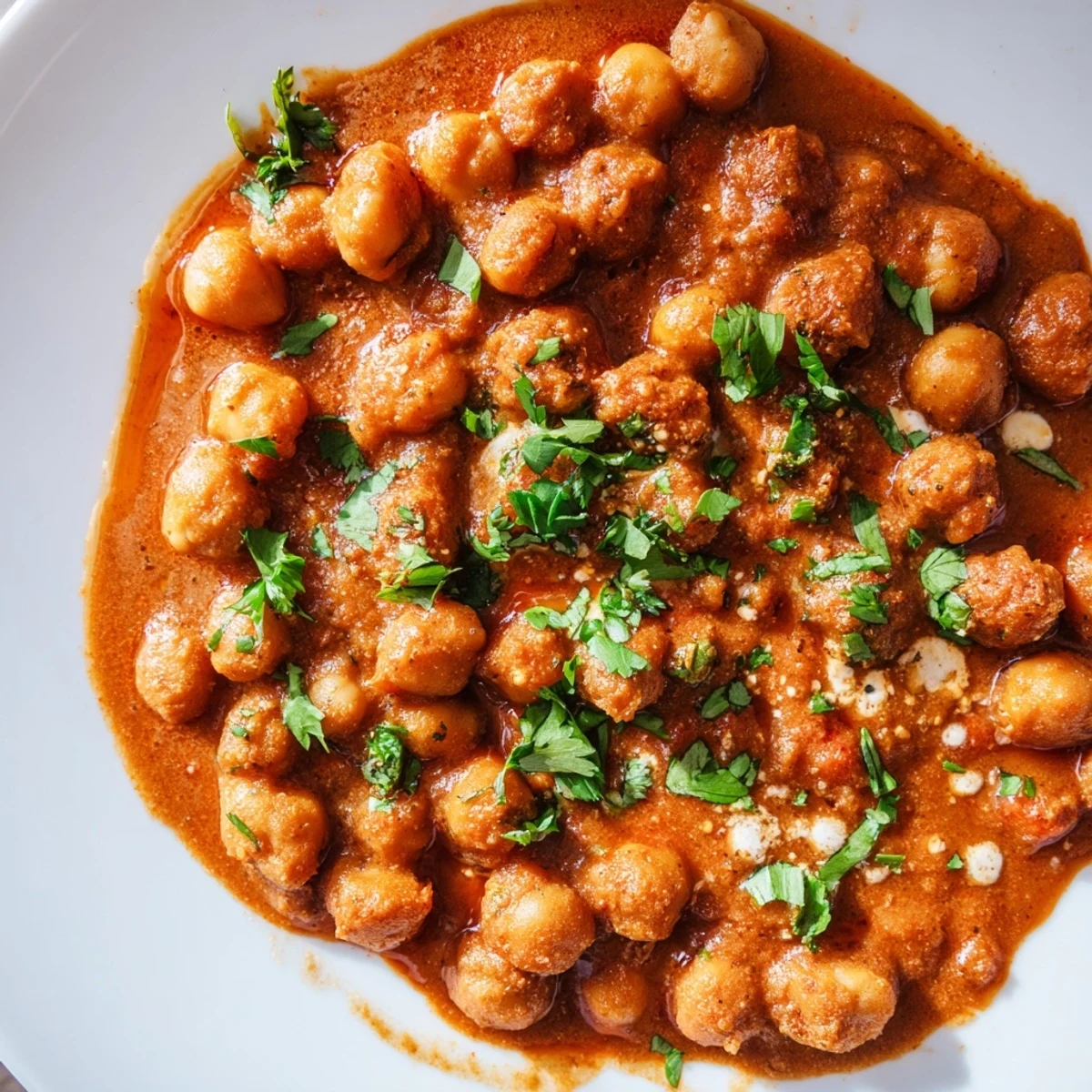
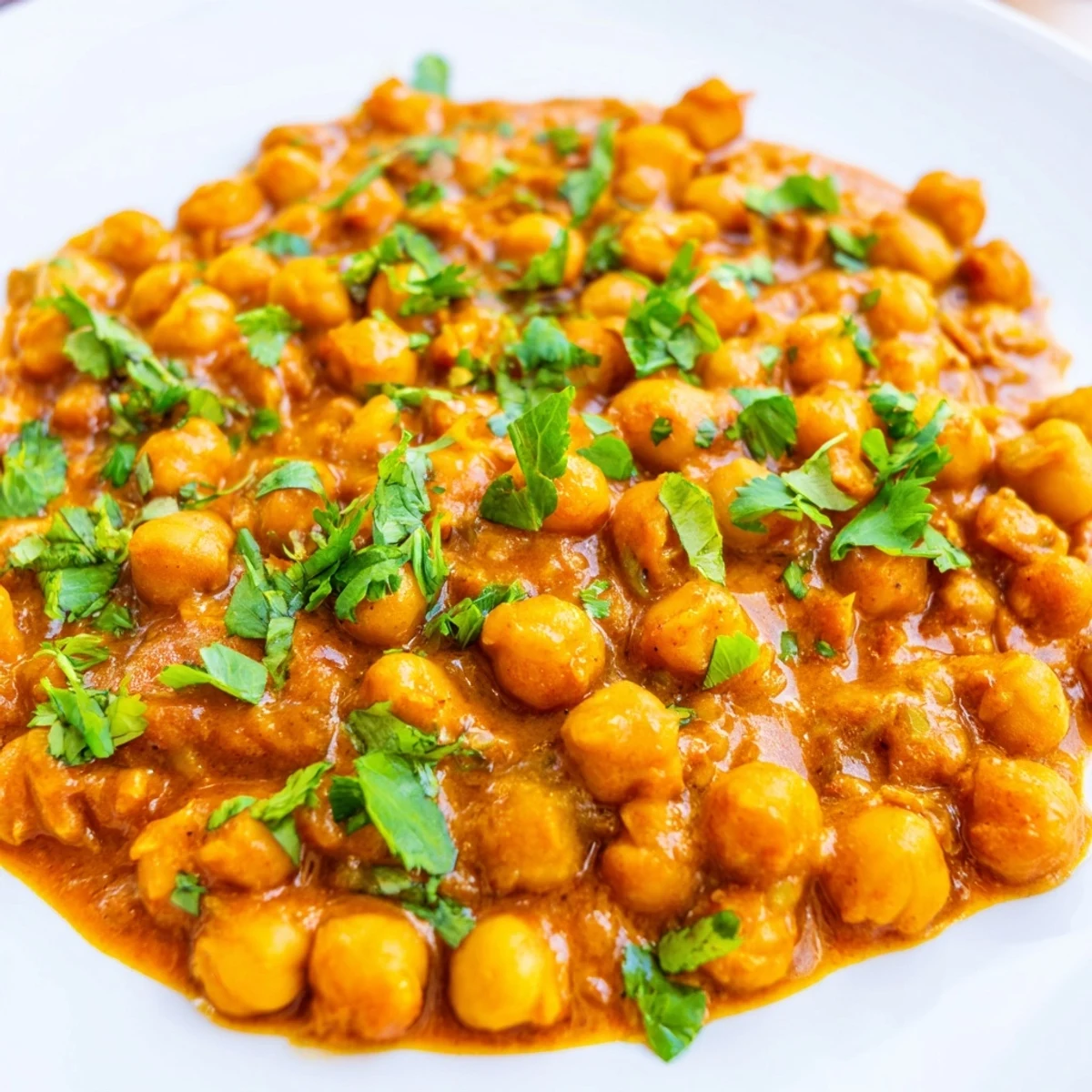
Save This flavorful dish combines tender chickpeas simmered in a spiced tomato and creamy coconut sauce, enhanced with aromatic spices like garam masala, cumin, and turmeric. Served with fluffy basmati rice, it offers a comforting plant-based meal rich in texture and taste. The cooking process involves a gentle sauté of aromatics followed by a slow simmer that melds flavors beautifully. Garnished with fresh cilantro and a hint of lemon, this dish balances warmth and freshness in every bite.
I discovered this recipe on a drizzly Tuesday when my partner mentioned missing the tikka masala from our favorite Indian restaurant, but we wanted something completely plant-based. I had chickpeas, coconut milk, and an ambitious mood, so I started building the sauce from memory and instinct. Three hours later, after tasting and adjusting the spices at least five times, I realized I'd created something that tasted even better than what we were craving—rich, warm, and deeply satisfying in a way that made us both pause between bites.
The first time I made this for my sister's dinner party, I was nervous about whether a vegan main course would feel substantial enough. When she went back for seconds and asked for the recipe before dessert was even plated, I knew this was something special. Now it's become my go-to dish for impressing people who think vegan cooking is limiting—it's proof that abundance comes from knowing your spices, not from animal products.
Ingredients
- Coconut oil or olive oil: Coconut oil adds a subtle richness that complements the curry spices, but olive oil works beautifully if that's what you have on hand.
- Onion: A large onion finely chopped becomes the foundation—it should caramelize slightly to develop sweetness that balances the spices.
- Garlic and ginger: Fresh is essential here; minced garlic and grated ginger release their oils when heated and create the aromatic base that makes your kitchen smell incredible.
- Green chili: Optional, but it adds a fresh heat that rounds out the spice profile beautifully.
- Garam masala, cumin, coriander, paprika, turmeric, cayenne: This blend is what transforms simple ingredients into something memorable—toast them briefly so their flavors bloom and deepen.
- Canned tomatoes and coconut milk: Both should be full-fat and good quality; they're what make this sauce luxurious and clingy to the chickpeas.
- Chickpeas: Two cans drained and rinsed become meaty and satisfying in the sauce; they're your protein star.
- Salt, pepper, maple syrup: These seem basic, but the maple syrup is the secret that makes the tomato sauce feel complete rather than one-note.
- Lemon juice and cilantro: Added at the end, these brighten everything and prevent the dish from feeling heavy.
- Basmati rice: Long-grain and fragrant, it's the perfect canvas for soaking up this sauce.
Instructions
- Prepare your rice first:
- Rinse the basmati rice under cold water, stirring gently with your fingers until the water runs clear—this removes excess starch and helps each grain stay separate. Combine with water and salt in a medium saucepan, bring to a boil, then cover and reduce heat to low for 15 minutes; the gentle simmer is what creates that fluffy, tender texture.
- Build your aromatic base:
- Heat coconut oil over medium heat and add your finely chopped onion, letting it sauté for 5–7 minutes until it's soft and golden at the edges—this is where the magic starts. When it's ready, add garlic, ginger, and green chili if using, stirring constantly for just 1–2 minutes until the kitchen smells intoxicating.
- Toast your spices:
- Stir in all your dry spices—garam masala, cumin, coriander, paprika, turmeric, and cayenne—and let them cook for exactly one minute, stirring constantly. This brief toasting unlocks their essential oils and prevents that raw spice taste.
- Create the tomato base:
- Add your canned tomatoes and let them cook for about 5 minutes, stirring occasionally, until they break down slightly and the mixture begins to thicken. The sauce should smell savory and slightly sweet.
- Build the creamy sauce:
- Pour in your full-fat coconut milk, stirring gently to combine, then add the drained chickpeas, salt, black pepper, and maple syrup. Bring everything to a gentle simmer—you want bubbles breaking the surface, not a rolling boil.
- Let it simmer and meld:
- Cook uncovered for 15–20 minutes, stirring occasionally, until the sauce thickens and becomes luxuriously creamy. You'll notice the flavors deepening and the chickpeas absorbing the sauce, becoming tender and flavorful.
- Finish with brightness:
- Remove from heat and stir in lemon juice and fresh cilantro, tasting as you go and adjusting salt or spice to your preference. The lemon juice is crucial—it cuts through the richness and makes everything feel balanced.
- Come together on the plate:
- Fluff your rice with a fork, divide among bowls, and ladle the tikka masala generously over top. Garnish with extra cilantro and serve immediately while everything is warm and fragrant.
 Save
Save I'll never forget cooking this for a friend who'd recently gone vegan and was worried about missing her favorite comfort foods. Watching her close her eyes while eating and say, 'This is exactly what I needed,' reminded me that feeding people isn't about what you remove—it's about what you create with intention and care. This dish does that beautifully.
Variations and Flavor Tweaks
Once you master the basic recipe, the fun begins with gentle experimentation. I've added roasted cauliflower for extra texture, substituted some of the chickpeas with cooked lentils for a different earthiness, and even stirred in spinach or kale at the very end for color and nutrition. Each change feels natural rather than forced, and the base sauce is forgiving enough to accommodate your preferences or whatever's in your kitchen.
Serving and Pairing Ideas
Beyond basmati rice, this tikka masala is endlessly flexible. Serve it with warm vegan naan for scooping, or alongside quinoa if you want a different grain. I've ladled it over roasted sweet potatoes, spooned it into whole wheat wraps, and even served it with crusty bread for soaking up every last drop of sauce. The sauce is rich enough that you don't need many sides, but a simple cucumber salad or a dollop of coconut yogurt adds cooling contrast.
Make It Your Own
The beauty of this recipe is that it meets you where you are—if you prefer less spice, reduce the cayenne and fresh chili. If you want it hotter, add more of both. If you're cooking for someone with a nut allergy, this is naturally safe. You can make it ahead and reheat gently on the stovetop, freeze it for later, or scale the ingredients up or down depending on how many people you're feeding. This isn't a rigid formula; it's a warm, adaptable base that becomes better the more you cook it and make it yours.
- Leftovers taste even better the next day after the flavors have melded and deepened overnight in the fridge.
- This recipe freezes beautifully in airtight containers for up to three months, making it perfect for meal prep or feeding unexpected guests.
- If the sauce thickens too much when reheating, stir in a splash of coconut milk or water to bring it back to a silky consistency.
 Save
Save This dish has become my answer to the question, 'What should I cook when I want to feel nourished and cared for?' There's something about building layers of flavor and aroma that feels less like cooking and more like creating something that says, 'You matter,' whether you're making it for yourself or someone you love.
Recipe FAQs
- → How do I make the basmati rice fluffy?
-
Rinse the rice until water runs clear, then simmer with water and salt on low heat, covered, before letting it stand covered off the heat. Fluff with a fork before serving.
- → Can I adjust the spice level in this dish?
-
Yes, reduce or omit green chili and cayenne pepper according to your preferred heat level without compromising flavor.
- → What oil is best for cooking the curry base?
-
Coconut oil or olive oil works well to sauté the onions and spices, enhancing the aroma and richness.
- → How can I add extra depth to the chickpeas?
-
Roasting the chickpeas with spices before adding them to the sauce adds a deeper, toasted flavor and texture.
- → Can this dish be prepared ahead of time?
-
Yes, it stores well refrigerated for up to three days and flavors often improve after resting.