
 Save
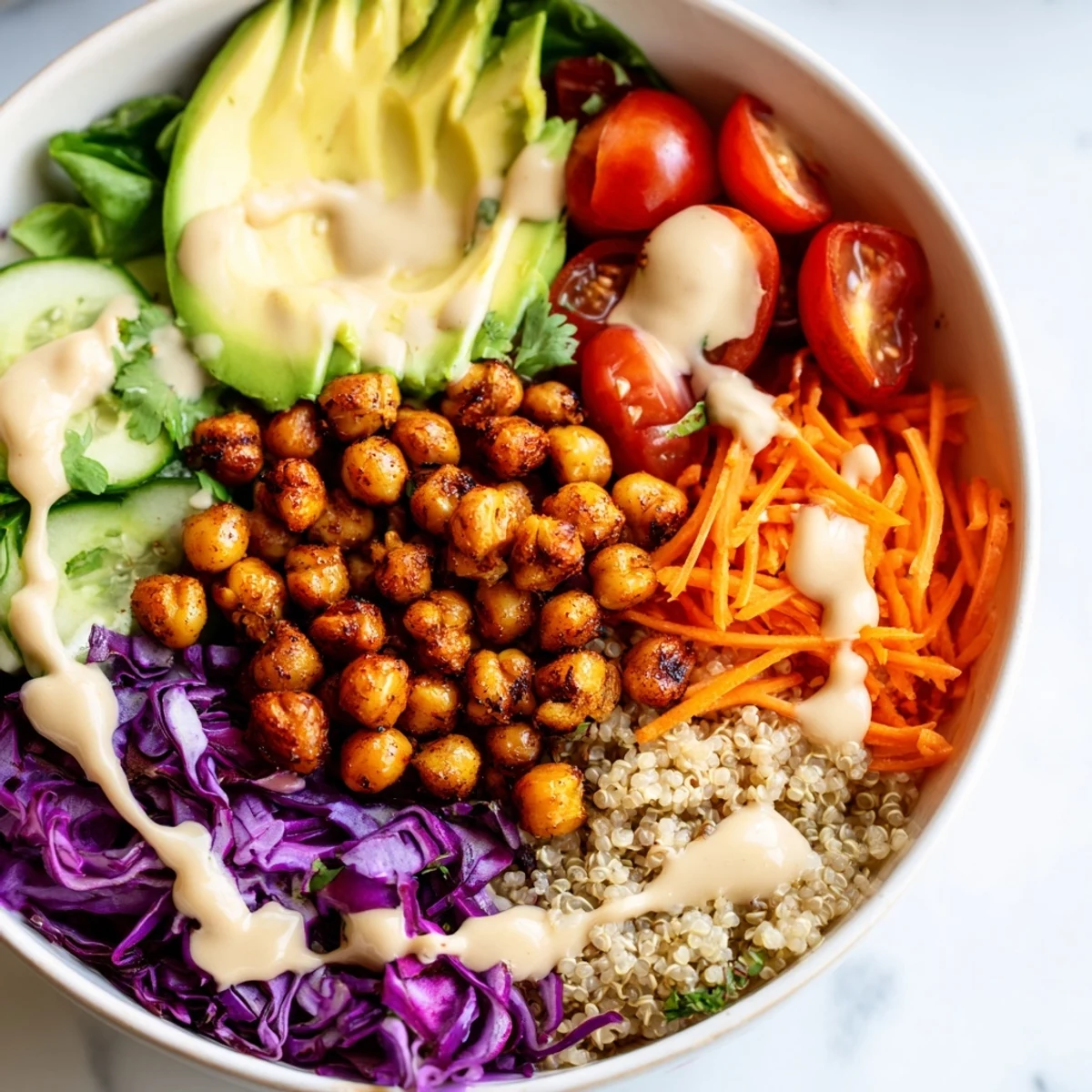
Save This vibrant Buddha bowl brings together fluffy quinoa, crispy smoked paprika chickpeas, and a rainbow of fresh vegetables including julienned carrots, creamy avocado, cherry tomatoes, and shredded red cabbage.
Everything gets drizzled with a luscious tahini-lemon dressing that ties all the flavors together beautifully. Ready in just 45 minutes, it makes a satisfying and wholesome plant-based meal for four.
My kitchen counter looked like a painters palette the afternoon I threw together my first Buddha bowl, rain drumming against the window while I rummaged through a nearly empty fridge. What started as a desperate clean out the vegetable drawer effort turned into the most satisfying meal I had eaten in weeks. That chaotic, colorful arrangement of whatever I could find taught me that beauty in cooking often comes from improvisation rather than precision. I have been hooked ever since.
I made a massive batch of these bowls for a picnic last summer, packing each one in a mason jar with the dressing at the bottom so nothing got soggy on the drive to the lake. My friend Elena took one bite, closed her eyes, and said absolutely nothing for about ten seconds, which is the highest compliment I have ever received from her. Now she texts me every Sunday asking what grains she should prep for the week.
Ingredients
- Quinoa: The fluffy, slightly nutty base that soaks up dressing beautifully, and rinsing it removes the bitter coating that catches people off guard.
- Chickpeas: Roasting them with smoked paprika and cumin transforms canned chickpeas into something genuinely crunchy and addictive.
- Tahini: This sesame paste is the backbone of the dressing, and a fresh jar makes all the difference since old tahini can taste flat and bitter.
- Lemon juice: Brightens the heavy richness of tahini and wakes up every vegetable it touches.
- Maple syrup: A gentle sweetness that balances the salty soy sauce and tangy lemon without overpowering the bowl.
- Soy sauce: Adds deep umami to the dressing, and tamari works perfectly if you need to keep it gluten free.
- Smoked paprika: Gives the chickpeas a warm, campfire edge that makes them impossible to stop snacking on straight from the tray.
- Ground cumin: An earthy warmth that ties the roasted chickpeas to the rest of the bowl.
- Red cabbage: Brings a satisfying crunch and a pop of purple that makes the whole bowl look stunning.
- Avocado: Creamy contrast to the crispy chickpeas, and a ripe one should yield slightly when you press near the stem.
- Cherry tomatoes: Their sweetness bursts against the savory dressing, and halving them releases juices that mingle with everything.
- Carrots: Julienned thin, they add crunch and a bright orange streak that makes the bowl feel complete.
- Cucumber: Cool and refreshing, it lightens each bite and pairs especially well with the tahini.
- Baby spinach: A tender green that wilts slightly under warm quinoa without turning into mush.
- Olive oil: Just enough to coat the chickpeas and help the spices stick during roasting.
- Sesame seeds: A final sprinkle adds a toasty crunch and makes the bowl look like it came from a café.
- Fresh cilantro or parsley: A handful of herbs at the end makes everything taste brighter and more alive.
Instructions
- Cook the quinoa:
- Rinse the quinoa under cold water until it runs clear, then combine it with water and a pinch of salt in a saucepan and bring it to a boil. Cover, reduce the heat, and let it simmer for 15 minutes before removing it from the stove to steam covered for 5 more minutes.
- Crisp the chickpeas:
- Toss the drained chickpeas with olive oil, smoked paprika, cumin, salt, and pepper, then spread them on a baking tray in a single layer. Roast at 200 degrees Celsius for 20 minutes, shaking the tray once halfway through, until they are golden and audibly crunchy when you tap one with a spoon.
- Prep the vegetables:
- While the quinoa and chickpeas do their thing, wash and slice every vegetable, laying them out in small piles on your cutting board so assembly feels effortless and calm.
- Whisk the dressing:
- In a small bowl, stir together the tahini, lemon juice, maple syrup, and soy sauce, adding water one tablespoon at a time until it drizzles smoothly off the whisk like a ribbon.
- Build the bowls:
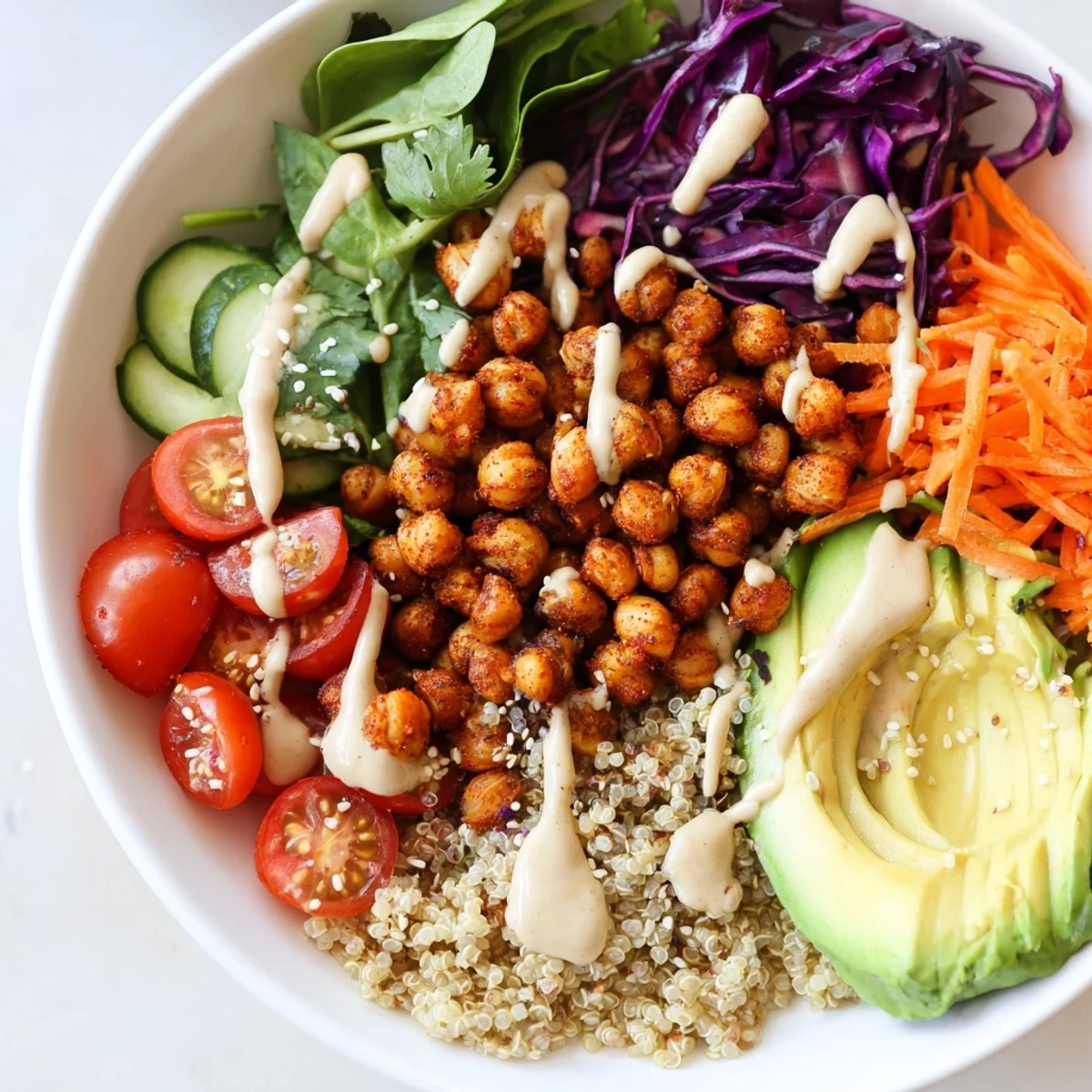
- Divide the fluffy quinoa among four bowls, then arrange the vegetables and roasted chickpeas on top in sections so every spoonful gets a little bit of everything. Drizzle generously with tahini dressing and finish with sesame seeds and a scatter of fresh herbs.
 Save
Save There is something deeply meditative about assembling a Buddha bowl, arranging each ingredient in its own little section while the kitchen still smells like roasted cumin. It slows me down in a way that few other meals do, turning a Tuesday dinner into a small act of care for myself.
Choosing and Storing Your Ingredients
I learned the hard way that avocados have an infuriatingly narrow window of perfection, so I now buy them two days before I plan to make this bowl and let them ripen on the counter. Leftover components keep beautifully in separate containers in the fridge for up to three days, though the dressing will thicken in the cold and needs a quick stir with a splash of warm water to bring it back to life.
Making It Your Own
This bowl welcomes substitutions like an old friend welcomes impromptu guests, and some of my best versions came from swapping in roasted sweet potato or steamed edamame when I was out of chickpeas. Brown rice, bulgur, or even couscous step in for quinoa without complaint, and any crunchy vegetable you love deserves a spot in the lineup.
Serving and Sharing
I have started setting out all the components buffet style when friends come over, letting everyone build their own bowl while the conversation flows around the kitchen island. It turns dinner into an interactive experience, and people always eat more vegetables when they get to choose exactly what lands in their bowl.
- Toast the sesame seeds in a dry pan for two minutes to unlock a nutty aroma that the raw version simply cannot match.
- Double the dressing recipe because you will absolutely want it for leftover grain bowls or as a dip for raw vegetables later in the week.
- Remember that the best Buddha bowl is the one made with whatever you already have, so do not let a missing ingredient stop you.
 Save
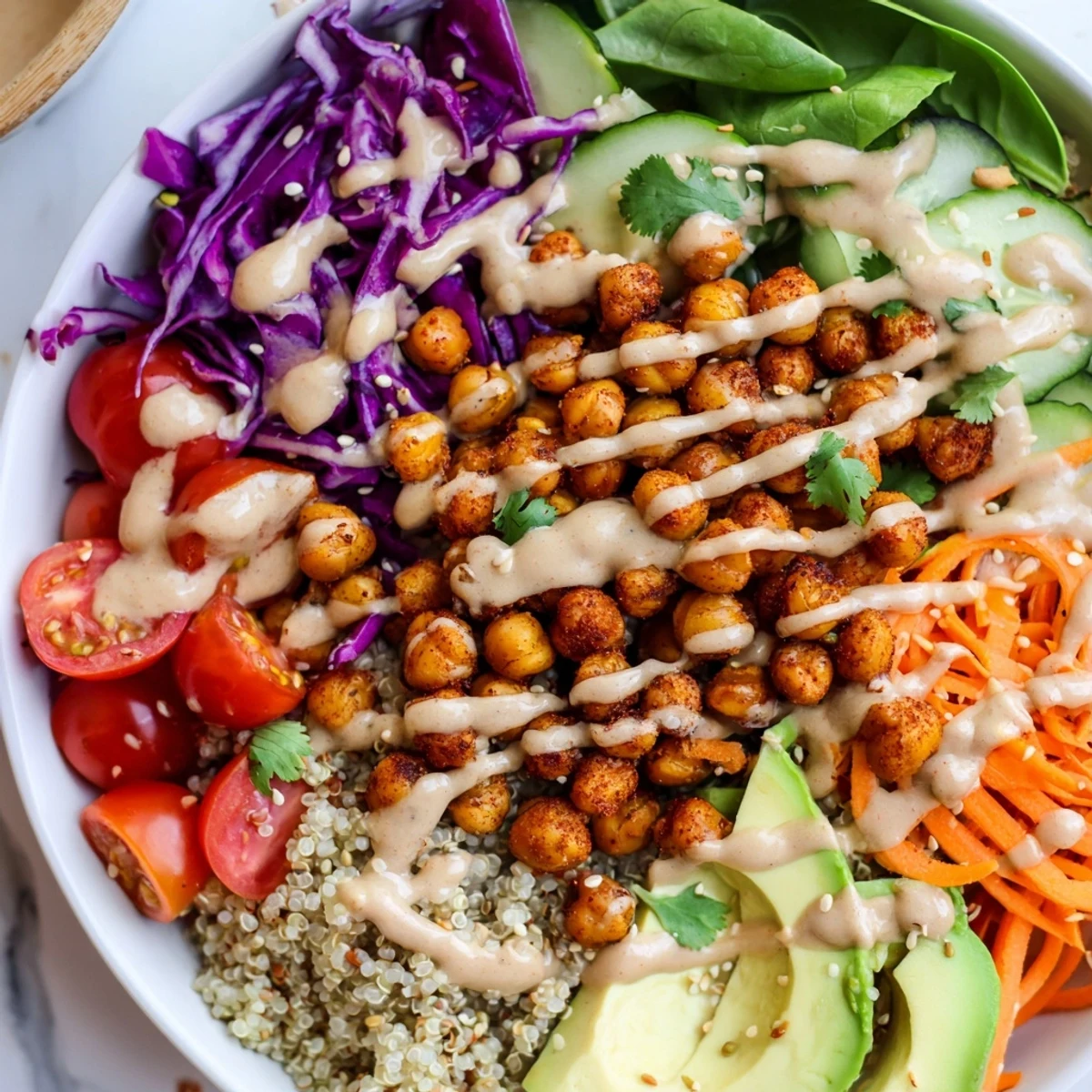
Save Make this bowl once and it will become a quiet staple in your week, a reliable canvas that shifts with the seasons and always leaves you feeling genuinely nourished. Trust the process, trust your taste, and enjoy every colorful bite.
Recipe FAQs
- → Can I meal-prep Buddha bowls in advance?
-
Yes, you can prepare each component separately and store them in airtight containers in the refrigerator for up to 4 days. Keep the dressing and avocado separate, then assemble just before serving for the freshest results.
- → What can I substitute for quinoa?
-
Brown rice, bulgur, couscous, or farro all work well as a base. Adjust cooking times accordingly and follow the package instructions for whichever grain you choose.
- → How do I make the chickpeas extra crispy?
-
Make sure the chickpeas are thoroughly dried after draining. Spread them in a single layer on the baking tray without overcrowding, and roast at 200°C (400°F) for 20–25 minutes, shaking the tray halfway through.
- → Is the tahini dressing suitable for nut allergies?
-
Tahini is made from sesame seeds, not nuts, so it is generally safe for nut allergies. However, always check labels for potential cross-contamination and substitute the soy sauce with a gluten-free tamari if needed.
- → Can I serve this Buddha bowl warm?
-
Absolutely. Serve the quinoa and roasted chickpeas warm straight from cooking, then add the fresh vegetables and dressing on top. The contrast of warm and cool ingredients is part of what makes Buddha bowls so enjoyable.
- → What seasonal vegetables work best in this bowl?
-
Roasted sweet potato in autumn, steamed asparagus in spring, grilled zucchini in summer, or massaged kale in winter all make excellent additions. Adapt the vegetables to what is freshest and most available.