
 Save
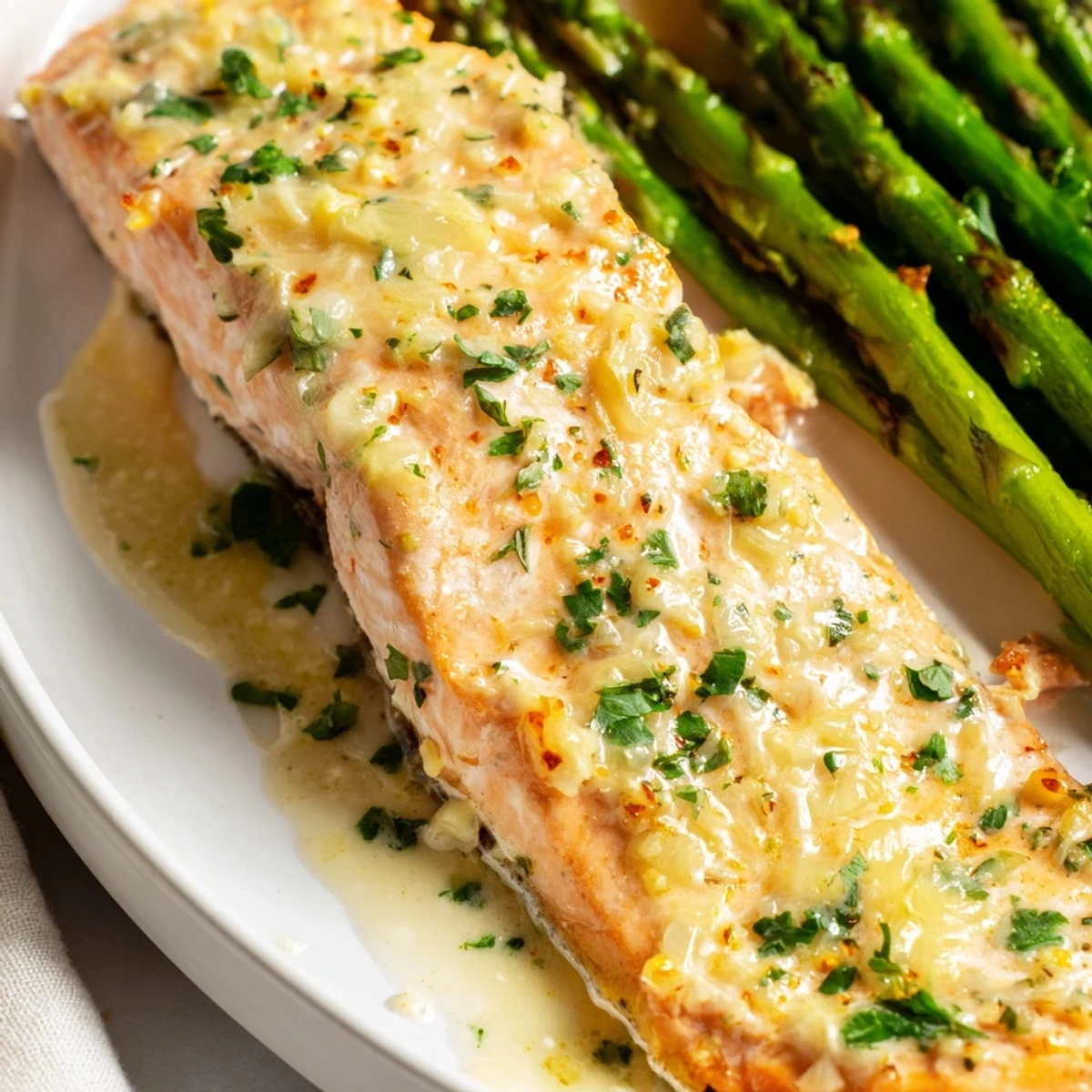
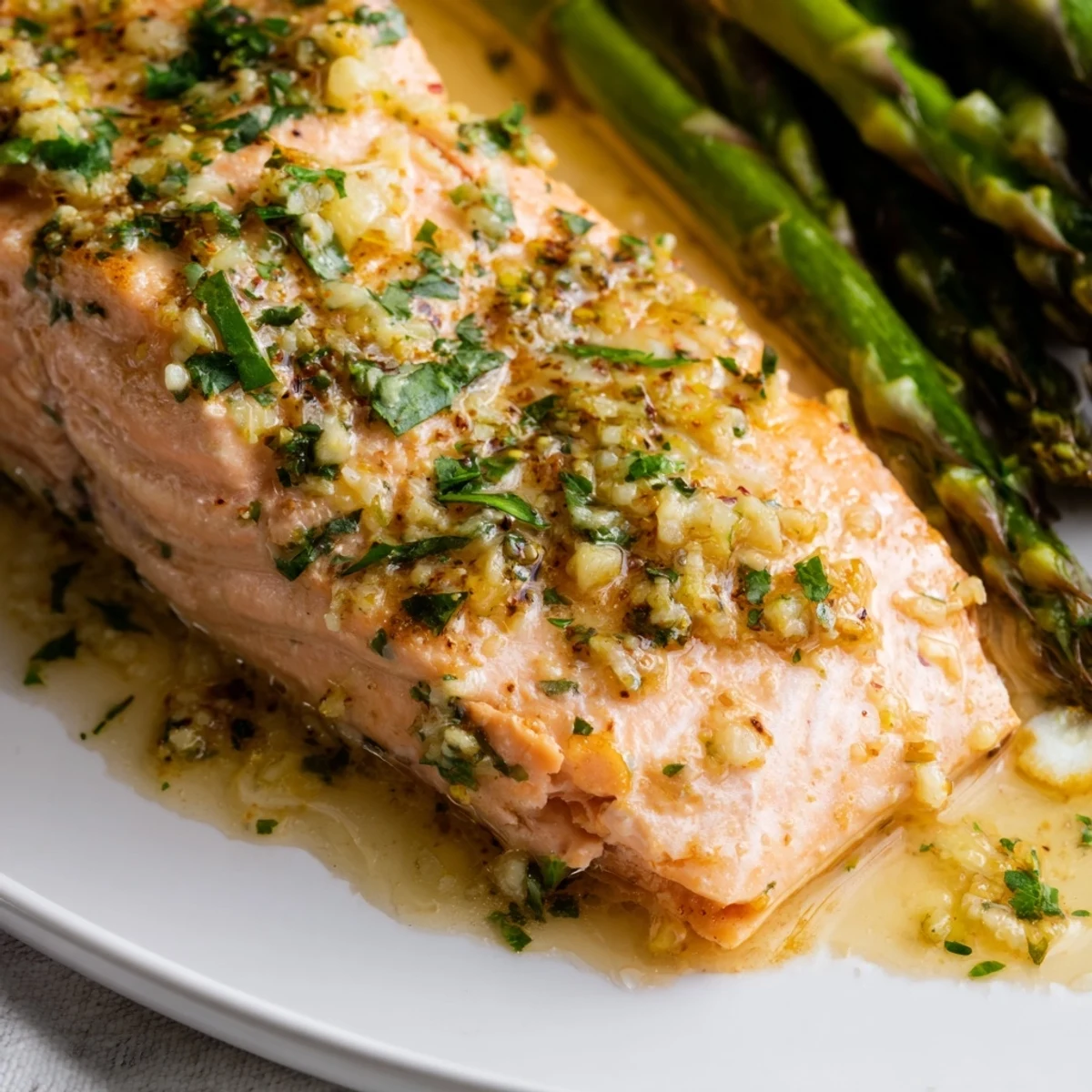
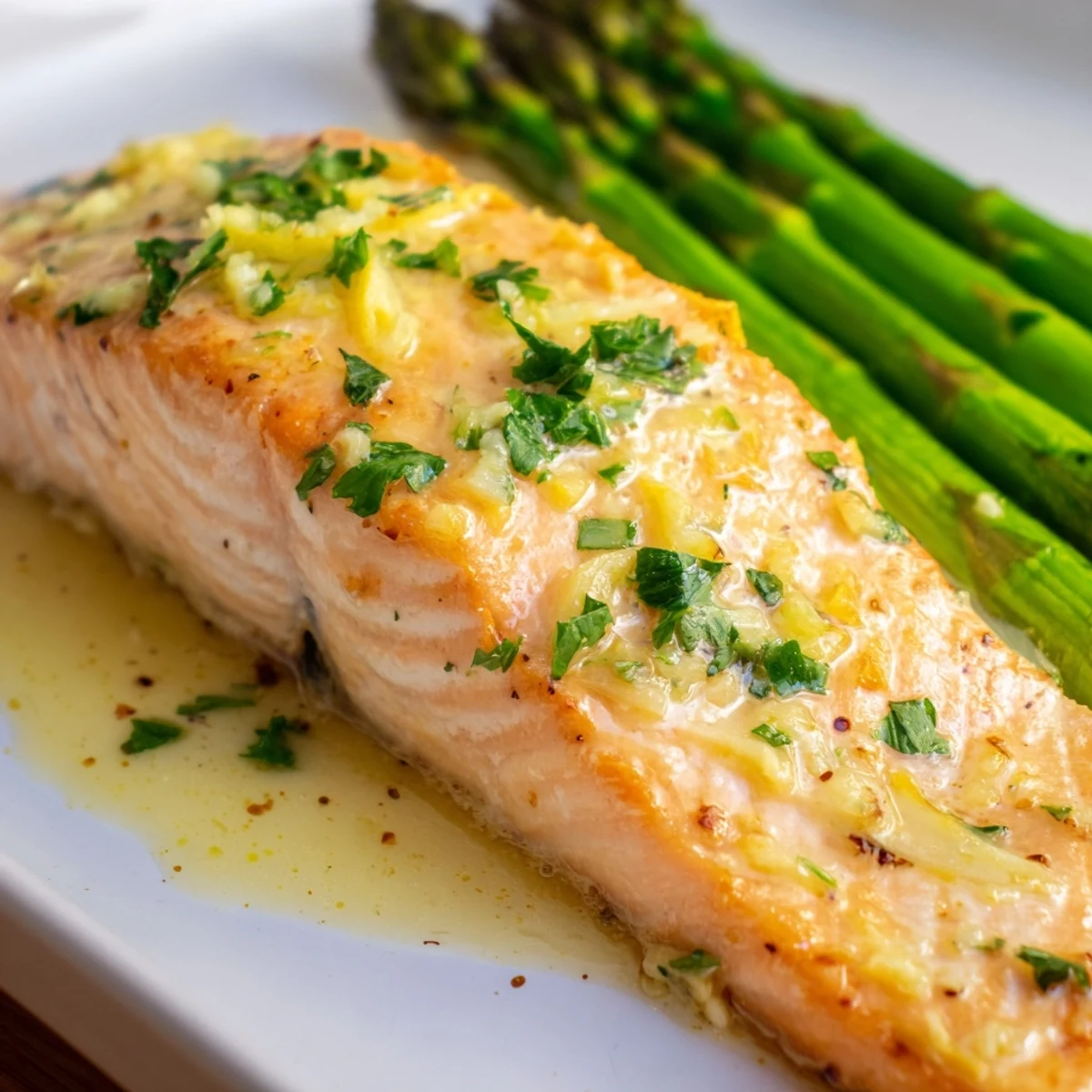
Save This dish features tender salmon fillets baked in a rich, zesty lemon-garlic butter sauce, complemented by perfectly roasted asparagus. The combination of bright citrus, savory garlic, and fresh herbs creates a vibrant flavor profile. With just 10 minutes of prep and 20 minutes in the oven, it's an ideal choice for a quick yet impressive weeknight meal that is naturally low-carb and gluten-free.
There's something almost magical about the moment when you pull a pan of salmon from the oven and the kitchen floods with that bright, buttery lemon aroma. I discovered this particular combination on a weeknight when I had nothing in the fridge except salmon, a lonely bunch of asparagus, and the kind of exhaustion that demands something simple but unforgettable. Twenty minutes later, dinner was ready, and my family asked for seconds before I'd even sat down.
I made this for my parents last spring when they were visiting, and my dad—who normally just eats what's put in front of him—actually asked for the recipe. He made it the following week and texted me a photo of his version. It became our thing after that, a shorthand for "let's keep it easy but make it taste good."
Ingredients
- Salmon fillets (4, about 150 g each): Look for fillets that feel firm to the touch and smell briny, not fishy; skin-on helps them stay moist during baking.
- Fresh asparagus (1 bunch, about 450 g): Choose spears that snap cleanly when bent; thinner ones cook faster and are more tender than thick woody ones.
- Unsalted butter (3 tablespoons, melted): This is your base; using unsalted lets you control the salt level and prevents the sauce from becoming too savory.
- Olive oil (3 tablespoons, divided): The extra tablespoon brushed on the asparagus keeps it from sticking and helps it caramelize slightly at the edges.
- Garlic (3 cloves, minced): Mince it by hand if you have time; the pieces stay slightly larger and won't burn as easily as pre-minced garlic.
- Lemon (1, zested and juiced): Zest first before cutting, and if your lemon feels hard, microwave it for 15 seconds to make juicing easier.
- Fresh thyme (1 teaspoon, or 1/2 teaspoon dried): Fresh herbs taste brighter, but dried works perfectly fine—just use half the amount.
- Fresh parsley (1 teaspoon, plus extra for garnish): Save some fresh leaves for scattering on top right before serving; it adds a pop of color and freshness.
- Paprika (1/2 teaspoon): This gives the dish a subtle warmth and helps the sauce look more appetizing with its warm reddish tone.
- Salt and black pepper: Taste as you go; the lemon juice is acidic enough that you'll need less salt than you might expect.
- Lemon wedges: Serve these on the side so everyone can squeeze extra brightness over their plate if they want it.
Instructions
- Heat your oven and prepare the stage:
- Get your oven to 200°C (400°F) and line your baking sheet with parchment paper—this prevents sticking and makes cleanup nearly invisible. If you don't have parchment, a light coating of oil works just fine.
- Arrange salmon and asparagus with intention:
- Place salmon fillets skin-side down in the center of the sheet, then lay asparagus spears around them in a single layer. This positioning lets the heat circulate evenly so everything finishes at the same moment.
- Whisk together your golden sauce:
- In a small bowl, combine the melted butter, two tablespoons of olive oil, minced garlic, lemon zest, lemon juice, thyme, parsley, paprika, salt, and pepper. The mixture should smell bright and herbaceous; if it smells flat, you might need a pinch more salt to wake it up.
- Coat everything generously:
- Pour or brush the lemon-garlic mixture over the salmon and asparagus, making sure to get some sauce into the crevices where the asparagus meets the pan. Drizzle the remaining tablespoon of olive oil over the asparagus so it gets crispy at the edges.
- Bake until everything is tender:
- Slide the pan into the oven for 15 to 18 minutes—the salmon is done when it's opaque and flakes easily with a fork, and the asparagus should be tender but still have a slight snap. If you like a golden finish, turn the broiler on for the last 2 to 3 minutes, but watch closely so nothing burns.
- Finish with freshness and serve:
- Remove from the oven and scatter fresh parsley over everything while it's still warm. Arrange lemon wedges on the plate and serve immediately while the butter is still glossy.
 Save
Save The first time someone I cooked this for said "this tastes like somewhere special," I realized it wasn't about the fancy ingredients or precise technique—it was about how simple food, treated with care and the right seasonings, becomes something people want to remember. That's when cooking stopped feeling like a chore and started feeling like a small kind of magic.
Why This Combination Works
Salmon's richness needs brightness, and lemon provides that without overwhelming the delicate flavor of the fish. Asparagus is a natural partner because it's sturdy enough to handle the same roasting temperature without falling apart, and its slightly grassy flavor echoes the herbs in the butter. The garlic mellows as it bakes, becoming sweet and almost caramelized rather than sharp and raw. Everything finishes at exactly the same moment, which is the kind of small miracle that makes cooking feel less like juggling and more like an actual system.
Timing and Temperature Matter
The oven temperature of 200°C is the sweet spot for this dish—high enough that things cook through in under 20 minutes, but not so hot that the outside burns before the inside is done. If your oven runs hot (and many home ovens do), start checking at 14 minutes. If it runs cool, you might need the full 18 minutes or even a minute or two longer. The best way to know is that split-second when you tap the salmon with a fork and it flakes apart with no resistance.
Make It Yours
This recipe is a foundation, not a prescription. I've made it with dill instead of thyme on nights when I wanted something more anise-forward, and it's equally good. Some people sprinkle grated Parmesan over the asparagus before roasting, which adds a savory, nutty layer that feels indulgent without being heavy. If you're serving this to someone who needs dairy-free, plant-based butter works beautifully in the sauce.
- Serve with roasted potatoes or rice if you want something more substantial, or pair it with a fresh salad if you're keeping it lighter.
- A cold Sauvignon Blanc or Pinot Grigio cuts through the richness of the butter and echoes the lemon, making the whole meal feel balanced and bright.
- Leftovers are almost better cold the next day, flaked into salads or eaten straight from the fridge as an afternoon snack that feels surprisingly luxurious.
 Save
Save This is the kind of meal that feels effortless once you've made it once, which means you'll make it again and again until it becomes part of your regular rotation. There's real freedom in that.
Recipe FAQs
- → How do I know when the salmon is done?
-
The salmon is done when it turns opaque throughout and flakes easily with a fork. The internal temperature should reach 145°F (63°C).
- → Can I use frozen asparagus?
-
Fresh asparagus works best for roasting to maintain a tender-crisp texture. If using frozen, thaw it completely and pat it dry before seasoning to prevent sogginess.
- → What can I substitute for fresh thyme?
-
Dill or tarragon are excellent substitutes for thyme in this dish. They pair beautifully with the lemon and garlic flavors.
- → Is this dish dairy-free?
-
As written, it contains butter. To make it dairy-free, simply substitute the unsalted butter with a high-quality plant-based butter alternative.
- → Can I cook this on the stove instead?
-
Yes, you can pan-sear the salmon and asparagus. Cook the salmon skin-side down for about 4-5 minutes, flip, and cook for another 2-3 minutes. Sauté the asparagus in a separate pan with olive oil until tender-crisp.