
 Save
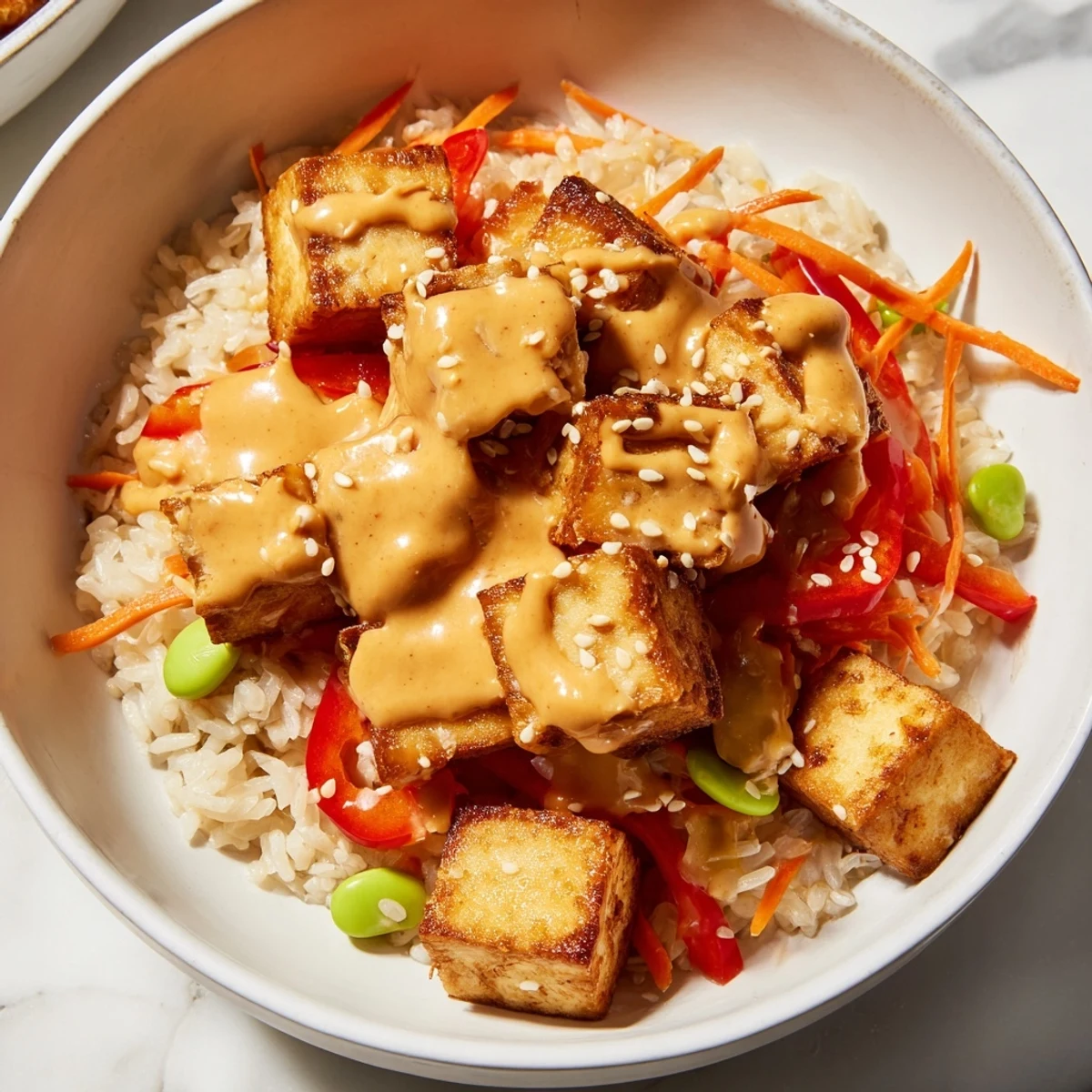
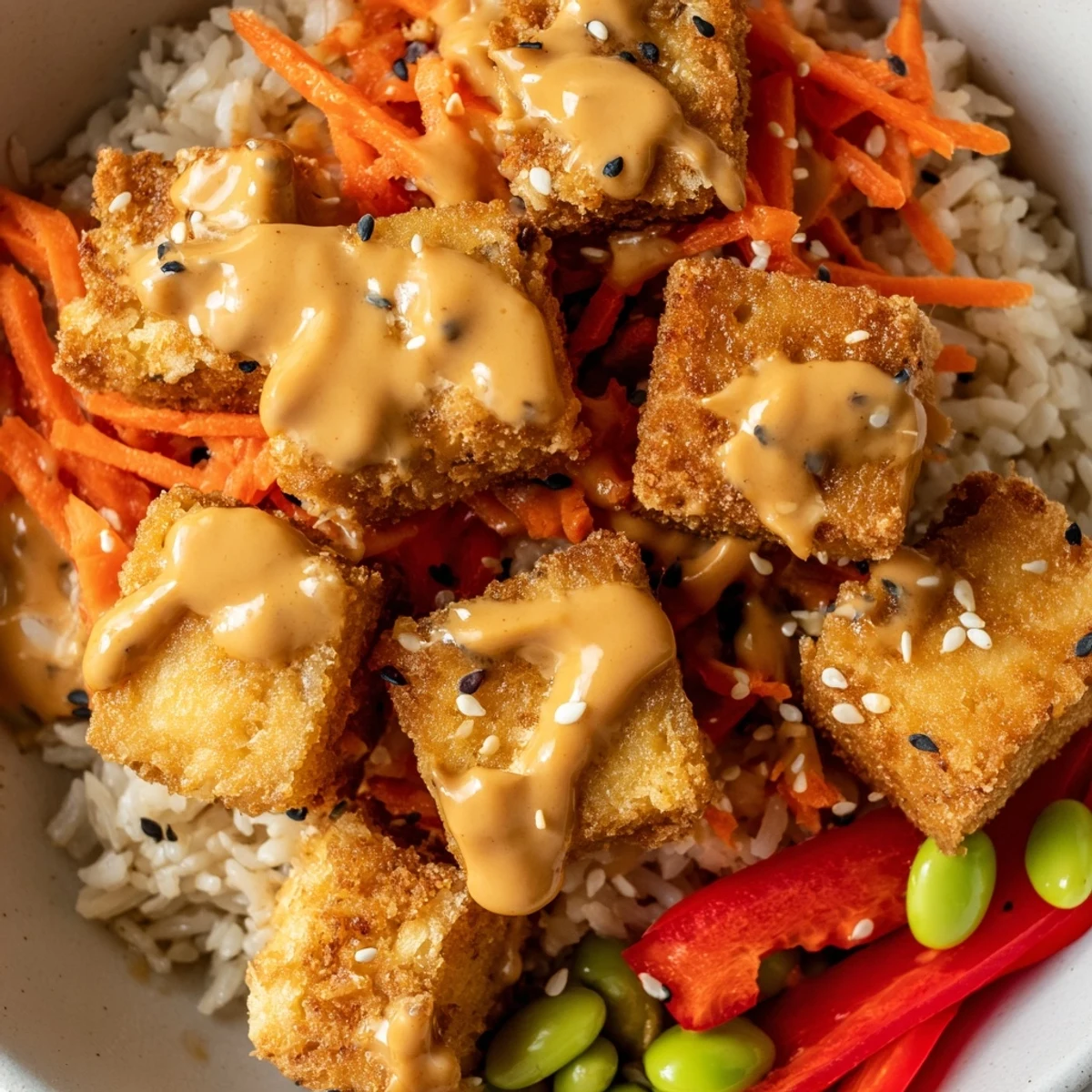
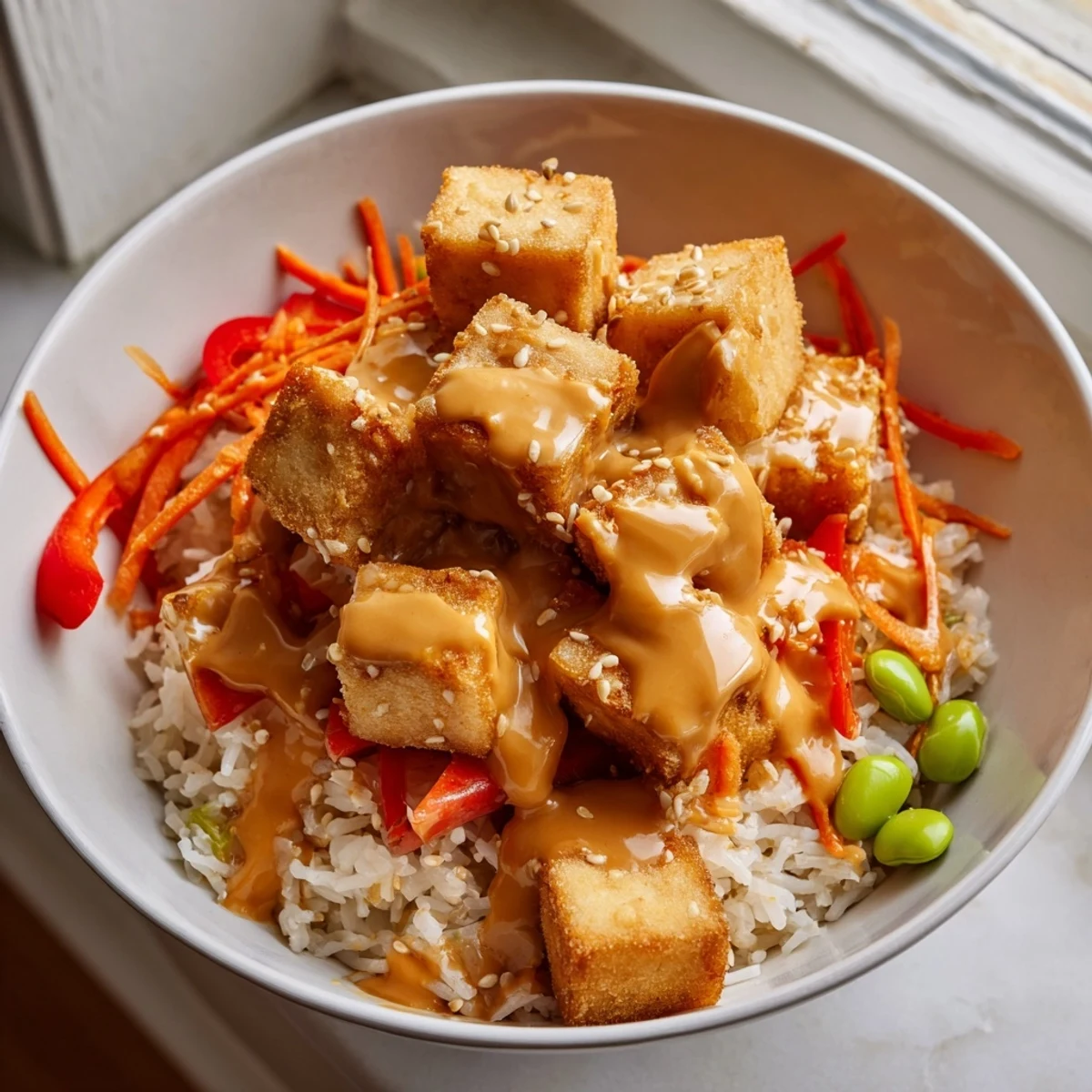
Save This Asian-inspired rice bowl brings together golden, crispy tofu cubes with a medley of fresh vegetables including cucumber, shredded carrot, bell pepper, and edamame, all drizzled with a rich and creamy peanut sauce.
The peanut sauce comes together in minutes with pantry staples like peanut butter, soy sauce, maple syrup, and a hint of ginger and garlic for depth. Adjust the sriracha to your preferred heat level.
With just 20 minutes of prep and 20 minutes of cooking, this dish feeds four and works beautifully for meal prep. It's naturally vegan, dairy-free, and packed with plant-based protein.
The sizzle of tofu hitting a hot pan on a Tuesday evening is, in my opinion, one of the most underrated kitchen sounds. I stumbled into this peanut sauce rice bowl routine during a phase when my fridge was perpetually half empty and my energy was running just as low. What started as a desperate toss-together of whatever remained has become the meal I crave most when I need something vibrant without the fuss. The crispy tofu and that velvety peanut sauce have a way of making a chaotic day feel handled.
My roommate walked in one night while I was whisking peanut sauce and declared it smelled like a street food stall in Bangkok, which might have been the best compliment my cooking has ever received. She sat on the kitchen counter eating straight from the mixing bowl before the rice was even done. Now it is our unspoken Wednesday tradition, and I always make double the sauce because she will absolutely eat it by the spoonful while waiting.
Ingredients
- Firm tofu (400 g): Pressing it well is the single most important step for getting those perfectly crispy edges that hold up under the sauce.
- Cornstarch (1 tbsp): This is the secret weapon that creates a delicate crunch on the tofu without needing a heavy batter or deep fry.
- Vegetable oil (2 tbsp): A neutral oil lets the tofu brown beautifully without competing flavors in the pan.
- Jasmine rice (250 g): Jasmine has a fragrant, slightly sticky quality that catches the peanut sauce in every bite, though brown rice works if you prefer something nuttier.
- Cucumber, carrot, bell pepper, edamame: A rainbow of raw and lightly cooked vegetables gives each bowl crunch, color, and a range of textures that keeps every forkful interesting.
- Creamy peanut butter (3 tbsp): Use the natural kind with just peanuts and salt if you can, because the flavor is richer and the sauce comes together more smoothly.
- Soy sauce (2 tbsp): This provides the salty, umami backbone that balances the sweetness of the maple syrup and the richness of the peanuts.
- Maple syrup or honey (1 tbsp): A small amount of sweetness rounds out the sauce and tames the heat from the sriracha if you are using it.
- Rice vinegar or lime juice (2 tsp): A hit of acidity brightens the whole sauce and keeps it from feeling too heavy on the bowl.
- Fresh ginger (1 tsp, grated): Ginger adds a warm, slightly spicy note that pulls all the sauce ingredients together into something complex rather than flat.
- Sriracha (1 tsp, optional): Just enough to give the sauce a gentle kick without overwhelming anyone who is sensitive to heat.
- Spring onions and sesame seeds: These finishing touches add a fresh bite and a nutty crunch that make the bowl feel complete.
Instructions
- Get the rice going first:
- Rinse the jasmine rice under cold water until it runs mostly clear, then combine it with water and a half teaspoon of salt in a saucepan. Bring it to a rolling boil, slap on the lid, drop the heat to low, and let it do its thing for 12 to 15 minutes until tender. Fluff it with a fork and keep it covered so it stays warm while you handle everything else.
- Crisp up the tofu:
- Cut the pressed tofu into bite sized cubes and gently toss them with cornstarch and a pinch of salt until evenly coated. Heat the oil in a large non stick skillet over medium high heat, then add the tofu in a single layer without crowding the pan. Let them cook undisturbed for a few minutes before turning, and keep rotating until every side is deeply golden and crispy, which should take about 8 to 10 minutes total.
- Whisk the peanut sauce:
- In a bowl, combine the peanut butter, soy sauce, maple syrup, rice vinegar, grated ginger, minced garlic, and sriracha if you are using it. Whisk until it forms a thick paste, then add warm water one tablespoon at a time until it reaches a pourable, silky consistency that drizzles nicely over the bowl.
- Prep all the vegetables:
- Slice the cucumber into thin rounds, julienne or shred the carrot, cut the bell pepper into thin strips, and make sure your edamame is shelled and ready. If your edamame is frozen, a quick steam or a minute in the microwave is all it needs.
- Build each bowl:
- Scoop a generous portion of warm rice into each bowl and arrange the tofu and vegetables on top in neat sections so it looks as good as it tastes. Drizzle the peanut sauce generously over everything, then finish with sliced spring onions and a sprinkle of toasted sesame seeds.
- Serve right away:
- These bowls are best eaten immediately while the tofu is still warm and crispy and the vegetables are cool and crunchy. Hand out chopsticks or forks and watch everyone dig in before the sauce even settles.
 Save
Save There was a Saturday when I made these bowls for a group of friends sitting cross legged on my living room floor, and nobody spoke for a full ten minutes because they were too busy eating. One friend who normally picks at vegetarian food went back for seconds and quietly asked me to text her the recipe before she left. That silence around the table, punctuated only by chopsticks scraping against ceramic, told me everything I needed to know.
Making It Your Own
The real beauty of a rice bowl is that it forgives substitutions gracefully and often improves when you bend the rules. Swap the cucumber for snap peas in spring, toss in roasted sweet potato when autumn hits, or pile on shredded purple cabbage for a color boost that makes the whole bowl look like a painting. I have even thrown in leftover roasted cauliflower on desperate nights and it somehow worked perfectly.
Storing and Reheating
Keep the components separate if you are planning for leftovers, because the peanut sauce will soak into everything overnight and turn your crisp vegetables into something sad and soggy. The tofu loses some of its crunch in the fridge but reheats surprisingly well in a dry skillet over medium heat for just a few minutes. Store the sauce in a jar and give it a good stir or a brief microwave before using, since natural peanut butter tends to separate and firm up when cold.
Serving Ideas and Final Thoughts
A squeeze of fresh lime juice over the finished bowl wakes up every flavor and adds a brightness that makes the whole dish feel lighter. Fresh herbs like cilantro or torn mint leaves scattered on top elevate the bowl from a good weeknight dinner to something that genuinely excites you to sit down and eat.
- Marinate the tofu cubes in a splash of soy sauce and sesame oil for ten minutes before tossing with cornstarch for an extra layer of flavor that penetrates all the way through.
- Toast the sesame seeds in a dry pan for a minute until they smell nutty, because the raw ones straight from the bag add almost no flavor by comparison.
- Always taste the peanut sauce before drizzling and adjust the balance of salty, sweet, and acidic to your own preference, since peanut butter brands vary wildly in salt and sweetness.
 Save
Save This bowl is proof that a handful of humble ingredients, treated with a little care, can become the kind of meal that makes you close your eyes and take a slow, satisfied breath between bites. Keep this recipe in your back pocket for the nights when you want something nourishing without overthinking it.
Recipe FAQs
- → Can I use extra-firm tofu instead of firm tofu?
-
Yes, extra-firm tofu works great and actually holds its shape better during pan-frying. Just make sure to drain and press it well for at least 15 minutes so it gets maximally crispy when cooked.
- → What can I substitute for peanut butter in the sauce?
-
Almond butter, sunflower seed butter, or tahini all make excellent substitutes. Keep in mind each will slightly change the flavor profile — tahini adds a more earthy, sesame-forward taste, while almond butter stays close to the original creamy texture.
- → How do I store leftovers?
-
Store the rice, tofu, and vegetables in an airtight container in the refrigerator for up to 3 days. Keep the peanut sauce separate to prevent everything from becoming soggy. Reheat the tofu in a skillet to restore its crispiness.
- → Can I make this ahead for meal prep?
-
Absolutely. Cook the rice and tofu, prep the vegetables, and make the peanut sauce in advance. Store each component separately in containers. When ready to eat, simply assemble and reheat. The peanut sauce thickens in the fridge, so stir in a splash of warm water to loosen it.
- → Is there a way to make the tofu even crispier?
-
For extra crunch, toss the cubed tofu in cornstarch, then coat lightly with a splash of soy sauce and a dash of sesame oil before pan-frying. You can also bake the tofu at 400°F (200°C) for 25–30 minutes, flipping halfway through, for a hands-off approach that yields excellent crispiness.
- → What vegetables work best as substitutions?
-
Snap peas, shredded purple cabbage, thinly sliced radishes, avocado, shredded kale, or steamed broccoli all pair wonderfully. Use whatever is seasonal or already in your fridge — this bowl is very forgiving and adaptable.