
 Save
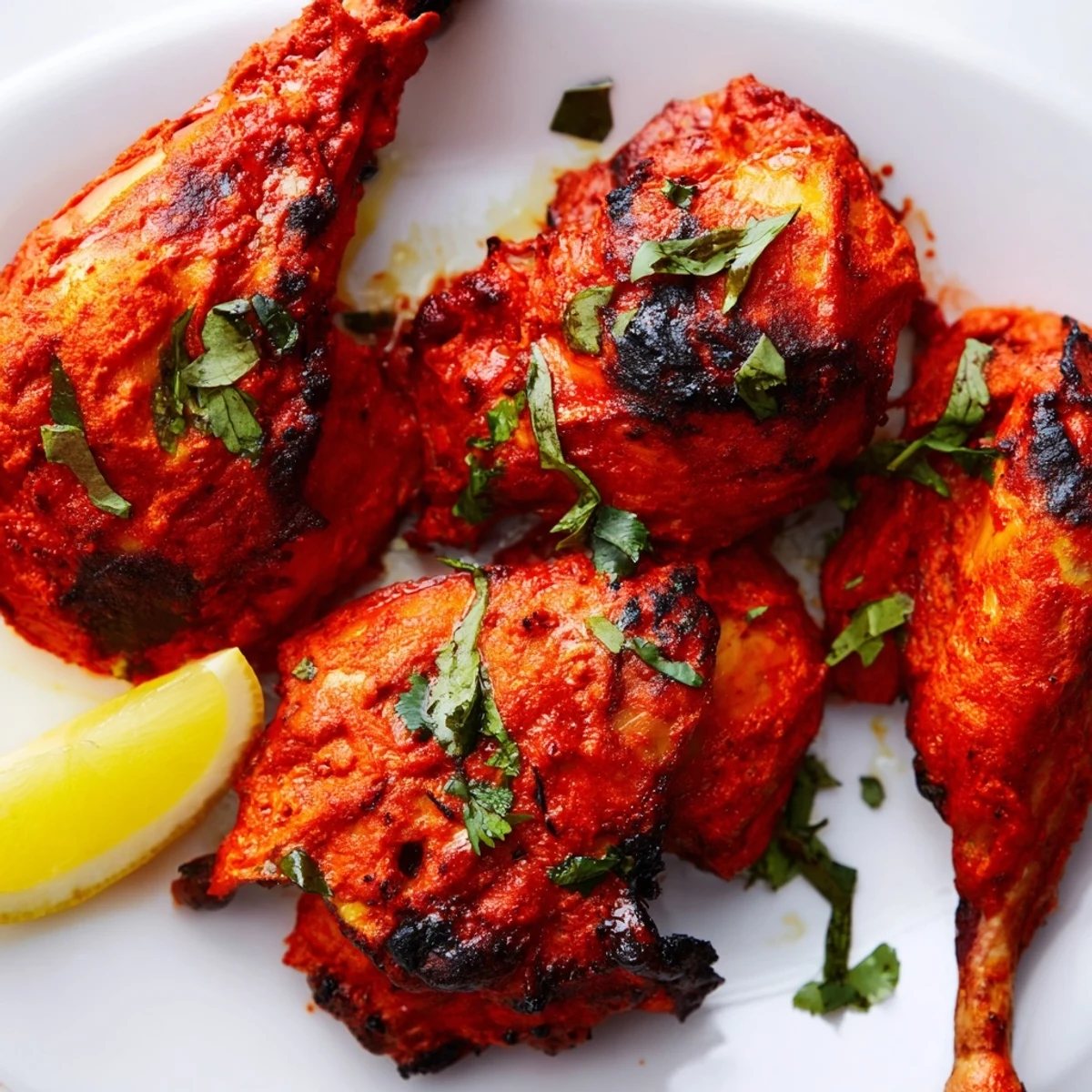
Save This classic North Indian dish features chicken legs and thighs marinated in a rich blend of plain yogurt, lemon juice, ginger, garlic, and aromatic spices including tandoori masala, cumin, coriander, and turmeric. After marinating for 4 to 24 hours, the chicken develops deep flavor and tenderness before being roasted at high heat or grilled until cooked through and beautifully charred. The result is juicy, smoky meat with a vibrant red-orange exterior and complex spice profile.
The smell hit me before I even opened the oven door: that deep, smoky, spice laden aroma that somehow makes the whole kitchen feel like it belongs to someone else, someone far more confident with Indian cooking than I was at twenty three.
I made this for my roommate Neha once, fully expecting her to politely nod and say it was decent for someone who grew up on casseroles.
Ingredients
- Chicken legs and thighs (1.5 lbs, skinless): Dark meat stays juicy through the high heat roasting, which is everything.
- Plain yogurt (1 cup): The acidity tenderizes the chicken while keeping the spice paste clinging to every surface.
- Lemon juice (2 tbsp): Brightens the marinade and cuts through the richness of the dark meat.
- Tandoori masala or mild curry powder (2 tbsp): This is your flavor backbone, so use one you actually like the smell of.
- Ginger paste (1 tbsp): Adds warmth without the fibrous bite of fresh grated ginger.
- Garlic paste (1 tbsp): Blends seamlessly into the marinade compared to minced cloves that can burn.
- Ground cumin (1 tsp): Brings an earthy depth that anchors the brighter spices.
- Ground coriander (1 tsp): A subtle citrus note that most people never guess is there.
- Paprika (1 tsp): Gives you that signature red tint without adding heat.
- Ground turmeric (1/2 tsp): A little goes a long way for color and a gentle bitterness.
- Chili powder (1/2 tsp, adjust to taste): Start conservative because the tandoori masala already carries warmth.
- Salt (1 1/2 tsp): Essential for pulling all the flavors into the meat rather than sitting on the surface.
- Vegetable oil (2 tbsp): Helps the spices bloom and keeps the chicken from sticking to the rack.
- Fresh cilantro and lemon wedges for garnish: Entirely optional but they make the plate look like you tried.
Instructions
- Score the chicken:
- Take a sharp knife and make shallow cuts across each piece, about a half inch deep, so the marinade can seep into the meat rather than just coating the outside.
- Build the marinade:
- Drop everything into a large bowl, the yogurt, lemon juice, spices, ginger, garlic, oil, and salt, then stir until you get a vivid orange red paste that smells aggressively good.
- Coat and wait:
- Toss the chicken in and use your hands to really work the marinade into every slit and crevice, then cover and slide it into the fridge for at least four hours or ideally overnight.
- Preheat aggressively:
- Crank your oven to 220 degrees Celsius or 425 degrees Fahrenheit because tandoori chicken needs that blast of heat to develop the right texture and char.
- Roast and baste:
- Set the chicken on a wire rack over a baking sheet and roast for 30 to 35 minutes, flipping once halfway through and spooning any leftover marinade over the top so nothing dries out.
- Finish and serve:
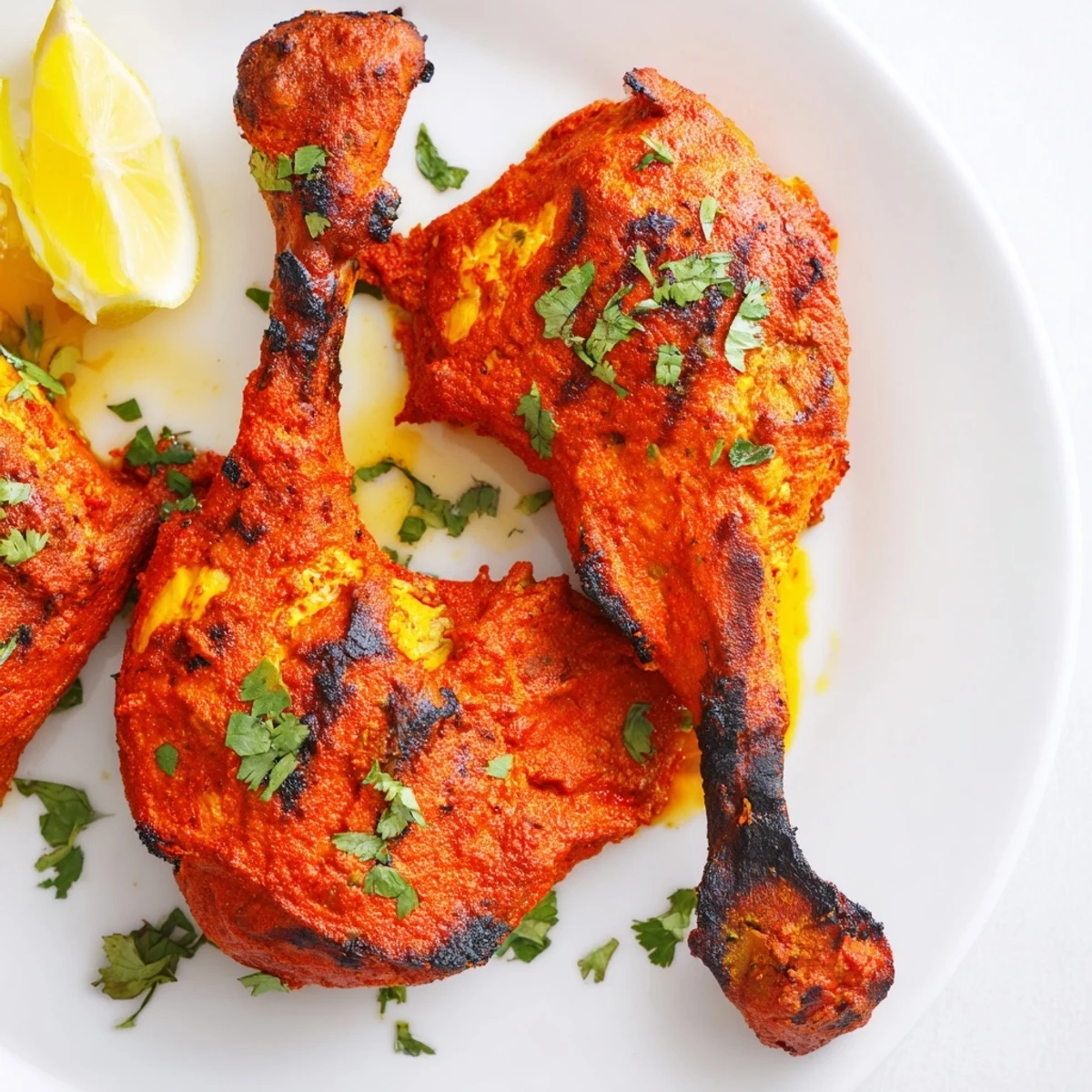
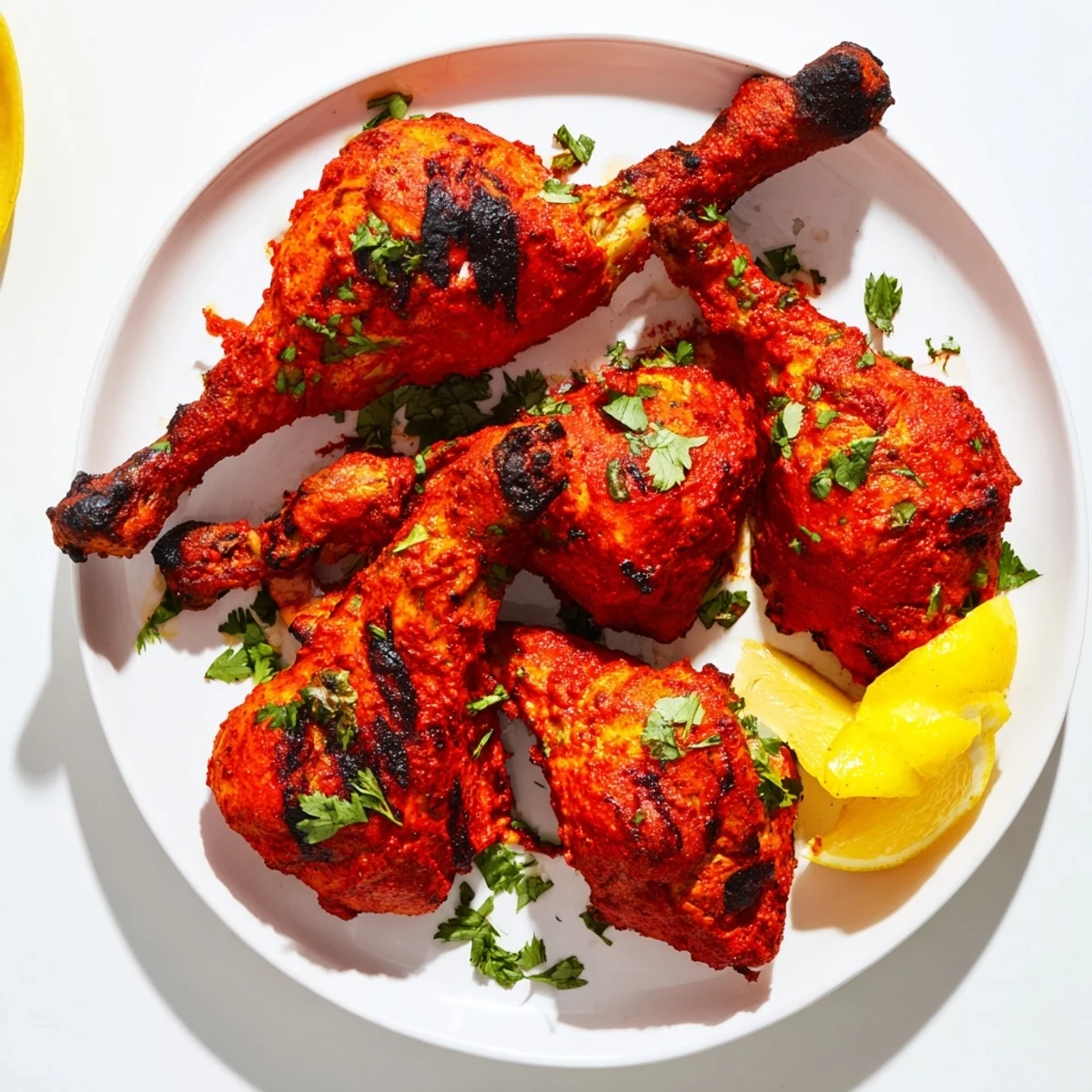
- Pull the chicken out when the edges have that gorgeous dark char and the juices run clear, then scatter cilantro over the top and squeeze a lemon wedge over everything right at the table.
 Save
Save Neha took one bite, set her fork down, and said nothing for about ten seconds, which terrified me, before finally admitting it was better than the tandoori place on Elm Street.
What to Serve Alongside
Basmati rice is the obvious move, but I have started preferring warm naan ripped into pieces because it lets you scoop up every bit of the spiced yogurt that drips off the chicken.
Handling the Heat
The chili powder measurement is a suggestion, not a contract, and I usually hover around a quarter teaspoon because my tolerance is lower than my ambition.
Leftovers and Reheating
Cold tandoori chicken straight from the fridge at midnight might actually rival the hot version, but if you want to reheat it, a quick blast in a hot skillet brings back the char better than the microwave ever will.
- Shred leftover chicken into wraps with cucumber and mint yogurt for lunch the next day.
- Frozen leftover marinade works as a starter for the next batch, just thaw and add fresh chicken.
- Always let the chicken rest five minutes after roasting so the juices redistribute before you cut in.
 Save
Save This is the recipe that taught me Indian cooking was never about complexity, just patience and the willingness to let spices do their work quietly in the fridge while you slept.
Recipe FAQs
- → How long should I marinate the chicken?
-
Marinate for at least 4 hours, preferably overnight. Longer marinating time allows the spices and yogurt to penetrate deeply, resulting in more flavorful and tender meat.
- → Can I use boneless chicken instead of legs and thighs?
-
Yes, boneless chicken works well. Reduce cooking time to 20-25 minutes and monitor closely to prevent drying out. Bone-in pieces generally remain juicier.
- → What's the difference between oven and grill preparation?
-
Grilling over hot coals provides authentic smoky flavor and attractive char marks. Oven roasting at 220°C (425°F) yields excellent results with easier temperature control and less hands-on attention.
- → Is tandoori chicken spicy?
-
The heat level is adjustable. This version includes chili powder that you can modify to taste. The yogurt marinade helps balance the spices, creating a flavorful but not overwhelmingly hot dish.
- → What should I serve with tandoori chicken?
-
Traditional accompaniments include naan bread, basmati rice, and cooling raita. Fresh cilantro and lemon wedges add brightness. grilled vegetables also complement the smoky flavors nicely.