 Save
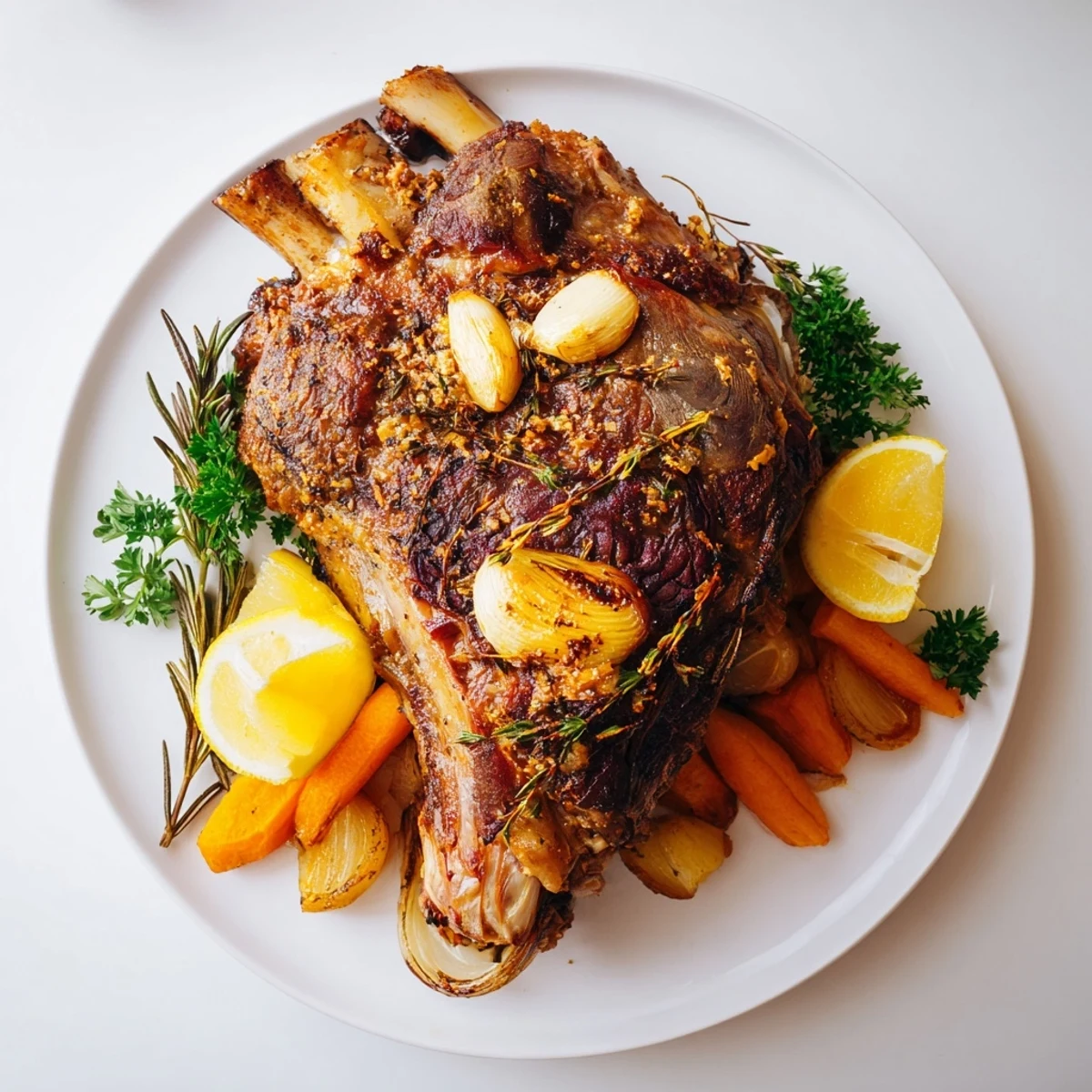
Save Prepare this succulent lamb shoulder by rubbing it with olive oil, salt, and pepper. Insert garlic cloves into small incisions for maximum flavor. Arrange onions, carrots, and lemon wedges in a roasting pan, place the lamb on top, and add fresh rosemary and thyme. Pour in white wine and stock, cover, and cook slowly until the meat is falling off the bone. Finish by uncovering to crisp the skin, then rest before serving.
There's something about the smell of lamb and rosemary filling the kitchen that makes time slow down. Years ago, I discovered this recipe almost by accident—I'd bought a lamb shoulder on impulse at the market and found myself with a free afternoon and a roasting pan. Four and a half hours later, the house smelled so good my neighbors were texting asking what I was making. Now it's become my go-to when I want to impress people without fussing over them all day.
I cooked this for my sister's birthday dinner once, and what I remember most isn't the compliments about the food—it was how the whole table went quiet for a moment after the first bite. She looked at me with this expression like she'd just tasted something that meant something. That's when I realized this recipe isn't really about technique, it's about giving people permission to slow down and enjoy.
Ingredients
- Lamb shoulder (about 2 kg bone-in): The bone adds incredible depth to the pan juices, and bone-in meat stays more tender than boneless as it cooks low and slow.
- Olive oil: Just enough to help the seasonings cling and eventually build a light crust on top.
- Salt and black pepper: Season generously—the long cooking time won't make it salty, it will just make it taste like itself.
- Garlic (8 cloves, halved): Inserting it into slits means the garlic mellows into the meat instead of overpowering it from the outside.
- Onions and carrots: These create a flavor base and naturally thicken the pan juices without any flour.
- Lemon wedges: The acidity cuts through the richness in a way that makes you want another bite.
- Fresh rosemary and thyme (1 bunch each): Fresh herbs matter here more than dried—they keep their brightness even after hours of cooking.
- Fresh parsley: Scatter it at the end so it stays vibrant and fresh, a little nod to the herbs that cooked with the lamb.
- Dry white wine (250 ml) and stock (250 ml): The wine brings acidity and depth while the stock keeps everything moist without making it taste steamed.
Instructions
- Set your oven steady:
- Preheat to 160°C (320°F). This low temperature is key—it slowly breaks down the connective tissue in the shoulder without drying the meat out.
- Dry and season the lamb:
- Pat the shoulder completely dry with paper towels, then rub it all over with olive oil, salt, and pepper. The drier the surface, the better it will eventually brown.
- Perforate and garlic:
- Using a sharp knife, make small incisions all over the lamb and push garlic halves deep into each slit. This means the garlic cooks gently inside rather than charring on the outside.
- Build your pan bed:
- Scatter onions, carrots, and lemon wedges in the roasting pan—these become the flavor foundation that the lamb sits on.
- Arrange herbs and liquid:
- Place the lamb on the vegetables, scatter rosemary and thyme around and on top, then pour wine and stock into the pan around the meat, not over it. You want the top to stay exposed so it eventually crisps.
- Low and slow roast:
- Cover tightly with foil or a lid and roast for 4 hours, basting once or twice so the top stays moist. The pan juices will darken and deepen—that's exactly what you want.
- Crispen and finish:
- Remove the cover, crank the oven to 200°C (400°F), and roast uncovered for 20-30 minutes until the top develops a light golden crust.
- Rest and serve:
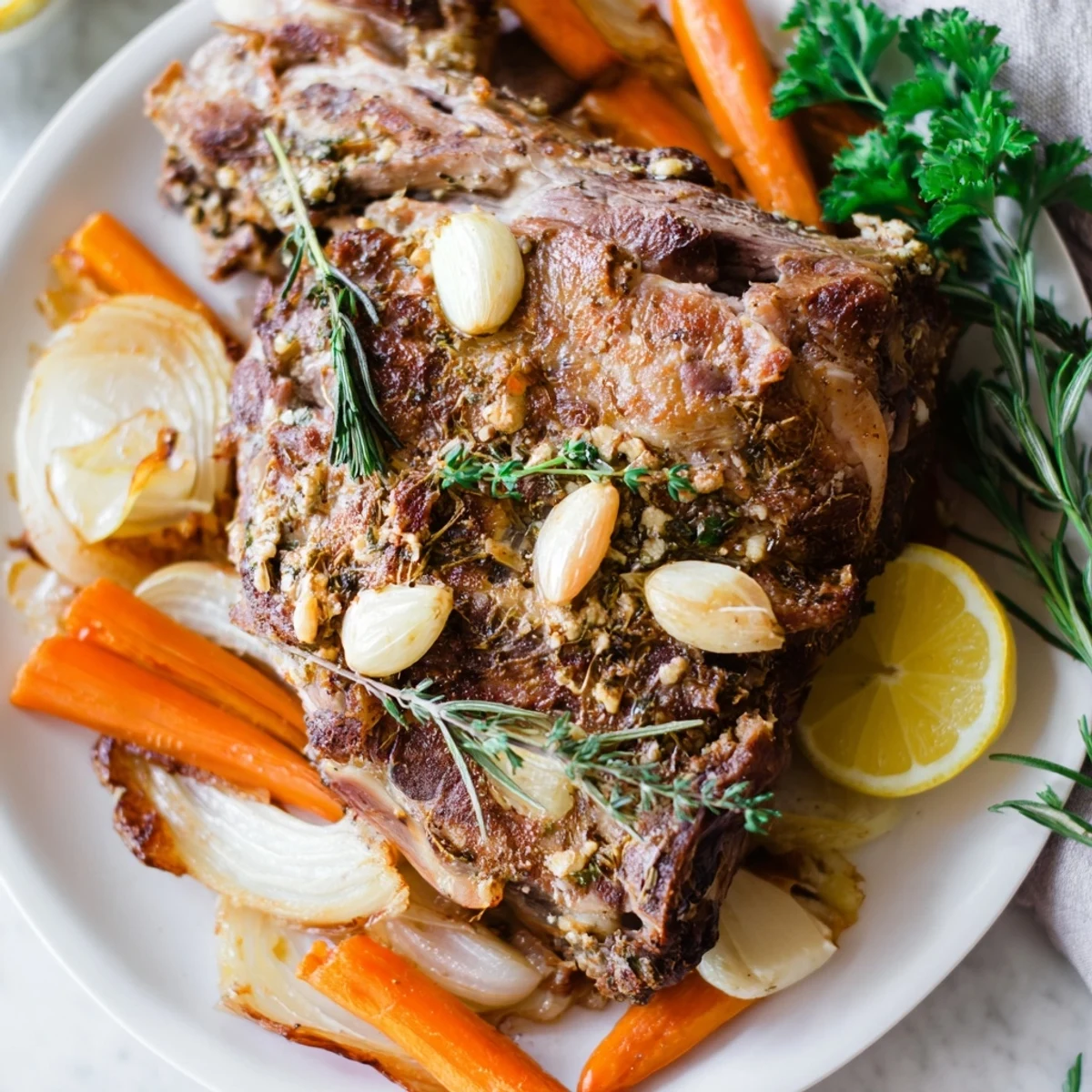
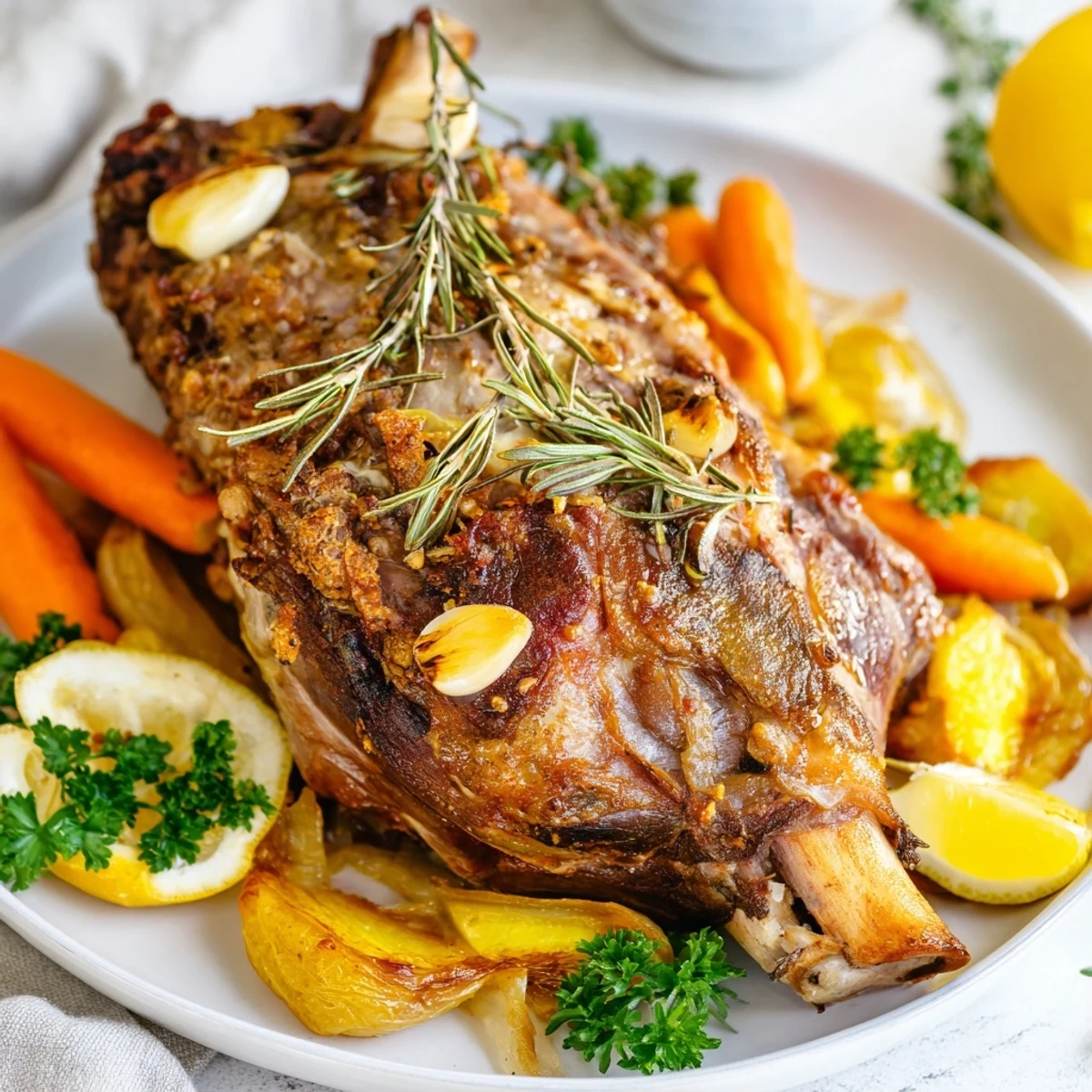
- Pull it from the oven and let it rest loosely covered with foil for 20 minutes—this keeps the juices inside. Shred or slice the lamb, garnish with fresh parsley, and serve with the pan juices and vegetables.
 Save
Save One time I made this for my dad when he was going through a rough patch, and he actually asked for seconds. We didn't talk much that dinner, but he kept saying how good it tasted, and I think that was his way of saying thanks for trying. Food like this becomes a small kindness you can hold onto.
Why This Cut Works
The lamb shoulder is full of marbling and connective tissue that transforms beautifully under low heat. Other cuts might cook faster, but they won't give you that melt-in-your-mouth tenderness or those rich pan juices that make everything better. It's not fancy, but that's the whole point.
Playing With Flavors
This recipe loves company—if you feel like it, add a handful of pitted olives or a splash of balsamic vinegar to the pan about halfway through. Some people throw in sun-dried tomatoes or a pinch of cumin. The base is strong enough that it can handle your improvisation without falling apart. I've also made it with red wine instead of white, and honestly, it's just different, not better or worse.
Beyond Dinner
The best part about making this is that you end up with an abundance of leftovers that somehow taste even better the next day. Shred the cold lamb, layer it into wraps with fresh greens and a smear of something creamy, and you've got lunch sorted for days. It also falls apart beautifully into salads or can be reheated gently in the pan juices if you're making it again for someone else.
- Leftover lamb wrapped with hummus and cucumber tastes as good as the main event itself.
- Store the lamb and pan juices together in an airtight container in the fridge for up to three days.
- The vegetables softened in the pan are worth eating on their own or tossing into a grain bowl.
 Save
Save This is the kind of meal that makes people feel taken care of, and that's something worth knowing how to make. Once you've done it once, you'll find yourself coming back to it again and again.
Recipe FAQs
- → What is the best temperature for slow roasting?
-
Cook at 160°C (320°F) for the slow cooking phase to ensure tenderness.
- → How long should the lamb rest?
-
Let the lamb rest for 20 minutes loosely covered with foil to retain juices.
- → Can I use boneless lamb?
-
Bone-in provides better flavor and moisture, but boneless works with adjusted timing.
- → What wine works best?
-
A dry white wine like Sauvignon Blanc or Pinot Grigio complements the herbs well.
- → What sides pair well?
-
Creamy mashed potatoes or roasted root vegetables are classic accompaniments.