
 Save
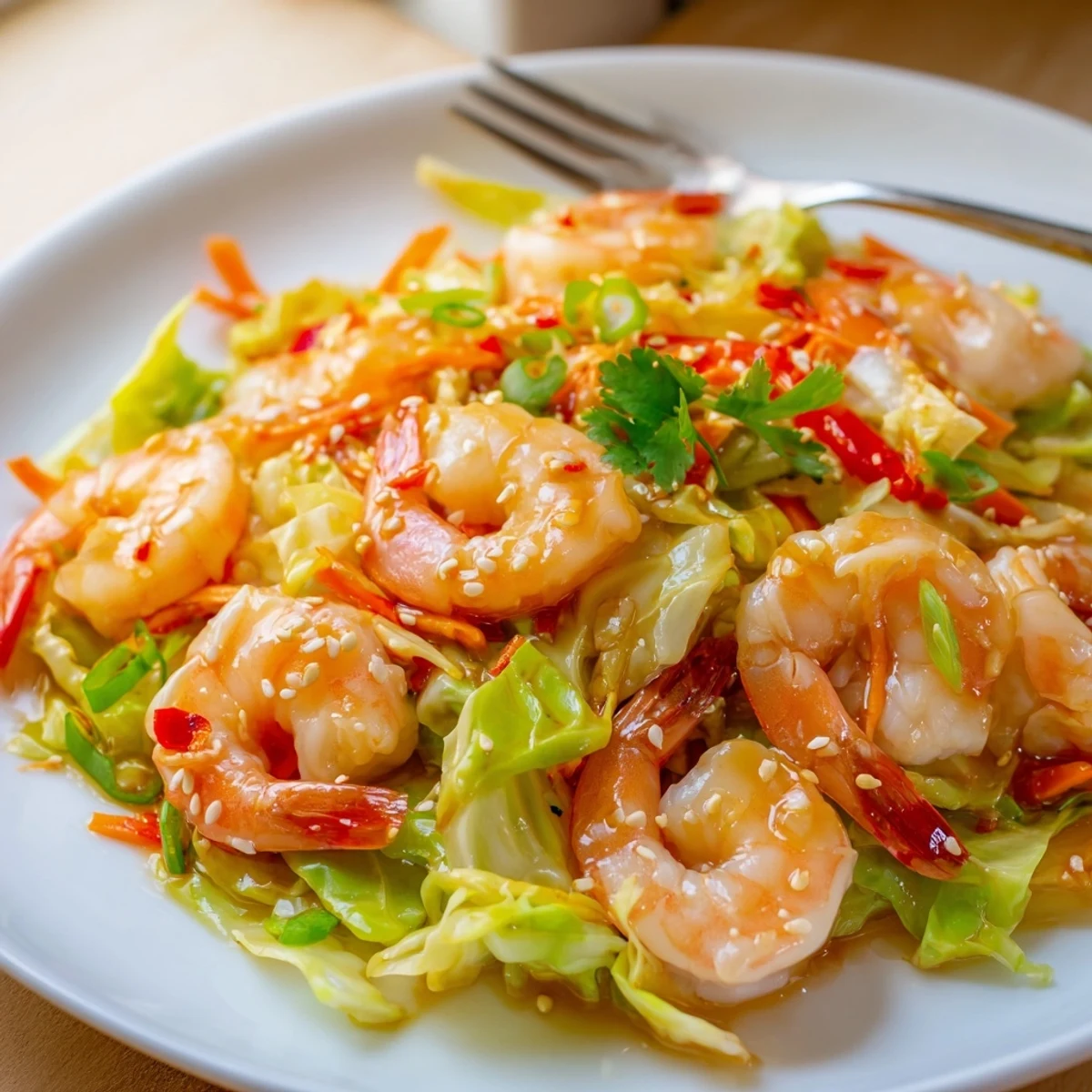
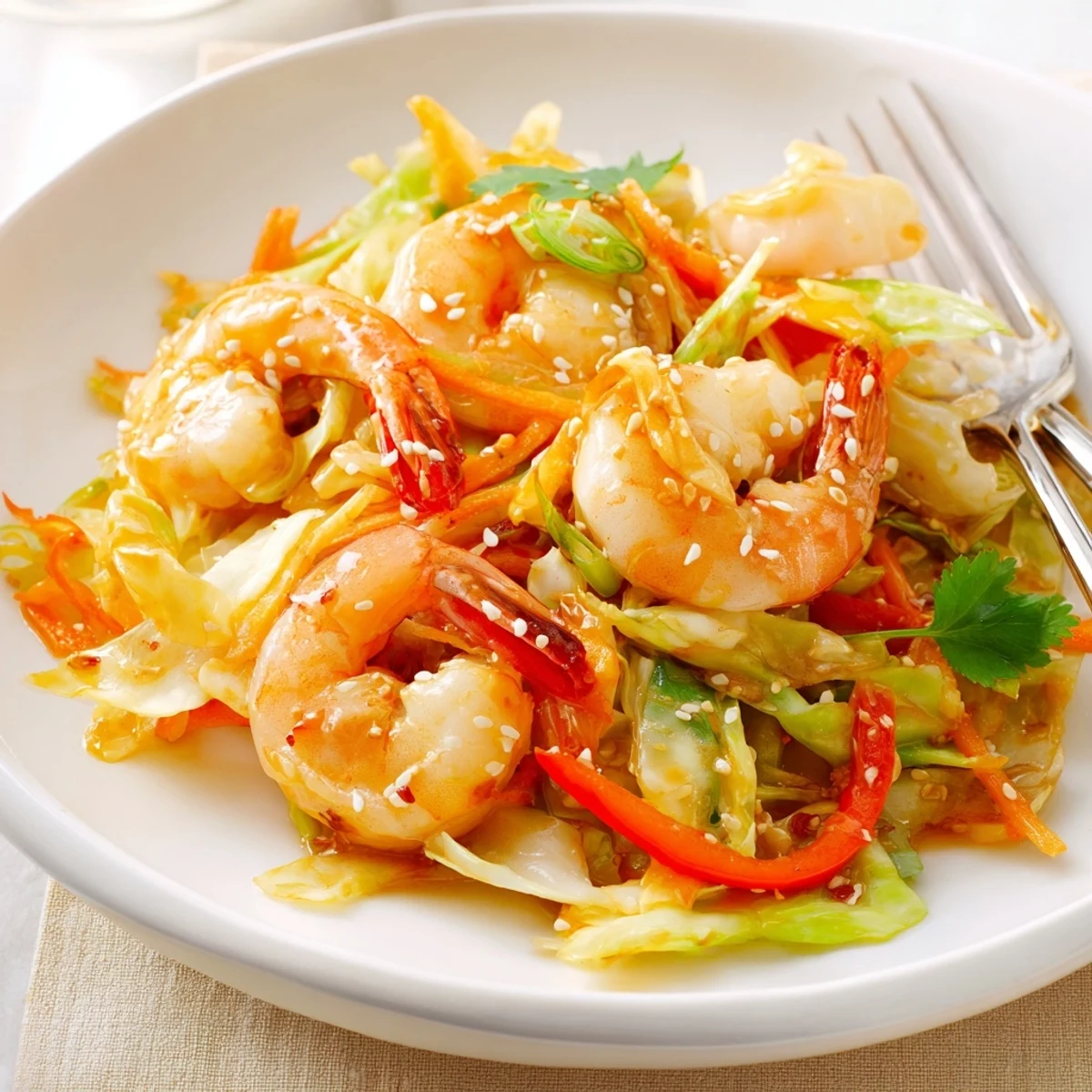
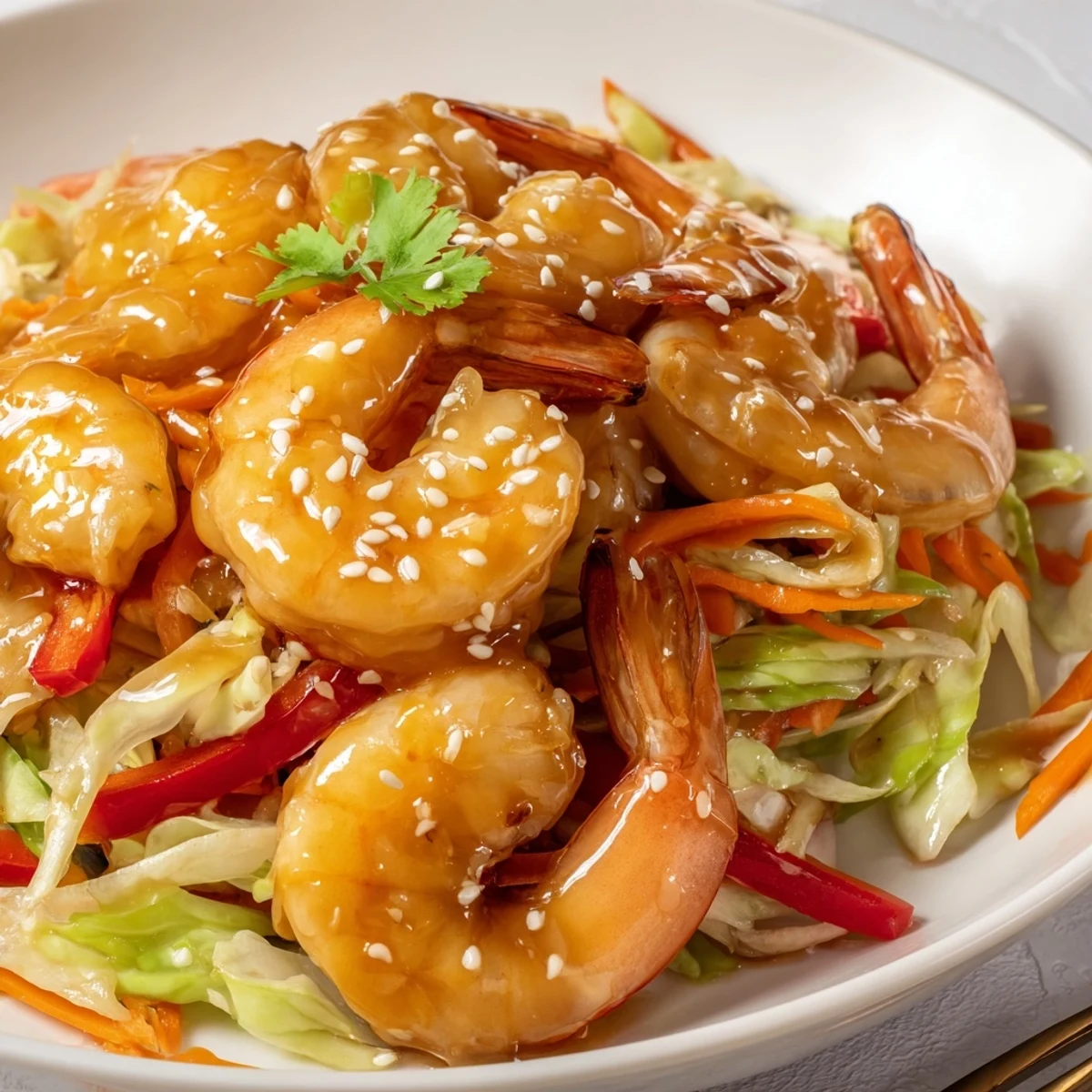
Save Ready in 25 minutes, this stir fry pairs succulent shrimp with thinly sliced cabbage, julienned carrot and bell pepper tossed in a savory soy-sesame sauce. Cook shrimp briefly until just pink, remove, then stir-fry aromatics and vegetables until crisp-tender. Return shrimp, add sauce and toss to glaze. Serve with steamed rice or cauliflower rice; swap tamari for gluten-free needs and add chili for extra heat.
The sizzle of shrimp hitting a smoking wok is one of those sounds that instantly transports me back to a tiny apartment kitchen where I first attempted stir frying with more enthusiasm than skill. That night, cabbage flew everywhere, the smoke alarm sang its opinion, and somehow dinner was still incredible. This Asian Shrimp and Cabbage Stir Fry is the refined version of that chaotic evening, ready in just 25 minutes.
My neighbor Linda knocked on my door one Tuesday evening asking if I had any soy sauce, and ended up staying for dinner because the aroma drifting down the hallway was impossible to resist. She brought over a bottle of wine and we stood in the kitchen eating straight from the wok with chopsticks, laughing about how neither of us owned proper plates yet.
Ingredients
- 1 lb large shrimp, peeled and deveined: Buy the freshest shrimp you can find, and pat them completely dry before cooking so they sear rather than steam.
- 4 cups green cabbage, thinly sliced: Slice it thin and at an angle for the best texture, almost like shredding for coleslaw.
- 1 medium carrot, julienned: Cut them into thin matchsticks so they cook at the same rate as the cabbage.
- 1 red bell pepper, thinly sliced: The sweetness balances the salty depth of oyster sauce beautifully.
- 3 green onions, sliced: Save these for the very end to keep their bright, fresh bite.
- 2 cloves garlic, minced: Fresh garlic is non negotiable here, the jarred stuff loses too much punch.
- 1 inch piece fresh ginger, grated: Use the edge of a spoon to peel it, then grate directly into the pan for maximum juice.
- 3 tbsp soy sauce or tamari: Tamari keeps this gluten free and actually has a richer, deeper flavor.
- 1 tbsp oyster sauce: This is the secret weapon that makes everything taste like it came from a professional kitchen.
- 1 tbsp rice vinegar: A splash of acidity lifts the whole dish and cuts through the richness.
- 2 tsp sesame oil: Toasted sesame oil is what you want, added at the end or in the sauce, never for high heat cooking.
- 1 tsp honey or brown sugar: Just enough to round out the sharp edges of the soy and vinegar.
- Quarter tsp crushed red pepper flakes: Optional, but they add a gentle warmth that ties everything together.
- 2 tbsp vegetable oil: Use a neutral oil with a high smoke point like avocado or peanut oil.
- Toasted sesame seeds and fresh cilantro for garnish: These finishing touches make it look as good as it tastes.
Instructions
- Mix the Sauce:
- Whisk together the soy sauce, oyster sauce, rice vinegar, sesame oil, honey, and red pepper flakes in a small bowl. Give it a taste and adjust the sweetness or heat to your liking before setting it aside.
- Sear the Shrimp:
- Heat one tablespoon of oil in a large wok or skillet over medium high heat until it shimmers. Toss in the shrimp in a single layer and cook for two to three minutes, flipping once, until they turn pink and curl slightly, then immediately remove them from the pan.
- Wake Up the Aromatics:
- Add the remaining oil to the same wok and drop in the garlic and ginger, stirring furiously for about thirty seconds until your kitchen smells incredible and nothing has burned yet.
- Toss the Vegetables:
- Add the cabbage, carrot, and bell pepper all at once and stir fry for three to four minutes, keeping everything moving constantly so the cabbage wilts slightly but still has a satisfying crunch when you bite into it.
- Bring It All Together:
- Slide the shrimp back into the pan and pour the sauce over everything, tossing vigorously for one to two minutes until every strand of cabbage is glossy and coated and the shrimp are heated through.
- Finish and Serve:
- Kill the heat and shower the whole thing with sliced green onions, toasted sesame seeds, and a handful of cilantro if you have it. Serve immediately while the wok is still sizzling.
 Save
Save There is something deeply satisfying about a meal that comes together faster than delivery and tastes ten times better, especially on a weeknight when energy is running low but hunger is running high.
Making It Your Own
Throw in snap peas, mushrooms, or broccoli florets if you have them lurking in the crisper drawer, because this recipe is more of a method than a strict formula. Chicken breast or extra firm tofu work beautifully in place of shrimp, just adjust the cooking time accordingly.
Serving Suggestions
Spoon this over steamed jasmine rice for a classic pairing, or keep things low carb with a bed of cauliflower rice that soaks up the sauce just as well. A drizzle of sriracha over the top turns up the heat for anyone who likes it fiery.
Getting the Texture Right
The difference between a good stir fry and a great one comes down to heat management and timing, so have every ingredient prepped and within arm reach before the wok gets hot.
- Cut all vegetables to similar thickness so they finish cooking at the same moment.
- Let your wok preheat for a full minute before adding oil to get that proper sear.
- Serve immediately because stir fry waits for no one and the texture suffers when it sits.
 Save
Save Keep this recipe in your back pocket for those evenings when you want something vibrant and nourishing without spending an hour at the stove. It has never once let me down.
Recipe FAQs
- → What shrimp is best for this dish?
-
Use large peeled and deveined shrimp for quick, even cooking. Wild or farmed both work; choose tail-on if you want a nicer presentation, but remove shells for faster cooking and easier eating.
- → How do I keep the cabbage crisp and not soggy?
-
Slice cabbage thinly and stir-fry over medium-high heat, moving it constantly so it cooks quickly. Avoid overcooking: aim for just tender yet crisp, about 3–4 minutes in a hot wok or skillet.
- → Can I use frozen shrimp?
-
Yes. Thaw fully and pat dry before cooking to prevent excess moisture. Dry shrimp sear better and stay firm rather than steaming in the pan.
- → How can I make this gluten-free?
-
Swap regular soy sauce for tamari or a labeled gluten-free soy sauce and check that the oyster sauce is gluten-free, or use a gluten-free alternative such as mushroom-based stir-fry sauce.
- → What are good serving options?
-
Serve over steamed rice, brown rice, or cauliflower rice for a lower-carb plate. Garnish with toasted sesame seeds and green onions for texture and brightness.
- → How should leftovers be stored and reheated?
-
Store in an airtight container in the fridge for up to 2 days. Reheat gently in a skillet over medium heat to preserve texture; avoid overcooking the shrimp to prevent rubberiness.