
 Save
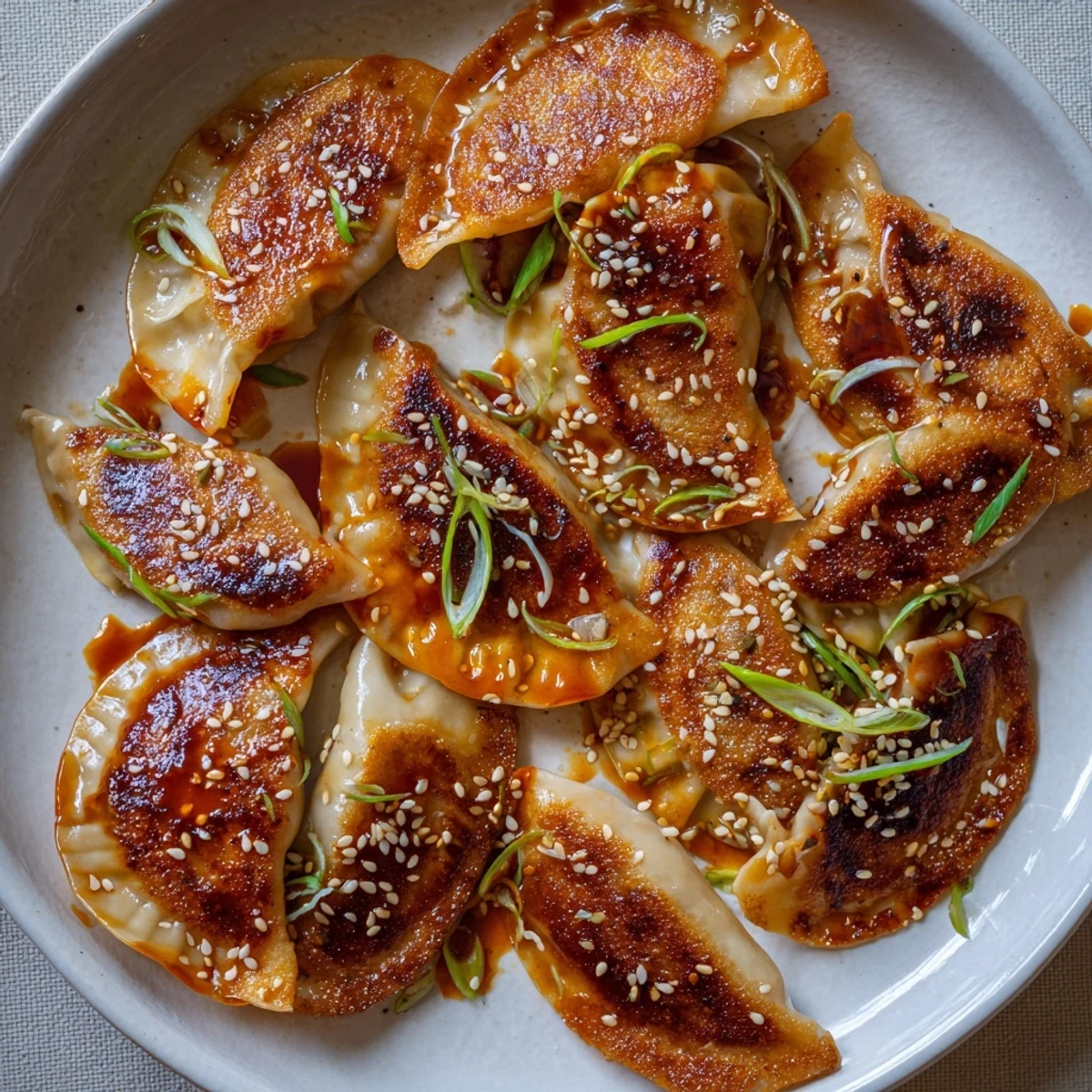
Save Combine ground beef with finely chopped napa cabbage, onion, green onion, garlic, ginger, soy, sesame oil, mirin and egg to make a savory filling. Spoon into wrappers, seal and pleat. Pan-fry until bottoms brown, add water and cover to steam, then crisp again. Simmer gochujang with honey, soy and rice vinegar into a glossy glaze; brush over warm mandu and sprinkle sesame seeds. Freeze uncooked for easy make-ahead; swap tofu for a vegetarian version.
The sizzle of mandu hitting a hot pan is one of those sounds that instantly pulls me into the kitchen, feet bare on cold tile, unable to resist peeking over the stove. My neighbor Mrs. Cho once handed me a plate of her handmade dumplings through the fence, still warm, and I stood in the yard eating every single one without coming up for air. That gesture turned into a Saturday afternoon ritual where she taught me to pleat wrappers while her radio played Korean pop songs I couldnt understand but hummed along to anyway.
I made these for a friend who claimed she didnt like spicy food, watching nervously as she took her first bite. She paused, closed her eyes, and then quietly ate six more without saying a word, which told me everything I needed to know.
Ingredients
- Ground beef (300 g): Use freshly ground beef with a bit of fat content for the juiciest filling, lean meat dries out during cooking.
- Napa cabbage (1 cup, finely chopped): Adds moisture and a gentle crunch that keeps the filling from feeling dense.
- Onion (1/2 cup, finely chopped): Sweetness and bulk, chop it as fine as you can so no one bites into a chunk.
- Green onions (2, thinly sliced): A fresh bite that lifts the whole filling, always slice on a sharp diagonal for prettiest results.
- Garlic (2 cloves, minced): Fresh garlic only, the pre jarred stuff lacks the punch this filling needs.
- Ginger (1 tbsp, grated): Grate it directly into the bowl so you catch every drop of juice.
- Soy sauce (1 tbsp for filling): Seasoning foundation, use a good quality Korean or Japanese brand if you can find one.
- Toasted sesame oil (1 tbsp for filling): This is the flavor that makes the filling taste Korean, dont skip it.
- Mirin (1 tbsp, optional): Adds a subtle sweetness and helps the flavors meld together beautifully.
- Sugar (1 tsp): Just enough to round out the savory notes without making anything taste sweet.
- Black pepper (1/4 tsp): Freshly ground always, the pre ground powder tastes flat.
- Egg (1): Binds the filling so it holds together when you bite into the dumpling.
- Round dumpling wrappers (30): Store bought wrappers save hours and work perfectly, keep them covered with a damp towel so they dont dry out.
- Gochujang (2 tbsp for glaze): Korean red pepper paste is the soul of this glaze, find it at any Asian grocery or well stocked supermarket.
- Honey (2 tbsp for glaze): Balances the fermented heat of gochujang with natural sweetness.
- Soy sauce (1 1/2 tbsp for glaze): Adds salt and umami depth to the glaze.
- Rice vinegar (1 tbsp for glaze): A bright tang that keeps the glaze from being cloying.
- Sesame oil (1 tbsp for glaze): Rounds out the glaze with its nutty warmth.
- Garlic (1 tsp, minced for glaze): A second hit of garlic specifically for the sauce.
- Toasted sesame seeds (1 tsp): For garnish, they add a tiny crunch and visual appeal.
- Vegetable oil (2 to 3 tbsp): Neutral oil for pan frying, canola or grapeseed work best.
- Water (1/4 cup): For the steaming step that cooks the filling through.
Instructions
- Mix the filling:
- Combine all filling ingredients in a large bowl and mix with your hands until everything is evenly distributed. You want to feel the mixture become slightly sticky and cohesive, that means it is properly bound.
- Fill and fold the mandu:
- Place a wrapper in your palm, spoon a rounded teaspoon of filling into the center, and dip your finger in water to moisten the edge. Fold into a half moon and pinch firmly, pleating one side if you are feeling fancy.
- Make the glaze:
- Stir together gochujang, honey, soy sauce, rice vinegar, sesame oil, and minced garlic in a small saucepan over low heat. Let it bubble gently for two to three minutes until it coats the back of a spoon, then set aside.
- Pan fry to golden:
- Heat vegetable oil in a large nonstick skillet over medium high heat and arrange mandu in a single flat layer. Let them cook undisturbed for two to three minutes until the bottoms are deeply golden and crisp.
- Steam and crisp:
- Pour in the water, quickly cover with a lid, and let them steam for three to four minutes. Remove the lid and let the remaining water cook off so the bottoms crisp back up for another minute or two.
- Glaze and serve:
- Transfer the mandu to a plate and brush or drizzle generously with the warm gochujang glaze. Scatter sesame seeds over the top and serve immediately while the bottoms are still crackling.
 Save
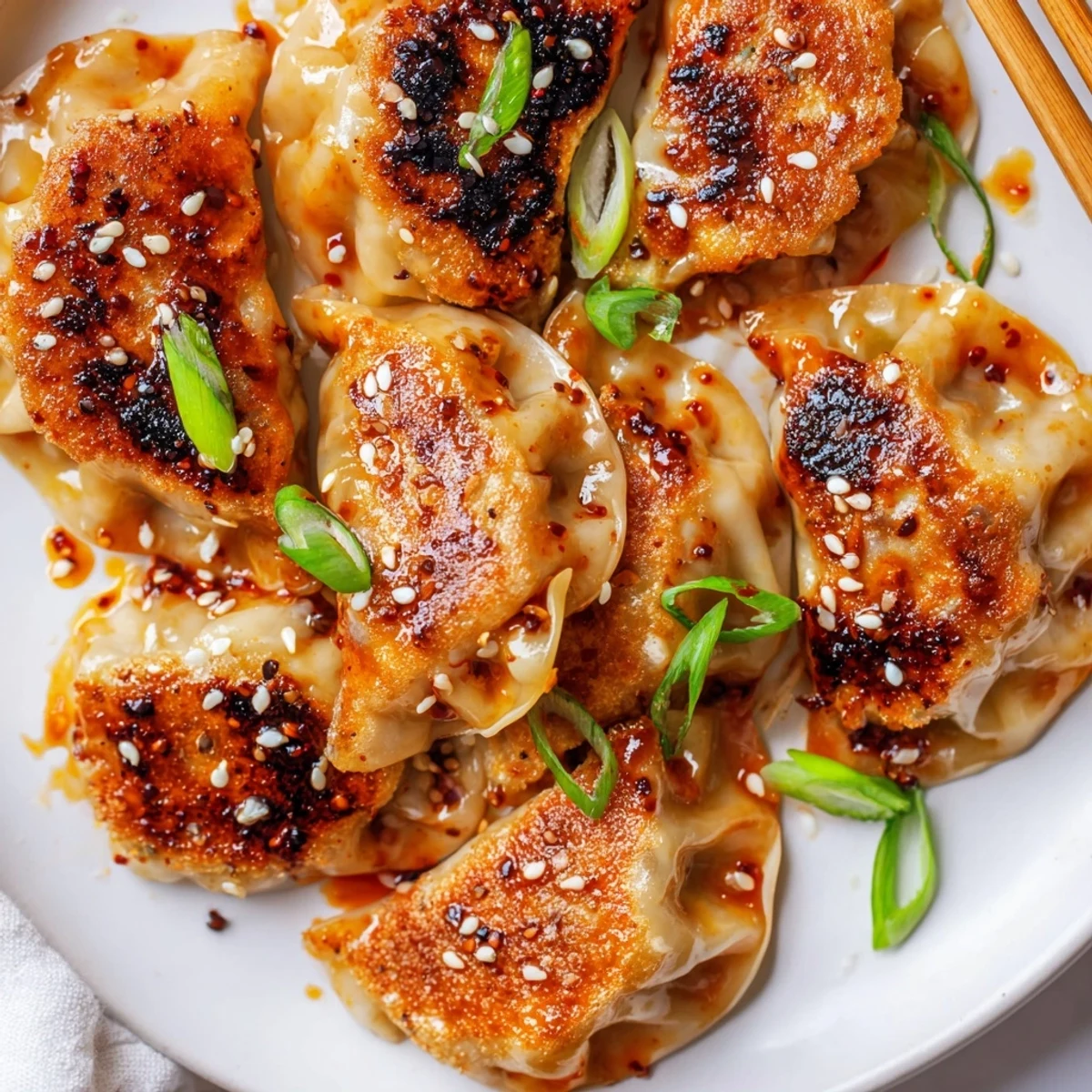
Save One rainy Tuesday I folded an entire batch while listening to a podcast, the repetitive motion oddly meditative, and realized these dumplings had become my version of therapy.
Freezing for Later
Arrange uncooked mandu on a parchment lined baking sheet in a single layer and freeze until solid, about one hour. Transfer to a freezer bag and they will keep for up to three months. Cook them straight from frozen, just add an extra minute or two to the steaming time and do not thaw them first or the wrappers will get soggy.
Vegetarian Swap
Crumbled firm tofu works surprisingly well in place of beef if you press it dry first. Add finely chopped shiitake mushrooms and grated carrot to compensate for the missing richness, and you will barely notice the difference.
What to Serve Alongside
Pickled radish and cold kimchi are the traditional companions, their acidity cutting through the richness of the beef and glaze. A simple soup or even just a bowl of steamed rice rounds out the meal without stealing attention from the dumplings.
- Quick pickled cucumbers with sesame oil make an easy side you can prep while the mandu cook.
- A cold beer or sparkling water with lime pairs beautifully with the sweet spicy glaze.
- Set out extra glaze in a small bowl for dipping, because there is never enough on top.
 Save
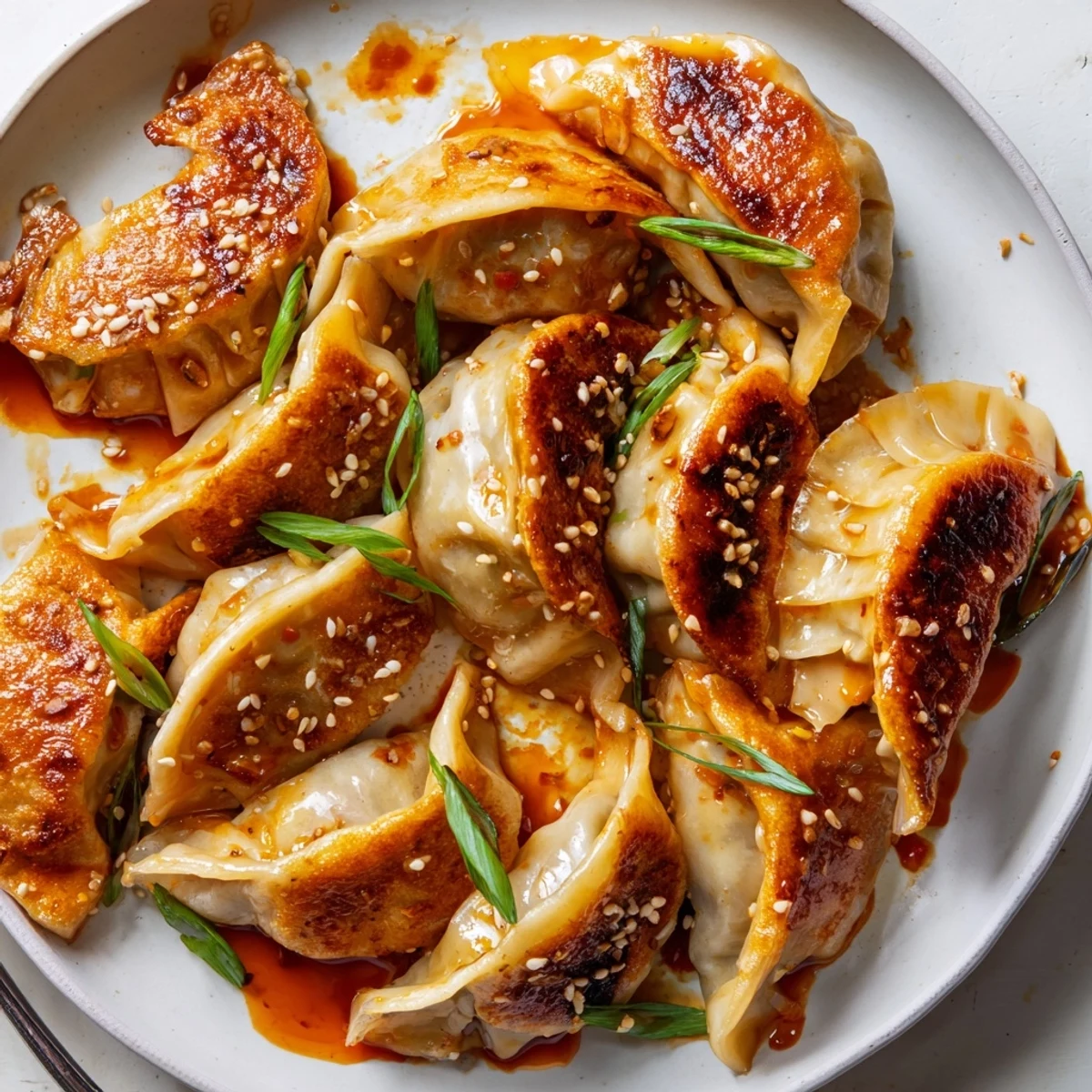
Save Mandu are meant to be shared, passed around on a big plate while everyone grabs with their fingers and talks over each other. That is really the whole point.
Recipe FAQs
- → How do I get a crisp bottom on the mandu?
-
Heat a thin layer of oil over medium-high, arrange mandu in a single layer and let them brown undisturbed. Add a splash of water, cover to steam, then remove the lid and cook until the water evaporates so the bottoms re-crisp.
- → Can I make the filling ahead of time?
-
Yes. Prepare the filling and store it in the fridge up to 24 hours to let flavors meld. Keep wrappers covered to prevent drying while you assemble just before cooking.
- → What can I use instead of gochujang?
-
For a similar sweet-spicy profile, blend a mild chili paste with a touch of miso or soy and honey, adjusting heat and sweetness to taste. Taste and balance with rice vinegar for acidity.
- → How do I prevent wrappers from bursting?
-
Don’t overfill the wrappers; use about a rounded teaspoon of filling. Seal edges with water and press firmly, removing air pockets. Work on a lightly damp towel to keep unused wrappers pliable.
- → Can mandu be frozen and how to cook from frozen?
-
Freeze assembled, uncooked mandu on a tray until solid, then transfer to a bag. Cook from frozen: add an extra 1–2 minutes to the steam step and monitor crisping to avoid sogginess.
- → What vegetarian swaps work best for the filling?
-
Replace beef with firm tofu pressed and crumbled, or finely chopped mushrooms for umami. Increase vegetables like carrots and shiitake and adjust seasoning to maintain moisture and depth.