
 Save
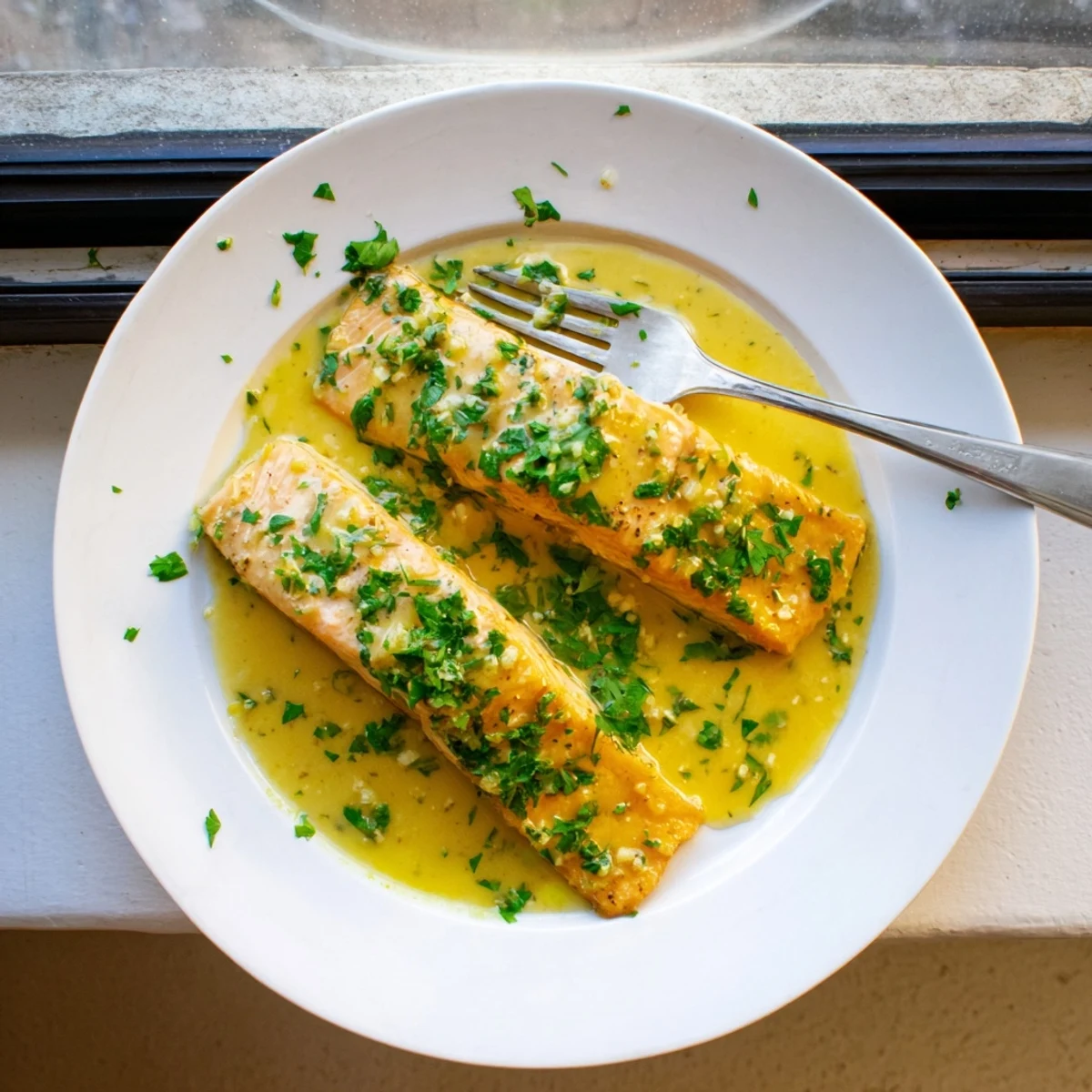
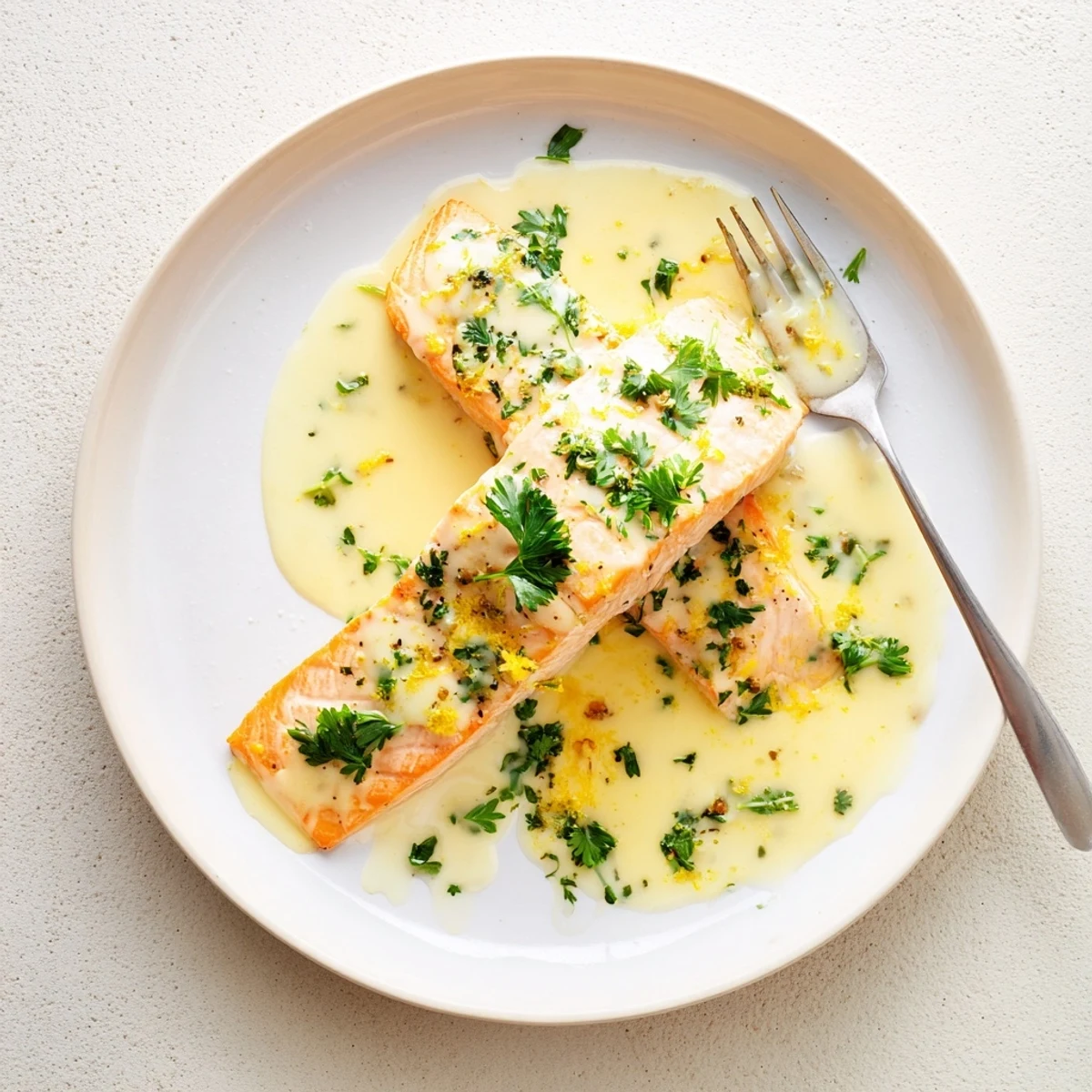
Save This salmon dish features fillets pan-seared until golden and crispy, then enveloped in a rich, velvety lemon cream sauce. The sauce balances bright citrus notes with heavy cream, garlic, and Dijon mustard for a luxurious finish. Fresh parsley adds color and freshness, while lemon zest provides aromatic intensity.
The entire preparation takes just 30 minutes from start to finish, making it an excellent choice for elegant weeknight meals. The method involves searing the salmon first, then building the sauce in the same pan to capture all the flavorful browned bits. Serve alongside steamed vegetables, rice, or mashed potatoes for a complete dining experience.
The sizzle of salmon hitting a hot pan is one of those sounds that instantly makes a kitchen feel alive, and on a rainy Tuesday evening with nothing planned, that sound saved my entire mood. I had four fillets sitting in the fridge and a lemon rolling around the crisper drawer, and somehow those two things turned into the best dinner I had made all month. The lemon cream sauce came together on a whim, and I have not made salmon any other way since.
My neighbor stopped by once while I was making this and ended up staying for dinner, sitting at my kitchen counter eating straight from the skillet with a chunk of bread.
Ingredients
- 4 skinless salmon fillets (about 170 g each): Try to buy fillets of similar thickness so they cook evenly and none end up overdone while you wait for the thickest piece to catch up.
- 2 tablespoons butter: This is the backbone of the sauce, so use real butter if you can, nothing labeled spread or alternative.
- 2 cloves garlic, minced: Fresh garlic only, and mince it as finely as you can manage so it melts into the sauce rather than sitting in chunks.
- 1 cup heavy cream: Full fat is the way to go here, and you can substitute half and half if you want something lighter but the sauce will be thinner.
- Zest of 1 lemon: Zest before you juice and try to avoid the bitter white pith underneath the yellow skin.
- 2 tablespoons fresh lemon juice: Roll the lemon on the counter pressing down firmly before cutting and you will get much more juice out of it.
- 1 teaspoon Dijon mustard: This small amount does not make the sauce taste like mustard at all, it just adds a quiet depth that ties everything together.
- 2 tablespoons fresh parsley, chopped: Flat leaf parsley has more flavor than curly, and add it at the very end so it stays bright green.
- Salt and freshly ground black pepper: Season the salmon generously before searing and then adjust the sauce at the end.
- 1 tablespoon olive oil: Any neutral cooking oil works but olive oil adds a slight fruitiness that complements the lemon.
Instructions
- Prep the salmon:
- Pat the fillets thoroughly dry with paper towels and season both sides with salt and pepper, pressing gently so the seasoning adheres to the surface.
- Sear the fillets:
- Heat olive oil in a large nonstick skillet over medium high heat until it shimmers, then lay the salmon in carefully and cook for 4 to 5 minutes per side until you get a beautiful golden crust. Transfer the fillets to a warm plate and tent loosely with foil.
- Start the sauce:
- Turn the heat down to medium and drop the butter into the same skillet, letting it melt and pick up all those lovely browned bits from the bottom. Add the minced garlic and stir for about a minute until your kitchen smells incredible.
- Build the cream base:
- Pour in the heavy cream and let it come to a gentle simmer, then stir in the lemon zest, lemon juice, and Dijon mustard. Let it bubble softly for 3 to 4 minutes, stirring now and then, until it coats the back of a spoon.
- Finish and combine:
- Stir in the chopped parsley, taste the sauce, and add more salt or pepper if it needs it. Nestle the salmon fillets back into the skillet and spoon the sauce over the top, letting everything simmer together for 2 to 3 minutes so the flavors truly meld.
 Save
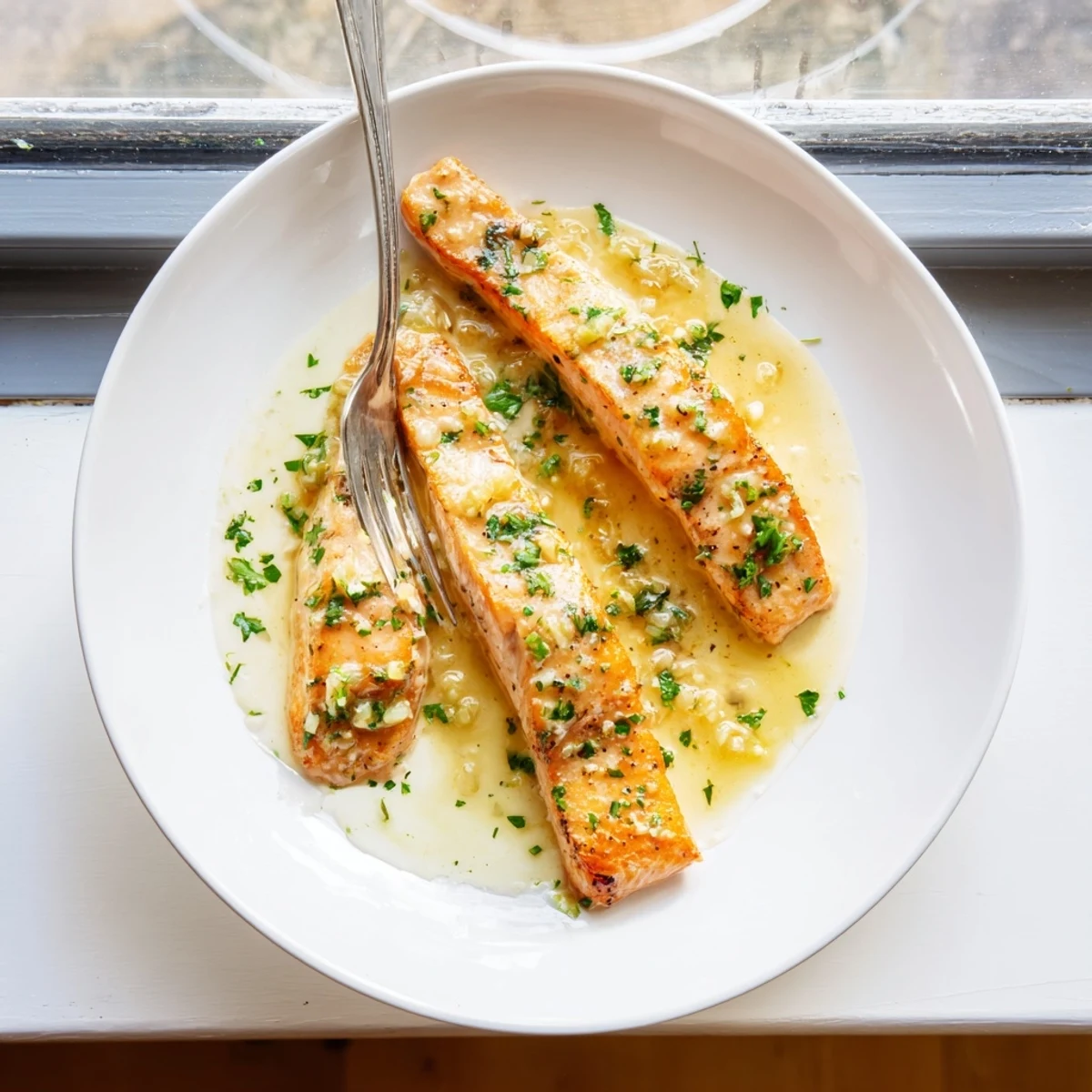
Save I once plated this for a date night at home and we were so eager to eat that we abandoned the dining table and stood over the stove, scooping sauce with bread straight from the pan.
What to Serve Alongside
Steamed green beans or roasted asparagus are my go to sides because their slight snap and earthy flavor balance the richness of the cream sauce perfectly. Mashed potatoes or rice work beautifully if you want something to soak up every last drop, and a simple arugula salad with olive oil and lemon on the side keeps things fresh.
A Note on Wine Pairing
A crisp Sauvignon Blanc is the classic match and for good reason, its grassy citrus notes echo the lemon in the sauce while cutting through the richness of the cream. If you prefer red, a light Pinot Noir will not overwhelm the fish, but honestly a glass of the wine you used for cooking, if you splash some into the sauce, is always a safe bet.
Storing and Reheating
Leftover salmon and sauce will keep in an airtight container in the fridge for up to two days, though the texture of the fish changes slightly upon reheating so I actually prefer it cold the next day flaked over a salad.
- Reheat gently over low heat in a skillet, never the microwave, or the cream sauce will break.
- A splash of extra cream stirred in while reheating can rescue a sauce that has thickened too much overnight.
- Always taste for seasoning again before serving leftovers because cold dulls flavors and a pinch of salt or squeeze of lemon wakes everything back up.
 Save
Save This is the kind of recipe that makes you look like you tried much harder than you actually did, and there is absolutely nothing wrong with that.
Recipe FAQs
- → Can I use salmon with skin?
-
Yes, you can use skin-on salmon fillets. Sear skin-side down first for 4-5 minutes to achieve crispy skin, then flip carefully to finish cooking. The skin adds a pleasant texture contrast to the tender fish.
- → What can I substitute for heavy cream?
-
Half-and-half creates a lighter sauce, though it won't thicken quite as much. Coconut milk works for dairy-free versions but will add subtle coconut flavor. Greek yogurt thinned with a bit of lemon juice also works, though it may curdle if boiled.
- → How do I know when salmon is done?
-
The salmon is finished when it flakes easily with a fork and reaches an internal temperature of 145°F (63°C). The flesh should turn from translucent to opaque pink. For medium-rare salmon, remove when the internal temperature reaches 125-130°F.
- → Can I make this sauce ahead?
-
The cream sauce reheats beautifully. Make it up to 2 days in advance and store in the refrigerator. Reheat gently over low heat, adding a splash of cream or water if it has thickened too much. Fresh parsley is best added just before serving.
- → What wine pairs well with this salmon?
-
A crisp Sauvignon Blanc cuts through the richness of the cream sauce while complementing the salmon. Pinot Grigio, Chardonnay, or dry Rosé also work nicely. If you prefer red wine, choose a light Pinot Noir that won't overpower the delicate fish flavors.
- → Can I add white wine to the sauce?
-
Absolutely. Add about 1/4 cup of dry white wine after sautéing the garlic and let it reduce by half before adding the cream. This adds complexity and depth to the sauce, balancing the rich cream with bright acidity.