
 Save
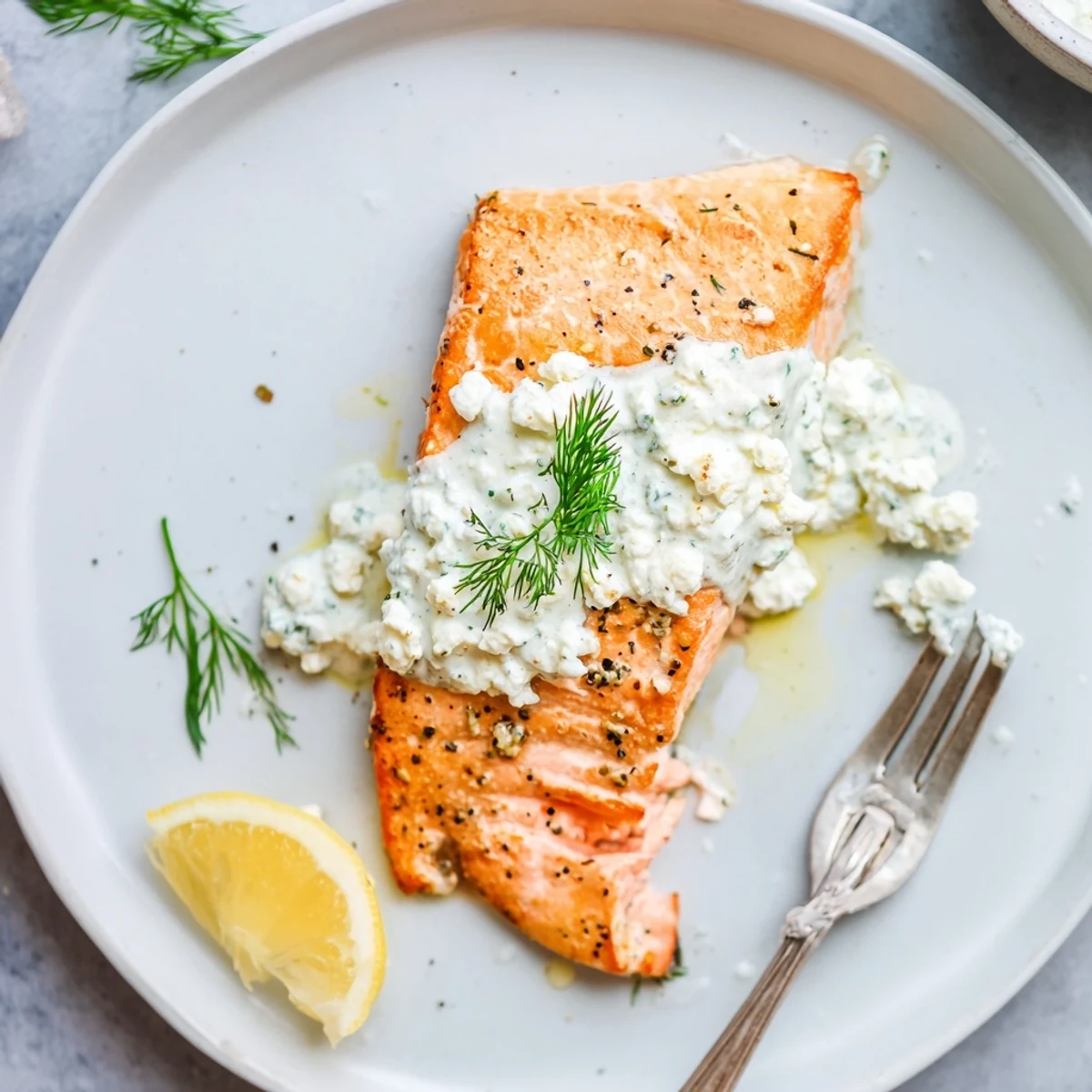
Save Preheat oven to 400°F and bake salmon skin-side down for 12-15 minutes until just opaque. While it cooks, whisk crumbled feta with Greek yogurt, lemon juice, minced garlic, chopped dill and olive oil into a creamy, slightly textured sauce. Spoon over rested fillets and garnish with lemon wedges and extra dill. Serve with roasted vegetables or new potatoes for a balanced Mediterranean-style plate.
The rain was hammering against the kitchen window and I had four salmon fillets staring at me from the cutting board, thawed and waiting. I had bought a tub of crumbled feta on impulse at the Mediterranean market down the street, the kind with the brine still pooling at the bottom. Something about the combination of salty cheese and fresh dill felt like the right antidote to a gray Tuesday. Twenty five minutes later, the whole kitchen smelled like a seaside taverna.
My neighbor Dave knocked on the door that evening to return a borrowed wrench and ended up staying for dinner. He is not a fish person, or so he kept insisting between bites. He went back for seconds and took the last fillet home in foil.
Ingredients
- Salmon fillets (4, about 6 oz each): Skin on works best here because it protects the bottom while baking and lifts cleanly off the parchment.
- Olive oil (1 tablespoon for fish, plus 2 tablespoons for sauce): A fruity extra virgin olive oil makes the sauce sing, but any decent olive oil will do the job.
- Salt and freshly ground black pepper: Season the fish generously before baking because the sauce itself is rich and needs the contrast.
- Crumbled feta cheese (3/4 cup): Use block feta you crumble yourself for the best texture, but pre crumbled works in a pinch.
- Plain Greek yogurt (1/2 cup): Full fat gives the sauce body and a slight tang that balances the salty feta perfectly.
- Fresh dill, chopped (2 tablespoons, or 2 teaspoons dried): Fresh dill is worth the extra trip to the store here because its brightness cannot be matched by the dried version.
- Lemon juice (1 tablespoon): Fresh squeezed only, and if you want it tangier, add another squeeze at the end.
- Garlic clove, minced (1 small): One small clove is enough because raw garlic can easily overwhelm the delicate fish.
- Lemon wedges and fresh dill sprigs for garnish (optional): They turn a weeknight dinner into something that looks intentionally beautiful.
Instructions
- Preheat and prepare:
- Set your oven to 400°F and line a baking sheet with parchment paper so cleanup is effortless later.
- Season the salmon:
- Pat the fillets dry with paper towels, place them skin side down on the sheet, drizzle with olive oil, and season well with salt and pepper on top.
- Bake until just right:
- Slide the salmon into the oven for 12 to 15 minutes, watching for the moment the flesh turns opaque and flakes gently at the edges.
- Whisk the feta dill sauce:
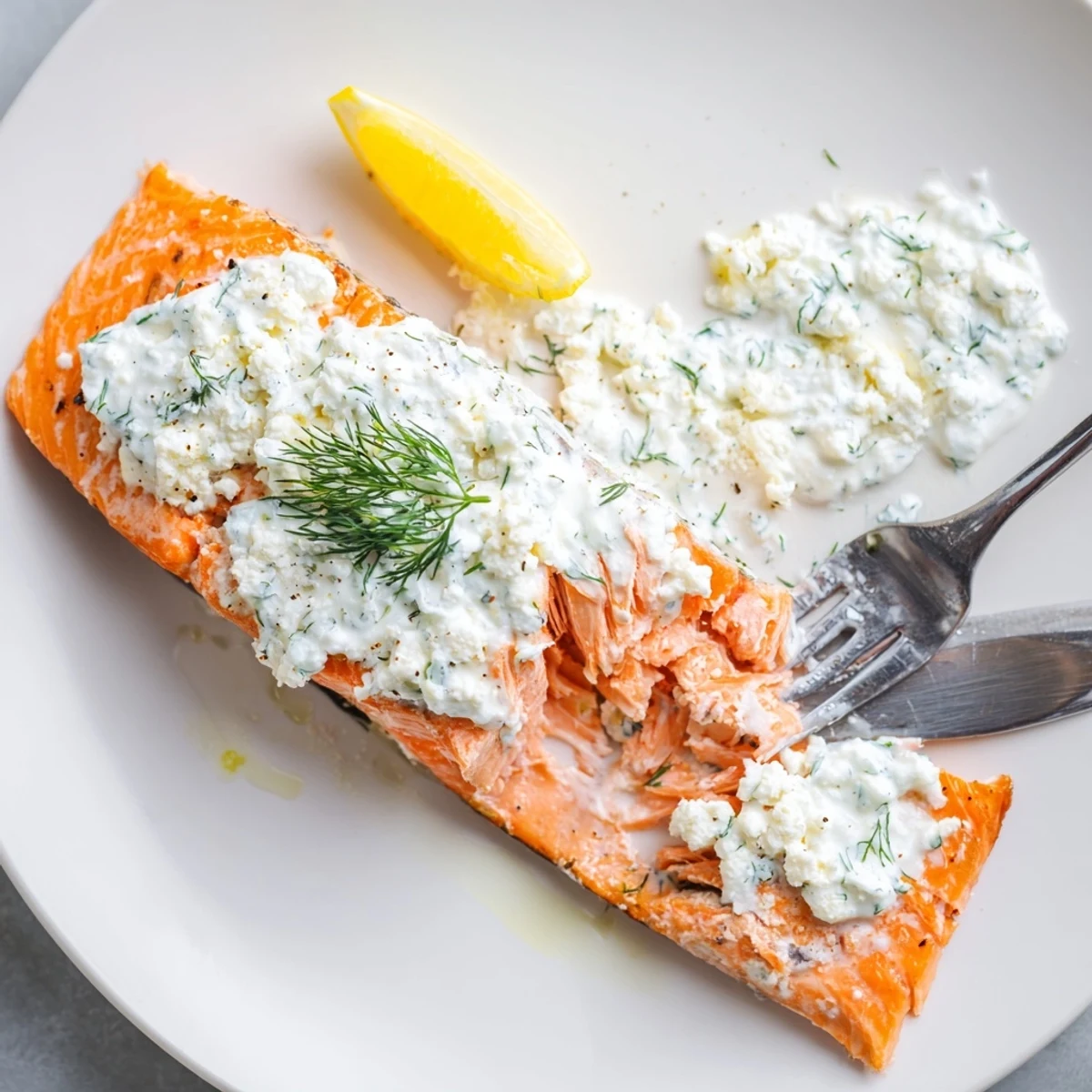
- In a bowl, combine the crumbled feta, Greek yogurt, dill, lemon juice, minced garlic, and olive oil, stirring until creamy but still retaining some lovely chunks of cheese.
- Rest and assemble:
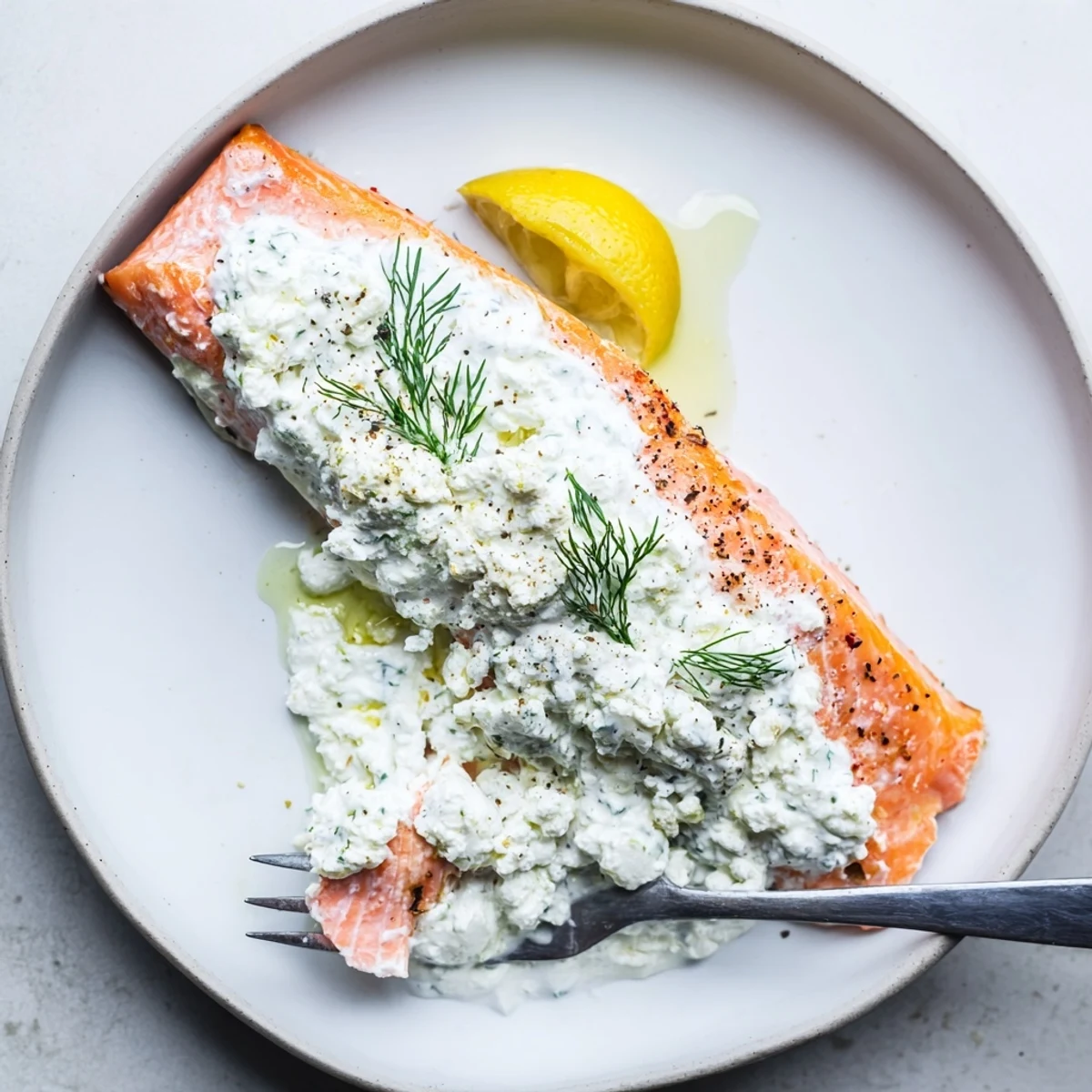
- Let the salmon rest for a minute or two out of the oven, then spoon a generous amount of sauce over each fillet and garnish with lemon wedges and dill sprigs.
 Save
Save That dinner turned a borrowed wrench into an hour long conversation at the kitchen counter, salmon cooling on the plates while we talked about everything except the food.
What to Serve Alongside It
Roasted new potatoes with rosemary are my go-to because they share the oven space nicely and finish around the same time. A simple arugula salad with shaved Parmesan and lemon vinaigrette also works beautifully, cutting through the richness of the feta sauce. If you are leaning fully Mediterranean, warm pita and a plate of sliced cucumbers and tomatoes round out the meal without any fuss.
Worth Knowing About the Sauce
The sauce keeps for two days in the refrigerator and actually improves overnight as the flavors settle into each other. If it thickens too much in the cold, stir in a small splash of warm water or extra lemon juice to loosen it back up. I have also been known to spread leftover sauce on a turkey sandwich, which feels like discovering a secret second recipe hidden inside the first.
Getting the Salmon Right Every Time
The biggest variable is the thickness of your fillets, so check the thickest one at the twelve minute mark rather than relying on the timer alone. A fork pressed gently into the center should meet slight resistance but slide through without force. Letting the fish rest after baking matters more than people think because it allows the juices to redistribute rather than pool on the plate.
- Patting the salmon completely dry before oiling is the single step most people skip, and it makes the surface seasoning stick properly.
- If your feta is very salty, skip the added salt in the sauce and taste it at the end before deciding.
- Always let the salmon rest before saucing so the heat does not melt the yogurt into a thin puddle.
 Save
Save This is the kind of recipe that reminds you good food does not require a special occasion, just a willingness to throw a few honest ingredients together and share what comes out of the oven.
Recipe FAQs
- → What's the easiest way to cook the salmon?
-
Pat fillets dry, brush with olive oil and season lightly, then bake at 400°F for 12-15 minutes until opaque in the center. Thicker fillets may need a couple extra minutes; avoid overcooking to keep them moist.
- → How do I make the feta dill sauce creamier?
-
Use full-fat Greek yogurt and crumble the feta finely. A splash of olive oil or an extra tablespoon of yogurt helps smooth the texture while keeping a bit of cheese grain for interest.
- → Can I substitute the Greek yogurt?
-
Sour cream or crème fraîche are good swaps for a richer finish. If using a thinner dairy, reduce any added lemon slightly to keep the sauce balanced.
- → How can I reduce the sodium in the dish?
-
Opt for a lower-sodium feta or rinse crumbled feta briefly and taste before adding extra salt. Season the salmon more gently and rely on lemon to brighten flavors.
- → What sides pair best with this dish?
-
Roasted seasonal vegetables, new potatoes or a crisp green salad complement the feta-dill flavors. A glass of Sauvignon Blanc or dry Riesling pairs nicely.
- → Can the sauce be made ahead of time?
-
Yes—mix the sauce a few hours ahead and keep chilled. Stir before serving and bring slightly towards room temperature if it firms up in the fridge.