
 Save
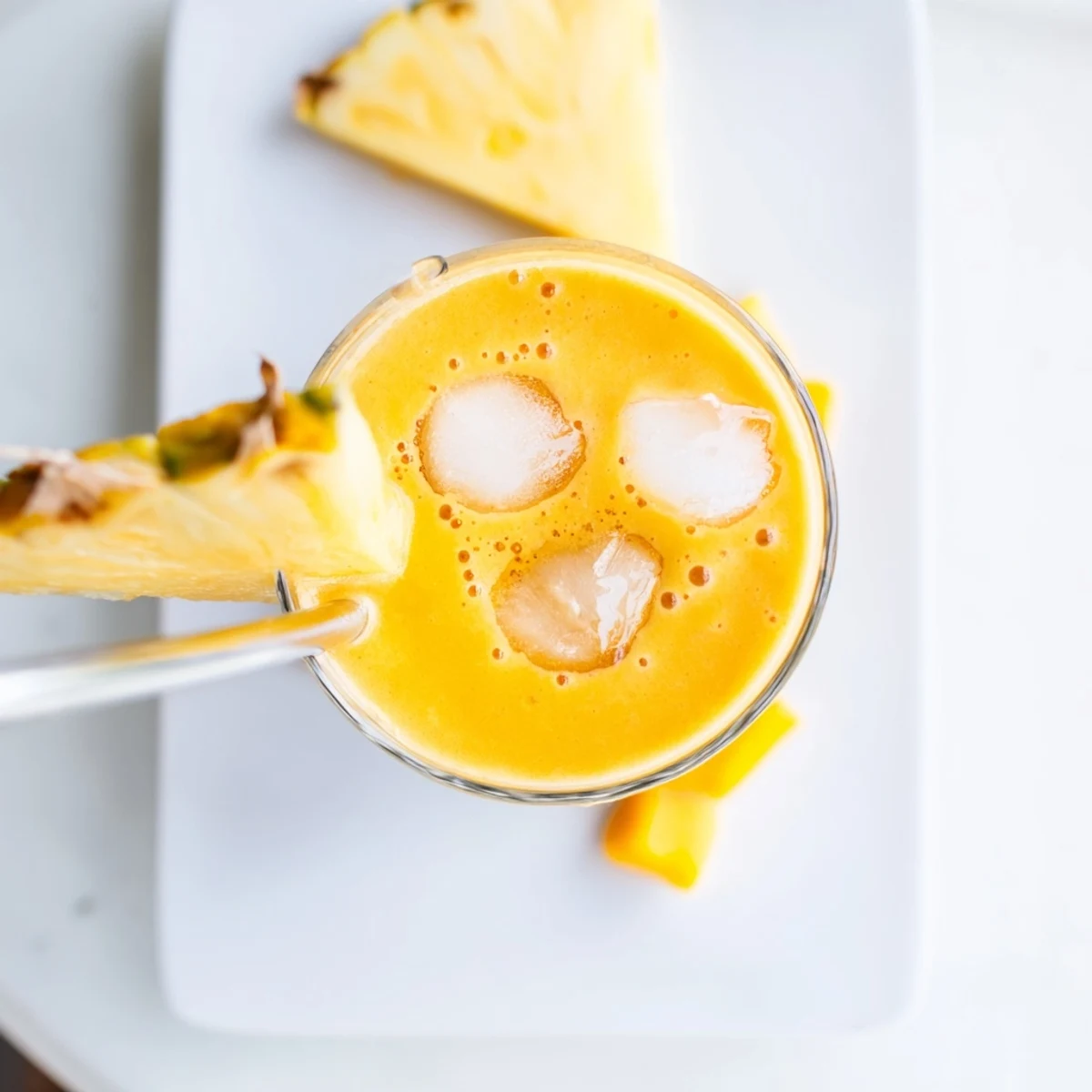
Save This vibrant tropical smoothie combines the natural sweetness of fresh pineapple and mango with creamy coconut milk for a perfectly balanced beverage. Blended to silky smoothness in just 5 minutes, it delivers a refreshing burst of tropical flavors that works wonderfully as a quick morning breakfast or an afternoon cool-down treat. The optional yogurt adds extra creaminess while a splash of lime juice brightens all the flavors.
The blender screamed like a small jet engine at seven in the morning, and my roommate pounded on the wall shouting something unholy about sleep schedules. What she did not know was that inside that roaring machine sat the most glorious tropical escape anyone could have on a Tuesday in February. Frozen mango and pineapple chunks spun together with coconut milk into something so bright and creamy that I genuinely forgot it was snowing outside. That first sip changed my entire morning routine forever.
I started making this for my friend Elena after she complained that every smoothie she ordered tasted like grass or regret. She now texts me photos of her blender every single morning like some kind of tropical accountability buddy.
Ingredients
- Pineapple chunks (1 cup, fresh or frozen): Frozen chunks give you that thick, spoonable texture without watering things down, so I always keep a bag stashed in the freezer door.
- Mango chunks (1 cup, fresh or frozen): Mango is the real sweetness engine here, and frozen mango especially blends into something dangerously close to soft serve.
- Coconut milk (1 cup): Full fat canned coconut milk makes this impossibly rich, but the carton kind works beautifully if you want something lighter.
- Plain yogurt (1/2 cup, optional): This adds a tangy creaminess that balances the sweet fruit, and a dollop of plant-based yogurt keeps it fully vegan.
- Honey or agave syrup (1 tablespoon, optional): Taste before you add this, because ripe mango often brings enough sweetness on its own.
- Ice cubes (1/2 cup, optional): Only needed if you are using fresh fruit instead of frozen, since frozen fruit already does the chilling work.
- Lime juice (from 1/2 lime, optional): A quick squeeze of lime wakes up every flavor in the glass and makes the whole thing taste less flat.
Instructions
- Load up the blender:
- Toss the pineapple, mango, coconut milk, yogurt, honey, ice, and lime juice straight into the blender pitcher with zero fuss about order. Everything ends up in the same place anyway.
- Blend until silky:
- Crank the blender to high and let it run for about sixty seconds until you see a smooth, uniform color with no chunks hiding in the corners. Stop once to scrape down the sides if your blender is temperamental like mine.
- Taste and tweak:
- Dip a spoon in and decide if it needs more sweetness, a splash more milk to thin it out, or another squeeze of lime to brighten things up. This is where you make it yours.
- Pour and enjoy immediately:
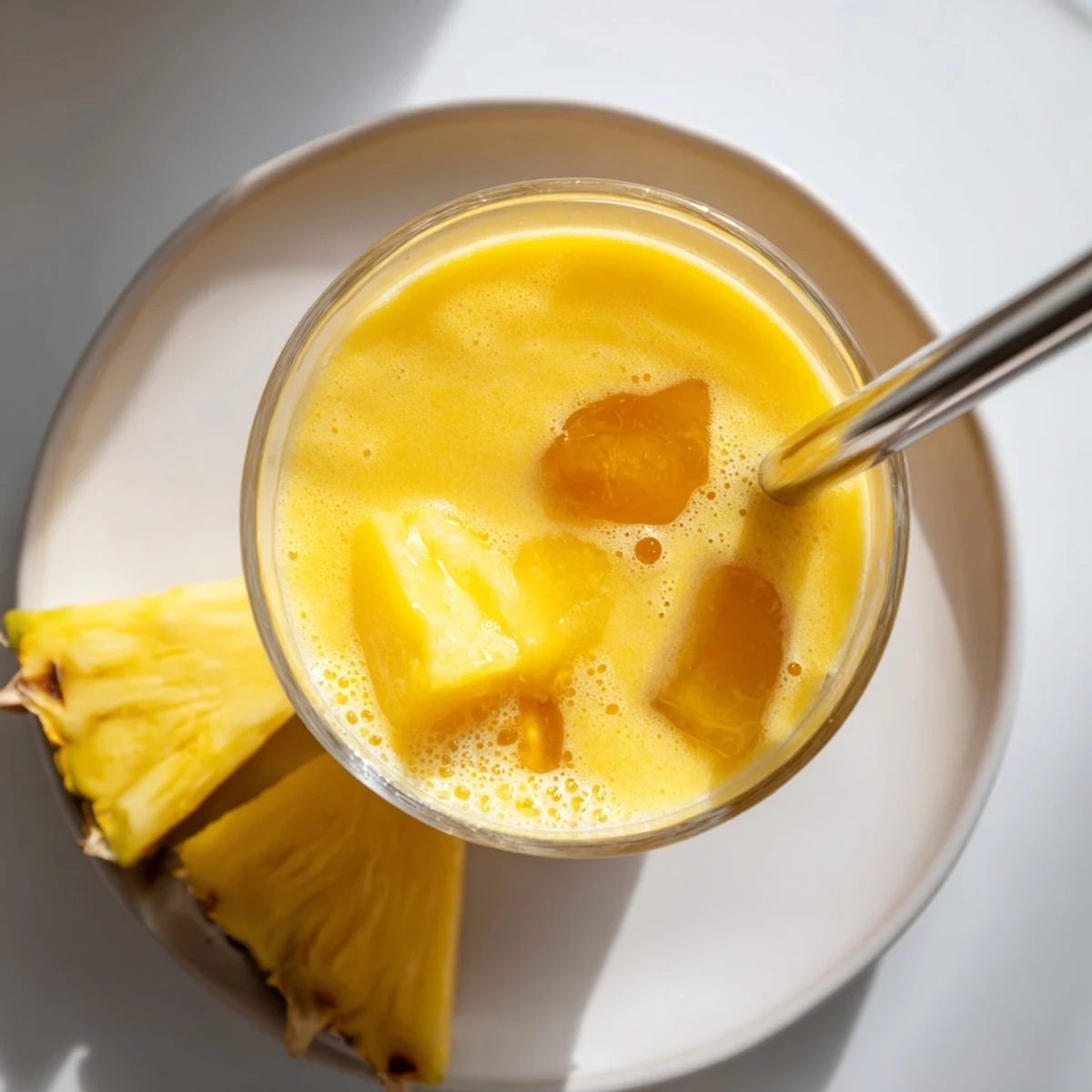
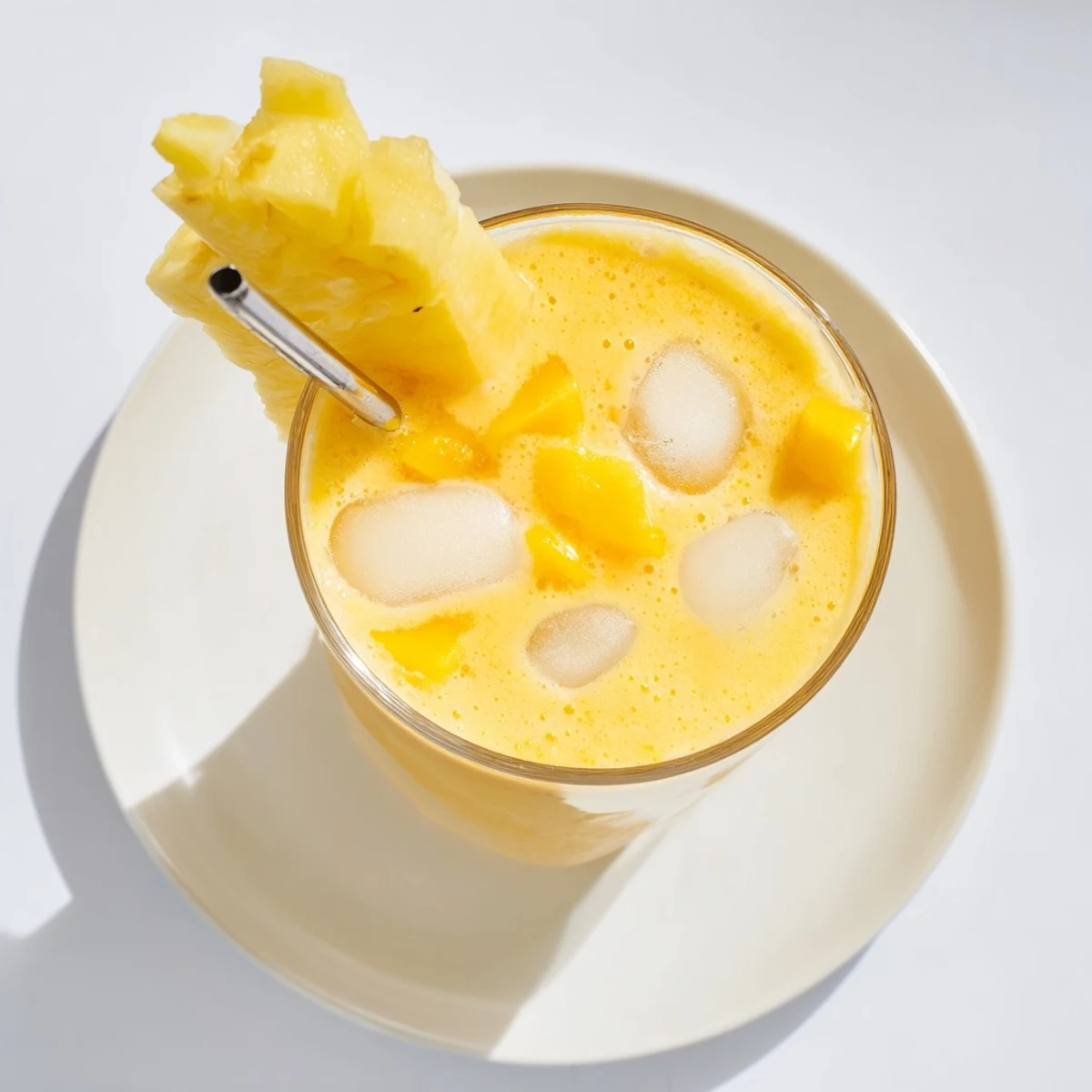
- Divide between two glasses, drop in a straw, and drink it right away while it is still thick and frosty. Garnish with a pineapple wedge or a sprig of mint if you are feeling fancy.
 Save
Save Elena once showed up at my door with a bag of fresh mangoes from the farmers market and we stood in the kitchen blending batch after batch until the blender literally overheated and shut itself off. We sat on the floor drinking warmish smoothie from the last batch and laughing until we could not breathe.
Making It Your Own
A handful of spinach blends in invisibly if you want a green boost, though the color will shift to a swampy olive that tastes far better than it looks. A scoop of vanilla protein powder turns this into a proper post-gym refresher that actually tastes good, which is rarer than it should be. A few tablespoons of shredded coconut or a splash of orange juice pushes the tropical vibe into full vacation territory.
Choosing Your Milk
Coconut milk gives the most authentic tropical flavor, but oat milk adds a lovely subtle sweetness and almond milk keeps it light and refreshing. I have even used leftover coconut water from a carton and it worked surprisingly well, though the smoothie was noticeably thinner.
Allergen Watch
Coconut is technically a tree nut allergen, so swap to oat or almond milk if that is a concern for anyone you are serving. If you use dairy yogurt, this is no longer vegan, but a coconut or almond yogurt brings the same creaminess without the dairy. Always double check your ingredient labels if you are making this for someone with allergies, because cross-contamination sneaks into unexpected places.
- Coconut yogurt is the safest swap for keeping this creamy and fully plant-based.
- Frozen fruit labeled unsweetened is your best bet to avoid hidden added sugars.
- When in doubt about any allergen, check the label rather than guessing.
 Save
Save Some mornings the best thing you can do for yourself is something small and bright and ridiculously easy, and this smoothie is exactly that. Blend, sip, and let the tropics meet you wherever you are.
Recipe FAQs
- → Can I use frozen fruit instead of fresh?
-
Yes, frozen pineapple and mango work excellently and actually create a thicker, colder smoothie without needing additional ice. Simply blend frozen chunks directly with the liquids.
- → How can I make this smoothie vegan?
-
Use plant-based yogurt instead of dairy yogurt and stick with coconut milk or another non-dairy alternative. The honey can be replaced with maple syrup or agave to keep it fully plant-based.
- → What other fruits pair well in this tropical blend?
-
Banana adds creaminess and natural sweetness, while papaya or passion fruit enhance the tropical profile. A handful of strawberries creates a lovely color variation and complementary flavor.
- → Can I prepare this smoothie ahead of time?
-
For best texture and flavor, blend and serve immediately. However, you can pre-portion the fruits and store them in freezer bags, then just add liquids and blend when ready to enjoy.
- → How do I make the smoothie thicker or thinner?
-
Add more ice cubes or frozen fruit for a thicker consistency, or pour in additional coconut milk to thin it out. The amount of liquid can be adjusted to achieve your preferred texture.
- → What can I use instead of coconut milk?
-
Almond milk, oat milk, cashew milk, or regular dairy milk all work well as substitutes. Each will slightly alter the flavor profile while maintaining the smooth, creamy texture.