
 Save
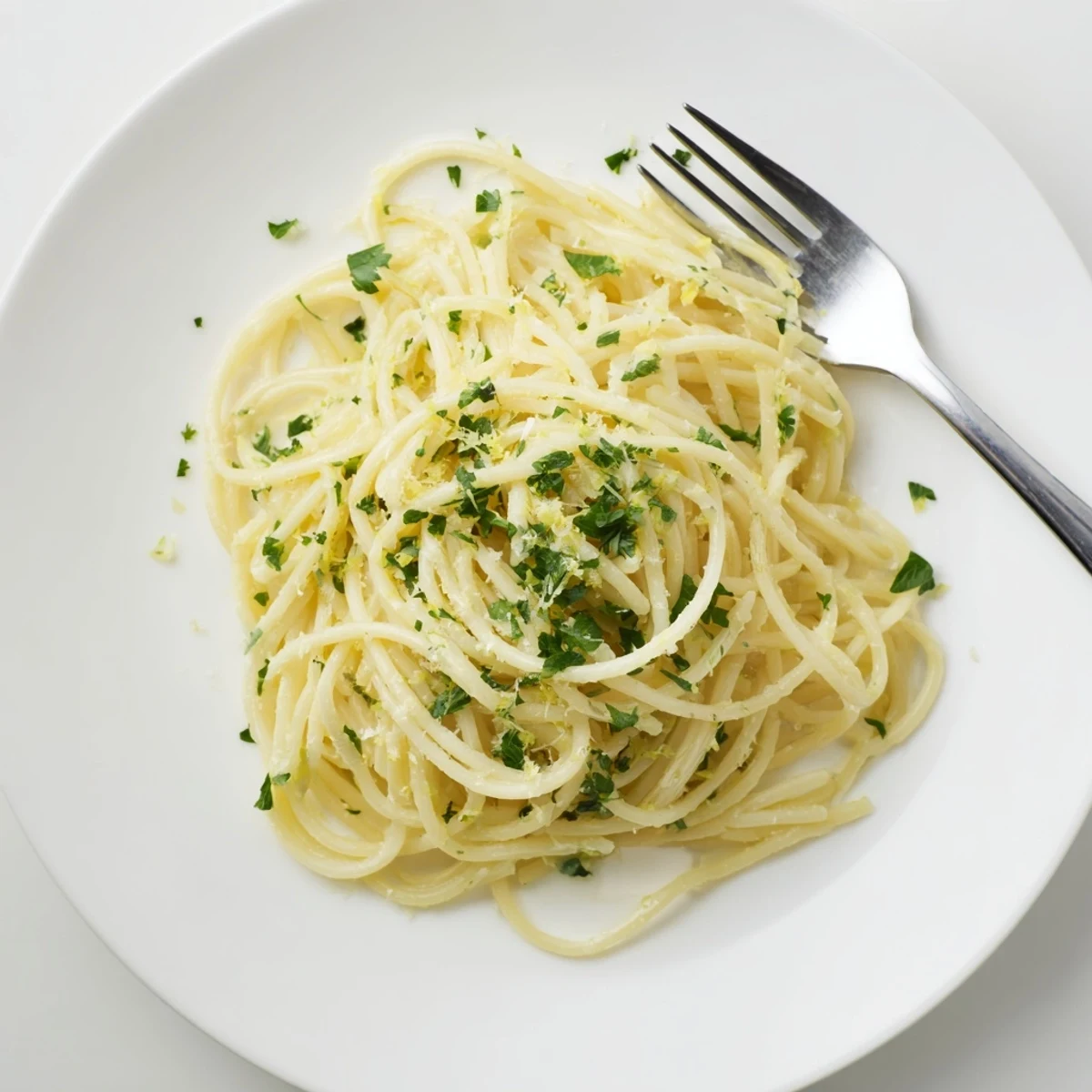
Save This streamlined approach transforms basic pasta into a restaurant-quality dish through a clever one-pot technique. As the spaghetti cooks directly in the broth, it releases starches that naturally thicken the liquid, creating a silky coating without heavy cream.
The aromatic base of sautéed garlic in butter and olive oil infuses every strand with deep flavor, while fresh Parmesan adds a savory, umami-rich finish. A touch of lemon brightness balances the richness, and fresh parsley brings color and herbal freshness.
Perfect for busy weeknights when you want something comforting but don't want to spend hours at the stove or face a sink full of dishes. The method is forgiving—simply stir occasionally and adjust seasonings to taste.
The smell of garlic hitting warm butter stops me in my tracks every single time. I discovered this one-pot method on a Tuesday evening when I was too tired to boil water in a separate pot and make sauce in another. The pasta cooks directly in its own liquid, creating that starch-rich silkiness that usually takes a masters class in sauce making. Now its the pasta I turn to when I want something extraordinary but only have energy for something simple.
I made this for my sister during one of those marathon catch-up sessions that start with dinner and end at midnight. She took her first bite, went completely silent, and then asked why restaurant pasta never tastes this intimate. Thats the magic of garlic butter, really.
Ingredients
- 400 g spaghetti or linguine: Long pasta strands hold the garlic butter sauce beautifully, coating each strand evenly
- 1 liter vegetable broth or water: The liquid becomes the sauce base as the pasta cooks, absorbing all that garlic flavor
- 4 tablespoons unsalted butter: This is the backbone of the sauce, creating richness and that velvety mouthfeel
- 6 garlic cloves, minced: Do not skimp here; fresh garlic, not jarred, makes all the difference in the world
- 1 tablespoon olive oil: Prevents the butter from burning and adds a subtle fruity note
- 50 g grated Parmesan cheese: Adds umami depth and helps thicken the final sauce into something luxurious
- Zest and juice of ½ lemon: Cuts through the richness and brightens every single bite
- 2 tablespoons chopped fresh parsley: Fresh herbs bring color and a pop of herbal freshness
Instructions
- Sauté the garlic in butter and olive oil:
- Heat olive oil and butter in a large pot over medium heat, then add minced garlic and cook for just 1-2 minutes until fragrant and golden, watching carefully so it does not brown or turn bitter.
- Add the pasta and cooking liquid:
- Pour in the uncooked pasta and enough broth or water to cover it completely, giving everything a quick stir to separate the strands.
- Simmer until the liquid creates its own sauce:
- Bring to a boil, then reduce heat and simmer for 9-12 minutes, stirring frequently to prevent sticking, until the pasta is al dente and most liquid has absorbed into a glossy sauce.
- Finish with cheese and bright notes:
- Reduce heat to low, then stir in Parmesan, lemon zest and juice, and parsley until the sauce coats each strand in creamy perfection.
 Save
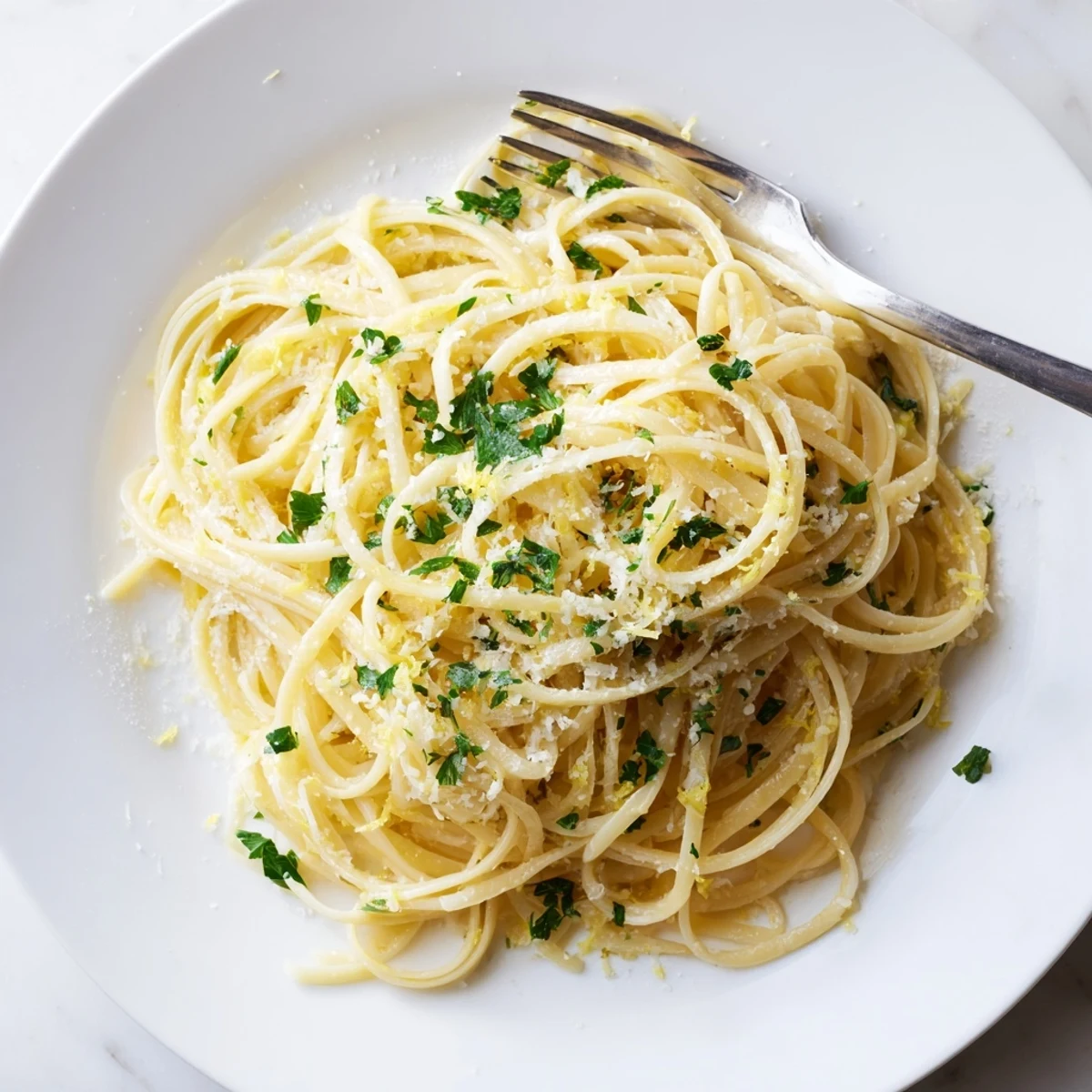
Save This dish has become my go-to for comfort without the heaviness of cream-based sauces. There is something deeply satisfying about watching simple ingredients transform into something restaurant-worthy right before your eyes.
Making It Your Own
I love adding sautéed mushrooms when I want something earthy, or tossing in fresh spinach at the very end so it wilts just slightly into the noodles. Cherry tomatoes burst beautifully if you add them during the last few minutes of simmering, creating little pockets of sweetness throughout the dish.
Perfecting the Sauce
The key is stirring frequently as the pasta simmers, which releases starch and prevents sticking while creating that natural emulsion. I keep the heat at a gentle simmer rather than a rolling boil, giving the sauce time to thicken slowly and develop body.
Serving Suggestions
A crisp white wine like Sauvignon Blanc cuts through the butter beautifully, and a simple green salad with acidic vinaigrette balances the richness on the plate. I sometimes serve it with crusty bread to sop up every last drop of that garlicky sauce at the bottom of the bowl.
- Grate extra Parmesan at the table for those who love an extra salty kick
- Keep red pepper flakes handy for anyone who wants a hit of heat
- Serve immediately while the sauce is at its silkiest
 Save
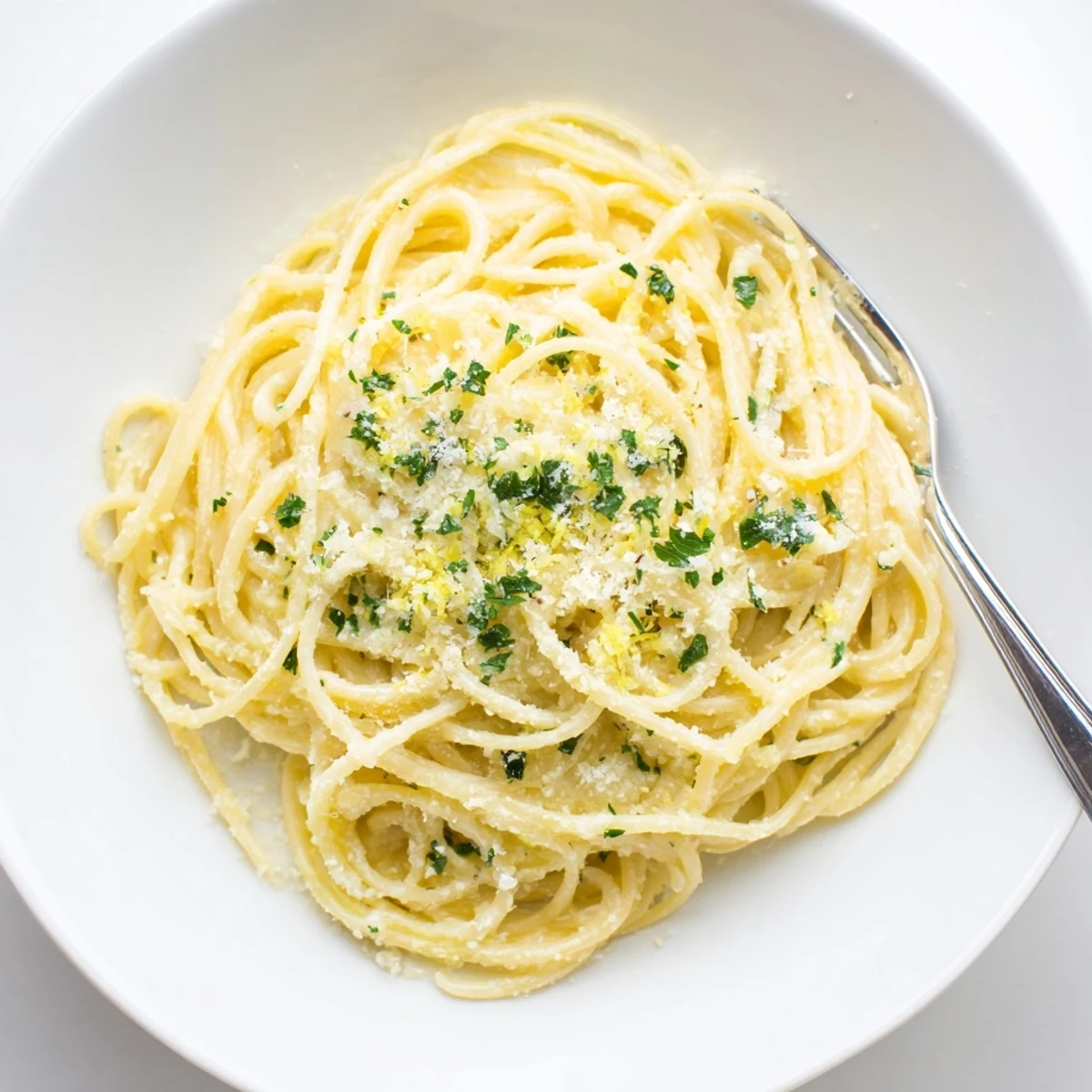
Save Sometimes the simplest recipes are the ones that stay with you longest, becoming the dishes you return to again and again.
Recipe FAQs
- → Can I use different pasta shapes?
-
Yes, while spaghetti and linguine work beautifully, you can substitute fettuccine, penne, or rigatoni. Just adjust cooking time according to package directions and ensure the pasta is fully submerged in the liquid.
- → Why cook pasta directly in the pot?
-
Cooking pasta in the broth creates a naturally creamy sauce as the starches release into the cooking liquid. This eliminates the need for draining and results in more flavorful, well-coated noodles.
- → Can I make this dish vegan?
-
Absolutely. Substitute the butter with plant-based butter or olive oil, and use vegan Parmesan or nutritional yeast. The technique remains the same, and you'll still achieve a rich, satisfying result.
- → How do I prevent the pasta from sticking?
-
Stir frequently during the first few minutes of cooking, and continue to stir occasionally as it simmers. The starch released from the pasta will eventually create enough sauce to prevent sticking.
- → What vegetables can I add?
-
Sautéed mushrooms, spinach, cherry tomatoes, or peas work wonderfully. Add heartier vegetables like mushrooms with the garlic, and delicate greens like spinach in the last minute of cooking.
- → Can I prepare this ahead?
-
It's best served immediately while the sauce is at its creamiest. If needed, you can make it ahead and reheat with a splash of water or broth to loosen the sauce, though the texture won't be quite as silky.