
 Save
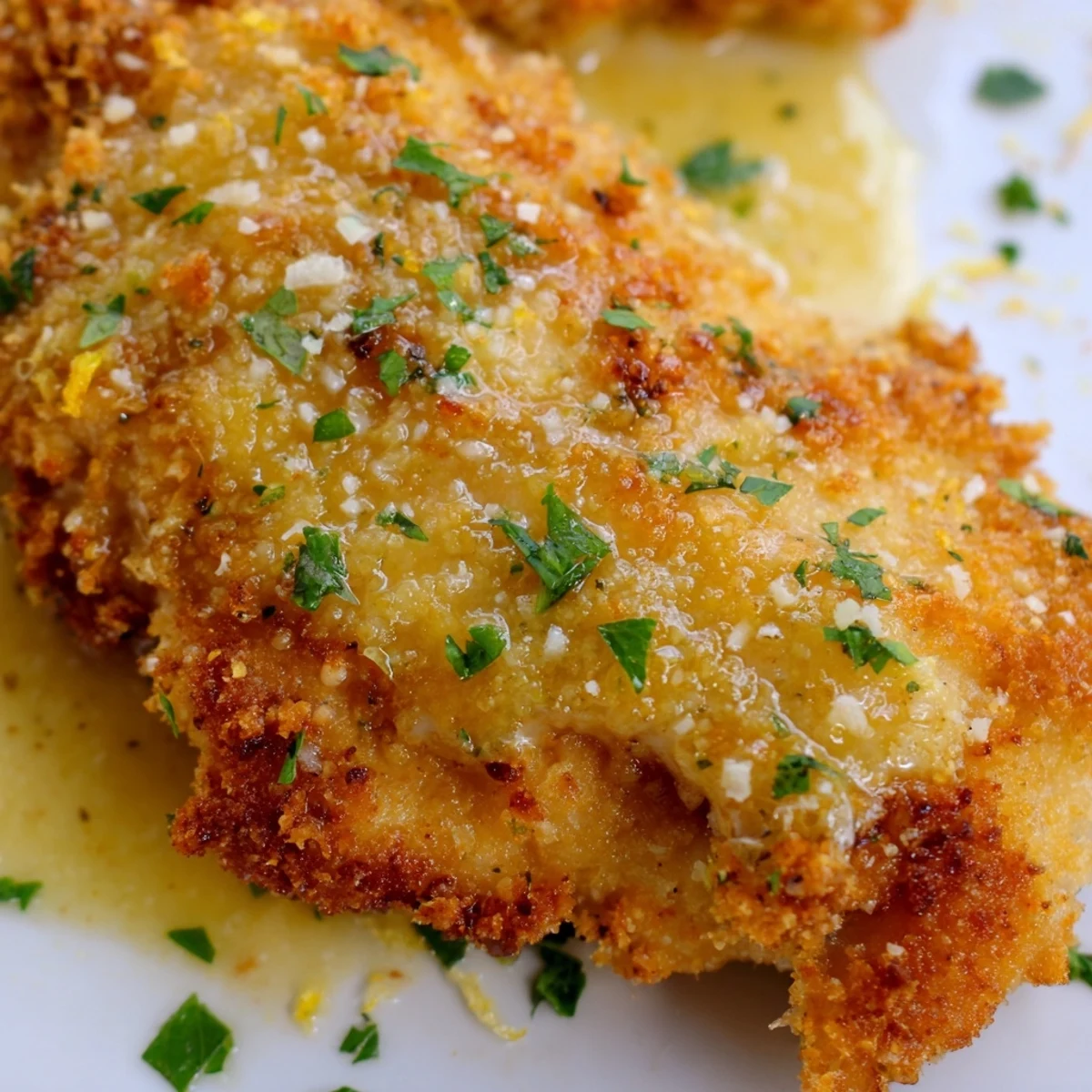
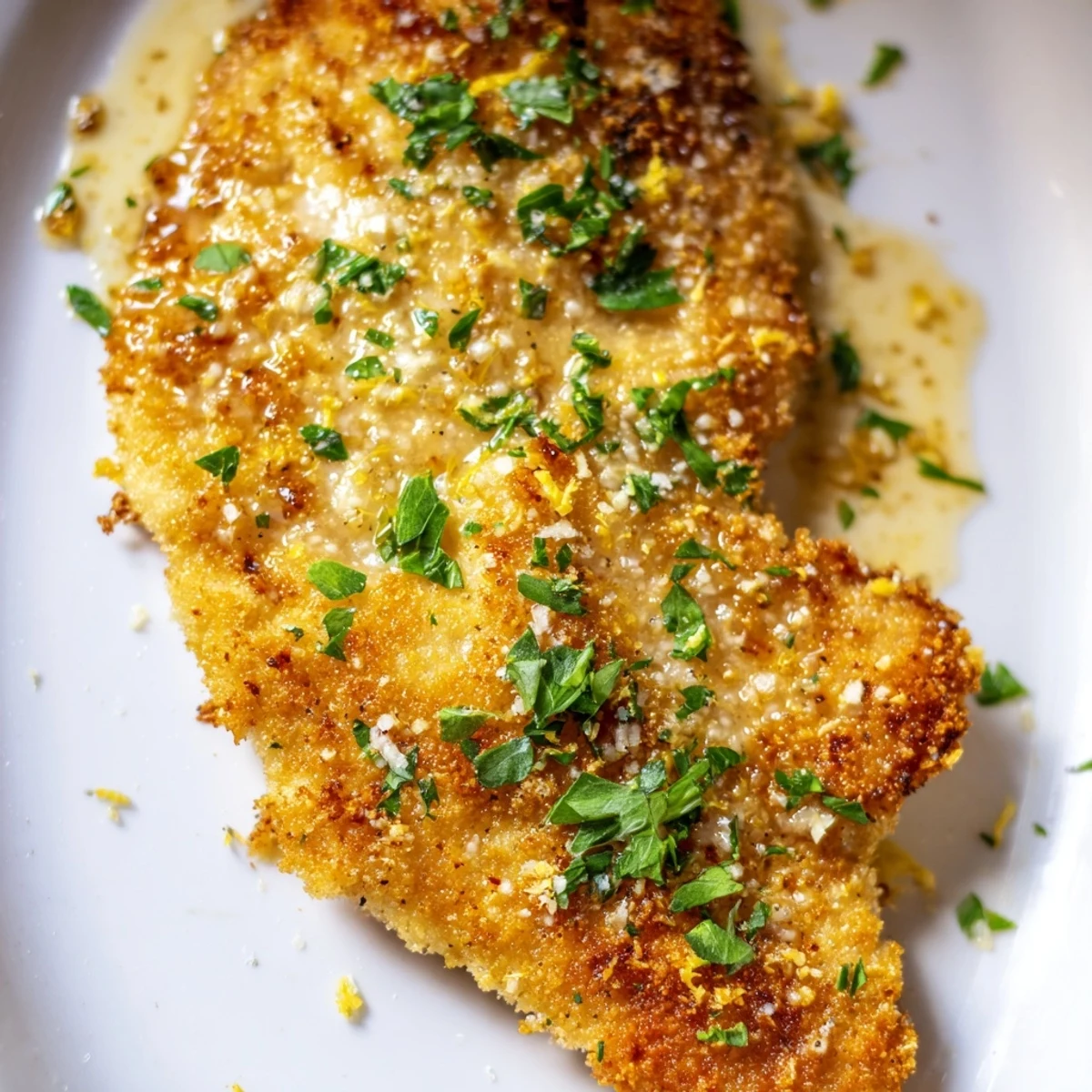
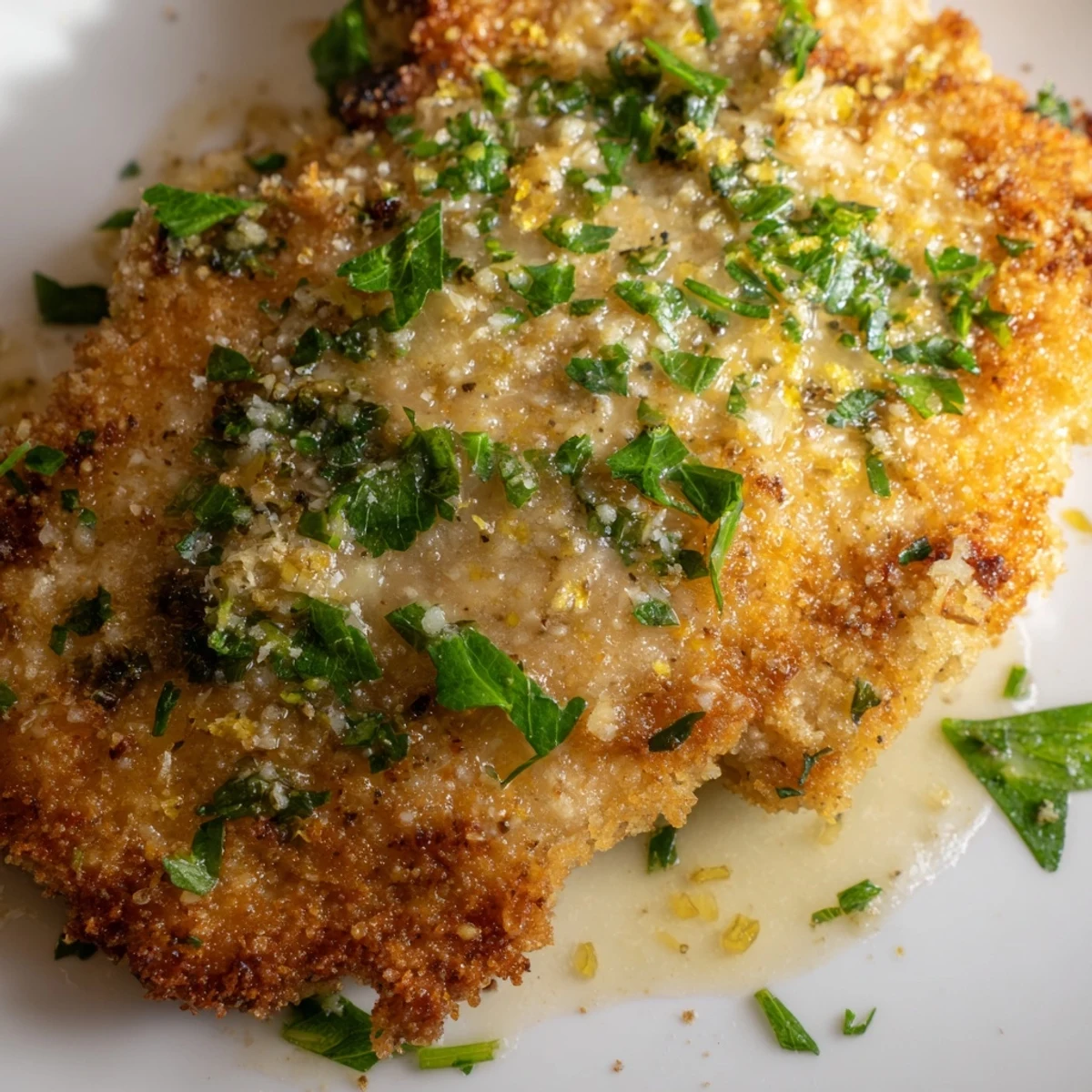
Save This Italian-American classic transforms simple chicken breasts into something extraordinary. The cutlets get pounded thin, seasoned, and coated in a three-step breading process featuring sharp Romano cheese and Italian breadcrumbs. A quick pan-fry creates that irresistible golden crust, while the pan gets deglazed with fresh lemon juice and zest to create an emulsified butter sauce that ties everything together.
The key is pounding the chicken evenly so it cooks quickly and stays tender. The Romano cheese brings a sharper, saltier profile than Parmesan, which cuts through the richness of the butter and balances the bright lemon. Perfect alongside angel hair pasta or a crisp salad to soak up that pan sauce.
The sizzle of cheese hitting hot oil in a skillet is one of those sounds that pulls everyone into the kitchen before you even have a chance to call them. Lemon Chicken Romano became my go to whenever I needed something impressive without spending half the day hovering over the stove. The first attempt involved a splattered stovetop and a slightly singed eyebrow but the flavor was undeniable. That crunchy golden crust soaked in tangy lemon butter sauce is worth every bit of mess.
My neighbor Carla knocked on my door one Tuesday evening holding a bag of lemons from her tree and casually asked if I knew what to do with them besides make tea. Two hours later we were sitting on the kitchen floor leaning against the cabinets splitting the last cutlet straight from the pan because neither of us wanted to wait for plates.
Ingredients
- 4 boneless skinless chicken breasts: Pound them evenly so they cook uniformly and you avoid that dreaded dry center with raw edges problem.
- Salt and freshly ground black pepper: Season generously on both sides before breading because the coating alone will not carry the whole dish.
- 1 cup all purpose flour: This first coating helps the egg adhere properly so do not skip or skimp on it.
- 2 large eggs plus 2 tbsp water: A splash of water thins the egg wash just enough for an even coating without clumping.
- 1 cup grated Romano cheese: Romano brings a sharper saltier punch than Parmesan and it creates a crust that fries up deeply golden.
- 1 cup Italian style breadcrumbs: These add structure and crunch to balance the cheese so the coating does not burn before the chicken cooks through.
- 1/4 cup olive oil plus 2 tbsp butter for frying: The blend gives you a high smoke point from the oil and rich flavor from the butter working together beautifully.
- 1/4 cup fresh lemon juice about 2 lemons: Fresh squeezed is nonnegotiable here since bottled juice tastes flat against the Romano.
- 1 tbsp grated lemon zest: Rub the zest into the butter with your fingers before adding it to the pan to release the oils and intensify the citrus hit.
- 2 tbsp unsalted butter for sauce: This finishes the sauce with silky richness that coats the chicken like a glaze.
- 2 tbsp chopped fresh parsley plus more for garnish: Fold it in at the very end so the color stays bright and vibrant.
Instructions
- Pound and season the chicken:
- Place each breast between two sheets of plastic wrap and use a meat mallet or rolling pin to pound them to a half inch thickness. Season both sides well with salt and pepper.
- Set up the breading station:
- Arrange three shallow bowls in a row with flour in the first beaten eggs mixed with water in the second and Romano combined with breadcrumbs in the third. This assembly line keeps your hands cleaner and the process moving quickly.
- Coat each cutlet thoroughly:
- Dredge the chicken in flour and shake off the excess then dip it completely in the egg wash and finally press it firmly into the cheese breadcrumb mixture. Really press the coating on with your palms so it sticks during frying.
- Fry until golden:
- Heat olive oil and two tablespoons of butter in a large skillet over medium heat and cook the cutlets three to four minutes per side until deeply golden and cooked through. Work in batches if needed and transfer finished cutlets to a plate tented with foil.
- Build the lemon butter sauce:
- Pour off the excess oil from the skillet then add lemon juice and zest to deglaze scraping up every caramelized bit from the bottom. Stir in the remaining butter and let it simmer for one to two minutes until slightly thickened.
- Finish and serve:
- Return the chicken to the pan and spoon the sauce over each cutlet letting it warm through for another minute. Shower with fresh parsley and serve right away with extra lemon wedges on the side.
 Save
Save There is something about the way this dish fills a kitchen with the smell of browned butter and lemon that turns an ordinary weeknight into something worth remembering.
Getting That Crust Right Every Time
The biggest mistake I made early on was crowding the pan with all four cutlets at once which dropped the oil temperature and turned crispy into soggy within seconds. Two at a time is the sweet spot giving each piece enough space to fry undisturbed. Also resist the urge to poke or flip early because the cheese needs uninterrupted contact with the hot surface to form a proper seal.
Serving Ideas That Actually Work
Angel hair pasta tossed in a little olive oil and the leftover pan drippings is the move if you want to soak up every drop of that lemon butter sauce. A simple arugula salad with shaved Parmesan and a light vinaigrette cuts through the richness without competing for attention. Crusty bread on the side is never a bad idea either especially if you have sauce lovers at the table.
Making It Your Own
Once you lock down the basic technique this recipe bends easily to whatever you have on hand or whatever mood strikes you. A splash of white wine added to the pan right before the lemon juice adds wonderful complexity and a caper or two scattered over the finished plate brings a briny pop that contrasts beautifully with the richness.
- Swap Romano for Parmesan if you want a milder nuttier flavor profile.
- Gluten free breadcrumbs and a one to one flour substitute work perfectly for a GF version.
- Always taste the sauce before serving and adjust with salt or an extra squeeze of lemon as needed.
 Save
Save This is the kind of recipe that makes people close their eyes at the first bite and reach for seconds before finishing the first serving. Keep it in your back pocket for nights when you want to feel like a genius with very little fuss.
Recipe FAQs
- → What makes Romano cheese different from Parmesan?
-
Romano cheese has a sharper, saltier flavor profile compared to Parmesan's nutty, milder taste. It's made from sheep's milk rather than cow's milk, which gives it a distinct tanginess that holds up well against rich butter and bright lemon in this dish.
- → Why pound the chicken breasts before cooking?
-
Pounding creates uniform thickness, ensuring even cooking and tender results. It also increases surface area for better breading adhesion and allows the cutlets to cook through quickly without drying out—essential for maintaining juicy, tender meat.
- → Can I prepare the breading in advance?
-
You can set up the breading stations up to 2 hours ahead, but coat the chicken just before cooking. Pre-breaded cutlets can become soggy as the flour absorbs moisture from the meat, compromising that crispy crust you want to achieve.
- → How do I know when the chicken is done?
-
The cutlets should feel firm to the touch and show a golden-brown crust on both sides. For accuracy, use an instant-read thermometer inserted into the thickest part—it should register 165°F. The meat should also bounce back when pressed gently.
- → What sides pair well with this dish?
-
Angel hair pasta tossed in olive oil and garlic lets the sauce shine. A crisp arugula salad with shaved Parmesan provides contrast. Roasted asparagus, sautéed broccolini, or creamy polenta also complement the rich, tangy flavors beautifully.
- → Can I make this gluten-free?
-
Yes—substitute the all-purpose flour with a 1:1 gluten-free flour blend and use certified gluten-free breadcrumbs. The coating technique remains the same, though you may need to press slightly more firmly to ensure the breading adheres properly without gluten's binding properties.