
 Save
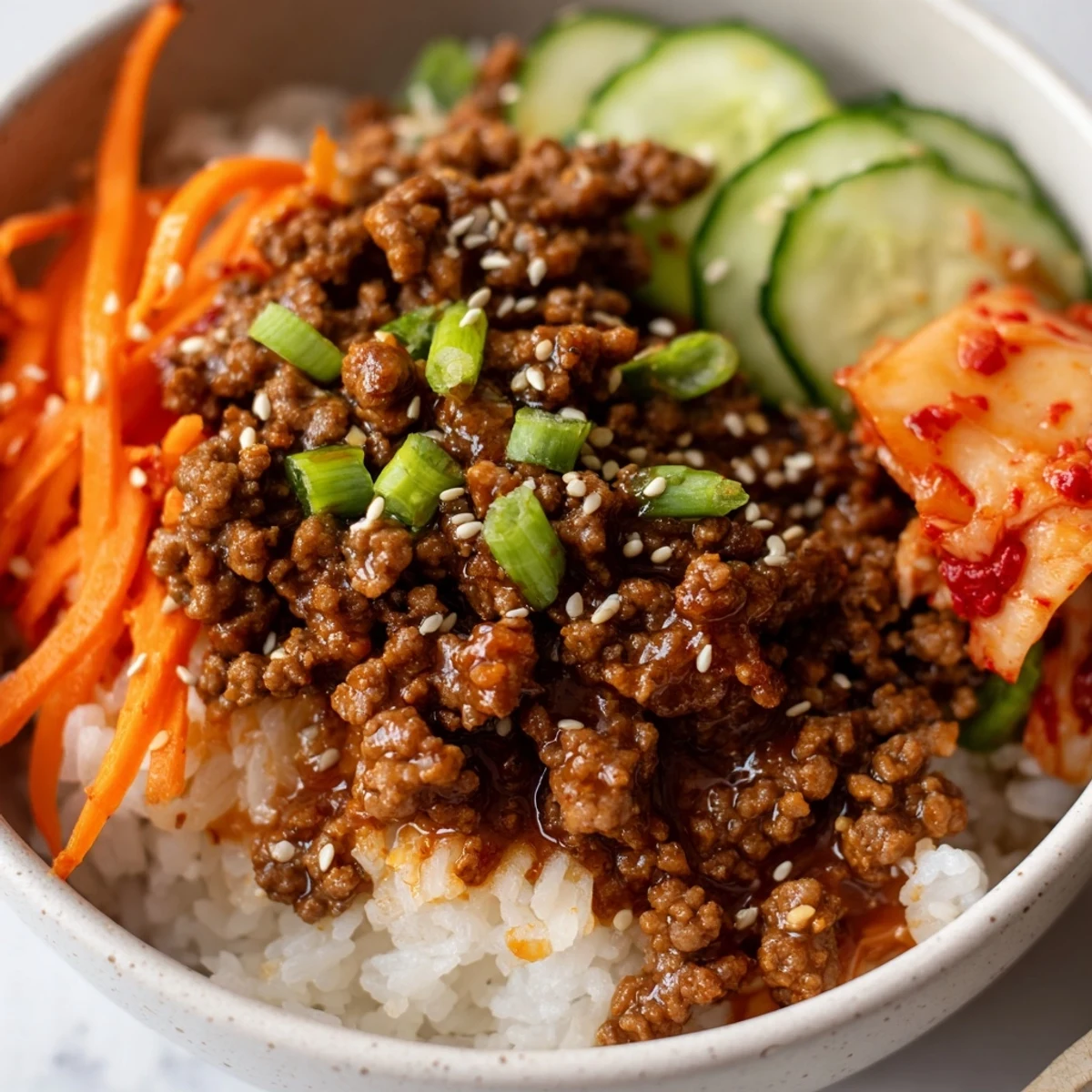
Save This Korean ground beef bowl comes together in just 25 minutes, making it perfect for busy weeknights. Lean ground beef is browned and simmered in a rich sauce of soy sauce, brown sugar, sesame oil, garlic, ginger, and gochujang.
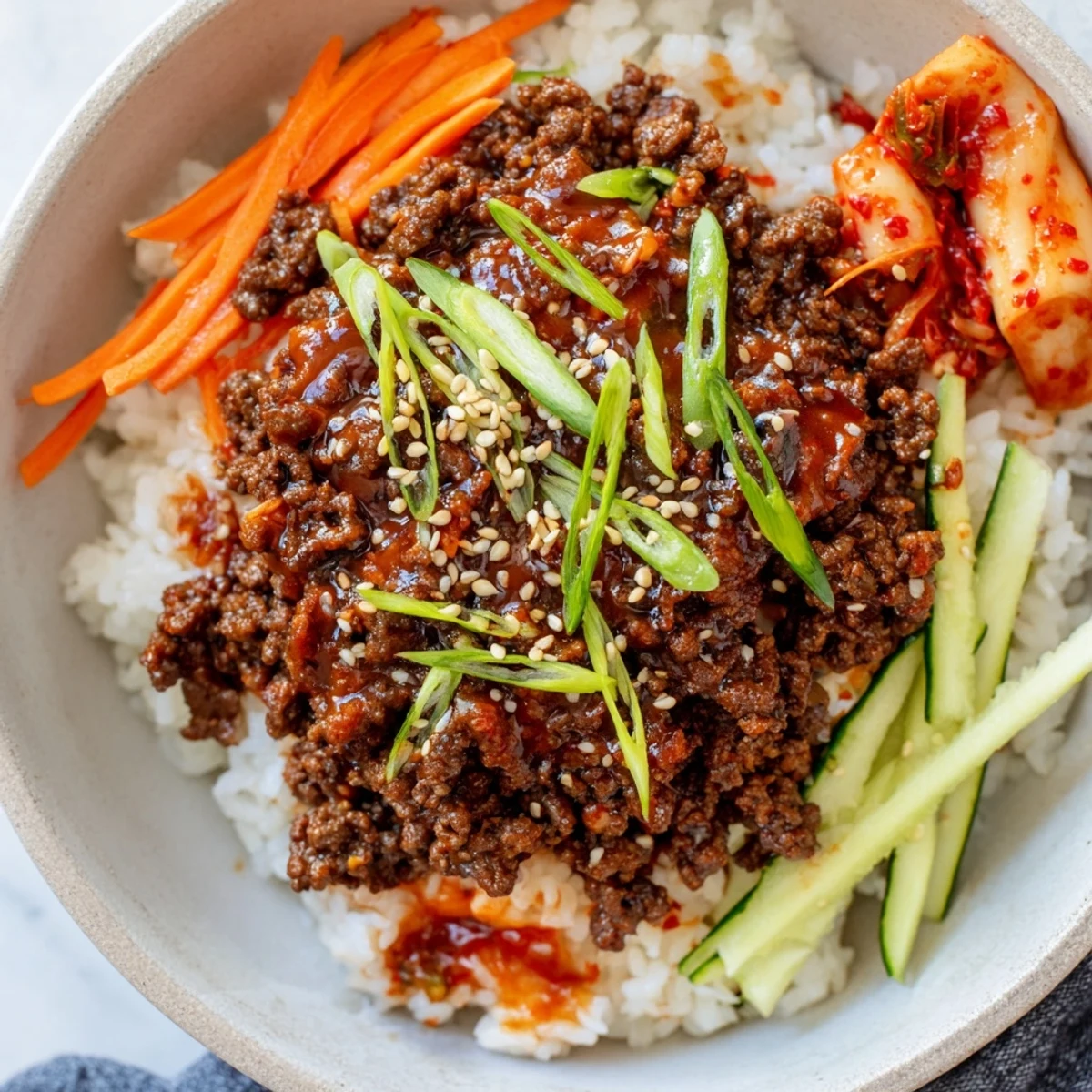
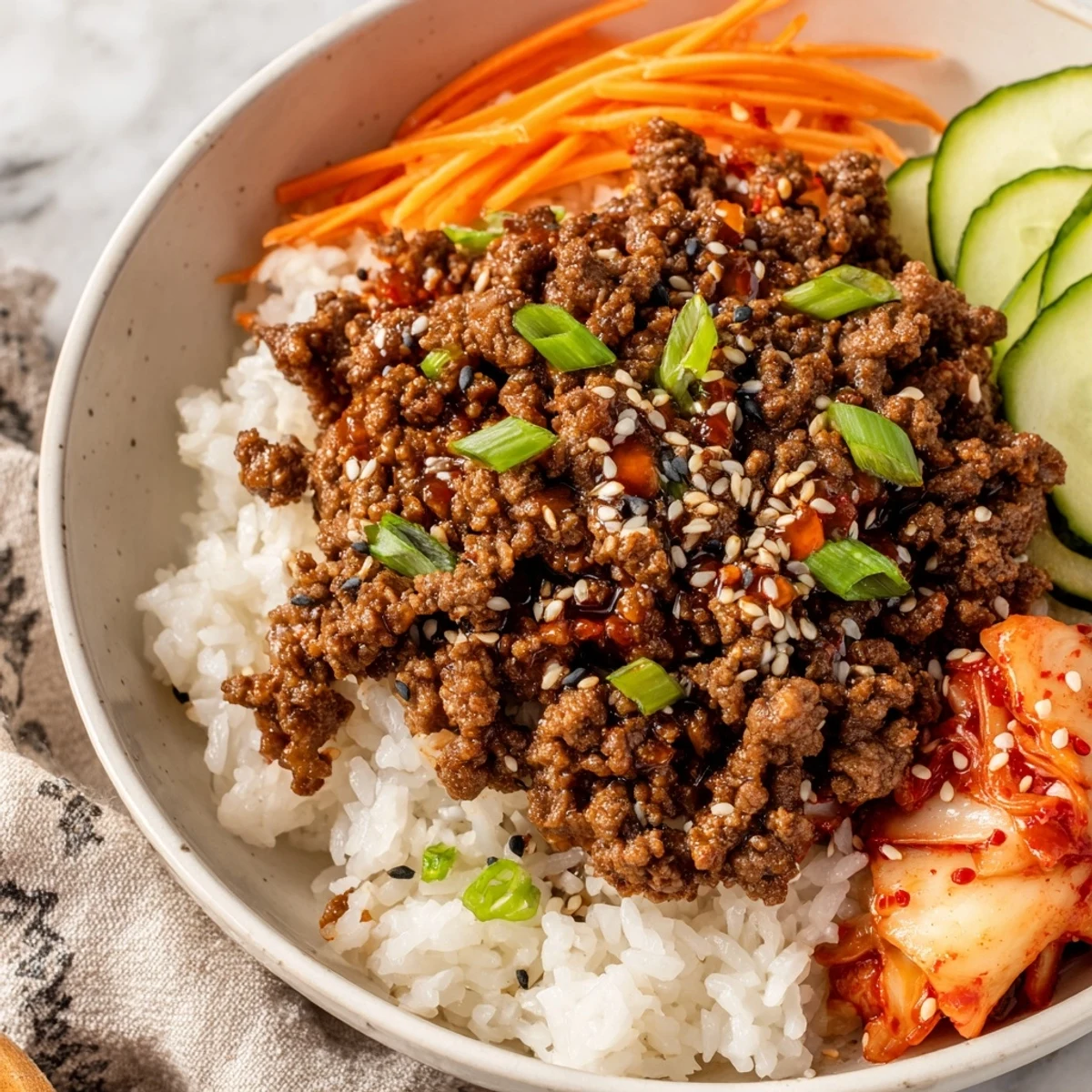
Served over fluffy jasmine or short-grain rice and topped with green onions, sesame seeds, julienned carrot, cucumber, and optional kimchi, each bowl delivers a satisfying balance of sweet, savory, and spicy flavors.
Customizable with chicken or turkey, adjustable heat levels, and gluten-free tamari, this bowl feeds four and clocks in at 410 calories per serving.
The sizzle of ground beef hitting a hot skillet on a Tuesday evening is one of those sounds that makes everyone in the house wander toward the kitchen. My roommate in college used to make something similar with whatever bottles she could find in the fridge door, and it was always surprisingly good. I started keeping gochujang in my pantry after that, and this bowl has been in my weeknight rotation ever since. It is fast, loud, and deeply comforting.
I made this for a friend who claimed she did not like Korean food, which I suspected really meant she had only had bad takeout. She went back for seconds and then asked me to text her the recipe before she even finished eating. That is the highest compliment any home cook can get.
Ingredients
- 1 lb (450 g) lean ground beef: Lean works best because you get enough fat for flavor without needing to drain too much away.
- 2 cups cooked jasmine or short-grain rice: Short-grain rice clings to the sauce beautifully, but jasmine is wonderful if that is what you have.
- 1/4 cup low sodium soy sauce: Low sodium gives you control over saltiness and lets the other flavors come through.
- 2 tbsp brown sugar: This balances the salty soy and the heat from the chili flakes perfectly.
- 1 tbsp sesame oil: Toasted sesame oil is the soul of this dish, so do not skip it.
- 3 cloves garlic, minced: Fresh garlic makes a real difference here, so please do not use the jarred kind.
- 1 tbsp grated fresh ginger: A microplane makes quick work of this and the finer the grate the more flavor you get.
- 1/2 to 1 tsp crushed red pepper flakes: Start with half a teaspoon and taste before adding more.
- 2 tsp rice vinegar: A small splash brightens the whole sauce and keeps it from feeling too heavy.
- 1 tbsp gochujang (optional): This Korean chili paste adds depth and a gentle fermented heat that regular flakes cannot match.
- 2 green onions, sliced: Slice them thin on a sharp diagonal for the prettiest finish.
- 1 tbsp toasted sesame seeds: Toast them in a dry pan for a minute and watch carefully because they burn fast.
- 1 carrot, julienned: Thin strips add crunch and a sweet pop of color.
- 1 small cucumber, thinly sliced: English cucumbers work well because you do not need to peel or seed them.
- Kimchi (optional, for serving): A few spoonfuls of tangy fermented cabbage on the side makes everything better.
Instructions
- Whisk the sauce together:
- In a small bowl, combine the soy sauce, brown sugar, sesame oil, garlic, ginger, red pepper flakes, rice vinegar, and gochujang if you are using it. Whisk until the sugar dissolves and the sauce looks glossy and unified.
- Brown the beef:
- Heat a large skillet over medium-high heat and add the ground beef, breaking it apart with a spatula as it cooks. Let it sit undisturbed for a minute here and there so you get some actual browning instead of just grey steamy meat.
- Coat with sauce:
- Pour the sauce over the cooked beef and stir everything together well. Let it simmer for two to three minutes until the sauce thickens slightly and clings to every crumb of meat.
- Build your bowls:
- Divide the warm rice among four bowls and spoon the saucy beef over the top. The rice soaks up the sauce best if you make a little well in the center for the beef.
- Finish with toppings:
- Scatter green onions, sesame seeds, julienned carrot, cucumber slices, and kimchi over each bowl. Serve right away while everything is hot and the vegetables still have their crunch.
 Save
Save There is something about a big bowl of saucy beef and rice that turns a regular weeknight into a small celebration.
Making It Your Own
Ground chicken or turkey works just as well if you want something lighter, though you may need to add a splash more sesame oil since those meats are leaner. For a gluten-free version, swap the soy sauce for tamari and double check that your gochujang is certified gluten-free. I sometimes crack a fried egg on top because the runny yolk mixes into the sauce and makes everything richer.
Getting the Rice Right
Rice is half the dish here, so it deserves a little attention. I cook mine a bit drier than usual so it does not turn mushy under the saucy beef. Day-old rice actually works incredibly well if you have some in the fridge from the night before.
Spice and Heat Control
The beauty of making this at home is that you are completely in charge of the heat level. Half a teaspoon of red pepper flakes gives a gentle warmth, while a full teaspoon with gochujang will make your lips tingle.
- Taste the sauce before adding it to the beef so you can adjust the spice.
- Remember that the heat builds as the sauce reduces and concentrates.
- Always have extra chili flakes on the table for anyone who wants more fire.
 Save
Save This bowl has saved more busy evenings than I can count, and it never feels like a compromise meal. Keep the sauce ingredients stocked and you are always twenty minutes away from something really satisfying.
Recipe FAQs
- → Can I use a different type of meat instead of ground beef?
-
Yes, ground chicken or turkey work well as leaner alternatives. You can also try ground pork for a richer flavor. Keep the cooking time similar, ensuring the meat is fully browned and cooked through before adding the sauce.
- → How spicy is this Korean beef bowl?
-
The heat level is fully adjustable. The recipe calls for 1/2 to 1 teaspoon of crushed red pepper flakes and optional gochujang. Start with less and taste the sauce before adding more. You can omit both entirely for a mild, family-friendly version.
- → What type of rice works best for this bowl?
-
Short-grain white rice or jasmine rice are ideal choices. Short-grain rice gives an authentic Korean texture that clumps nicely, while jasmine rice offers a fragrant, slightly fluffier base. Either should be freshly cooked and steamed for the best result.
- → Can I make this dish gluten-free?
-
Absolutely. Simply swap the regular soy sauce for tamari, which is a gluten-free alternative with a similar umami flavor. Double-check that your gochujang brand is also gluten-free, as some contain wheat-based additives.
- → How should I store and reheat leftovers?
-
Store the beef mixture and rice separately in airtight containers in the refrigerator for up to 3 days. Reheat the beef in a skillet or microwave until warmed through. Fresh toppings like cucumber and carrots are best added fresh when serving.
- → What toppings pair well with this bowl?
-
Beyond the suggested green onions, sesame seeds, carrot, and cucumber, try adding kimchi, a fried egg, sliced avocado, pickled radish, or shredded lettuce. A drizzle of sriracha or extra sesame oil also makes a great finishing touch.