
 Save
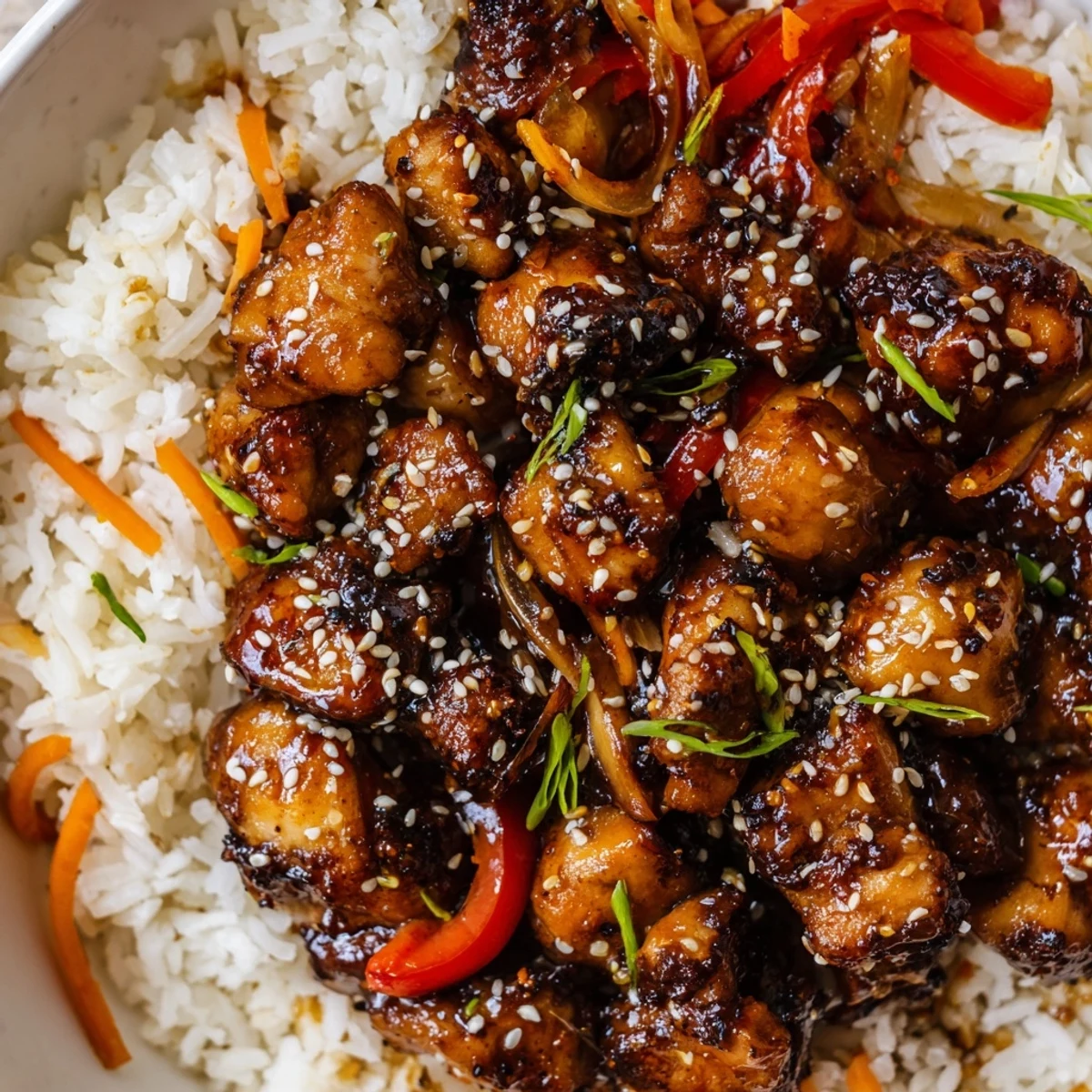
Save This one-pan meal brings together tender chicken thighs marinated in a savory-sweet Korean BBQ sauce with jasmine rice and colorful vegetables.
Everything cooks together in a single skillet, making cleanup effortless while the flavors meld beautifully.
Marinate the chicken for just 10 minutes, then brown it with fresh vegetables before adding rice and broth to simmer until perfectly tender.
Finish with green onions, sesame seeds, and serve alongside kimchi for an authentic touch.
The sizzle of chicken hitting a hot pan on a Tuesday evening still takes me back to my tiny apartment kitchen where I first discovered the magic of Korean BBQ flavors. My neighbor had brought over a bottle of bulgogi sauce as a thank you for watering her plants, and I stood there wondering what to do with it. That random act of kindness turned into my most requested weeknight dinner, one that has since traveled with me through three moves and countless dinner parties.
My friend Sarah still talks about the time I made this for her during a particularly rough week at work. She showed up exhausted and left with a container of leftovers and somehow the world felt manageable again. Food has a way of doing that.
Ingredients
- Boneless skinless chicken thighs: Thighs stay juicy where breast meat would dry out, a lesson I learned after one too many disappointing attempts.
- Korean BBQ sauce: Store bought bulgogi sauce works beautifully here, though I have been known to doctor it with extra garlic.
- Soy sauce: Adds the salty depth that balances the honey and rounds out the marinade.
- Sesame oil: Just a tablespoon gives that unmistakable nutty aroma wafting through the kitchen.
- Honey: Helps the chicken caramelize and creates those gorgeous sticky bits on the pan edges.
- Garlic: Fresh cloves minced fine because the pre jarred stuff simply does not hit the same notes.
- Fresh ginger: Grated on a microplane so it melts into the sauce rather than leaving stringy bits behind.
- Onion: Diced small so it sweetens and softens into the rice as everything simmers together.
- Red bell pepper: Sliced into strips for pops of color and a subtle sweetness that contrasts the savory sauce.
- Carrots: Julienned thin so they cook through without turning mushy in the final dish.
- Jasmine or short grain rice: Rinsed well to remove excess starch and keep the texture fluffy rather than gummy.
- Chicken broth: Low sodium lets you control the salt level since the soy sauce and BBQ sauce already bring plenty.
- Green onions: Sliced thin and saved for the end because they add a fresh bite that cuts through the richness.
- Sesame seeds: Toasted if you have them, sprinkled on top for a little crunch and visual appeal.
Instructions
- Marinate the chicken:
- Toss the chicken pieces with the BBQ sauce, soy sauce, sesame oil, honey, garlic, and ginger in a bowl and let it sit for at least ten minutes while you prep the vegetables. The chicken will soak up all that flavor and turn a beautiful deep amber color.
- Sear the chicken:
- Heat a splash of oil in a large deep skillet over medium high heat and add the chicken in a single layer, letting it cook undisturbed for a few minutes until you see golden edges forming. Resist the urge to stir constantly because those browned bits are where the flavor lives.
- Add the vegetables:
- Toss in the onion, bell pepper, and carrots, stirring everything together and letting the vegetables soften slightly in the rendered chicken fat. The kitchen should start smelling incredible right about now.
- Toast the rice:
- Stir in the rinsed rice and let it cook for a minute, coating each grain in the pan juices so the finished dish has flavor in every bite rather than just on top.
- Simmer everything:
- Pour in the broth, bring it to a boil, then reduce the heat to low and cover with a tight fitting lid for twenty to twenty five minutes. Do not peek, no matter how tempting, because every lift of the lid releases steam the rice needs.
- Rest and fluff:
- Take the whole pan off the heat and let it sit covered for five full minutes before you touch it. This resting period lets the moisture redistribute so you get fluffy rice instead of a sticky mess when you finally fluff it with a fork.
- Finish and serve:
- Scatter the green onions and sesame seeds over the top and bring the whole pan to the table because it looks beautiful served family style. Offer kimchi or pickled vegetables on the side if you want that bright acidic contrast.
 Save
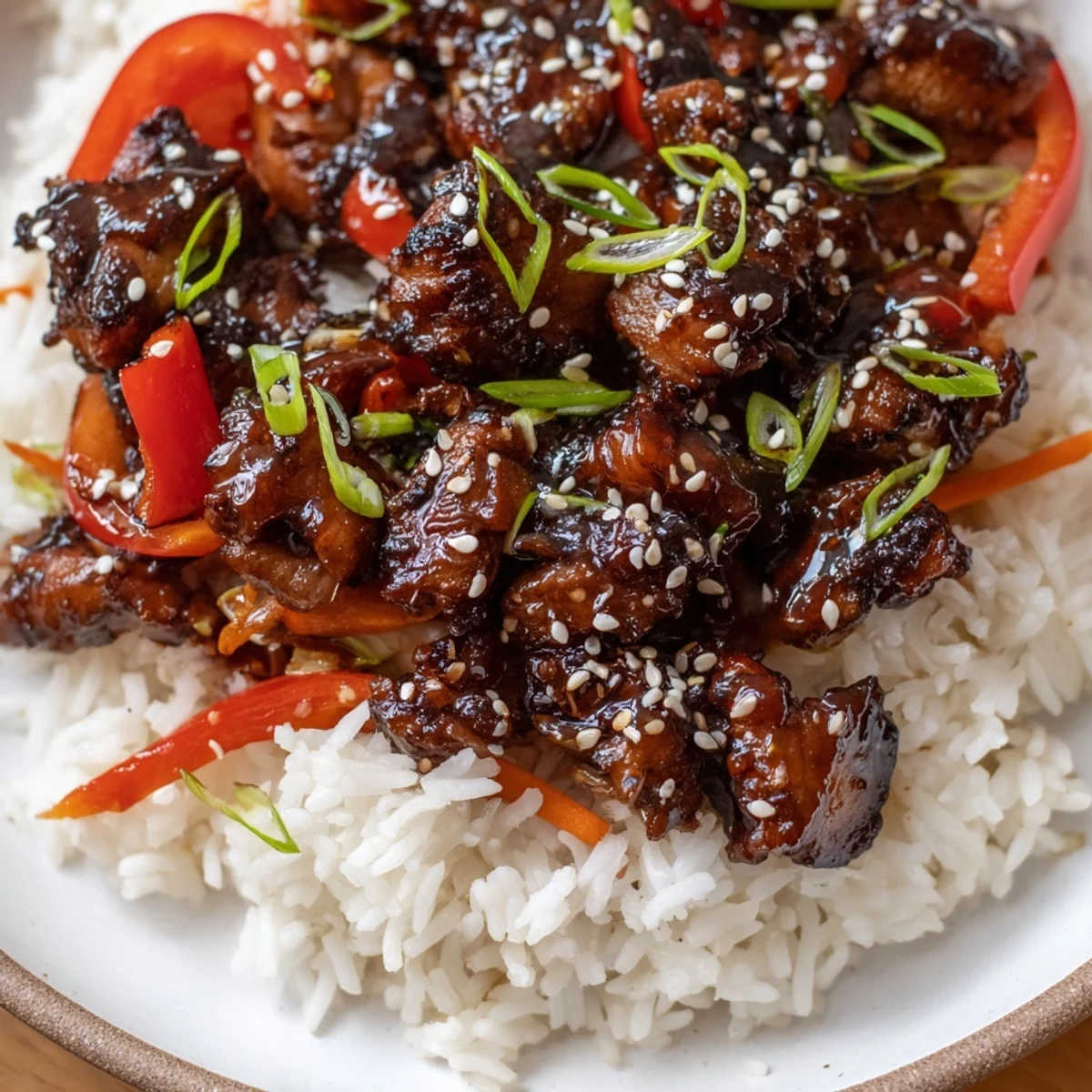
Save This dish became my bring a plate contribution for potlucks because it travels well and tastes good at room temperature. I have watched skeptical coworkers take one bite and immediately ask for the recipe.
Making It Your Own
The vegetables listed here are what I usually have on hand but the beauty of a one pan meal is how forgiving it is to substitutions. Zucchini works beautifully in summer, snap peas add crunch, and I have even thrown in leftover roasted vegetables when I needed to clear the fridge. The sauce is sturdy enough to handle whatever you throw at it.
Spice Level Adjustments
My version stays mild because I cook for a range of palates, but a tablespoon of gochujang stirred into the marinade transforms this into something with real heat. Start with less if you are sensitive and build up, tasting as you go. The honey helps balance the fire if you accidentally go overboard.
Storage and Reheating
Leftovers keep beautifully in the refrigerator for three days and actually taste better the next day when the flavors have had time to meld. I reheat single portions in the microwave with a splash of water to revive the rice texture. The chicken stays tender through reheating, which cannot be said for every leftover dish.
- Freeze individual portions for up to a month if you want meal prep ready to go.
- Add a splash of broth before reheating to bring back moisture.
- Taste before adding extra soy sauce since flavors concentrate as it sits.
 Save
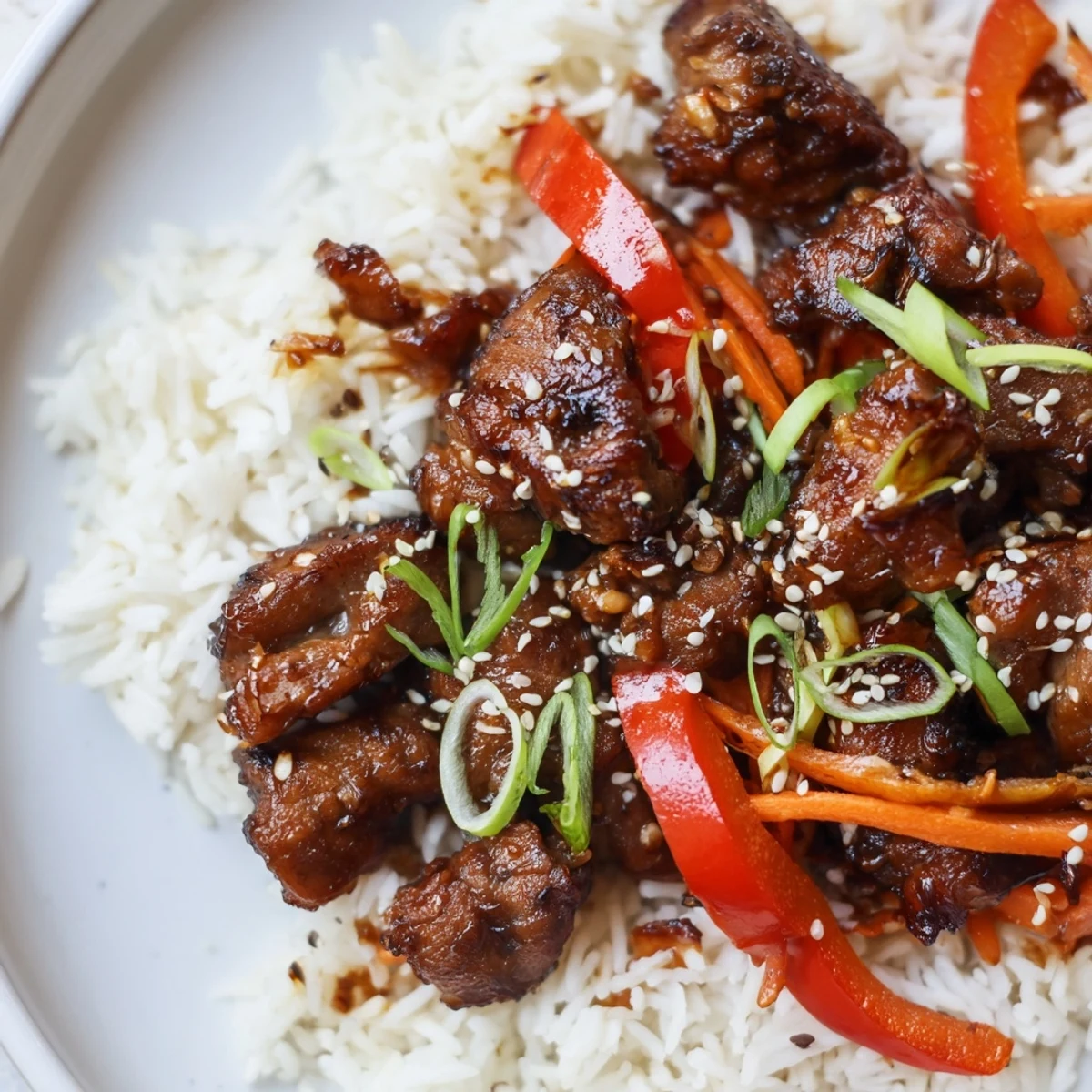
Save Some recipes come and go from my rotation but this one has earned a permanent spot in my weeknight repertoire. It reminds me that good food does not require complicated techniques or endless ingredients, just a little patience and a hot pan.
Recipe FAQs
- → Can I use chicken breast instead of thighs?
-
Yes, chicken breast works well but may be slightly less juicy. Cut into similar bite-sized pieces and reduce cooking time by 1-2 minutes to prevent drying out.
- → What is Korean BBQ sauce?
-
Korean BBQ sauce, often called bulgogi marinade, is a savory-sweet sauce made with soy sauce, sugar, garlic, sesame oil, and sometimes pear for tenderizing. It's widely available in most grocery stores.
- → Can I make this dish spicy?
-
Absolutely. Add 1 tablespoon of gochujang (Korean chili paste) to the marinade for a warm, authentic kick of heat.
- → How do I store leftovers?
-
Store cooled portions in an airtight container in the refrigerator for up to 3 days. Reheat in a skillet with a splash of water or microwave until heated through.
- → Is this dish gluten-free?
-
Not by default due to soy sauce. Use tamari instead of soy sauce and verify your Korean BBQ sauce is gluten-free to make it suitable for gluten-sensitive diets.