
 Save
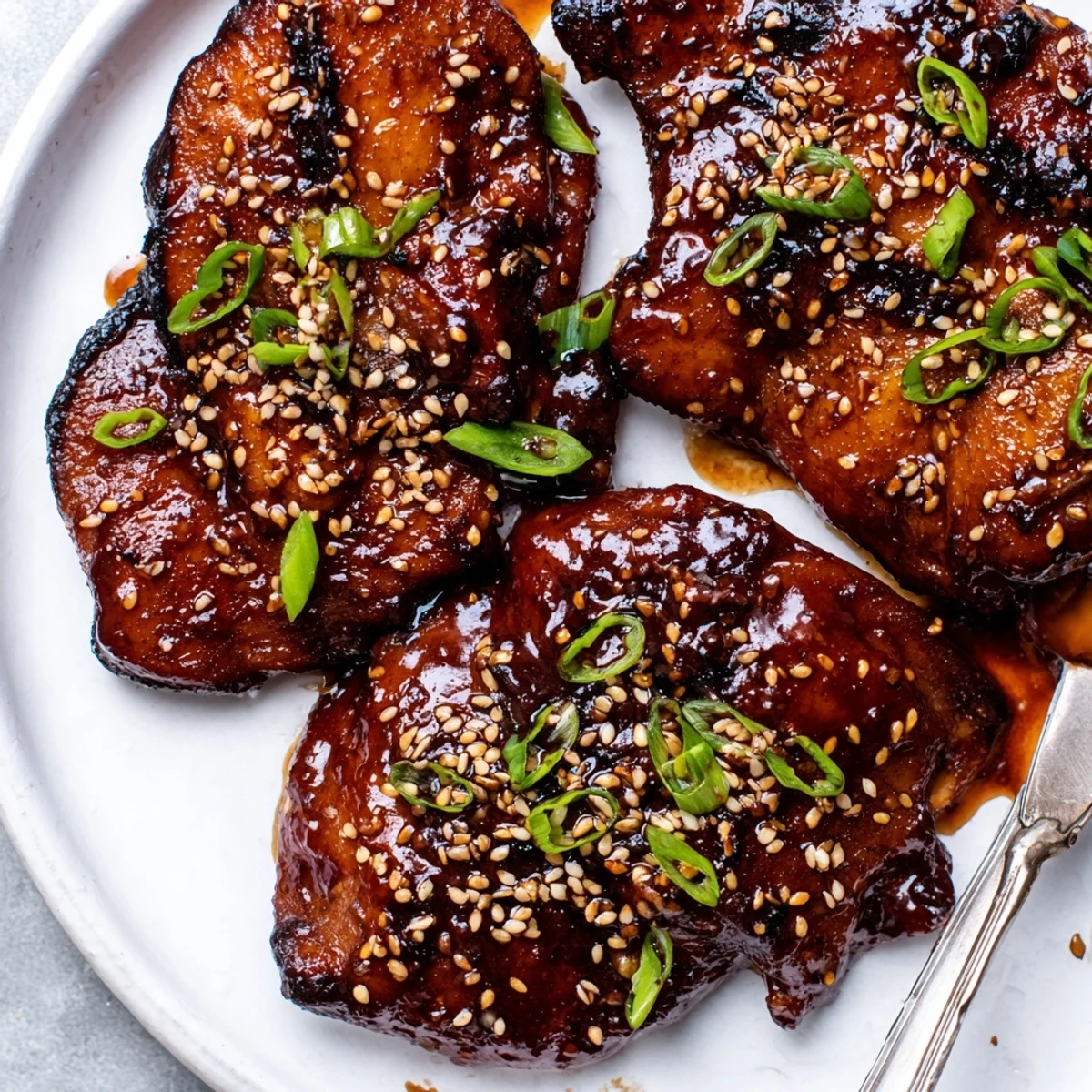
Save These juicy Korean chicken thighs are marinated in soy, honey, sesame oil, garlic, ginger and gochujang, then grilled or baked until well caramelized. Marinate at least 30 minutes or up to 6 hours for deeper flavor. Cook 20-25 minutes at 425°F or on a medium-high grill, turning once, until 165°F. Finish with toasted sesame seeds and sliced green onions; serve with steamed rice and kimchi.
The sizzle of chicken hitting a screaming hot grill pan on a Tuesday evening changed my entire weeknight dinner routine forever. I had picked up a tub of gochujang on a whim at the international market, drawn in by its deep red color and the promise of heat that builds slowly rather than overwhelming you all at once. That first batch of Korean chicken thighs was messy, slightly charred in places it should not have been, and absolutely irresistible. My partner stood over the stove stealing pieces straight from the pan before I could even plate them.
I brought these to a backyard cookout last summer and watched three grown adults abandon their burgers mid bite to go back for seconds of the chicken. There is something about that sticky caramelized soy glaze that makes people lose all restraint.
Ingredients
- 8 boneless skinless chicken thighs (about 1.2 kg): Thighs are the clear choice here because they stay juicy even if you accidentally overcook them a few minutes, unlike breasts which dry out the moment you look away.
- 1/4 cup soy sauce: This forms the salty umami backbone of the marinade, and a good quality soy sauce makes a noticeable difference in the final flavor.
- 2 tablespoons honey: The honey is what gives the chicken that beautiful lacquered finish as it cooks, helping the marinade caramelize into a sticky glaze rather than just evaporating off.
- 2 tablespoons sesame oil: Toasted sesame oil adds a nutty richness that immediately signals Korean flavors the moment it hits the bowl.
- 3 cloves garlic minced: Fresh garlic only please, the jarred stuff cannot compete with the sharp aromatic punch you want here.
- 1 tablespoon fresh ginger minced: Ginger and garlic together are the dynamic duo of Korean cooking, and fresh ginger gives a brightness that ground ginger never will.
- 1 tablespoon gochujang (Korean chili paste): This fermented chili paste is the soul of the marinade, bringing heat, sweetness, and deep umami all at once.
- 1 tablespoon rice vinegar: A splash of acidity balances the sweetness of the honey and the richness of the sesame oil.
- 1 teaspoon toasted sesame seeds: These little seeds soak up the marinade flavors and distribute little bursts of nuttiness throughout every bite.
- 1/2 teaspoon black pepper: Just enough to add a gentle warmth without competing with the gochujang.
- 2 green onions finely sliced (for marinade): They add a mild onion flavor that permeates the chicken without being overpowering.
- Garnish of toasted sesame seeds and sliced green onions: A generous sprinkle at the end adds freshness and a satisfying visual finish that makes the dish look as good as it tastes.
Instructions
- Build the marinade:
- Whisk together the soy sauce, honey, sesame oil, garlic, ginger, gochujang, rice vinegar, sesame seeds, black pepper, and green onions in a bowl until the honey dissolves and everything is smoothly combined. Take a moment to really smell it because that rich savory aroma is your preview of dinner.
- Coat the chicken:
- Toss the chicken thighs into a large resealable bag or a bowl and pour the marinade over them, using your hands to massage the mixture into every fold and crevice. Seal the bag and let it rest in the refrigerator for at least 30 minutes, though 2 to 6 hours is where the flavor truly transforms.
- Get your heat ready:
- Preheat your oven to 425 degrees Fahrenheit or fire up a grill to medium high, giving it enough time to get properly hot so you get that gorgeous sear on the chicken.
- Cook the chicken:
- Remove the chicken from the marinade and arrange it on a parchment lined baking sheet or lay it directly on the grill grates. Cook for 20 to 25 minutes, flipping halfway through, until the internal temperature hits 165 degrees Fahrenheit and the edges are deeply caramelized.
- Finish and serve:
- Transfer the chicken to a platter and scatter toasted sesame seeds and thinly sliced green onions over the top while it is still hot so the garnish sticks to that sticky glaze. Serve immediately because this is one of those dishes that disappears fast.
 Save
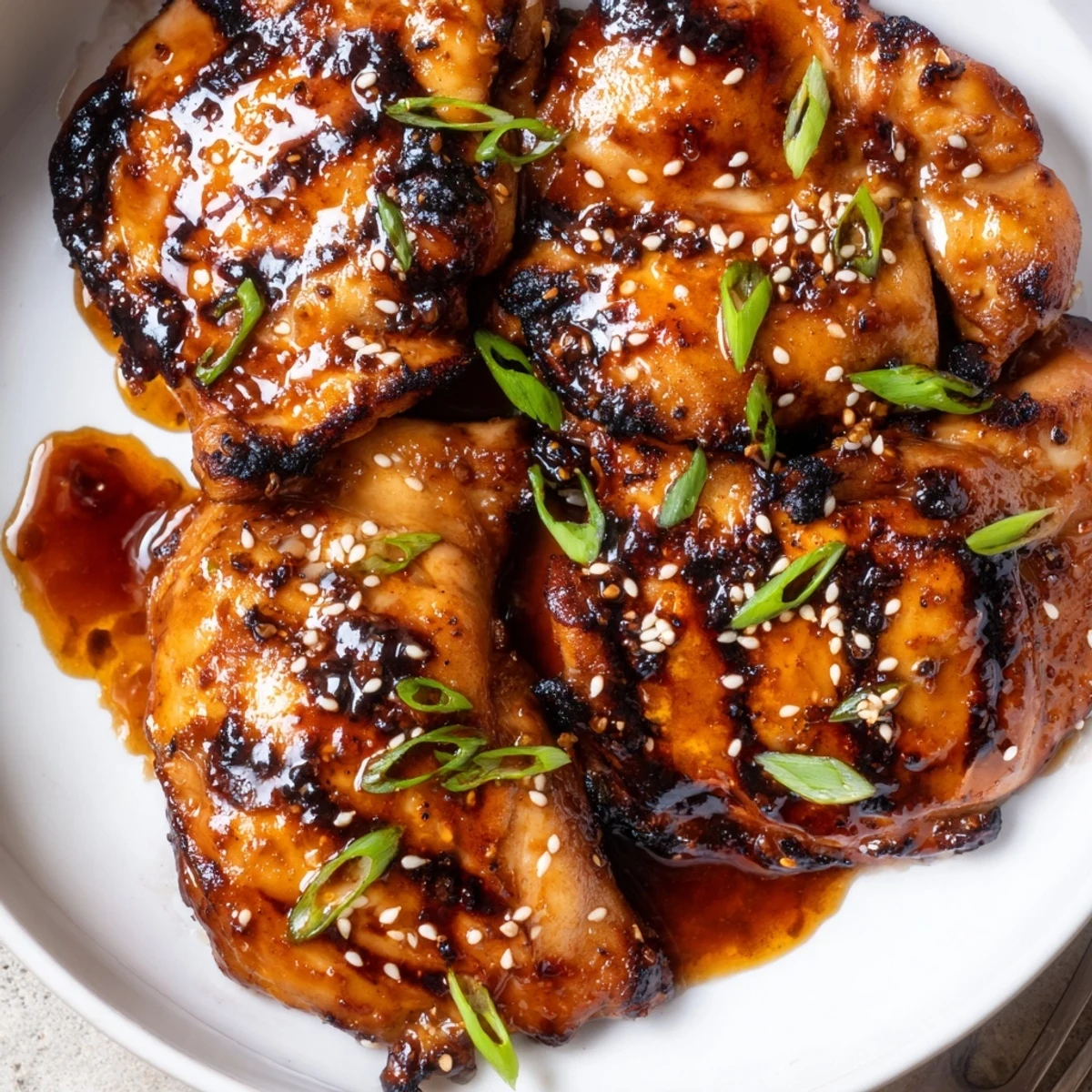
Save One rainy Sunday I made a double batch and we ate the leftovers cold straight from the fridge the next day, standing in the kitchen with the refrigerator door still open. Cold Korean chicken thighs might actually be better than hot ones, and I will fight anyone who disagrees.
What to Serve Alongside
A bowl of steamed white rice is nonnegotiable in my house because you need something to soak up every last drop of that sticky soy glaze. A side of tangy kimchi cuts through the richness beautifully, and some quick pickled cucumbers add a refreshing crunch that balances the meal perfectly.
Handling Gochujang for the First Time
If you have never cooked with gochujang before, it comes in a red tub or tube and has the consistency of a thick paste with a smell that is deeply savory and slightly sweet all at once. A little goes a long way but in this recipe the full tablespoon is exactly right for a gentle building heat that does not overwhelm.
Getting the Best Sear and Caramelization
The honey in this marinade is your best friend for getting those gorgeous dark edges but it can also be your worst enemy if you cook at too low a temperature. You want high direct heat that caramelizes the sugars quickly rather than slowly steaming the chicken in its own juices.
- Pat the chicken thighs slightly dry with paper towels before cooking if they have been marinating a long time and are swimming in liquid.
- Leave space between each piece on the grill or baking sheet so they sear instead of steam.
- For extra crispy edges, flip the chicken with a minute or two left and hit it under the broiler.
 Save
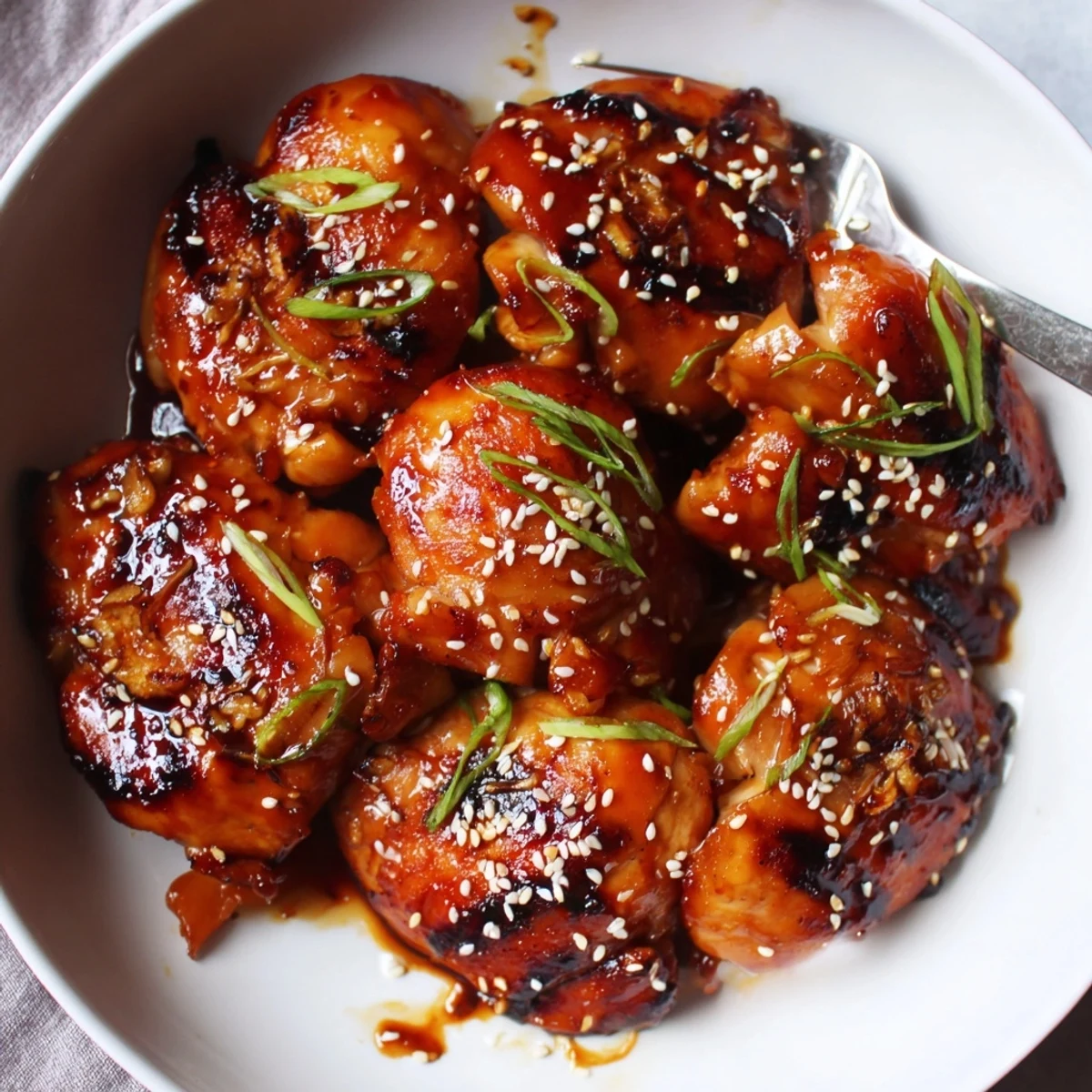
Save This recipe has a permanent spot in my weekly rotation because it asks almost nothing of me and gives back everything I want from dinner. Keep some gochujang in your fridge and you are never more than 40 minutes away from something truly special.
Recipe FAQs
- → How long should the thighs marinate?
-
Marinate at least 30 minutes to let flavors develop; for best depth, marinate 2–6 hours. Acid and salt from the soy and vinegar penetrate the meat over time.
- → Can I use bone-in thighs instead?
-
Yes. Bone-in thighs work well but need extra time—plan on 30–40 minutes at 425°F or until the internal temperature reaches 165°F. Bones add flavor and help retain juiciness.
- → How do I get extra crispy edges?
-
Pat thighs dry before cooking, use high heat and finish under a broiler for 1–2 minutes. Leaving a thin glaze helps caramelize sugars for crisp, charred edges.
- → What can I use if I don’t have gochujang?
-
Substitute sriracha mixed with a touch of miso or a bit of honey for sweetness. Adjust spiciness and umami to taste to mimic gochujang’s balance.
- → How do I check doneness without a thermometer?
-
Slice the thickest part: juices should run clear and meat should be opaque with no pink near the bone. For accuracy, a thermometer reading of 165°F is recommended.
- → How should leftovers be stored and reheated?
-
Cool and refrigerate within two hours, store in an airtight container up to 3-4 days. Reheat gently in a 350°F oven to preserve juiciness or warm in a skillet with a splash of water.