
 Save
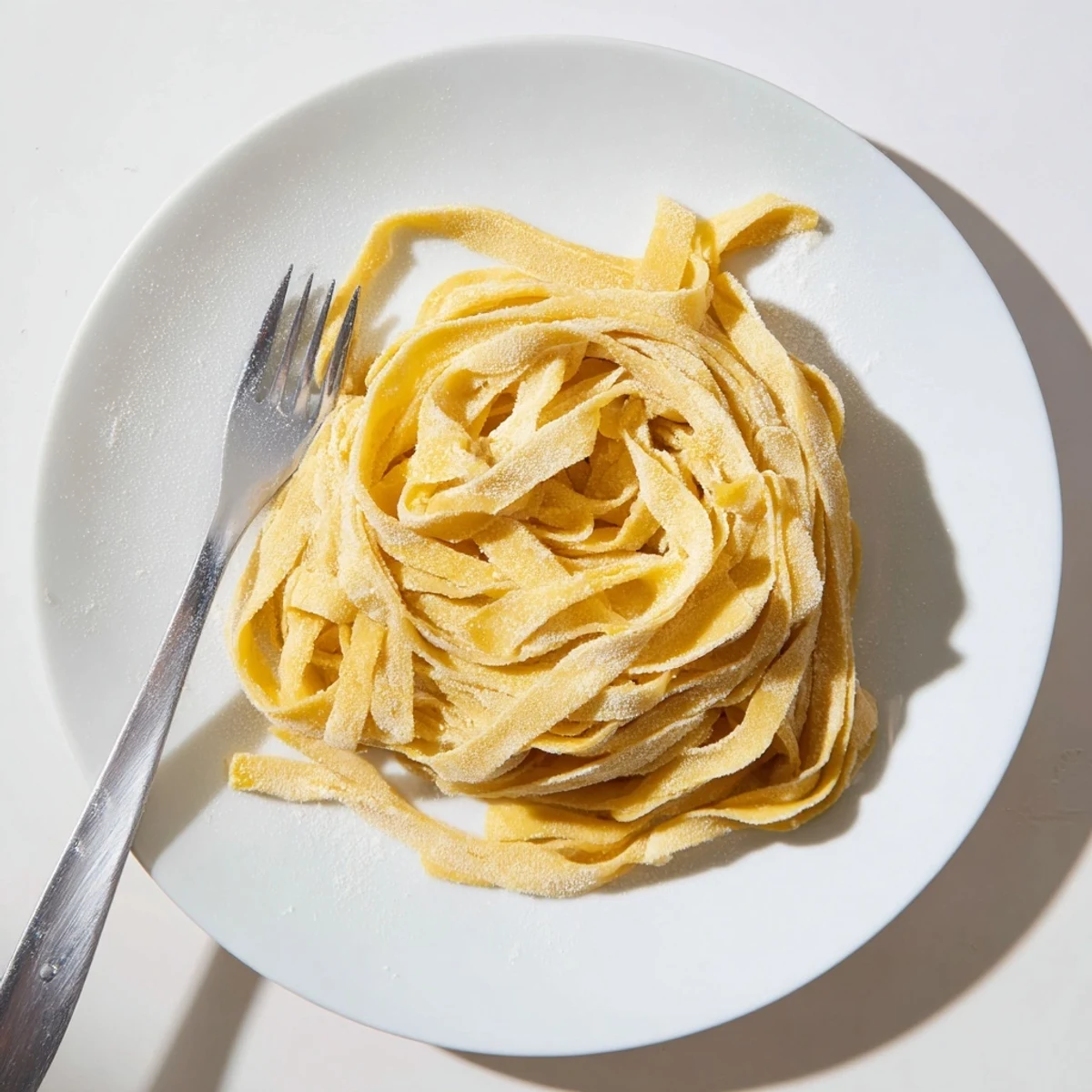
Save Craft authentic Italian-style pasta using active sourdough starter instead of traditional dough. The fermentation adds subtle tanginess while creating a tender, chewy texture that holds sauces beautifully. This versatile dough works for tagliatelle, fettuccine, pappardelle, or sheets for filled varieties like ravioli and lasagna.
The process involves mixing flour, eggs, and bubbly starter, followed by thorough kneading to develop gluten structure. After resting, roll and cut into your desired shapes. Cook briefly in salted water—just 2-3 minutes—for perfectly al dente results every time.
The first time I made sourdough pasta, I was actually just trying to use up extra starter before feeding day. My kitchen smelled like warm bread, the kind that wraps around you when you walk through the door on a rainy afternoon.
I made a double batch during a snow day last winter, rolling out sheets while my toddler pressed her tiny fingerprints into the scraps. We ate mounds of pappardelle with brown butter and sage until we were absolutely stuffed.
Ingredients
- All purpose flour: The protein structure here helps the pasta hold its shape while cooking
- Active sourdough starter: Use unfed starter at its peak for the best flavor development
- Large eggs: Room temperature eggs incorporate more easily into the dough
- Fine sea salt: Essential for enhancing the subtle tang from the starter
- Olive oil: Makes the dough more forgiving if you are new to pasta making
Instructions
- Mix the foundation:
- Whisk flour and salt in a wide bowl, then create a deep well in the center like a little nest for your wet ingredients
- Combine the liquids:
- Pour in the bubbly starter, cracked eggs, and olive oil into that well you made
- Bring it together:
- Use a fork to slowly pull flour from the edges into the center until a shaggy mess forms
- Knead with patience:
- Turn onto a floured surface and knead for 8 minutes until the dough feels smooth and springs back when pressed
- Let it rest:
- Wrap the dough tightly and walk away for an hour so the gluten can relax
- Roll and cut:
- Divide the dough in half and roll each portion thin, then cut into your favorite shape
- Cook quickly:
- Drop the fresh pasta into boiling salted water and watch for it to float, usually just 2 to 3 minutes
 Save
Save My friend Sarah cried the first time she tasted this pasta, saying it reminded her of her grandmother Sunday dinners. Sometimes food is just food, but sometimes it is a time machine.
Choosing Your Pasta Shape
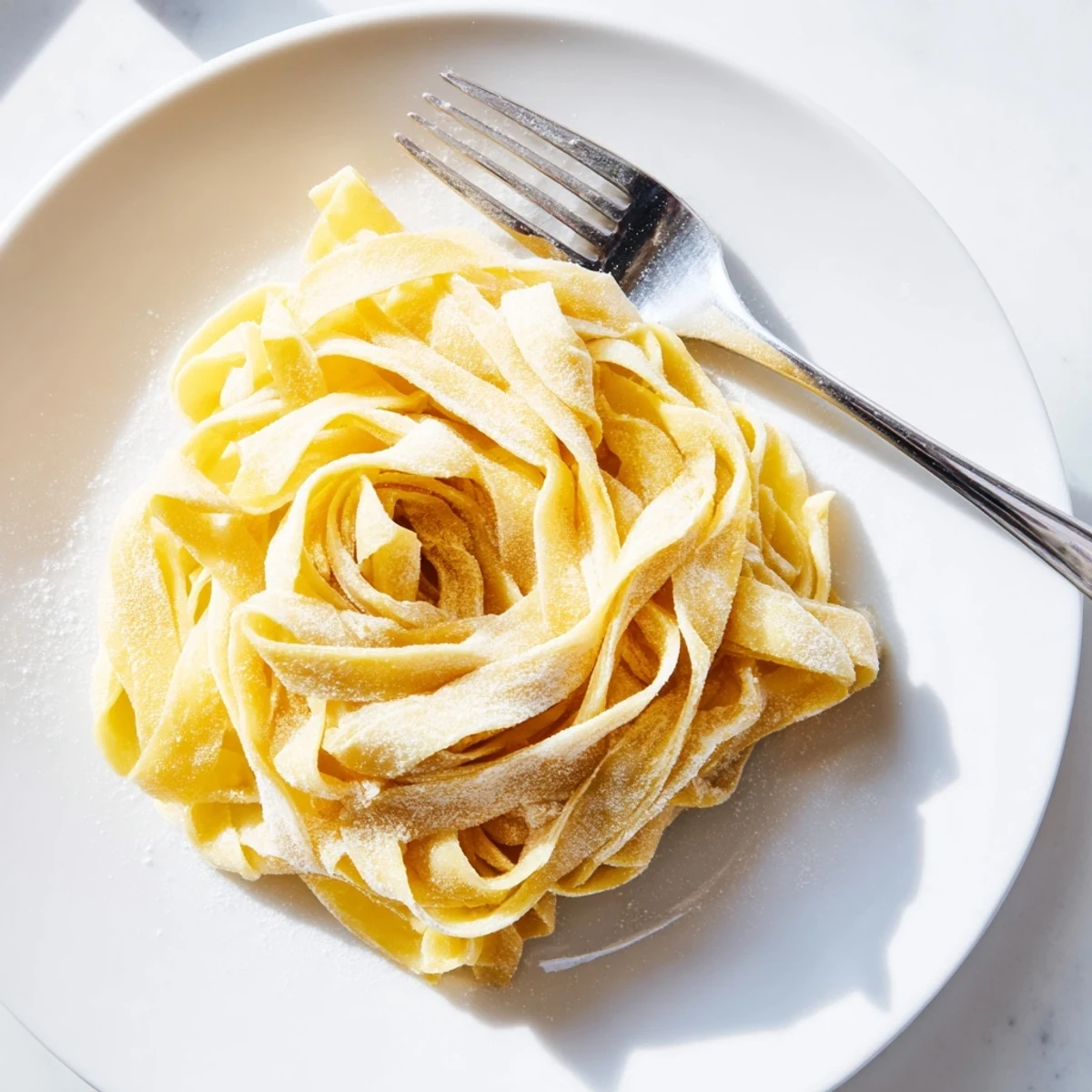
Thick ribbons like pappardelle hold onto hearty ragus beautifully, while thin fettuccine pairs perfectly with lighter cream sauces. I usually make whatever shape I am craving that day, since the dough works equally well for all of them.
Sauce Pairings That Work
The slight sourness cuts through rich meat sauces and balances sweet tomato dishes. I have found that browned butter with fresh sage lets the pasta flavor really shine through.
Making It Ahead
You can mix the dough up to 24 hours before rolling and store it in the refrigerator. Just bring it to room temperature for about 30 minutes before you start working with it again.
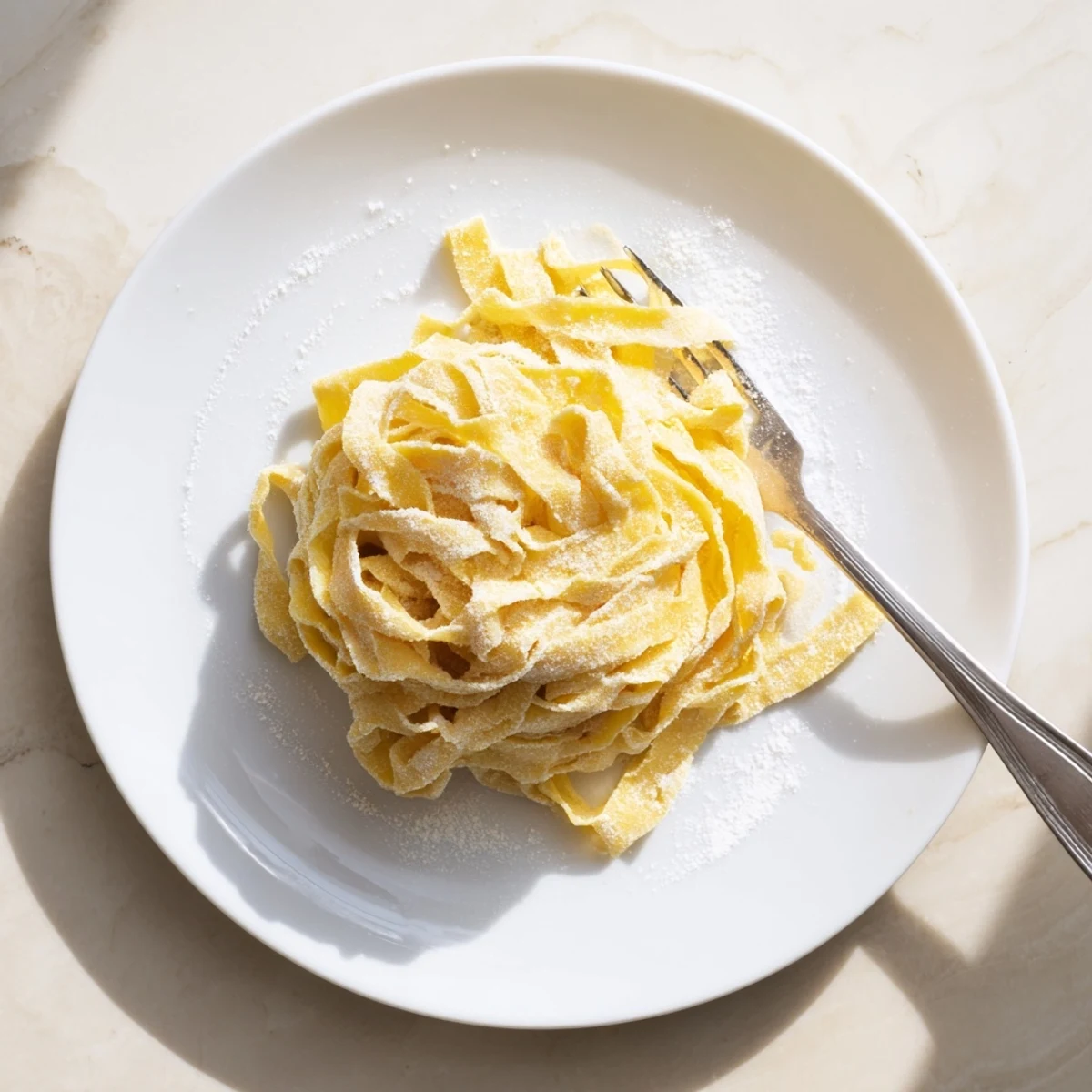
- Dust cut pasta generously with semolina flour to prevent sticking
- Freeze extra pasta in single serving portions for quick weeknight dinners
- Cook frozen pasta directly from the freezer, just add 1 minute to the cooking time
 Save
Save There is something deeply satisfying about turning simple ingredients into something so extraordinary. Happy rolling.
Recipe FAQs
- → What makes sourdough pasta different from regular pasta?
-
Sourdough pasta incorporates active starter culture, which adds subtle tanginess and creates a more complex flavor profile. The fermentation also breaks down some gluten proteins, resulting in a tender yet chewy texture that's easier to digest while still maintaining excellent structure when cooked.
- → Can I use discard starter for this dough?
-
While active, bubbly starter yields the best texture and rise, unfed discard can work in a pinch. Expect slightly less tang and a denser final product. If using discard, consider adding 1/4 teaspoon more salt to enhance flavor depth.
- → How long does the dough need to rest?
-
The dough requires at least 1 hour at room temperature for proper gluten relaxation. This resting period makes rolling significantly easier and prevents the dough from shrinking back. For even better results, refrigerate overnight—just bring to room temperature before rolling.
- → What thickness should I roll the pasta?
-
For filled varieties like ravioli, roll to the thinnest setting on your machine. For long noodles like fettuccine and tagliatelle, setting 3-4 (on a 7-setting machine) creates ideal texture. Pappardelle should be slightly thicker, around setting 2-3, to maintain satisfying chew.
- → Can I freeze the pasta?
-
Absolutely. Dust cut shapes generously with flour, arrange in a single layer on a baking sheet, and freeze until solid. Transfer to a freezer bag for up to 3 months. Cook directly from frozen, adding 1-2 minutes to the boiling time—no need to thaw first.
- → Which sauces pair best with sourdough pasta?
-
The tangy, rustic character shines with bold companions. Try tomato-based sauces, garlic and oil, browned butter with sage, or classic pesto. The pasta's slight acidity also balances creamy Alfredo and rich meat ragù beautifully.