
 Save
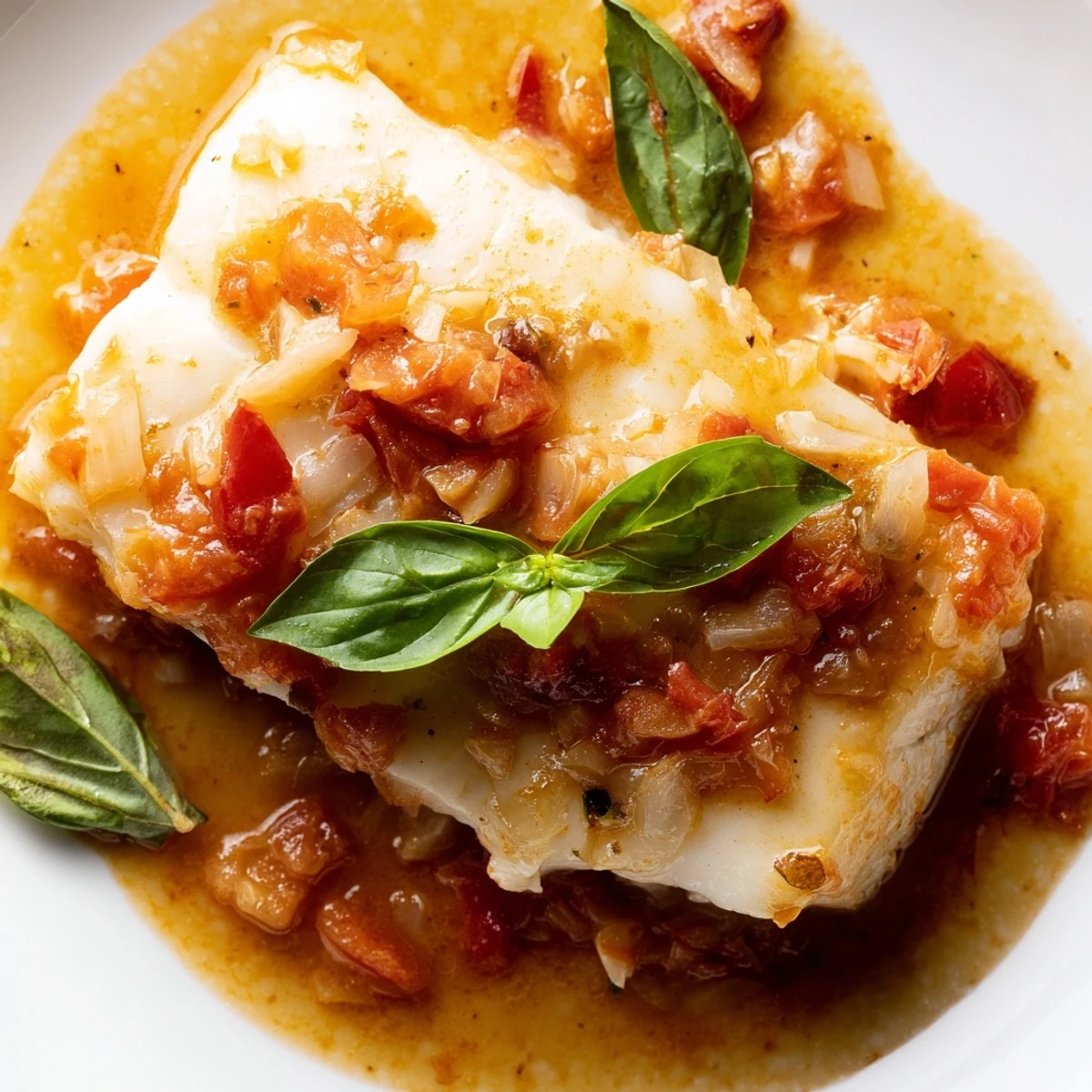
Save Succulent halibut fillets are gently poached in a rich, silky tomato-butter sauce infused with garlic, shallots, white wine, and fresh basil. The unique cooking method begins on the stovetop where the sauce is built, then transfers to the grill where the fish finishes cooking in the flavorful liquid, absorbing delicate smoky notes. This elegant preparation showcases the natural sweetness of ripe tomatoes while preserving the delicate, flaky texture of premium halibut. Ready in just 35 minutes, this contemporary American main dish serves four and pairs beautifully with grilled vegetables or a crisp white wine like Sauvignon Blanc.
The first time I tried poaching fish on the grill, my neighbor leaned over the fence and asked if I'd lost my mind cooking in a pan on an open flame. But when that tomato-butter sauce started bubbling up around the halibut, the smell had both our families gathering at the back door within minutes.
Last summer, my sister was visiting and I made this for her birthday dinner. She's usually skeptical about fish, but she actually scraped the plate clean and asked if there was any sauce left in the pan. Now it's become her most-requested meal whenever she's in town.
Ingredients
- 4 halibut fillets (6 oz each): Halibut holds up beautifully to poaching because it's firm yet delicate, and it won't fall apart in the sauce
- 1 tsp kosher salt: Season the fish generously before cooking to build flavor from the inside out
- 1/2 tsp freshly ground black pepper: Freshly cracked pepper adds a nice warmth that balances the sweet tomatoes
- 3 large ripe tomatoes: Really important to use tomatoes that give slightly when squeezed, they'll break down into that silky sauce base
- 3 tbsp unsalted butter: Adding it one tablespoon at a time is the secret to that glossy, emulsified finish
- 2 cloves garlic: Minced finely so it melts into the sauce without leaving harsh bits
- 1 small shallot: Shallots have this milder sweetness that works better than onions here
- 1/4 cup dry white wine: Adds brightness and helps cut through the richness of the butter
- 2 tbsp fresh lemon juice: Use fresh squeezed, it makes all the difference in waking up the flavors
- 1 tbsp fresh basil: Tear or chop it right before adding so the oils stay fresh and vibrant
- 1 tbsp olive oil: For sauteing the aromatics and starting your sauce base
Instructions
- Get your grill ready:
- Preheat to medium heat, about 375°F, and grab a grill-safe skillet or cast iron pan that you're comfortable using on the grates
- Season the halibut:
- Pat the fillets dry with paper towels, then sprinkle both sides with salt and pepper
- Build your flavor base:
- Set that skillet over medium heat on the grill, add olive oil, and cook the shallot and garlic until fragrant, about 1 minute
- Add the tomatoes:
- Stir in the chopped tomatoes and let them cook until they start breaking down and getting saucy, 3 to 4 minutes
- Deglaze and brighten:
- Pour in the white wine and lemon juice, letting everything simmer until slightly reduced, 2 to 3 minutes
- Create that silky sauce:
- Turn the heat to low and whisk in the butter one tablespoon at a time until the sauce looks glossy and luxurious, then stir in the chopped basil
- Nestle in the fish:
- Carefully place the seasoned halibut fillets right into the sauce, spooning some of that tomato-butter goodness over the top
- Gracefully poach:
- Close the grill lid and let the fish poach gently for 8 to 12 minutes, until just opaque and flaking easily when tested with a fork
- Add those grill marks:
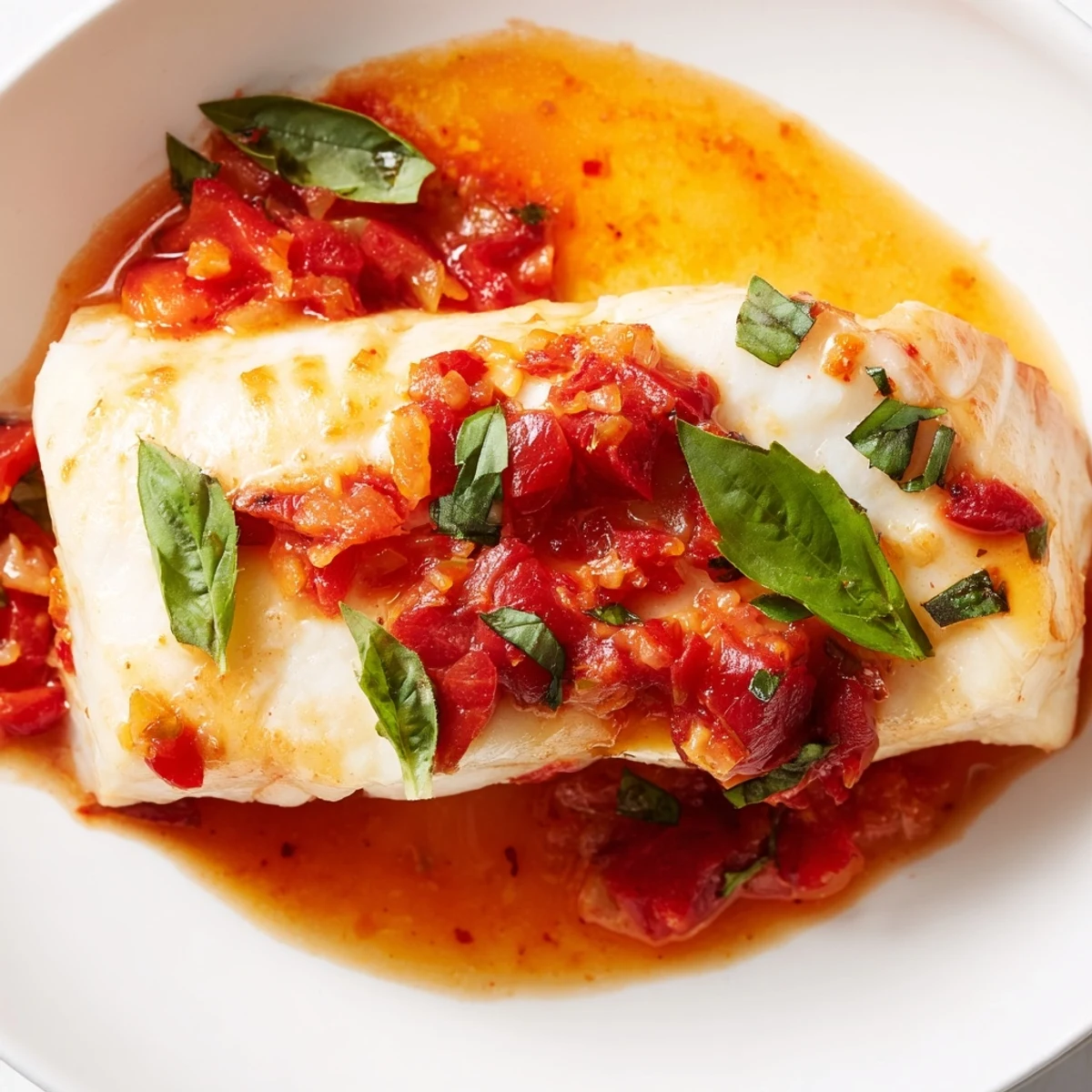
- If you want that pretty presentation, carefully transfer the fillets directly onto the grates for just 1 minute per side
- Bring it to the table:
- Serve immediately with extra sauce spooned over each fillet, plus fresh basil leaves and lemon wedges on the side
 Save
Save My husband insists the best part is when you pull that skillet off the grill and the whole thing smells like summer evening and dinner parties all at once.
Making It Your Own
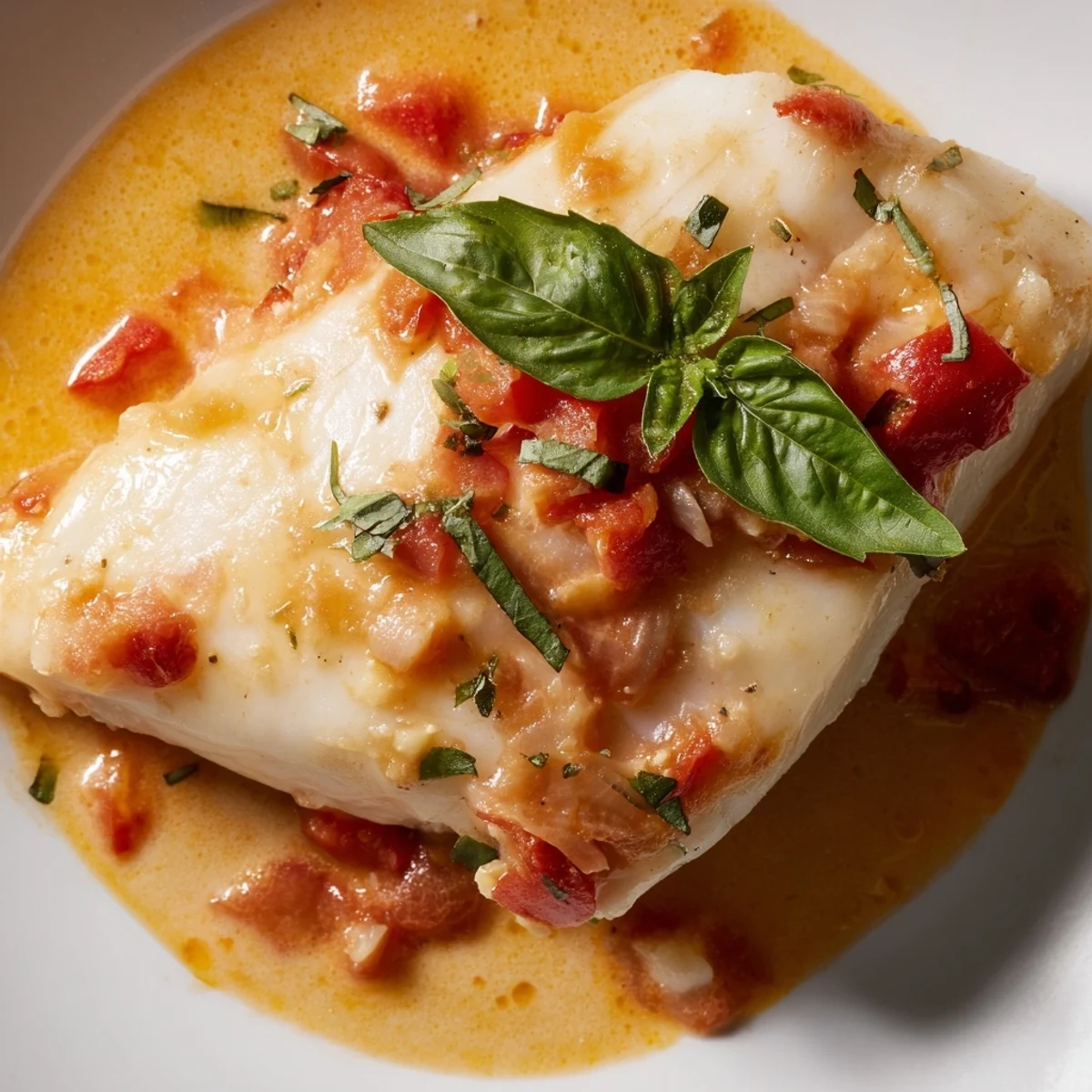
Sometimes I'll add a splash of heavy cream with the butter if I want something extra indulgent for a special occasion. The sauce becomes this gorgeous pale orange and clings to the fish like a warm hug.
Fish Swaps That Work
Cod works beautifully here and is usually easier on the wallet, though you'll want to check it a couple minutes earlier since it cooks faster. Sea bass is another great option if you want something even more buttery and luxurious.
What To Serve Alongside
I've found that grilled asparagus with a little lemon zest echoes the fresh flavors in the sauce without competing. A simple green salad with a vinaigrette cuts through the richness perfectly, and a chilled Sauvignon Blanc ties everything together.
- Grill some crusty bread to soak up that extra sauce
- Roasted potatoes would make it more of a hearty meal
- Keep the sides light so the fish stays the star
 Save
Save There's something almost magical about cooking fish this way, letting it gently simmer in all that flavor while the grill does its work outside.
Recipe FAQs
- → What makes grill-poaching different from traditional poaching?
-
Grill-poaching combines gentle stovetop poaching with finishing over indirect grill heat, infusing the fish with subtle smoky flavors while maintaining its delicate texture through moist heat cooking.
- → Can I use other fish varieties?
-
Yes, cod and sea bass work beautifully with this preparation. Choose firm, white fish fillets that can hold up to gentle poaching without falling apart.
- → How do I know when the halibut is done?
-
The halibut is ready when it turns opaque throughout and flakes easily with a fork. This typically takes 8-12 minutes of poaching in the sauce on the grill.
- → What type of skillet works best?
-
Use a large, heatproof skillet or grill-safe pan that can transfer safely from stovetop to grill. Cast iron or stainless steel works exceptionally well.
- → Can I make the tomato-butter sauce ahead?
-
The sauce base can be prepared earlier in the day, but it's best to add the butter and fresh herbs just before cooking the fish for optimal texture and flavor.
- → What wine pairs well with this dish?
-
A chilled Sauvignon Blanc complements the bright tomato and butter flavors perfectly. Other crisp whites like Pinot Grigio or dry Riesling also work beautifully.