
 Save
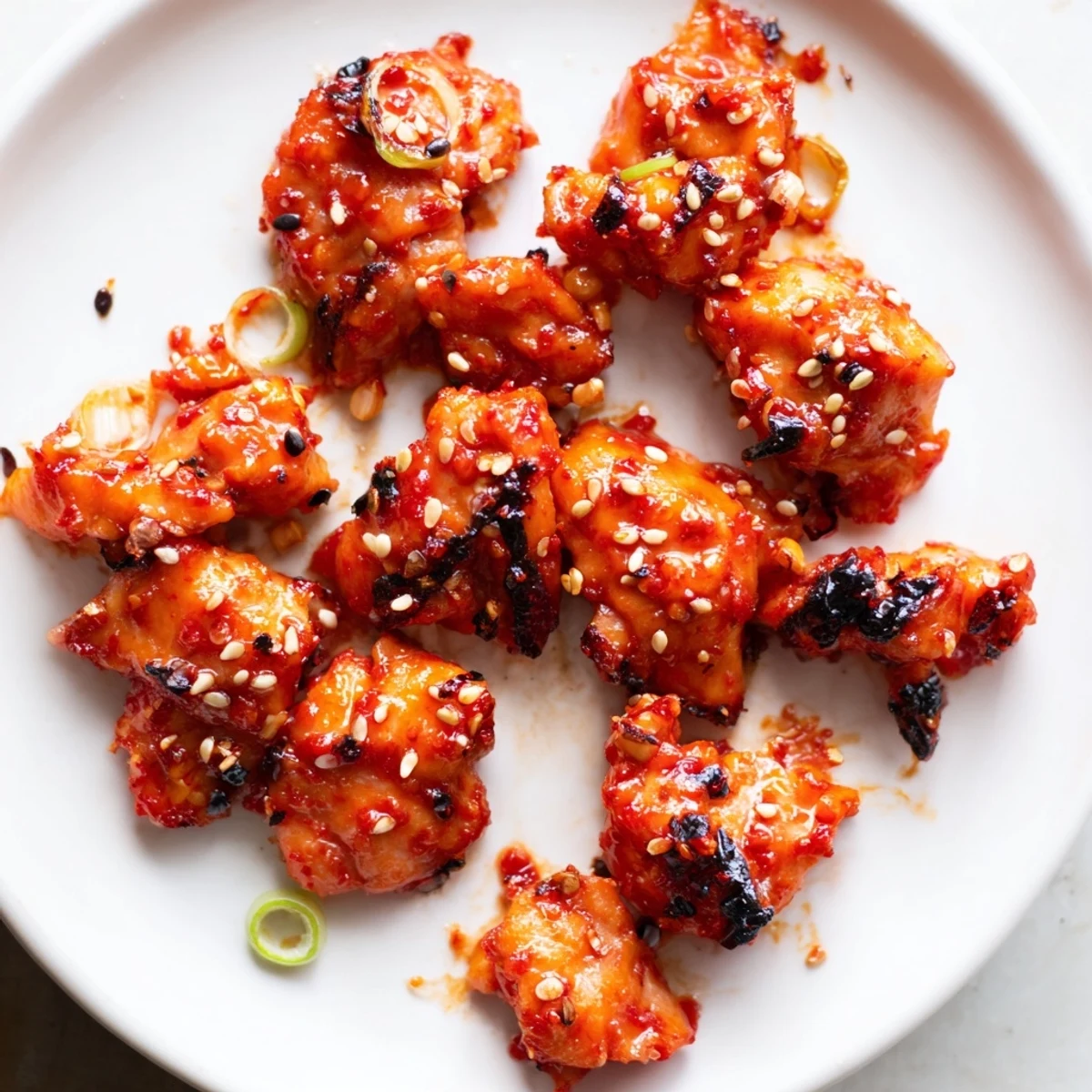
Save This gochujang chicken brings bold Korean flavors to your table in just 40 minutes. Bite-sized chicken thighs soak up a vibrant marinade of gochujang chili paste, soy sauce, honey, ginger, and sesame oil, then get pan-seared until caramelized and irresistible.
The dish strikes a satisfying balance between heat, sweetness, and umami. Garnished with toasted sesame seeds and sliced green onions, it pairs perfectly with steamed rice or crisp lettuce wraps for a complete meal.
The sizzle of chicken hitting a hot pan on a Tuesday evening is one of those sounds that instantly makes a kitchen feel alive, and when that sizzle carries the sweet, funky aroma of gochujang, you know dinner is about to become something special.
My neighbor once knocked on my door while I was cooking this, asking what smelled so incredible that it had drifted through our shared hallway.
Ingredients
- Boneless skinless chicken thighs (700 g): Thighs are the right choice here because they stay juicy through the aggressive high heat cooking and hold onto the marinade better than breast ever could.
- Gochujang (3 tbsp): This fermented Korean chili paste is the heart of the dish, bringing heat, sweetness, and depth all at once.
- Soy sauce (2 tbsp): Adds salt and another layer of umami that grounds the sweeter elements.
- Rice vinegar (1 tbsp): A small amount of acidity that brightens the whole marinade and balances the richness of the chicken.
- Honey (2 tbsp): Helps the chicken caramelize beautifully in the pan and rounds out the heat from the gochujang.
- Garlic, minced (2 cloves): Fresh garlic is non negotiable here for its pungent kick.
- Ginger, grated (1 tbsp): Adds a warm, slightly spicy backbone that pairs naturally with the Korean flavor profile.
- Sesame oil (1 tbsp): Toasted sesame oil gives a nutty aroma that makes the dish smell authentically Korean.
- Black pepper (1/2 tsp): Freshly ground is best for a subtle bite.
- Toasted sesame seeds (1 tbsp): A finishing sprinkle that adds texture and visual appeal.
- Green onions, thinly sliced (2): Their mild bite cuts through the richness and adds freshness.
Instructions
- Build the marinade:
- In a large bowl, whisk together the gochujang, soy sauce, rice vinegar, honey, garlic, ginger, sesame oil, and pepper until you have a smooth, ruby red paste that smells simultaneously sweet and deeply savory.
- Coat the chicken:
- Add the chicken pieces and toss them with your hands or a spoon until every piece is glossy and coated, then let them sit for at least twenty minutes so the flavors can penetrate.
- Cook until caramelized:
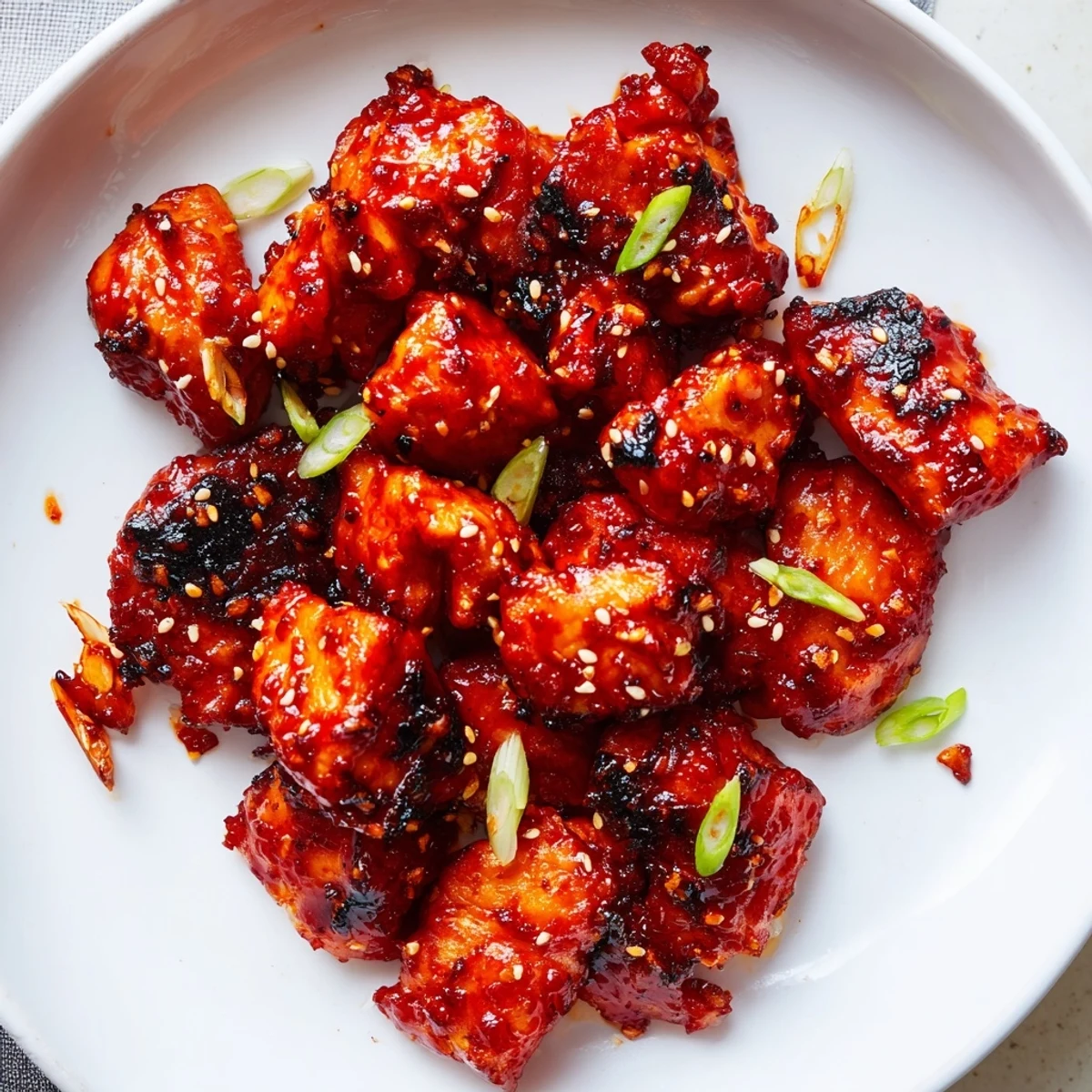
- Heat a large skillet over medium high heat and add the chicken along with any leftover marinade, cooking for six to eight minutes per side until the pieces develop dark sticky edges and are cooked through.
- Finish and serve:
- Take the pan off the heat, shower the chicken with sesame seeds and sliced green onions, and serve it hot over steamed rice or tucked into crisp lettuce wraps.
 Save
Save The night I served this to friends on my apartment floor around a low table with bowls of rice and kimchi was the moment I realized that good food does not need a formal setting to feel like a celebration.
What to Serve Alongside
Kimchi is the obvious and correct choice, but quick pickled cucumbers or radishes bring a cool crunch that tames the heat beautifully.
Making It Your Own
If you want more fire, a teaspoon of gochugaru stirred into the marinade transforms the heat level without overpowering the other flavors.
A Few Last Thoughts
Chicken breast works fine if that is what you have, just watch the cooking time carefully since lean meat dries out faster than thighs.
- Always check labels on gochujang and soy sauce if you are cooking for someone with gluten sensitivities.
- Leftovers reheat brilliantly the next day and make an excellent lunch over cold rice.
- Trust the caramelization process and do not rush the pan.
 Save
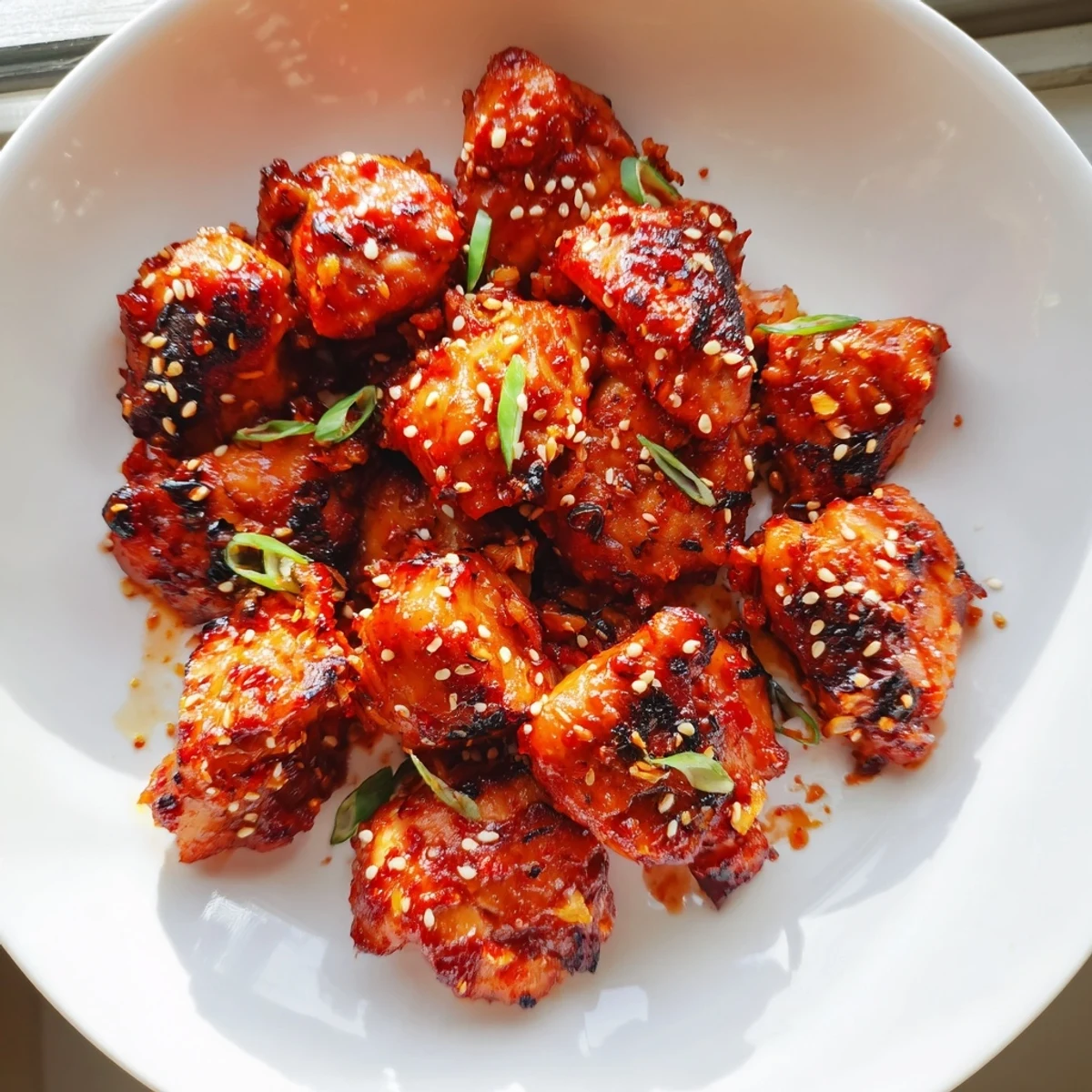
Save This is the kind of recipe that earns a permanent spot in your rotation the first time you make it, and somehow tastes even better the second time around.
Recipe FAQs
- → What is gochujang and where can I find it?
-
Gochujang is a fermented Korean chili paste with a thick, sticky consistency and a complex sweet-spicy-umami flavor. You can find it in most grocery stores in the Asian foods aisle, at Korean markets, or online. Look for it in small red tubs or squeeze bottles.
- → Can I use chicken breasts instead of thighs?
-
Yes, boneless, skinless chicken breasts work as a leaner alternative. Keep in mind that breasts cook faster and can dry out more easily, so reduce the cooking time by a few minutes and watch carefully to avoid overcooking.
- → How spicy is this dish?
-
The heat level is moderate, as gochujang provides a gentle, buildable warmth rather than intense spiciness. For extra heat, stir 1 teaspoon of gochugaru (Korean red chili flakes) into the marinade. To tone it down, reduce the gochujang to 2 tablespoons.
- → How long should I marinate the chicken?
-
A minimum of 20 minutes at room temperature delivers good flavor. For deeper, more pronounced taste, marinate the chicken for up to 2 hours in the refrigerator. You can also prep it the night before and let it marinate overnight.
- → What should I serve with gochujang chicken?
-
Steamed white or brown rice is the classic pairing. For a lighter option, serve it in crisp lettuce wraps. Add side dishes like kimchi, pickled radish, steamed broccoli, or sautéed bok choy to round out the meal.
- → Is this dish gluten-free?
-
Standard soy sauce contains wheat, so this dish is not gluten-free as written. To make it gluten-free, swap the soy sauce for tamari or a certified gluten-free soy sauce, and verify that your gochujang brand is gluten-free as well.