
 Save
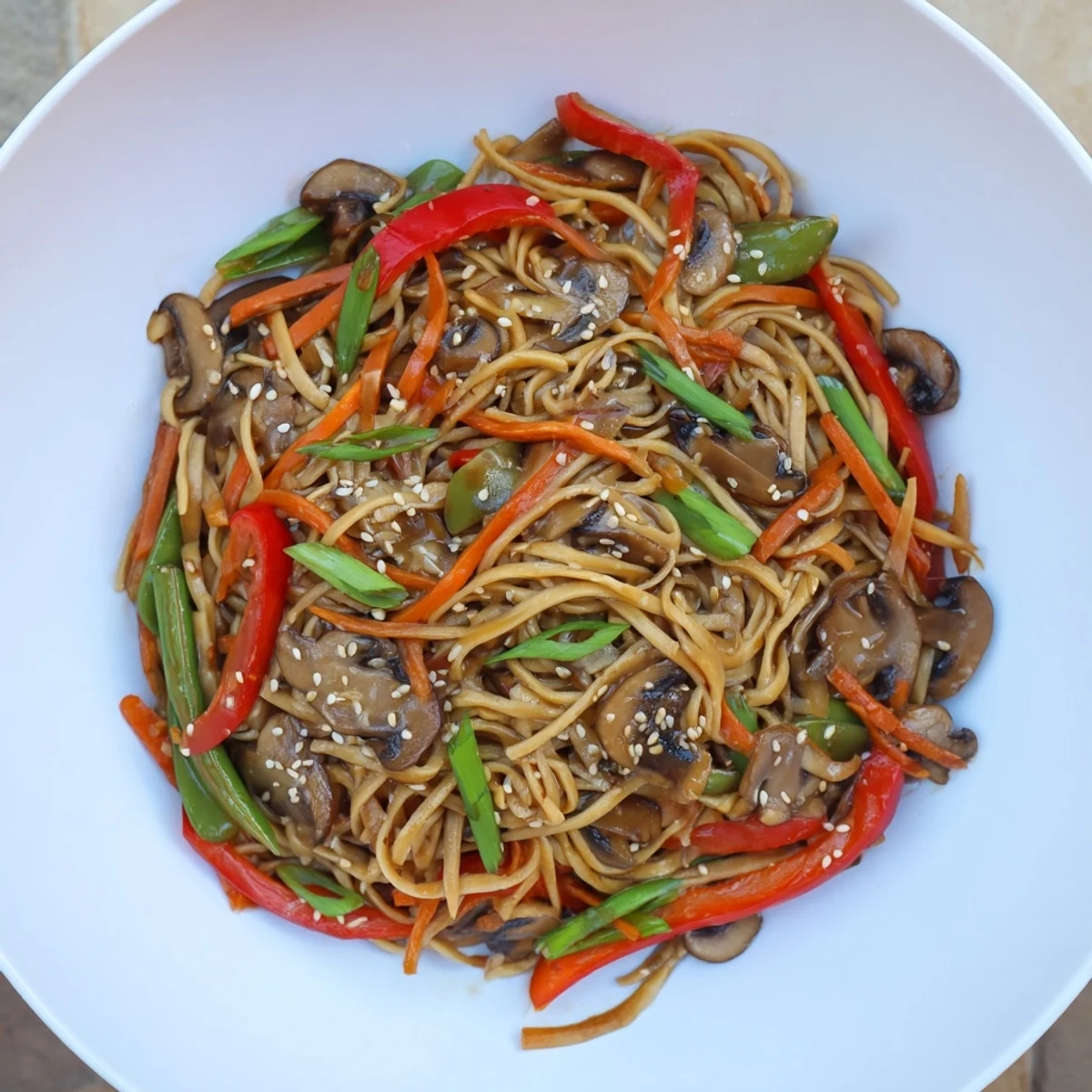
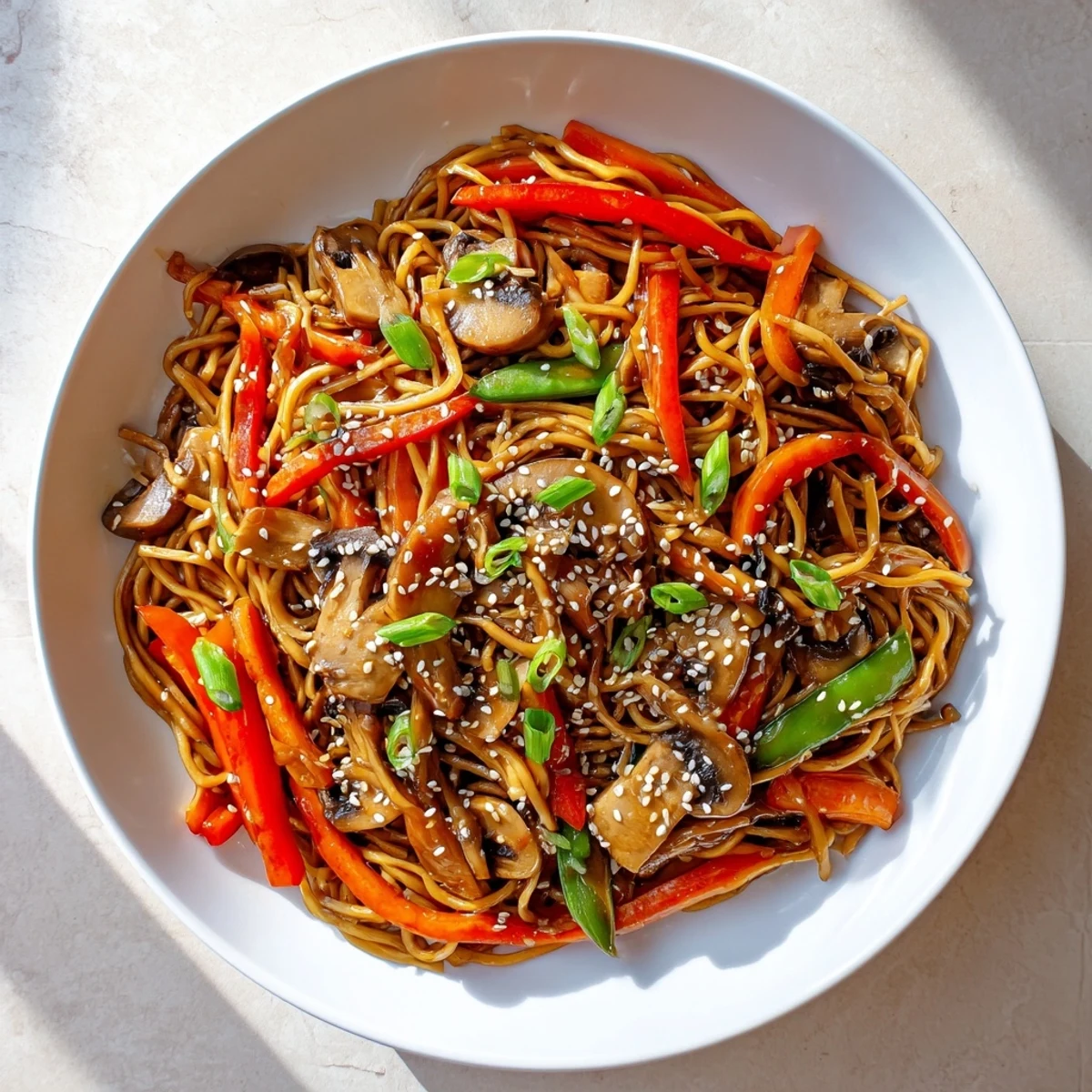
Save This aromatic vegetarian stir-fry features tender egg noodles tossed with savory garlic, earthy mushrooms, and colorful crisp vegetables in a rich umami sauce. Ready in just 30 minutes, this Chinese-inspired dish delivers restaurant-quality flavors with minimal effort. The combination of soy sauce, vegetarian oyster sauce, and toasted sesame oil creates a perfectly balanced coating that clings to every strand.
The aroma of garlic hitting hot oil still transports me to my first apartment kitchen, where I'd make this chow mein after long workdays. I'd stumbled upon a forgotten bag of egg noodles and some wilting mushrooms, and suddenly dinner became something to look forward to rather than just another task. That first attempt was haphazard—vegetables chopped unevenly, sauce too salty—but the joy of tossing hot noodles in a wok felt like discovering a superpower I never knew I needed.
My sister claimed she hated mushrooms until she watched them transform in my wok, going from rubbery and gray to golden and caramelized. She actually asked for seconds and later admitted that maybe mushrooms weren't the enemy after all. Now whenever she visits, this is the first thing she requests, standing beside the stove and stealing vegetables straight from the pan before they even hit the noodles.
Ingredients
- 250 g dried egg noodles: Egg noodles have that perfect chewy texture that holds up beautifully against the sauce, though wheat noodles work if that's what you have in your pantry.
- 250 g mushrooms, sliced: Button or cremini mushrooms develop this incredible meatiness when they get enough heat and space in the pan—don't crowd them or they'll steam instead of sear.
- 1 red bell pepper, thinly sliced: The sweetness of red peppers cuts through the savory sauce and adds this gorgeous pop of color that makes the whole dish feel celebratory.
- 1 medium carrot, julienned: Julienned carrots cook quickly but keep their crunch, providing this satisfying contrast to the soft noodles and tender mushrooms.
- 100 g sugar snap peas, trimmed: These bring fresh sweetness and a satisfying snap—don't overcook them or you'll lose that bright green crunch that makes the dish sing.
- 2 spring onions, sliced: Use both the white and green parts—whites go in with the vegetables for depth, greens save for garnish to keep them fresh and sharp.
- 4 cloves garlic, finely minced: Don't be shy with the garlic here—it's the backbone of the entire dish and needs to be abundant to stand up to the noodles.
- 2 tbsp soy sauce: Regular soy sauce provides the salt base, balancing the sweetness of the vegetables and the richness of the sesame oil.
- 1 tbsp dark soy sauce: Dark soy sauce adds this gorgeous caramel color and a deeper, slightly sweeter flavor that makes the dish look and taste restaurant-quality.
- 1 tbsp vegetarian oyster sauce: This ingredient is pure umami magic—if you can't find it, mushroom sauce works as a perfect substitute with the same depth and richness.
- 1 tbsp sesame oil: Toasted sesame oil adds this incredible nutty aroma that makes everything taste more expensive and thoughtful.
- 1 tsp sugar: Just enough to round out the salty elements and help the vegetables caramelize slightly as they hit the high heat.
- ½ tsp ground white pepper: White pepper has this subtle warmth that doesn't scream spice but makes everything taste more cohesive and professional.
- 2 tbsp vegetable oil: You need a neutral oil with a high smoke point for the high-heat stir-frying—save your fancy olive oils for finishing, not cooking.
- 1 tbsp toasted sesame seeds: These add this gorgeous crunch and another layer of nutty flavor that makes each bite interesting and complete.
Instructions
- Prep your noodles first:
- Cook the noodles according to package instructions, then drain and rinse under cold water to stop the cooking process. Toss them with a little sesame oil so they don't stick together while you prep everything else.
- Mix the sauce ahead:
- Whisk together the soy sauce, dark soy sauce, vegetarian oyster sauce, sugar, and white pepper in a small bowl. Having this ready means you won't be scrambling mid-cook, and the sugar will have time to fully dissolve.
- Get your wok screaming hot:
- Heat the vegetable oil in a large wok or skillet over high heat until it's shimmering—you want it hot enough that garlic sizzles immediately on contact. Add the minced garlic and stir-fry for just 30 seconds until fragrant but not brown.
- Caramelize the mushrooms:
- Add the sliced mushrooms and let them cook undisturbed for a minute before tossing—this helps them develop those gorgeous browned edges. Cook for 3 to 4 minutes until they've released their moisture and started to deepen in color.
- Add the crisp vegetables:
- Toss in the bell pepper, carrot, and sugar snap peas, stir-frying for 2 to 3 minutes. You want them tender-crisp, still retaining their vibrant color and satisfying crunch rather than becoming soft.
- Bring it all together:
- Add the cooked noodles to the wok, then pour in that sauce you mixed earlier. Toss everything together vigorously for 2 to 3 minutes, letting the sauce coat every strand and heat through completely.
- Finish with fresh touches:
- Stir in most of the spring onions, saving the prettiest pieces for garnish on top. Serve immediately while everything's still piping hot and the aromas are at their most intoxicating.
 Save
Save There was this rainy Tuesday when I made this for a friend who'd just moved into a new apartment with nothing but a hot plate and a longing for home-cooked food. We ate standing up in her half-unpacked kitchen, and she said it tasted like comfort she didn't know she needed until that exact moment.
Making It Your Own
Sometimes I'll add cubed firm tofu or edamame when I want something more substantial, letting them get golden and crisp in the wok before the vegetables join the party. The way tofu absorbs that garlicky sauce while maintaining its creamy center is honestly a revelation.
The Noodle Game
If you're going gluten-free, tamari and rice noodles work beautifully—just adjust the cooking time since rice noodles can turn to mush if you look at them wrong. I've also used udon in a pinch, and that chewy thickness makes the whole dish feel somehow cozier and more substantial.
Heat Levels and Seasoning Tweaks
A splash of chili oil transforms this into something entirely different, adding this slow-building heat that makes you want to keep eating bite after bite. I usually add it at the very end so it stays vibrant on top rather than disappearing into the sauce.
- Prep everything before you turn on the stove—stir-frying waits for no one, and having everything ready means you can actually enjoy the process instead of scrambling.
- Taste your sauce before adding it—some soy sauces are saltier than others, and you want to balance everything before it hits the heat.
- Reserve a little pasta water from cooking the noodles in case your sauce needs thinning at the end.
 Save
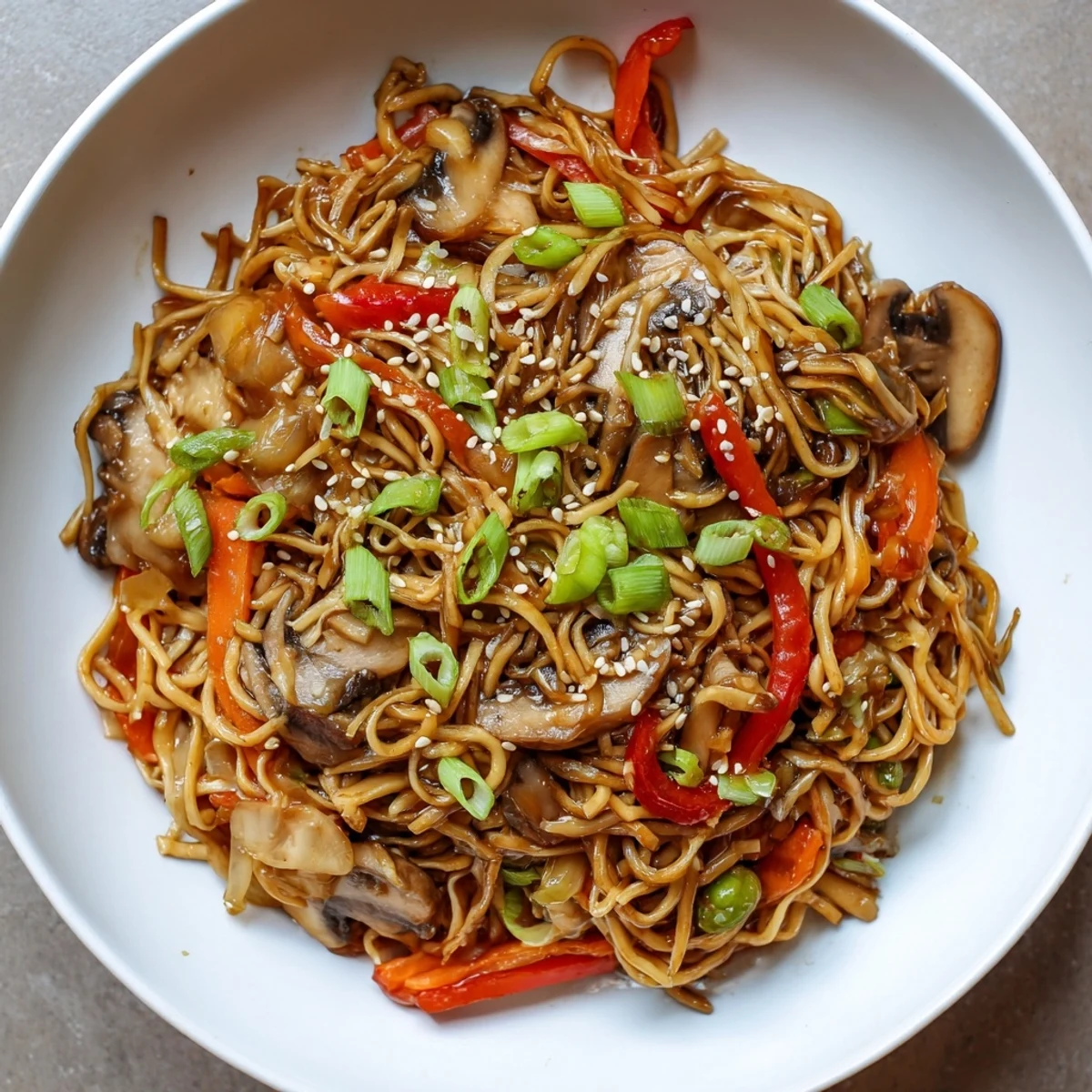
Save This is the kind of dinner that makes you feel like you've accomplished something wonderful without spending hours in the kitchen. Every bowl tells the story of good ingredients treated simply and with intention.
Recipe FAQs
- → Can I use different noodles?
-
Yes, you can substitute dried egg noodles with wheat noodles, rice noodles, or even udon. Just adjust cooking time according to package instructions.
- → How do I prevent noodles from sticking?
-
Rinse cooked noodles under cold water and toss with a small amount of sesame oil before setting aside. This prevents clumping and keeps them separate.
- → Can I make this gluten-free?
-
Absolutely. Use gluten-free tamari instead of soy sauce and choose certified gluten-free noodles. Double-check all sauce labels for hidden gluten.
- → What vegetables work best?
-
Button or cremini mushrooms, bell peppers, carrots, and sugar snap peas provide great texture and color. You can also add bok choy, cabbage, or bean sprouts.
- → How can I add more protein?
-
Cubed firm tofu, edamame, or cashews make excellent protein additions. Add tofu when cooking vegetables or sprinkle cashews as a garnish before serving.
- → Can I prepare this ahead?
-
Prep vegetables and sauce in advance, but cook fresh for best results. Leftovers store well in the refrigerator for 2-3 days and reheat nicely in a skillet.