
 Save
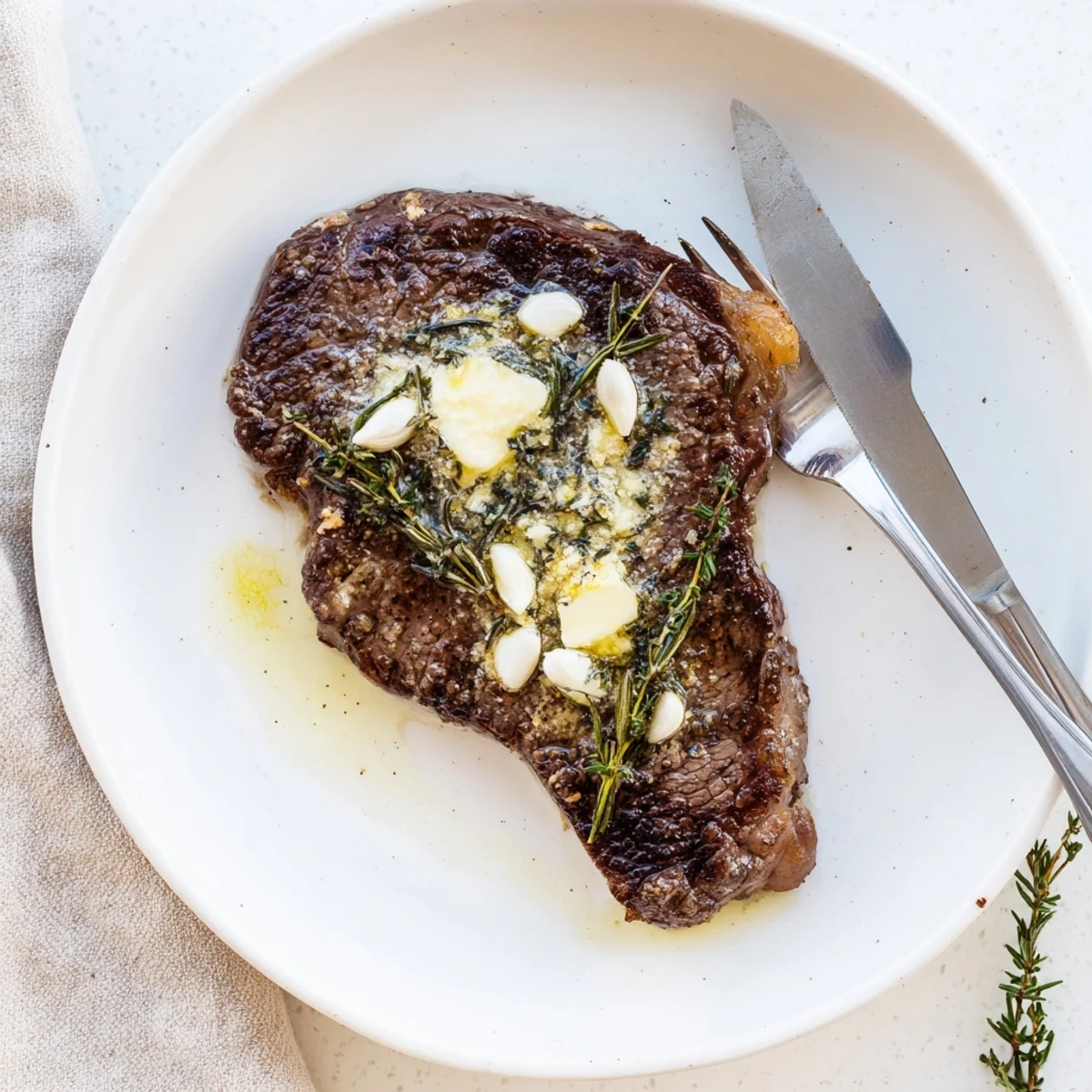
Save This cast iron method delivers a professional-quality steak with a perfectly caramelized crust and juicy, tender interior. The high-heat sear creates restaurant-style results, while continuous garlic butter basting infuses each bite with rich, aromatic flavor. Ready in just 20 minutes, this technique works best with thick-cut ribeye steaks brought to room temperature before cooking.
My husband surprised me with a cast iron skillet years ago, and I had no idea how much it would transform our weeknight dinners. The first steak I made in it shocked me, restaurant quality without leaving our kitchen. Now whenever I want to make something feel special without the fuss, this garlic butter ribeye is my go to. The smell alone, that sizzling garlic hitting hot butter, sends everyone running to the kitchen.
Last summer our neighbors came over for an impromptu dinner, and I panicked because I hadnt planned anything impressive. I threw these steaks on with some simple roasted vegetables, and you would have thought I was a professional chef. There is something so satisfying about cooking a steak properly, hearing that perfect sear hit the pan, watching people cut into that gorgeous pink center. They still ask me when I am making the steak dinner again.
Ingredients
- 2 boneless ribeye steaks (12 oz each): Choose cuts at least 1 inch thick with good marbling, those white ribbons of fat are what keep the meat juicy and flavorful
- 1 ½ teaspoons kosher salt: The coarse crystals stick better to the meat and dissolve slowly, seasoning throughout
- 1 teaspoon freshly ground black pepper: Grind it right before you season for the most aromatic punch
- 3 tablespoons unsalted butter: Unsalted lets you control the seasoning, and it melts beautifully into that basting sauce
- 3 cloves garlic, crushed: Crushing releases more oils than mincing, infusing the butter faster
- 2 sprigs fresh thyme and 1 sprig rosemary: Fresh herbs make a difference here, their woody stems stand up to the heat
- 1 tablespoon olive oil: High smoke point means it will not burn when you sear at high heat
- Flaky sea salt: The finishing touch, add at the end for those satisfying crunchy bursts of saltiness
Instructions
- Bring steaks to room temperature:
- Pull the meat from the fridge 30 minutes before cooking and pat completely dry with paper towels, this step is crucial for even cooking and proper browning
- Season generously:
- Press the salt and pepper into both sides of the steaks, going heavier than you think you should, some will wash off during cooking
- Get the pan ripping hot:
- Heat your cast iron skillet over high heat for 3 to 5 minutes until it is screaming hot, you should feel the heat rising when you hover your hand above it
- Sear the first side:
- Add olive oil, swirl to coat, then lay steaks in the pan and do not touch them for 2 to 3 minutes, you are waiting for that deep brown crust to develop
- Flip and add aromatics:
- Turn the steaks, toss in butter, crushed garlic, and herbs, then get ready for the magic to happen
- Baste continuously:
- Tilt the pan and spoon that melting, sizzling garlic butter over the meat repeatedly for 2 to 3 minutes, until the meat reaches 125°F for medium rare
- Rest the meat:
- Move steaks to a plate and tent loosely with foil for 5 minutes, this lets the juices redistribute so they do not run out when you cut
- Finish and serve:
- Slice against the grain, spoon all that gorgeous garlic butter from the pan over the top, and finish with flaky sea salt if you want that extra touch
 Save
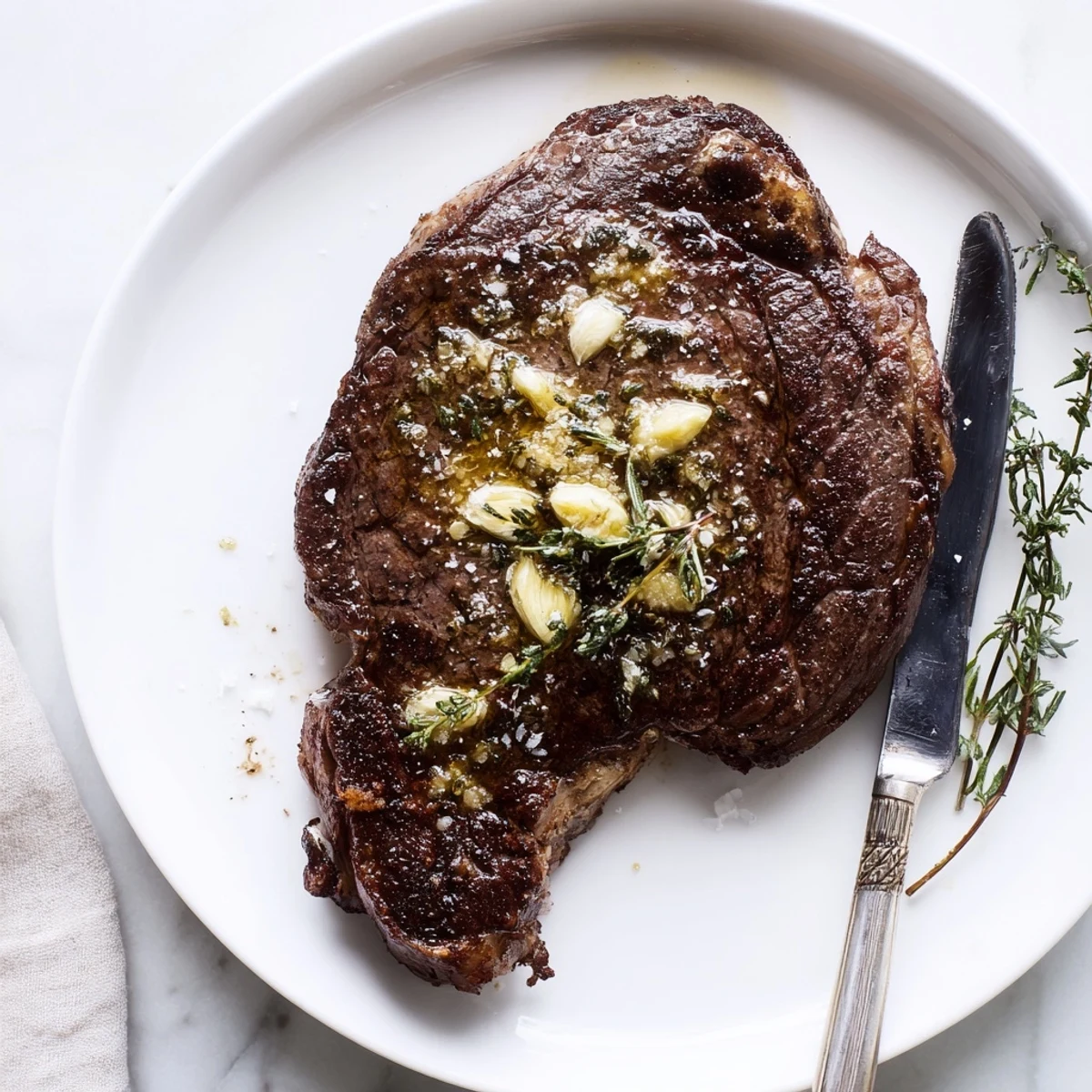
Save This recipe has become our anniversary tradition because the first time I made it, I accidentally set off the smoke alarm and we ended up eating on the back porch with all the windows open. We laughed so hard while eating these perfectly cooked steaks under the string lights, butter dripping everywhere, not caring one bit about the mess. Now I always open the windows before I start, just in case, but that imperfect night remains one of my favorite food memories.
Getting the Perfect Doneness
I spent years cutting into my steaks to check doneness, which ruins everything, until I finally invested in a meat thermometer and learned the proper touch test. Medium rare feels like the fleshy part of your palm when you touch your thumb to your middle finger, and a thermometer should read 125°F to 130°F. Remember the steak keeps cooking while it rests, so pull it a few degrees early, and trust the process.
Choosing the Right Cut
Not all ribeyes are created equal, and I have learned the hard way that marbling matters more than the pretty red color. Look for thin white ribbons of fat running through the meat, not just a big fat cap on the edge, because that internal marbling melts during cooking and keeps everything juicy. If your butcher counter looks picked over, do not be afraid to ask if they have anything in the back, they often hold the best cuts.
Making It Your Own
The beauty of this recipe is how adaptable it is once you master the basic technique. I have added smoked paprika to the butter for a barbecue vibe, swapped rosemary for sage in the fall, and even used compound butters I made ahead with roasted garlic and herbs. The sear and baste method works on any cut, though ribeye remains my favorite for its balance of fat and flavor.
- Try adding a splash of white wine to the butter in the last minute of basting for a bright acidic note
- If you are cooking multiple steaks, work in batches rather than overcrowding the pan
- Save any leftover garlic butter from the pan and toss it with roasted vegetables the next day
 Save
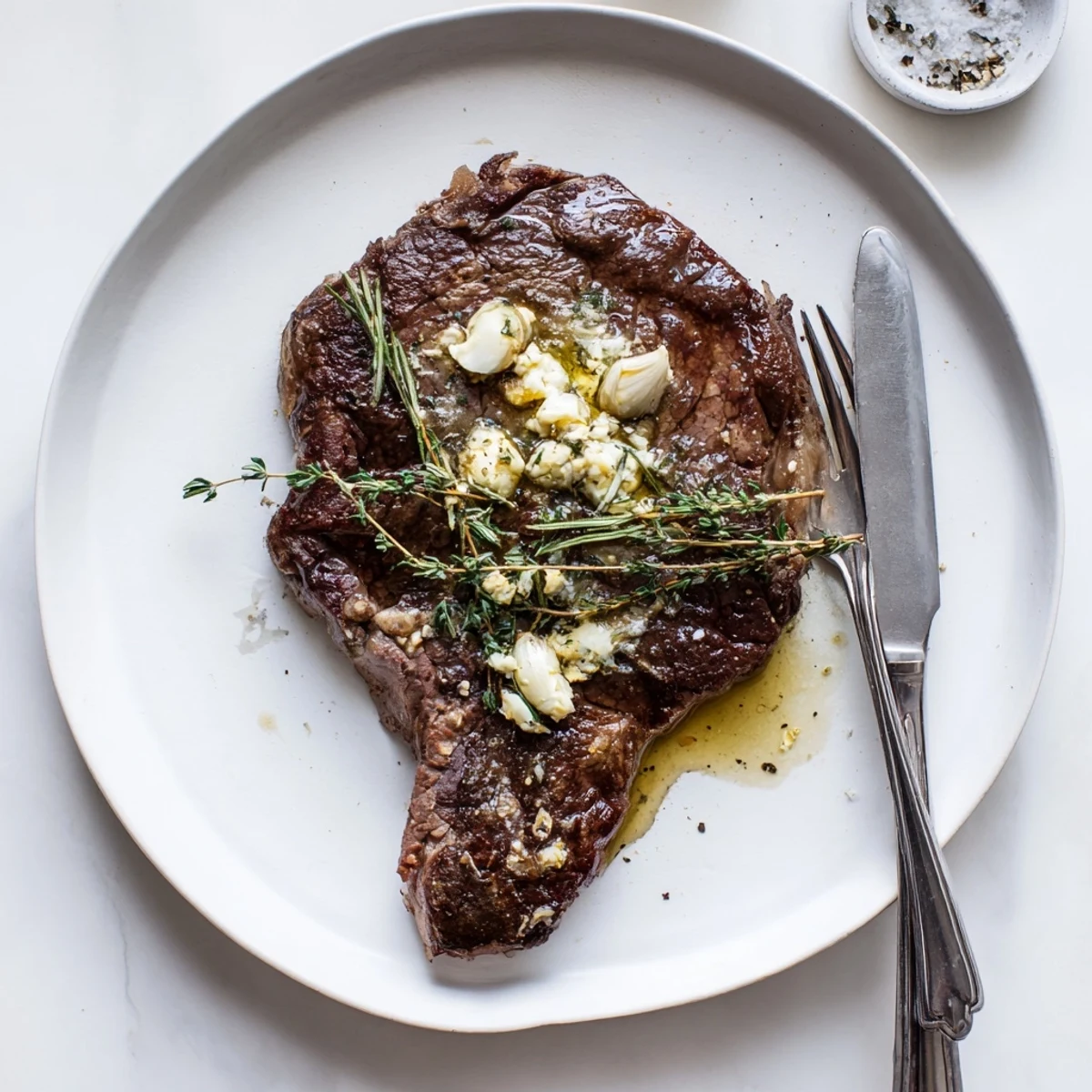
Save There is nothing quite like cutting into a perfectly cooked steak you made yourself, that satisfying crunch of the crust giving way to tender, pink, buttery meat. Grab your favorite wine, call over the people you love, and enjoy every bite.
Recipe FAQs
- → What thickness works best for cast iron ribeye?
-
Steaks at least 1 to 1.5 inches thick provide the best results. Thicker cuts develop a beautiful crust while maintaining a juicy interior without overcooking.
- → Why bring steaks to room temperature first?
-
Letting steaks rest at room temperature for 30 minutes ensures even cooking throughout. Cold meat can cause uneven searing and result in overcooked exteriors before the center reaches desired doneness.
- → How do I know when the steak is done?
-
A meat thermometer provides the most accurate reading. For medium-rare, aim for 125°F internally. The touch test also works—medium-rare feels like the fleshy part of your palm when thumb and index finger touch.
- → Can I use dried herbs instead of fresh?
-
Fresh thyme and rosemary provide superior flavor during basting, but dried herbs work in a pinch. Use about one-third the amount of dried herbs compared to fresh, adding them earlier to the butter.
- → What's the purpose of resting the meat?
-
Resting for 5 minutes allows juices to redistribute throughout the steak. Cutting too soon releases flavorful juices onto the plate, resulting in drier meat. Tenting loosely with foil maintains warmth without trapping steam.
- → Can I finish with other seasonings?
-
Absolutely—flaky sea salt adds delightful crunch and briny brightness. Smoked paprika introduces subtle smokiness, while compound butters with blue cheese or herbs make elegant finishing touches.