
 Save
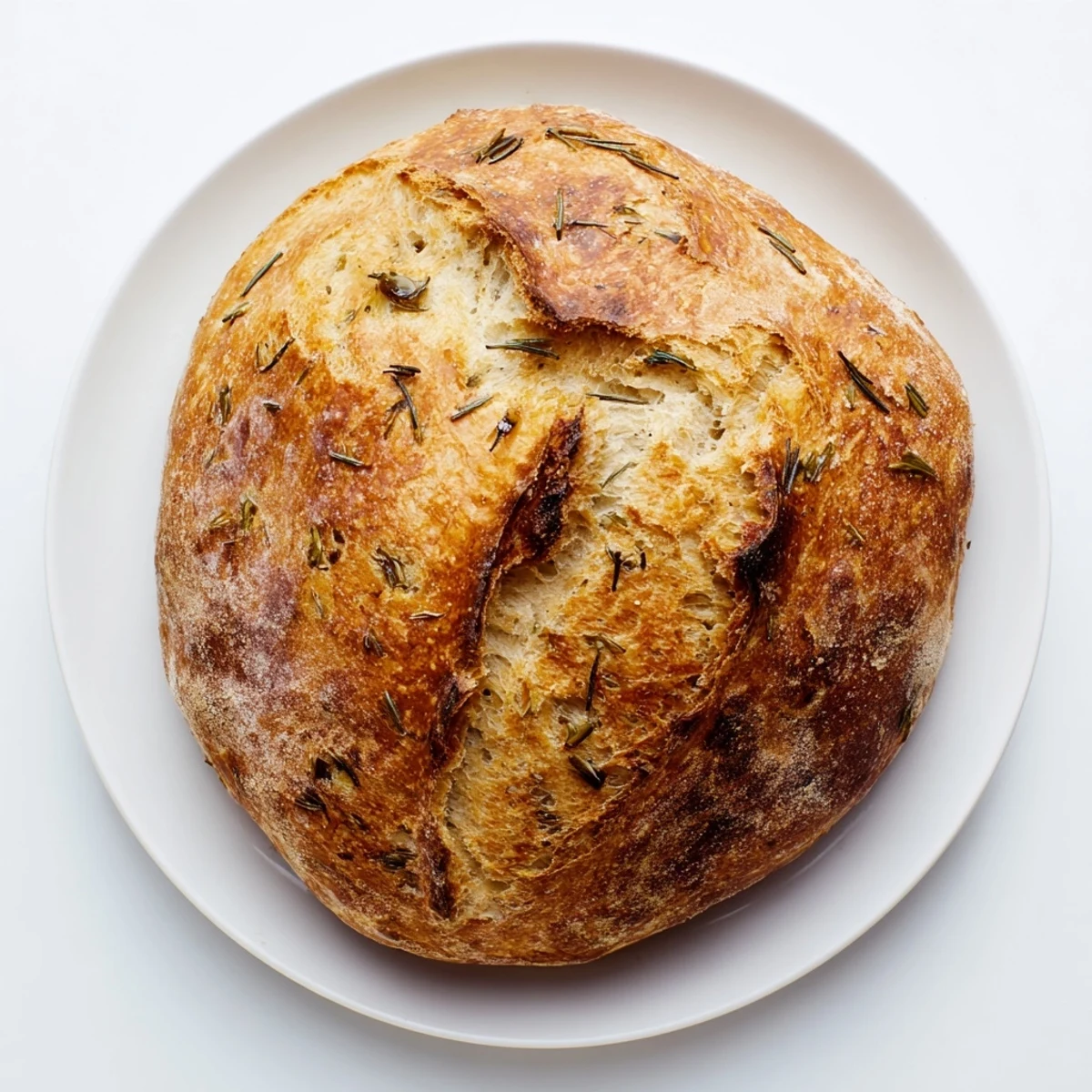
Save Create an impressive, bakery-style loaf right in your kitchen. This European-style bread combines the earthy aroma of fresh rosemary with the savory depth of garlic, all wrapped in a beautifully crisp crust. The Dutch oven method creates the perfect steam environment for that professional bakery look and texture.
After just 20 minutes of active preparation, let the dough develop its flavors during a long rise. The hot Dutch oven mimics professional steam-injected ovens, giving you that coveted crackling crust and tender, airy crumb. Slice into thick pieces for serving alongside soups, or enjoy with olive oil and balsamic.
The first time I made this bread, my entire apartment building must have known. The garlic and rosemary hit the hot air and somehow traveled through vents and hallways. My neighbor actually knocked on my door asking what bakery had opened in unit 4B.
Last winter, I made this for my family Sunday dinner. My dad usually skips bread, but he took one slice, then another, until wed practically demolished the whole loaf. Now it is not a proper family gathering without it.
Ingredients
- Bread flour: Higher protein content than all-purpose gives this bread its structure and chew
- Fine sea salt: Coarse salt won not distribute evenly and leaves weird salty pockets
- Active dry yeast: This small amount works perfectly with the long rise time
- Lukewarm water: Think bathwater temperature, about 100°F, anything hotter kills the yeast
- Olive oil: Keeps the crumb tender and adds subtle richness
- Fresh garlic: Minced fine so it distributes throughout every bite
- Fresh rosemary: Dried herbs lose their magic in high heat baking like this
- Extra flour or cornmeal: Prevents sticking and adds a rustic texture to the bottom crust
Instructions
- Mix the base:
- Whisk flour, salt, and yeast in a large bowl until combined
- Combine wet and dry:
- Stir in water and olive oil until a shaggy, sticky dough forms
- Add the aromatics:
- Fold in minced garlic and chopped rosemary until evenly distributed
- First rise:
- Cover and let rise at room temperature for 2 to 3 hours until doubled
- Shape the loaf:
- Turn dough onto a floured surface and gently form into a round ball
- Second rise:
- Place on parchment, cover loosely, and rest 30 to 45 minutes more
- Preheat strategically:
- Heat Dutch oven at 450°F for at least 30 minutes while dough rises
- Transfer carefully:
- Lift dough with parchment and lower into the scorching hot Dutch oven
- Bake covered:
- Cook with lid on for 30 minutes to create steam and oven spring
- Finish with golden crust:
- Remove lid and bake 12 to 15 minutes until deeply browned and crusty
- Cool completely:
- Let rest on a wire rack for at least 20 minutes before slicing
 Save
Save My sister once tried making this but skipped the Dutch oven step. The bread still tasted good but the crust never developed that characteristic shatter. Now she borrows my pot every Sunday.
The Secret To Perfect Steam
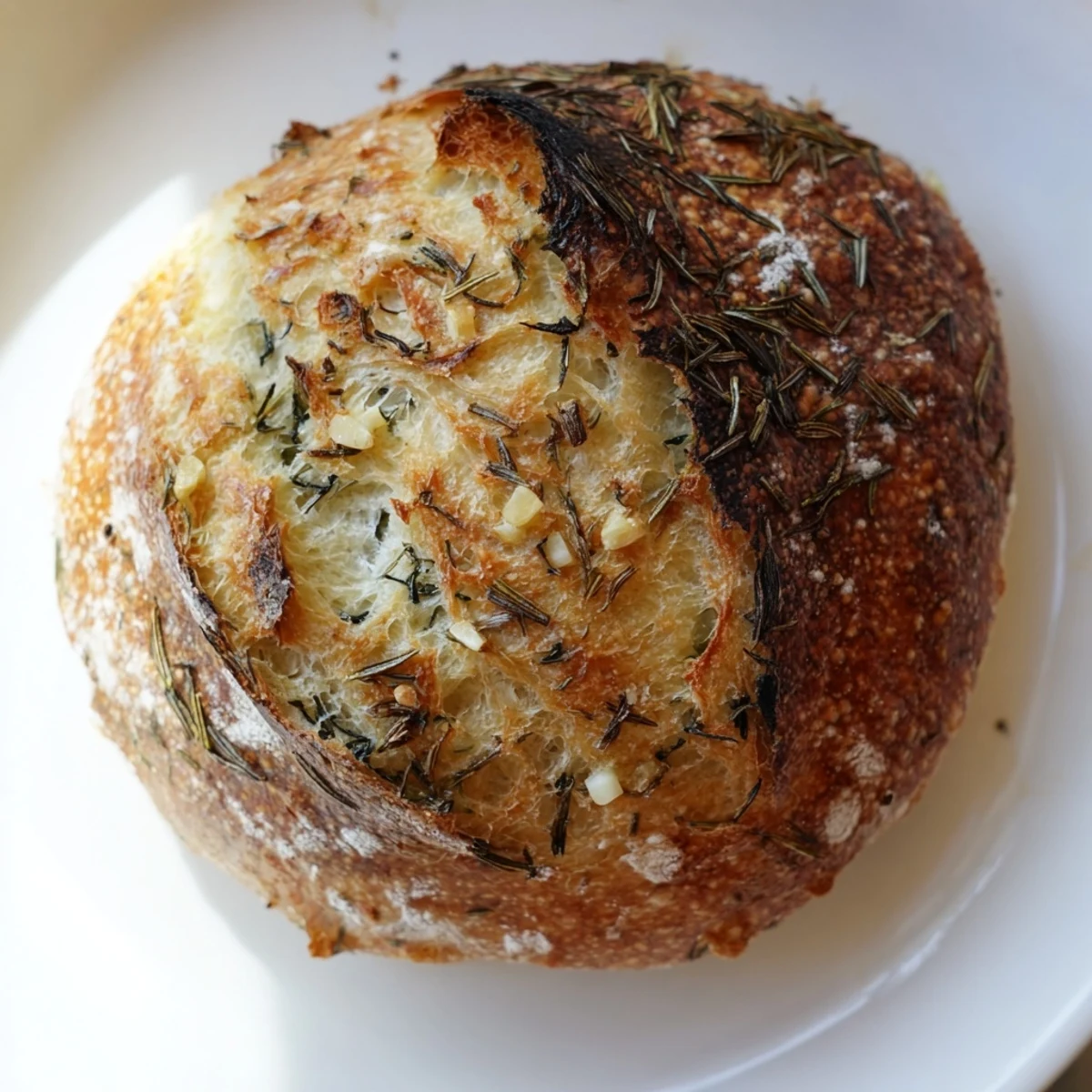
The covered Dutch oven acts like a mini steam oven, trapping moisture from the dough itself. This creates the dramatic rise and blistered crust you see in artisanal bakery breads. Removing the lid at the end allows that final crisping.
Timing Your Rise
Ive learned that room temperature dramatically affects rise time. In winter near a drafty window, my dough took nearly 4 hours. On a humid summer day, it doubled in just 90 minutes. Watch the dough, not the clock.
Customizing Your Loaf
Once you master the basic formula, the variations become endless. Kalamata olives and sun-dried tomatoes turn this into a Mediterranean masterpiece. Cubes of aged cheddar and chopped scallions make an incredible savory twist.
- Roast your garlic beforehand for a sweeter, milder flavor
- Swap rosemary for fresh thyme in spring
- Add a handful of grated Parmesan to the dough for extra depth
 Save
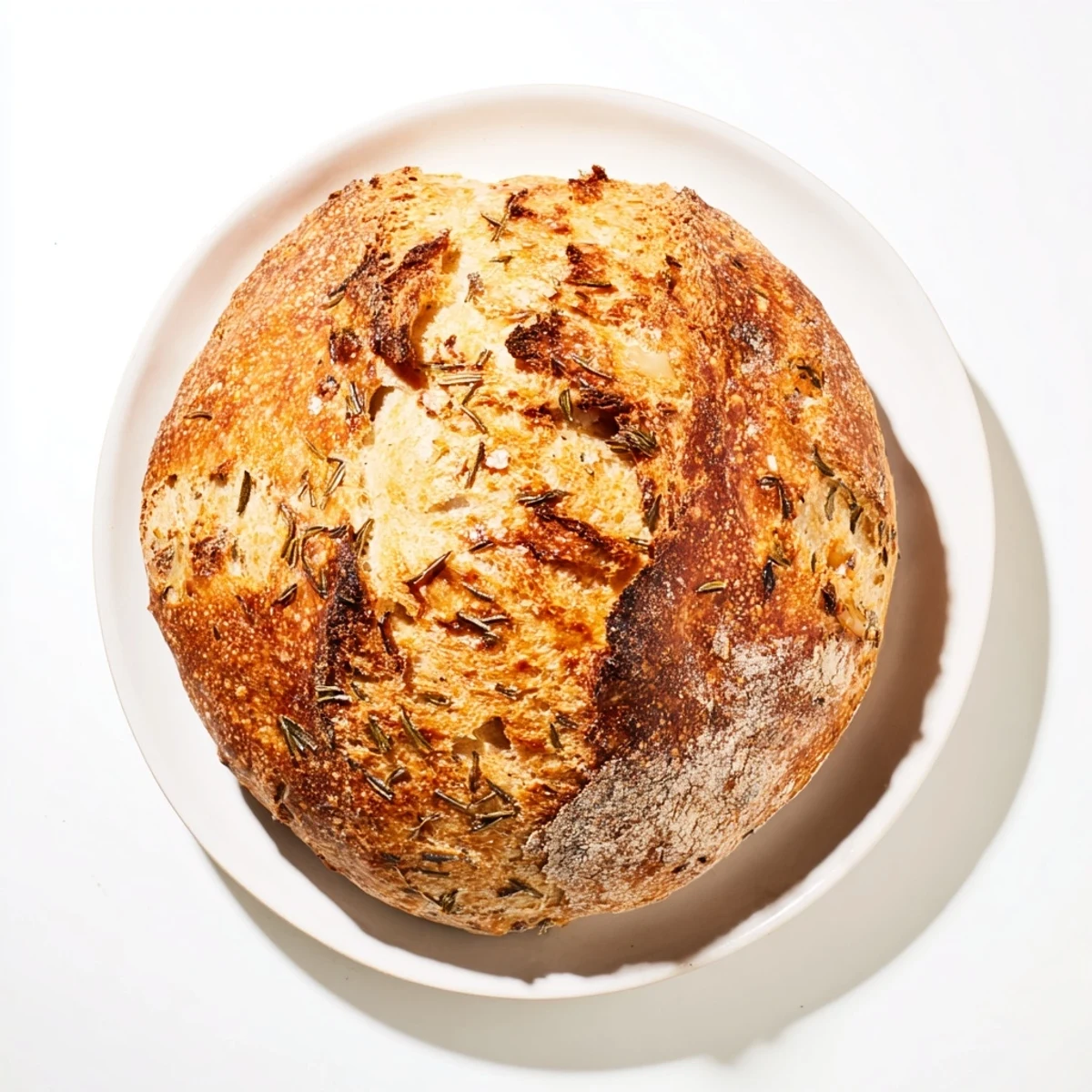
Save There is something profoundly satisfying about pulling a golden, fragrant loaf from your own oven. This bread turns ordinary weeknight dinners into something worth gathering around.
Recipe FAQs
- → Why use a Dutch oven for bread?
-
A Dutch oven creates a steamy, enclosed environment that mimics professional bread ovens. The trapped moisture helps the crust develop beautifully while keeping the interior soft and airy.
- → Can I use dried rosemary instead of fresh?
-
Yes, but use one-third the amount since dried herbs are more concentrated. Rehydrate the dried rosemary in warm water for 10 minutes before adding to the dough for best results.
- → How do I know when the bread is done?
-
The crust should be deep golden brown, and the loaf should sound hollow when tapped on the bottom. An instant thermometer inserted into the center should read 200°F (93°C).
- → Can I add other ingredients like olives?
-
Absolutely! Kalamata olives, sun-dried tomatoes, or caramelized onions make excellent additions. Add about 1/2 cup of your chosen mix-ins during step 3 when incorporating the garlic and rosemary.
- → How should I store leftovers?
-
Wrap the cooled loaf in a clean kitchen towel or paper bag and store at room temperature for up to 2 days. For longer storage, slice and freeze in a sealed bag for up to 3 months.
- → What if I don't have a Dutch oven?
-
You can use a heavy oven-safe pot with a tight-fitting lid, such as a cast iron pot or Pyrex dish with a lid. Alternatively, bake on a baking sheet and create steam by placing a pan of hot water on the rack below.