
 Save
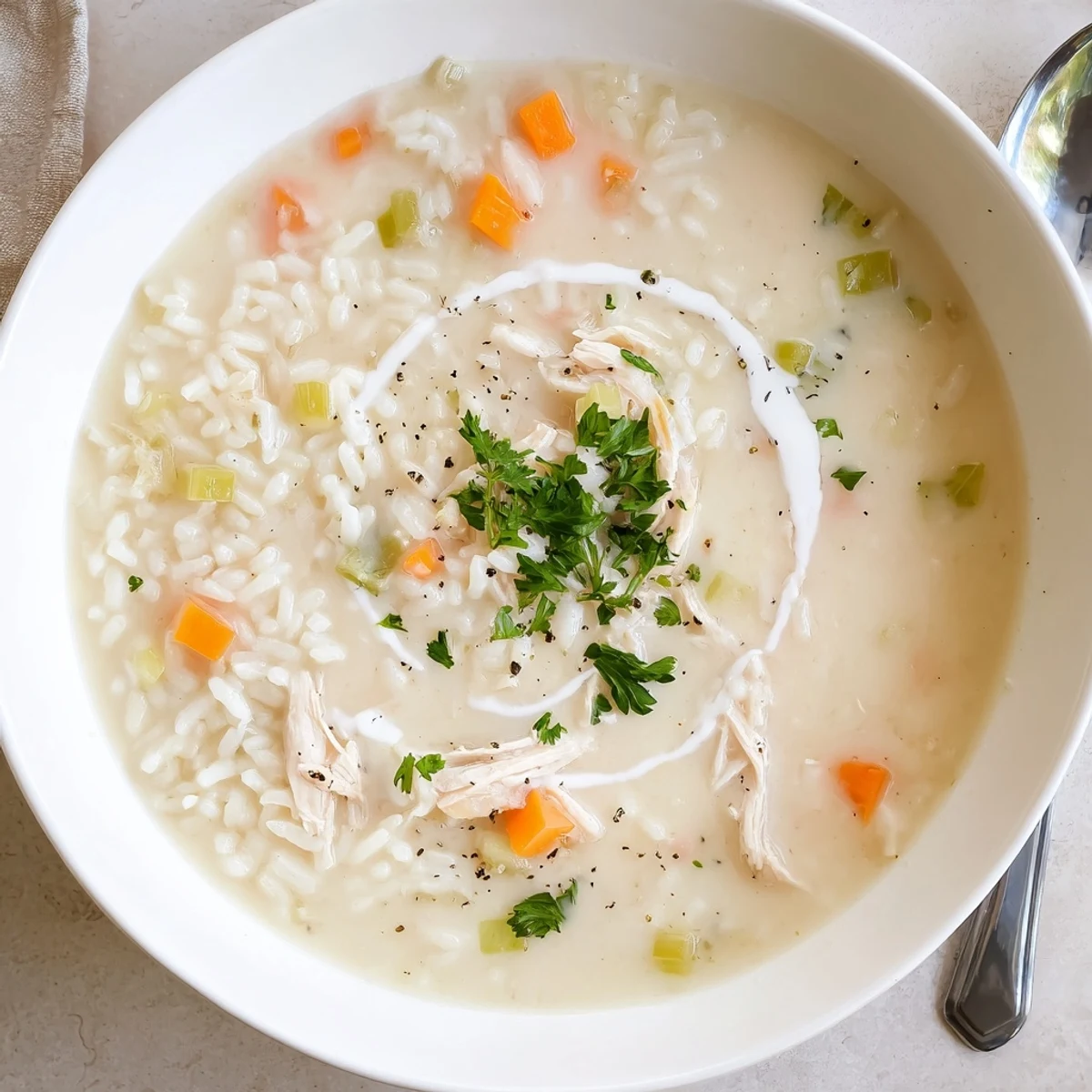
Save This velvety chicken and rice soup combines shredded chicken, long-grain rice, and softened onion, carrots and celery in a buttery roux. Gradually whisk in chicken broth, simmer until rice is tender, then stir in milk and cream and finish gently until thick and silky. Total time about 50 minutes. For a gluten-free option, replace flour with a cornstarch slurry; finish with parsley or a squeeze of lemon for freshness.
The kitchen was alive with the gentle clatter of spoon against pot, and I remember catching the comforting aroma of simmering chicken broth swirling in the air before I ever tasted this creamy chicken rice soup. There was a chilly evening last fall when the light slanted just right across the counter, and I found myself reaching instinctively for ingredients that promised warmth. Something about watching the butter sizzle with onion and carrot felt grounding and good. Every time I stir this together, it’s as much about slowing down as it is about what ends up in the bowl.
One Saturday when the rain refused to let up, a friend dropped by unannounced for lunch, and I just happened to have all the essentials for this soup on hand. We stood around the stove, chatting about small frustrations and big dreams while the scent of thyme and celery filled the room, and the soup seemed to chase away the dampness outside as if by magic.
Ingredients
- Cooked chicken: Shredded or diced, this soaks up the creamy broth and gives substance to every bite—a good rotisserie chicken saves time and imparts extra flavor.
- Onion: I’ve learned that finely chopped onion melds into the soup, adding gentle sweetness and a savory base.
- Carrots: Peeled and diced, carrots bring a hint of color and earthy sweetness that balances the richness.
- Celery: Celery lends brightness and a slight crunch when not cooked to mush—cut it evenly for a better bite.
- Garlic: Just two cloves give depth and a warming note that never overwhelms.
- Long-grain white rice: The rice absorbs all the flavors, and keeping it uncooked means you can control the texture.
- Chicken broth: A good-quality broth is the soup’s backbone—homemade or store-bought, taste it before using.
- Whole milk: Milk makes the base creamy without heaviness; bring it to room temperature to prevent curdling.
- Heavy cream: This is where the soup gets its full, velvety richness, but don’t let it boil—just gentle heat.
- Bay leaf: Added early, a single bay leaf gives the whole soup an aromatic note that feels old-fashioned and homey.
- Dried thyme: Just enough to give that herbal background—too much will shout, so measure with care.
- Salt and black pepper: Season to taste at the end for best balance.
- Unsalted butter: Melting the butter first sets up a flavor base and helps the veggies soften perfectly.
- All-purpose flour: Don’t skip this step—it thickens the soup, but you must cook off the raw taste right after adding.
Instructions
- Start with a flavorful base:
- Melt the butter in a large soup pot over medium heat, listening as it sizzles, then tumble in onion, carrots, celery, and garlic. Sauté, stirring now and then, until the veggies smell sweet and look softened—about 5 to 6 minutes.
- Build the roux:
- Sprinkle the flour evenly across the vegetables, and keep stirring—it might seem dry at first, but soon a paste forms and the raw flour scent fades, usually in about 2 minutes.
- Add the broth and seasonings:
- Pour in the chicken broth slowly, whisking constantly to avoid lumps, then tuck in the bay leaf and shake in the dried thyme, letting the aroma rise up warm and inviting.
- Simmer the rice:
- Stir in the rice and bring everything to a gentle boil, then lower the heat and simmer, partially covered, for 15 to 18 minutes, until the rice begins to soften but still has some bite.
- Finish with creaminess:
- Tip in the shredded chicken, pour in the milk and cream, and keep the heat gentle while you stir—don’t let it bubble, just let it quietly thicken for 8 to 10 more minutes until the rice and chicken are both just right.
- Season and serve:
- Fish out the bay leaf, then season the soup with salt and black pepper as you like. Ladle the soup into bowls and, if you want, toss on a little fresh parsley for color and freshness before diving in.
 Save
Save The first time my little niece tasted this soup, she paused mid-spoonful, cheeks flushed, and declared it tasted like a hug. That simple remark turned this from just a weekday dinner into a recipe I now set aside for a bit of celebration or care.
Letting the Flavors Settle In
I’ve noticed this soup only gets tastier after a short rest—when I’ve got leftovers, they gently deepen and meld in the fridge. Letting it sit for ten minutes before serving seems to round out the flavors and makes the rice perfectly tender.
Swaps and Variations for Every Kitchen
Once, I ran out of regular flour and made a quick cornstarch slurry instead—it thickened just as beautifully, and worked well for my gluten-free friend. Changing up the vegetables (a handful of spinach, a shake of frozen peas) keeps things interesting and a little different with each pot.
Little Tricks to Make It Yours
Experimenting with herbs—a sprinkle of parsley or chives at the end—can brighten the whole bowl, while a squeeze of lemon just before serving adds unexpected freshness. If you want a richer soup, extra cream never hurts, just don’t let it boil! Adding leftover rotisserie chicken cuts prep time and tastes wonderful.
- Add the rice slowly with one hand to avoid splashing.
- For the smoothest soup, whisk in broth gradually.
- Don’t forget to check seasoning at the very end!
 Save
Save Nothing beats sharing a bowl of this creamy chicken rice soup with those you love, especially when you need a simple, soothing meal. Here’s hoping it becomes your go-to for drizzly days and quiet evenings alike.
Recipe FAQs
- → Can I use leftover or rotisserie chicken?
-
Yes. Leftover or rotisserie chicken works well and adds depth of flavor; add it in the final simmer so it warms through without drying out.
- → How do I prevent the rice from overcooking?
-
Simmer rice uncovered or partially covered and check for doneness at 15 minutes. Use long-grain white rice as directed; if it’s tender, stop cooking to avoid mushy grains.
- → What is the best way to thicken the broth without flour?
-
Make a cornstarch slurry (equal parts cornstarch and cold water) and whisk it into the simmering liquid a little at a time until desired thickness is reached.
- → Can I swap long-grain white rice for brown rice?
-
Brown rice requires a longer cooking time and more liquid; par-cook it separately or add extra broth and simmer much longer to ensure it becomes tender.
- → How should I store and reheat leftovers?
-
Refrigerate in an airtight container for 3–4 days. The soup may thicken when chilled; thin with a splash of broth or milk when reheating over medium heat.
- → How can I lighten the dish or reduce dairy?
-
Substitute half-and-half or reduce the cream to cut richness, or swap milk for a lower-fat alternative; adjust seasoning to taste after changes.