
 Save
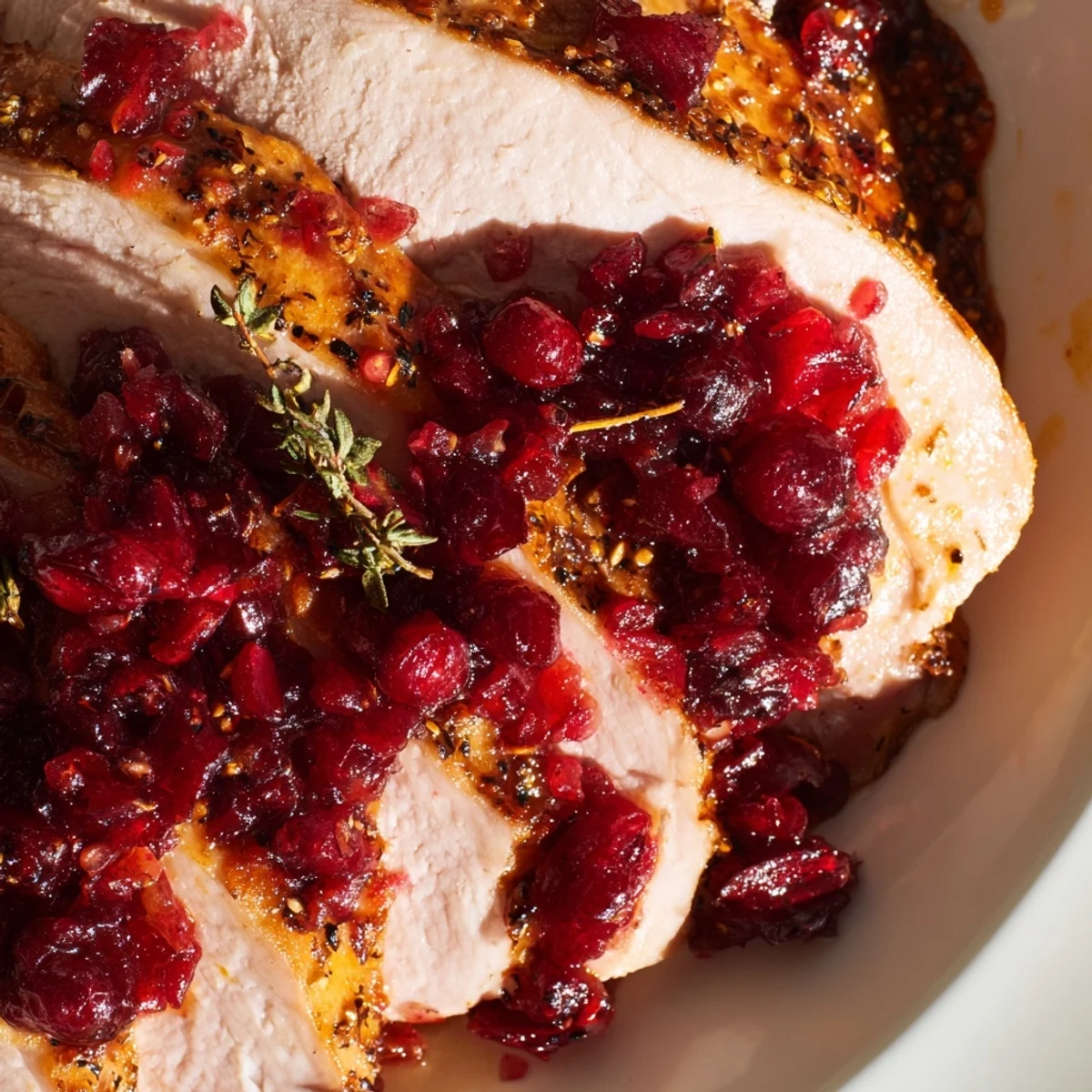
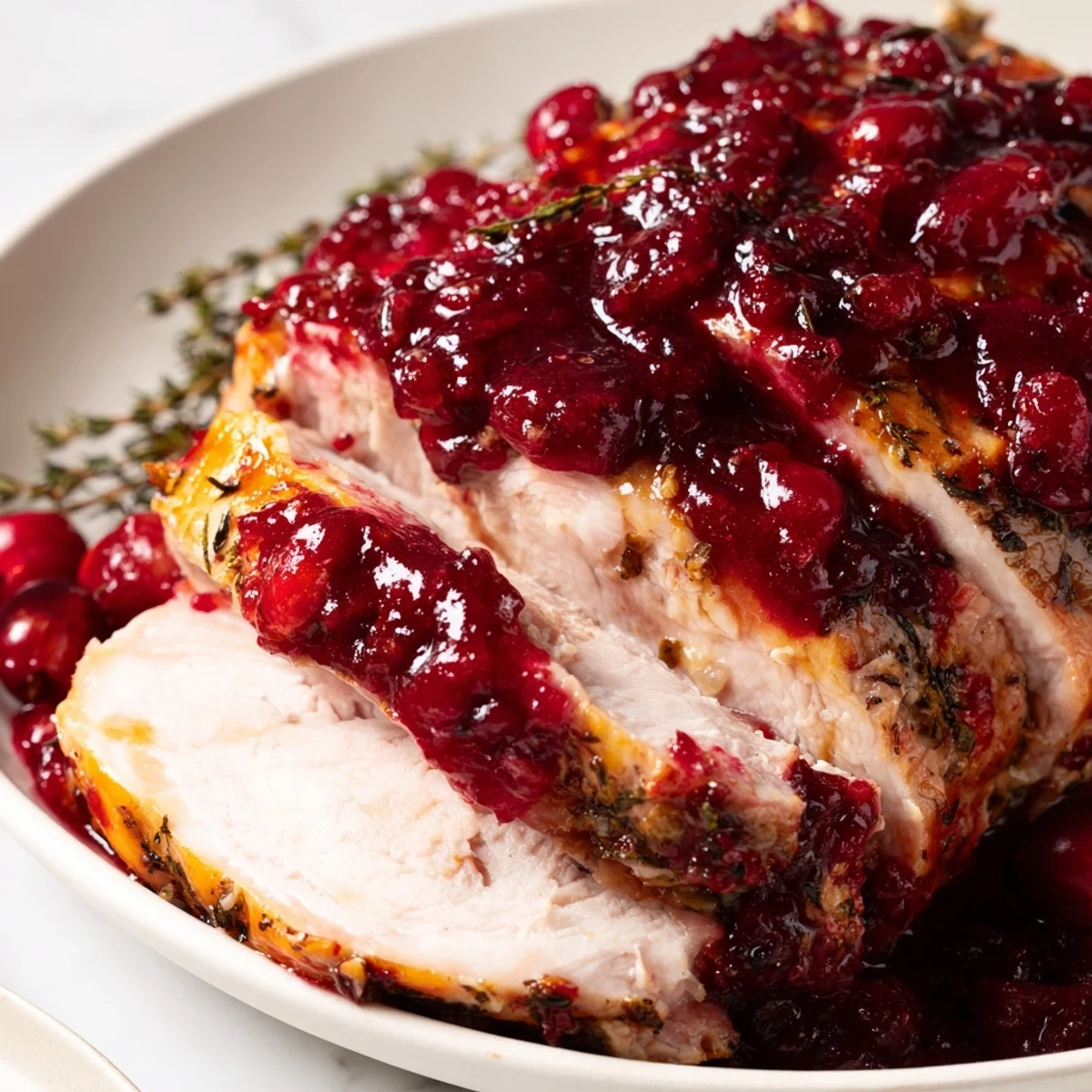
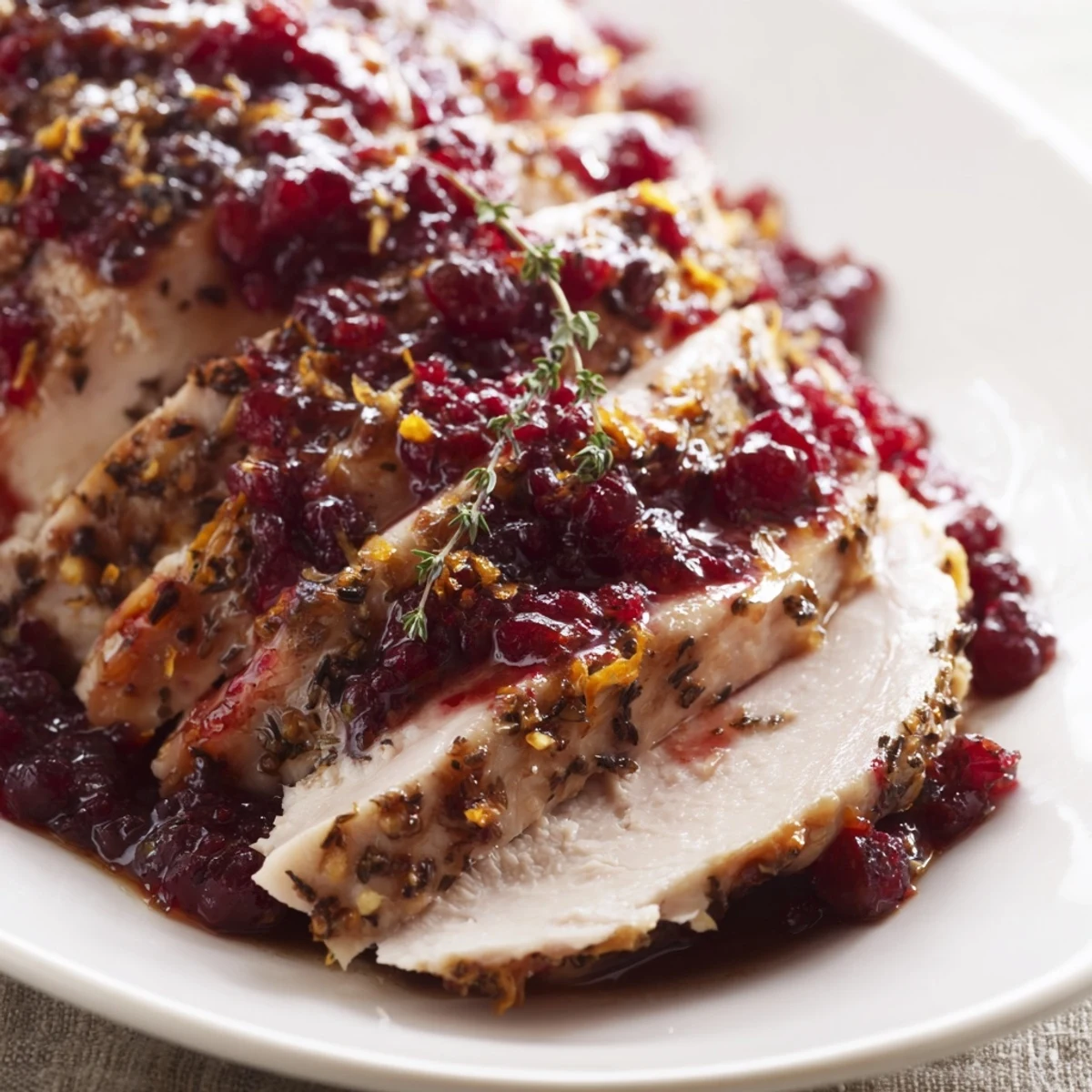
Save This dish features a tender turkey breast roasted to juicy perfection, brushed with a tangy-sweet cranberry glaze. The glaze combines fresh cranberries, orange juice, honey, balsamic vinegar, and warming spices for balanced flavor. The turkey is seasoned with thyme and garlic powder, roasted until the internal temperature reaches the ideal point for moistness. Served warm, it pairs wonderfully with roasted vegetables or mashed potatoes, making it ideal for festive occasions or comforting weeknight dinners.
My sister called me three days before Thanksgiving in a panic—she'd committed to bringing the main dish but suddenly worried her usual turkey recipe felt tired and predictable. I remembered this cranberry glaze I'd been meaning to try, one that promised to transform a simple turkey breast into something that tasted like autumn itself. The combination of tart cranberries and warm spices sounded exactly like what her dinner needed, so I talked her through it over the phone that evening. She made it, and by the time I arrived for the meal, the kitchen smelled like caramelized honey and citrus in a way that made everyone stop and breathe it in.
I watched my neighbor realize mid-dinner that she'd been eating the same sage-and-thyme turkey for twenty years, and something about that cranberry glaze made her fork freeze. She asked for the recipe right there at the table, before even taking another bite. That's when I knew this wasn't just a nice recipe—it was the kind of thing that makes people want to cook differently, to try something that feels both comforting and unexpectedly bold.
Ingredients
- Boneless, skinless turkey breast (3 to 4 lb): Buy it fresh if you can—it makes a noticeable difference in texture and flavor compared to frozen, and it'll roast more evenly without dry patches.
- Olive oil, salt, black pepper, dried thyme, and garlic powder: These aren't fussy—they're the foundation that lets the glaze shine without competing flavors getting in the way.
- Fresh or frozen cranberries: Either works beautifully; frozen ones actually burst more easily, so don't feel pressured to hunt for fresh.
- Orange juice: The acidity keeps the glaze from becoming cloying and adds brightness that makes your mouth come alive.
- Honey or maple syrup: Use whichever you have or prefer—maple brings earthiness, honey is lighter and more floral.
- Balsamic vinegar: Just two tablespoons anchors everything with a subtle sweetness and depth that feels almost mysterious.
- Dijon mustard, cinnamon, and cloves: These three are the secret—they whisper rather than shout, adding layers that make people wonder what they're tasting.
Instructions
- Heat your oven and prepare the turkey:
- Set your oven to 350°F and pat the turkey completely dry—moisture is the enemy of browning. The drier the surface, the more the seasonings will stick and the exterior will have that appealing color.
- Season generously:
- Rub that olive oil all over, then sprinkle salt, pepper, thyme, and garlic powder like you mean it. You want every surface seasoned, not just the top—flip it over and make sure the underside gets love too.
- Build the glaze:
- In a saucepan, combine your cranberries, orange juice, honey, balsamic vinegar, mustard, cinnamon, and cloves. Bring it to a simmer and listen for the cranberries to start popping—that sound means magic is happening.
- Cook the glaze until thickened:
- Stir occasionally and watch it transform from a loose mixture into something darker, richer, and more intensely flavored, usually about 10 minutes. Decide if you want it chunky (mash it lightly) or smooth (buzz it briefly)—both versions are equally delicious, just different moods.
- First glaze and first roast:
- Place the seasoned turkey in a roasting pan and brush half the glaze over it. Let it roast for 45 minutes without peeking too much—you want it to develop color undisturbed.
- Second glaze and finish roasting:
- Brush the remaining glaze over the turkey and return it to the oven for another 30 minutes. Use a meat thermometer to check—you're done when the thickest part reads 165°F, which guarantees it's safe but still juicy.
- Rest and serve:
- Let it sit for 10 minutes before slicing—this lets the juices redistribute so every bite stays tender. Serve with the reserved glaze spooned over or on the side for drizzling.
 Save
Save There's a moment during cooking when the glaze begins to bubble at the edges of the pan and the kitchen fills with this warm, spiced fragrance that feels like an embrace. That's when I realized this dish stopped being just dinner and became something people would remember—the kind of meal that marks a moment in time, where the taste takes you back.
Why This Glaze Works
Cranberries and turkey might seem like an obvious pairing, but it's the balance that matters—the tartness of the berries needs a sweetener to become glaze, but too much sweetness and it becomes syrup. That's where the orange juice, balsamic vinegar, and spices come in; they're working together to create something that tastes complex without requiring you to make three separate components. It's the kind of simplicity that feels effortless once you understand what each ingredient is doing.
Timing and Temperature Matter
A 3 to 4 pound boneless turkey breast roasts in about 75 minutes at 350°F, which is fast enough for a weeknight but impressive enough for company. The lower temperature means the outside doesn't overcook while the inside finishes, and it gives the glaze time to caramelize into something glossy and rich. I've tried higher heat and ended up with burnt edges and dry meat—stick with 350°F and trust the process.
Beyond the Holiday Table
Leftover turkey becomes something completely different when you've coated it in cranberry glaze—sandwiches suddenly feel like you're eating something intentional rather than just reheating leftovers. The glaze works as a spread, as a sauce warmed gently on the side, or even thinned with a splash of water and drizzled over salads or roasted vegetables. One extra thing: make extra glaze if you're having guests, because once people taste it, they'll ask if they can take some home.
- Store leftover glaze in the refrigerator for up to five days, or freeze it for up to three months.
- Reheat the sliced turkey gently in a low oven with extra glaze brushed on top—this keeps it moist and adds flavor.
- Cranberry glaze also works beautifully on roasted chicken, pork chops, or even as a topping for cream cheese and crackers at a party.
 Save
Save This is the kind of recipe that becomes part of your rotation once you make it, the one you reach for when you want something that tastes like you spent hours in the kitchen but actually doesn't demand much at all. It's proof that the best meals don't always come from complicated techniques—they come from understanding flavors, timing, and the courage to try something that feels just a little bit different from what you've done before.
Recipe FAQs
- → What temperature should the turkey breast be cooked to?
-
The turkey breast should be roasted until it reaches an internal temperature of 165°F (74°C) to ensure it is fully cooked and safe to eat.
- → Can I substitute ingredients in the cranberry glaze?
-
Yes, honey can be replaced with maple syrup for sweetness, and fresh or frozen cranberries both work well for the glaze.
- → How can I make the glaze smoother?
-
After cooking the glaze, use a blender or potato masher to achieve a smooth consistency, or leave it chunky for more texture.
- → What herbs complement the turkey breast seasoning?
-
Dried thyme and garlic powder are used here, but fresh rosemary or sage can be added for additional aroma and flavor.
- → Is the dish suitable for gluten-free and dairy-free diets?
-
Yes, all ingredients are naturally free from gluten and dairy, making this a suitable main dish for those dietary needs.