
 Save
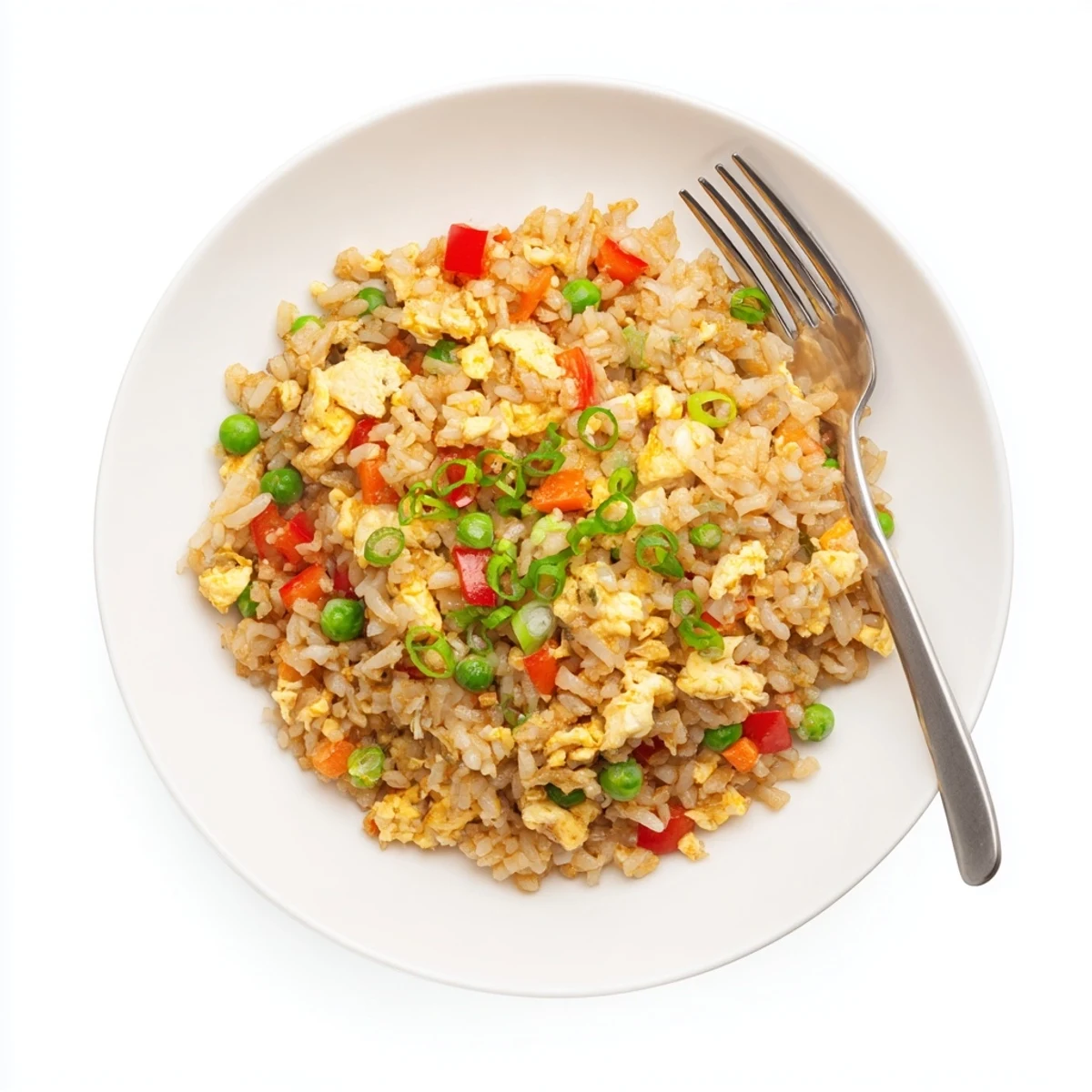
Save This classic Asian-inspired dish transforms fluffy jasmine rice into a delicious, aromatic meal. The combination of colorful vegetables, scrambled eggs, and umami-rich sauces creates a perfect balance of textures and flavors.
Ideal using chilled, day-old rice for the best texture, this versatile dish comes together in just 30 minutes. You can easily customize it with your favorite proteins like chicken, shrimp, or tofu, making it perfect for using up leftovers.
The high-heat stir-frying method gives each grain of rice that signature slightly crispy coating while keeping the interior tender. Finished with fragrant sesame oil and fresh green onions, it delivers restaurant-quality results right from your kitchen.
My tiny apartment kitchen had zero ventilation, but that didn't stop me from attempting restaurant-style fried rice at midnight. The smoke alarm went off twice, my roommate stumbled out rubbing her eyes, and we ended up eating standing up at the counter while fanning the air with magazines. That slightly burnt, perfectly seasoned first attempt became our regular tradition after late shifts.
Last winter my neighbor came over complaining about takeout fatigue, so I whipped up a double batch of this. She stood watching the wok, fascinated by how quickly everything came together, and immediately asked for the recipe before even taking her first bite. Now she makes it every Sunday for meal prep.
Ingredients
- 3 cups cooked jasmine rice: Day-old rice is crucial here because it dries out slightly, preventing that mushy texture that ruins homemade versions. I spread fresh-cooked rice on a baking sheet and freeze it for 20 minutes when I forget to plan ahead.
- 2 large eggs: These create those fluffy, golden curds that make restaurant fried rice so satisfying. Beat them thoroughly before hitting the hot wok for the best texture.
- 1 cup frozen peas and carrots: The frozen vegetables actually work better than fresh here because they hold their shape during high-heat cooking. Plus, they require zero prep work.
- 1/2 cup diced onion: White onion becomes sweet and fragrant when stir-fried, providing that aromatic base that makes your kitchen smell incredible.
- 1/2 cup chopped green onions: These add both color and a mild onion flavor that brightens up the rich, savory elements of the dish.
- 1 red bell pepper, diced: The sweetness and crunch from red bell pepper contrasts beautifully with the soft, seasoned rice throughout every bite.
- 3 tablespoons soy sauce: This provides the fundamental salty umami base. Low-sodium soy sauce gives you more control over the final seasoning level.
- 1 tablespoon oyster sauce: The secret ingredient that adds depth and a subtle sweetness you cannot quite place. Skip this for strict vegetarian versions.
- 1 teaspoon sesame oil: A tiny amount goes a long way, adding that distinctive nutty aroma that screams authentic Asian cuisine.
- 2 cloves garlic, minced: Fresh garlic, minced right before cooking, delivers an aromatic punch that powder can never replicate.
- 1 teaspoon fresh ginger, grated: Grating releases more of the gingery oils than chopping, and the small pieces distribute evenly throughout the rice.
- 2 tablespoons vegetable oil: A neutral oil with a high smoke point is essential for the high-heat cooking method required for perfect fried rice.
Instructions
- Prep everything before heating the wok:
- Stir-frying moves incredibly fast, so have your vegetables diced, eggs beaten, and sauces measured before you turn on the stove. This professional restaurant habit prevents that panicked moment when everything is burning and you cannot find the soy sauce.
- Scramble the eggs first:
- Heat 1 tablespoon oil in your wok or largest skillet over medium-high heat until it shimmers, then pour in the beaten eggs. Let them set for just a moment before scrambling, and remove while still slightly creamy since they will cook more later.
- Build the aromatic base:
- Add the remaining oil to the hot wok and toss in your onion, garlic, and ginger. Stir constantly for 1 to 2 minutes until the onion turns translucent and the garlic becomes fragrant, taking care not to burn it.
- Cook the vegetables:
- Add the bell pepper and frozen peas with carrots, stir-frying for 2 to 3 minutes. You want them tender-crisp rather than mushy, maintaining some bite for texture contrast in the final dish.
- Add the rice and crank up the heat:
- Increase to high heat, add the cold rice, and break up any clumps with your spatula. Let it sit undisturbed for 30 seconds occasionally to develop those crispy, toasty bits that make homemade fried rice extraordinary.
- Combine and season:
- Toss in the cooked eggs and any protein you are using, then pour the soy sauce, oyster sauce, sesame oil, and pepper over everything. Fold thoroughly to distribute the seasonings evenly and let everything heat through completely.
- Finish with green onions:
- Remove from heat, stir in the green onions, and taste immediately. Adjust with salt or additional soy sauce, then serve while piping hot with extra green onions scattered on top.
 Save
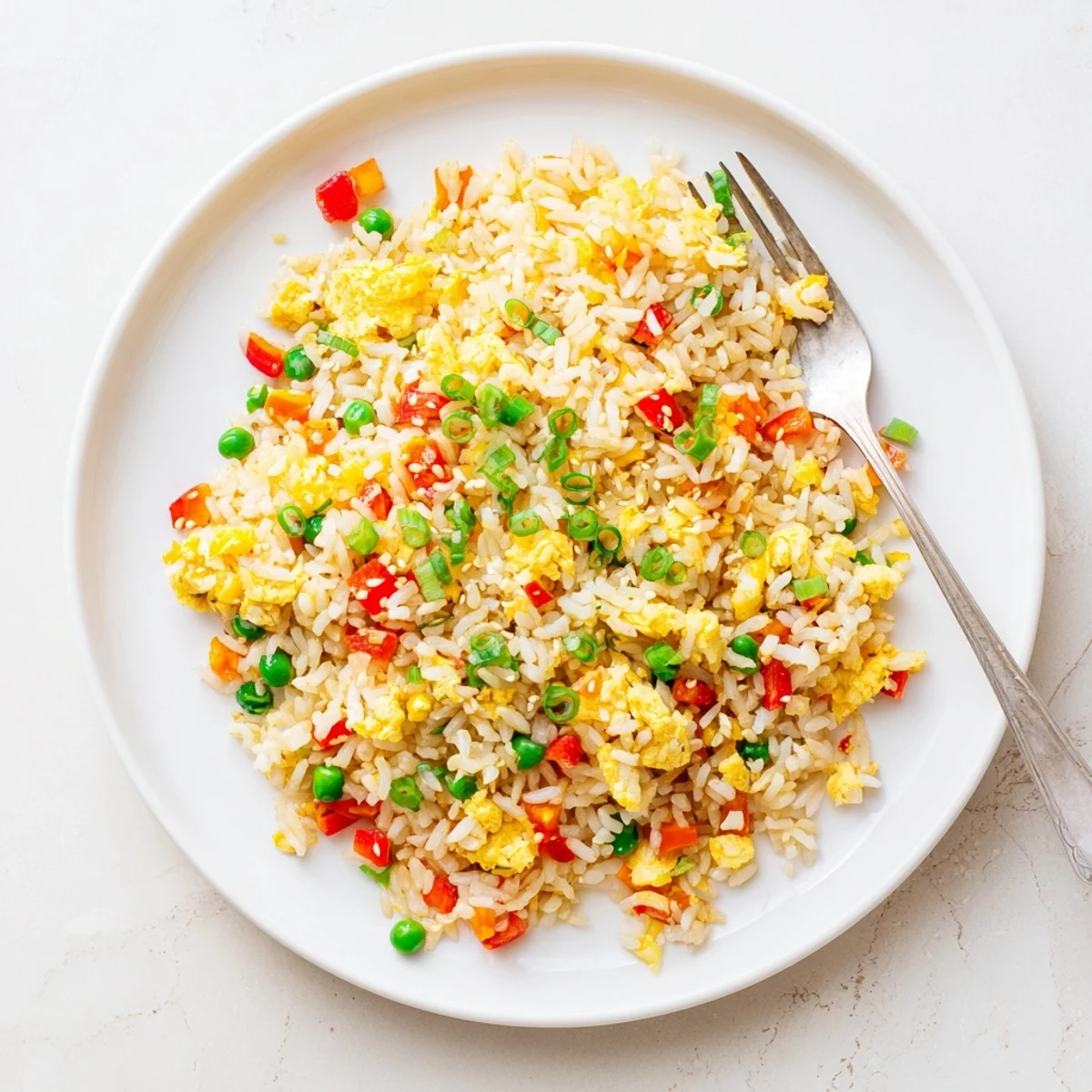
Save The first time my brother tried this version, he paused mid-bite and asked what restaurant I ordered from. Watching his face when I told him I made it myself was one of those rare kitchen victories that keep you experimenting. Now he requests it every time he visits.
Getting The Rice Right
I learned through many disappointing attempts that fresh rice turns into glue no matter how carefully you stir-fry. The solution that changed everything was spreading just-cooked rice on a baking sheet and freezing it for 20 minutes while I prep the other ingredients. This quick chill firms up the grains enough to mimic day-old rice perfectly.
Customization Ideas
My vegetarian sister adds cubed tofu and extra vegetables, while my brother insists on diced char siu pork in his version. The beauty of fried rice lies in its flexibility, allowing you to use whatever needs clearing from your refrigerator while still producing something completely delicious every single time.
Common Mistakes To Avoid
Adding all the sauce at once can oversaturate the rice, so pour in half first, toss, then add more gradually until it looks right. Using too much oil makes the dish heavy and greasy rather than light and fluffy, and under-seasoning results in bland rice that tastes like nothing special.
- Keep everything moving once the rice hits the wok
- Never cover the pan while cooking or you will steam the rice instead of frying it
- Season aggressively at the end since the rice absorbs flavor quickly
 Save
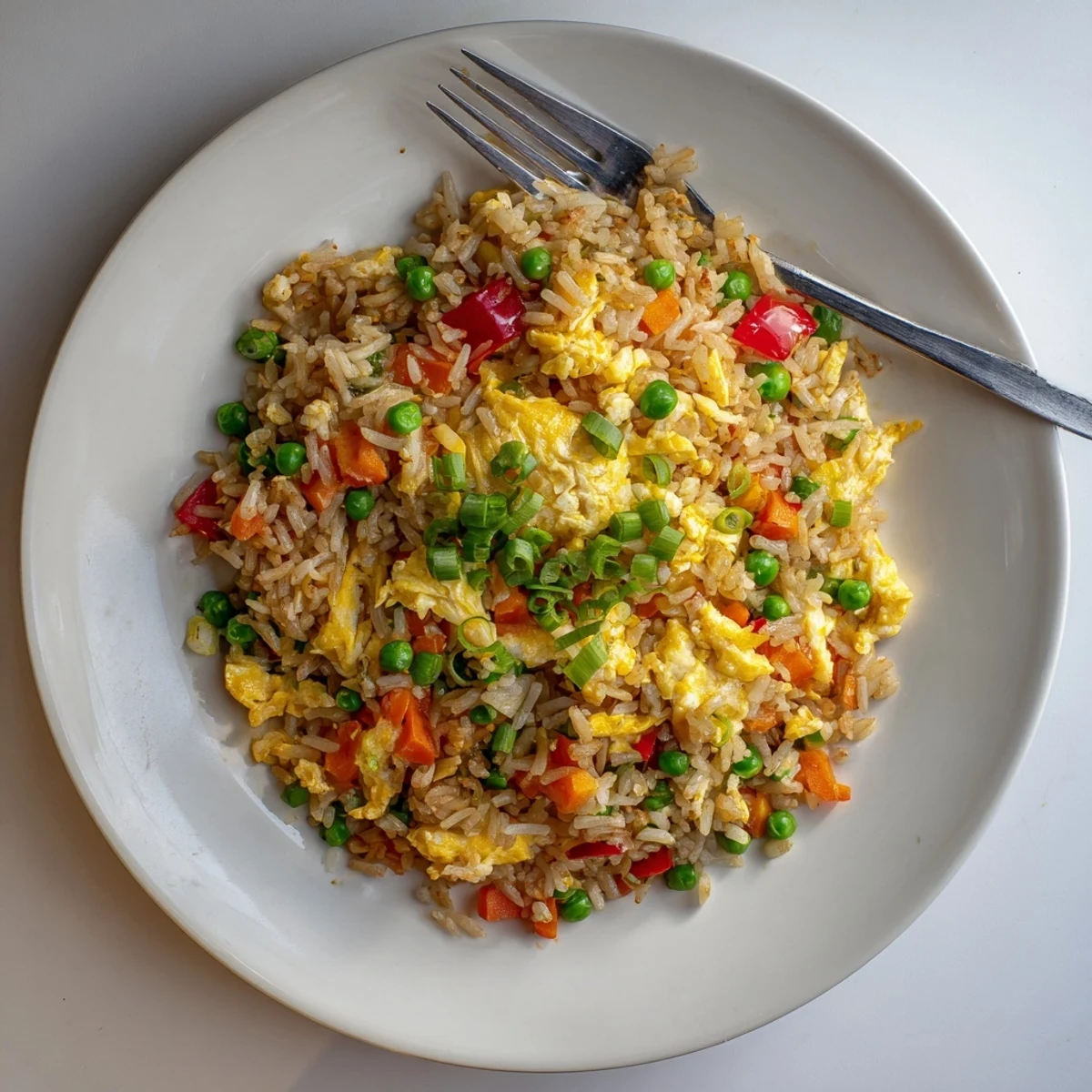
Save Serve this steaming hot in wide bowls, maybe with some extra chili oil on the side if you like heat. Every time I make this now, I remember that smoke-filled midnight in my tiny apartment and how sometimes the best meals come from the most imperfect beginnings.
Recipe FAQs
- → Why use day-old rice for frying?
-
Chilled, day-old rice has less moisture, which prevents it from becoming mushy during stir-frying. The grains separate easily and develop a better texture with slightly crispy edges.
- → Can I use fresh rice instead of leftover?
-
Yes! Spread freshly cooked rice on a baking sheet and refrigerate for 30-60 minutes until completely cooled. This helps dry the grains for better frying results.
- → What proteins work best in this dish?
-
Diced chicken, shrimp, tofu, or even ham work beautifully. Pre-cook your protein before adding it to the rice, or use leftover cooked meats for a quick weeknight meal.
- → How do I prevent the rice from sticking to the pan?
-
Use a well-seasoned wok or non-stick skillet with adequate oil. Keep the heat high and keep the rice moving constantly. Breaking up clumps with your spatula before adding helps too.
- → What vegetables can I add or substitute?
-
Feel free to add corn, broccoli florets, snap peas, mushrooms, or bean sprouts. Just adjust cooking times so softer vegetables don't overcook while harder ones get tender.
- → How can I make this gluten-free?
-
Use tamari or coconut aminos instead of soy sauce, and skip the oyster sauce or use a gluten-free alternative. The rest of the ingredients are naturally gluten-free.