
 Save
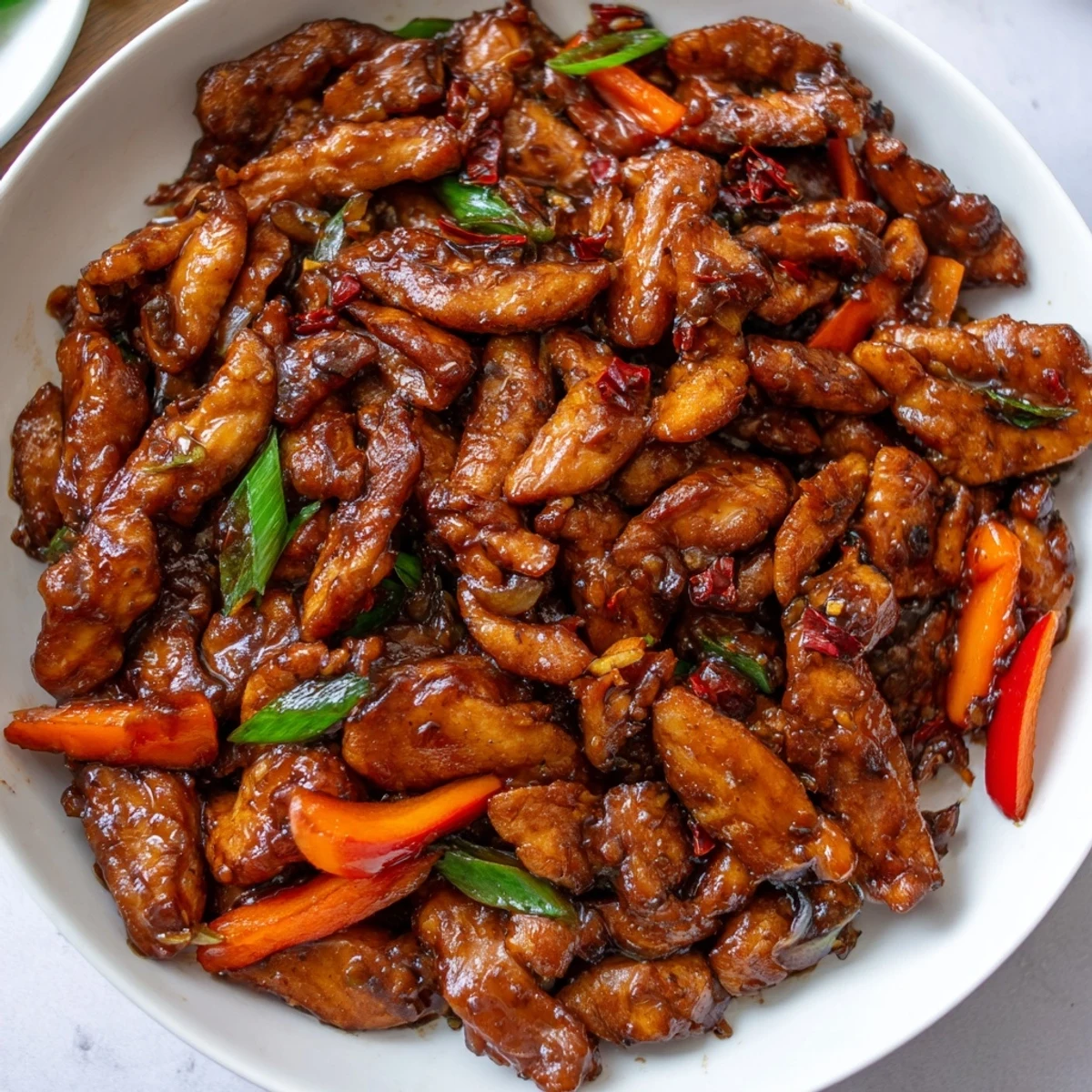
Save This Chinese garlic chicken stir fry features tender marinated chicken strips wok-tossed with six cloves of aromatic garlic, fresh ginger, crisp bell peppers, and julienned carrots in a rich savory sauce made from soy sauce, oyster sauce, and hoisin.
The chicken is first marinated in a blend of soy sauce, Shaoxing wine, cornstarch, and sesame oil to ensure maximum tenderness and flavor. Everything comes together in a hot wok in under 15 minutes, making it an ideal weeknight dinner.
Serve this dish hot over steamed jasmine rice for a complete, satisfying meal that serves four. The sauce thickens beautifully and coats every piece of chicken and vegetable evenly.
My wok lives on the back burner because honestly it gets more use than anything else in my kitchen, and this garlic chicken is the reason why. The sizzle of hitting hot oil with six cloves of chopped garlic is a sound that makes everyone in my house wander toward the stove asking when dinner is ready. I picked up the bones of this recipe from a tiny takeout spot near my old apartment where the cook tossed everything in a battered carbon steel wok with terrifying speed. Thirty minutes later you have something that tastes like you ordered it from that exact same spot.
I made this for my neighbor Gina once when she was going through a brutal week and could not face cooking. She sat at my kitchen counter eating straight from the wok with a pair of chopsticks and told me it was better than therapy, which might be the best review I have ever received for anything.
Ingredients
- Chicken (500 g boneless, skinless breast or thigh, cut into thin strips): Thigh meat stays juicier but breast works beautifully if that is what you have, just do not overcook it.
- Soy sauce for marinade (2 tablespoons): This begins seasoning the chicken from the inside out while the cornstarch locks moisture in.
- Shaoxing wine (1 tablespoon, or dry sherry): Adds a depth that nothing else quite replicates, and it is worth keeping a bottle in your pantry for dishes like this.
- Cornstarch for marinade (1 teaspoon): This is the secret to velveting, which is the technique that gives Chinese takeout chicken that impossibly smooth bite.
- Sesame oil (1 teaspoon): Just a touch in the marinade perfumes the whole dish without overpowering it.
- Red bell pepper (1, sliced): Brings color and a mild sweetness that balances the assertive garlic and sauce.
- Carrot (1 small, julienned): Thin strips cook quickly and add a gentle crunch that keeps every bite interesting.
- Spring onions (2, cut into 2 inch pieces): They soften slightly in the wok but retain enough structure to matter texturally.
- Garlic (6 large cloves, finely chopped): This is not the place to be shy with garlic, load it up because it is the heart and soul of the entire dish.
- Fresh ginger (1 tablespoon, minced): Ginger and garlic together form the aromatic backbone of almost every great Chinese stir fry.
- Light soy sauce for sauce (2 tablespoons): Light soy sauce seasons without darkening the dish too much, keeping the colors vibrant.
- Oyster sauce (1 tablespoon): Delivers a rich umami punch that rounds out every other flavor in the pan.
- Hoisin sauce (1 tablespoon): A little sweetness and body that helps the sauce cling to every strip of chicken and vegetable.
- Sugar (1 teaspoon): Just enough to balance the saltiness without making anything taste sweet.
- Chicken broth or water (60 ml): Thins the sauce so it coats rather than clumps, and broth adds another layer of flavor.
- Cornstarch for slurry (1 teaspoon): Dissolved in the liquid it creates that glossy glaze that makes you want to lick the plate.
- Vegetable or peanut oil (2 tablespoons): You need a neutral oil with a high smoke point here, save the olive oil for something else.
Instructions
- Tuck the chicken into its marinade bath:
- Toss the chicken strips with soy sauce, Shaoxing wine, cornstarch, and sesame oil in a bowl, mixing with your hands until every piece is evenly coated, then let it sit for ten minutes while you prep everything else.
- Whisk together your sauce:
- In a small bowl combine the light soy sauce, oyster sauce, hoisin, sugar, broth, and cornstarch, stirring until the cornstarch is fully dissolved with no lumps hiding at the bottom.
- Get the wok ripping hot:
- Heat one tablespoon of oil in your wok over high heat until it shimmers and just begins to smoke, then add the chicken in a single layer and let it sear without moving for thirty seconds before stir frying for two to three minutes until just cooked through.
- Build the aromatic base:
- Remove the chicken and add the remaining oil, tossing in the garlic and ginger for about thirty seconds until your kitchen smells absolutely incredible and you hear that sharp sizzle.
- Toss in the vegetables:
- Add the bell pepper, carrot, and spring onions, stir frying for two to three minutes until they soften slightly but still have a satisfying bite and bright color.
- Bring it all home:
- Return the chicken to the wok, pour in the sauce, and stir fry everything together for two to three minutes until the sauce thickens into a glossy glaze that coats every piece evenly.
 Save
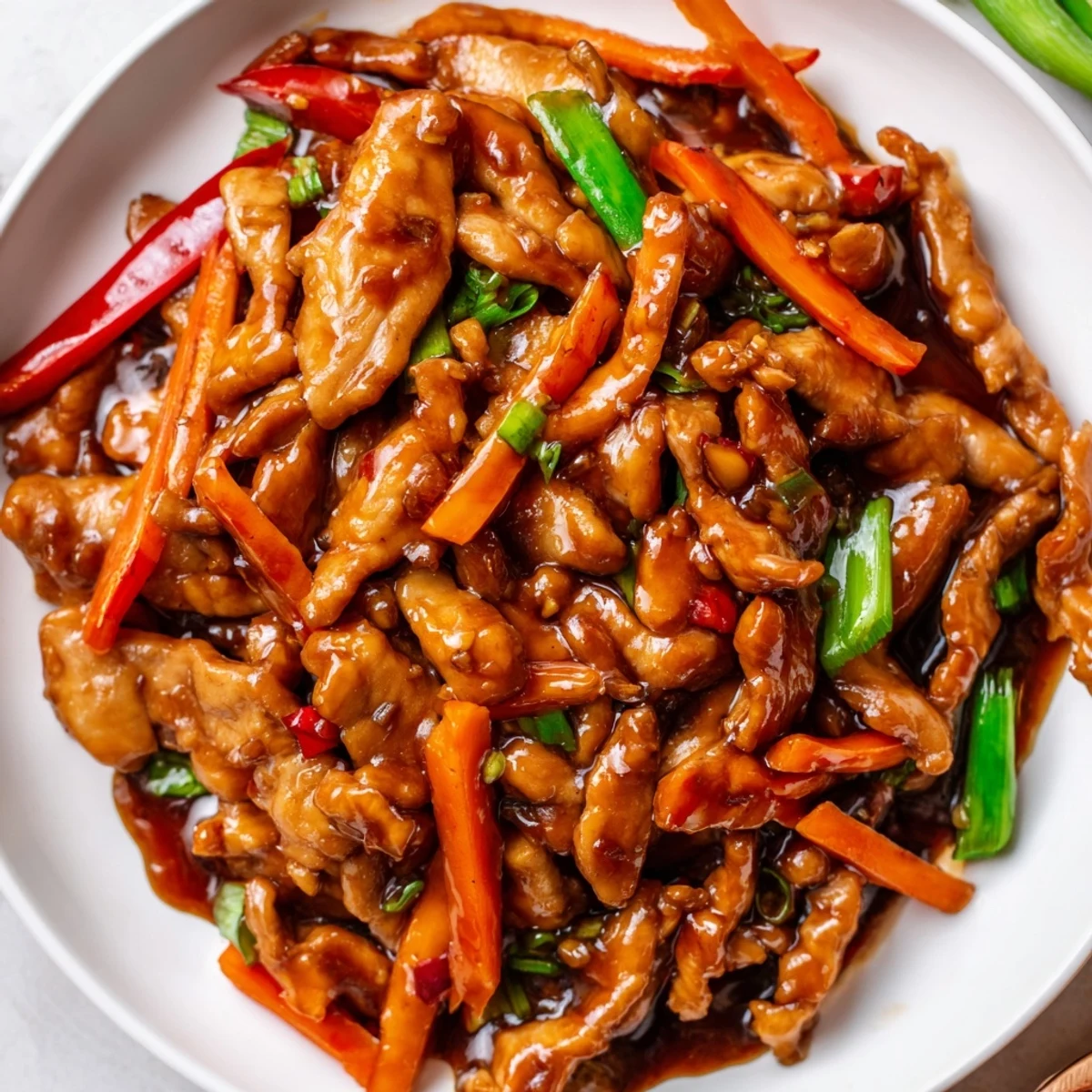
Save There is something deeply satisfying about sliding a perfectly sauced pile of garlicky chicken onto a bed of steamed rice and watching the sauce pool into the grains below. It is the kind of meal that makes a plain Wednesday feel like you treated yourself to something special without ever leaving your kitchen.
Getting That Restaurant Wok Char
The smoky edges you taste at good takeout spots come from a combination of screaming high heat and not overcrowding the pan. If your wok is small or your burner is not particularly powerful, cook the chicken in two batches rather than piling it all in at once. You lose some of that caramelized sear when the chicken steams in its own juices instead of frying against hot metal, and that sear is half the flavor.
Swapping Vegetables With the Seasons
This recipe forgives almost any vegetable substitution because the sauce is bold enough to handle it. Snap peas, broccoli florets, sliced zucchini, or handfuls of baby corn all work beautifully depending on what is in your crisper drawer. In summer I add a handful of basil leaves at the very end, and in winter a cup of shredded cabbage adds bulk and sweetness for almost no effort.
What to Serve Alongside
Steamed jasmine rice is the classic pairing and honestly all you need, though noodles work if you are feeling more ambitious. A cup of hot and sour soup turns this into a proper Chinese takeout spread at home. Keep a few cold drinks nearby because this dish comes together so fast you will barely have time to set the table before everyone is ready to eat.
- A dry Riesling or a cold jasmine tea both complement the garlicky richness without competing with it.
- Sliced red chili added with the garlic transforms this into something with a genuinely exciting kick if heat is your thing.
- Leftovers reheat beautifully in a hot skillet the next day, maybe even better than the first round.
 Save
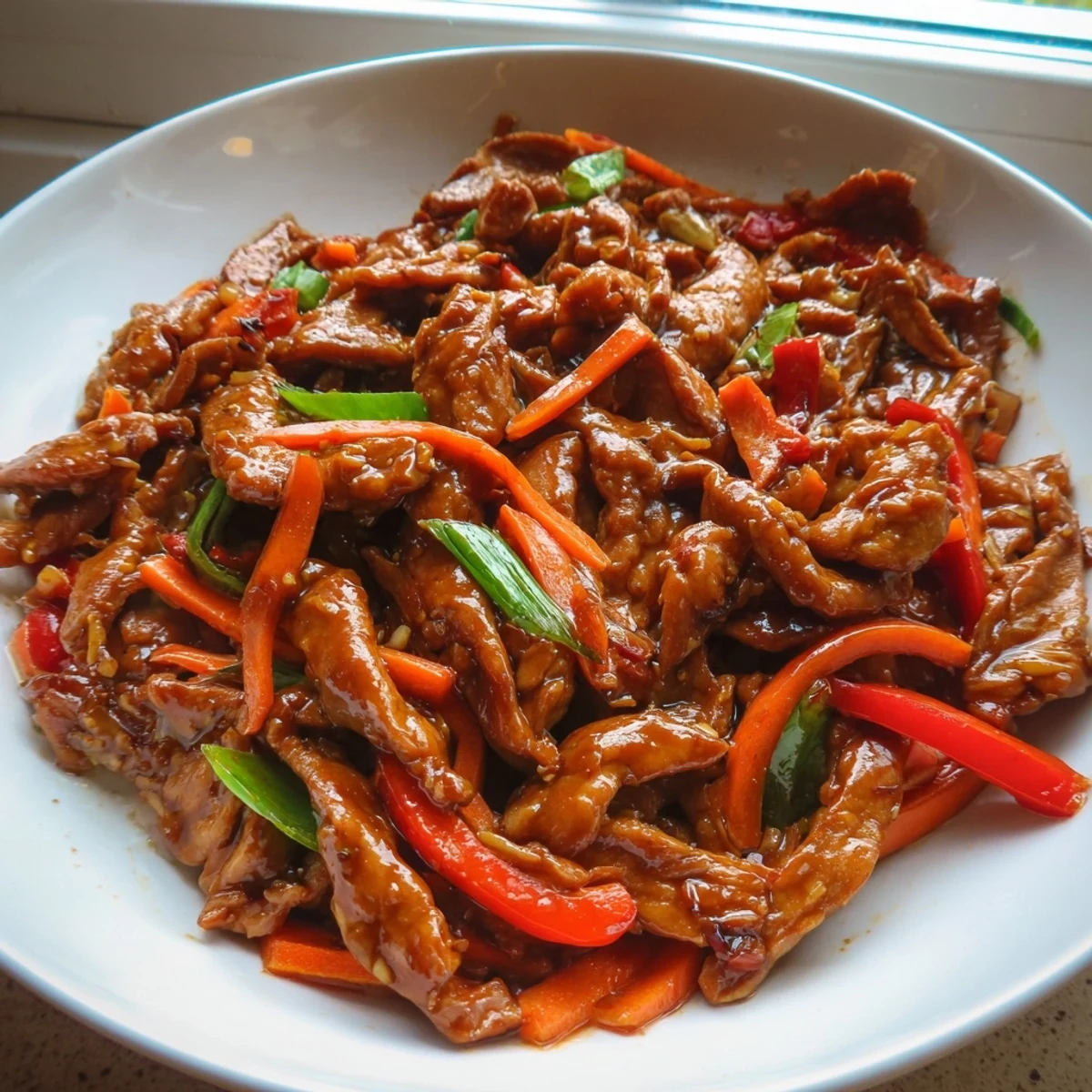
Save Keep this recipe in your back pocket for any night when you want something fast, bold, and deeply satisfying without reaching for a takeout menu. That battered wok of yours was made for exactly this kind of cooking.
Recipe FAQs
- → What cut of chicken works best for this stir fry?
-
Both boneless skinless chicken breast and chicken thigh work well. Chicken thigh tends to stay juicier and more tender during high-heat wok cooking, while breast is leaner. Slice the chicken into thin, even strips for quick and uniform cooking.
- → Can I substitute Shaoxing wine with something else?
-
Yes, dry sherry is the closest substitute for Shaoxing wine. You can also use mirin, sake, or even a splash of chicken broth with a pinch of sugar if you prefer to avoid alcohol entirely.
- → How do I get the best stir fry results at home?
-
Use a wok or large skillet and make sure it is very hot before adding oil. Cook in batches if needed to avoid crowding the pan. Have all ingredients prepped and sauces mixed before you start cooking, as stir frying moves quickly once you begin.
- → What vegetables can I swap in for variety?
-
Snap peas, broccoli florets, bok choy, mushrooms, zucchini, and baby corn all work beautifully. Cut vegetables into similar-sized pieces so they cook evenly. Adjust cooking time slightly depending on the hardness of your chosen vegetables.
- → How should I store and reheat leftovers?
-
Store leftovers in an airtight container in the refrigerator for up to three days. Reheat in a wok or skillet over medium-high heat until warmed through. Add a splash of water or broth if the sauce has thickened too much during storage.
- → Is this dish gluten-free?
-
The standard version contains wheat through regular soy sauce and oyster sauce. To make it gluten-free, use tamari or coconut aminos instead of soy sauce, and choose a gluten-free oyster sauce. Check labels on hoisin sauce as well.