
 Save
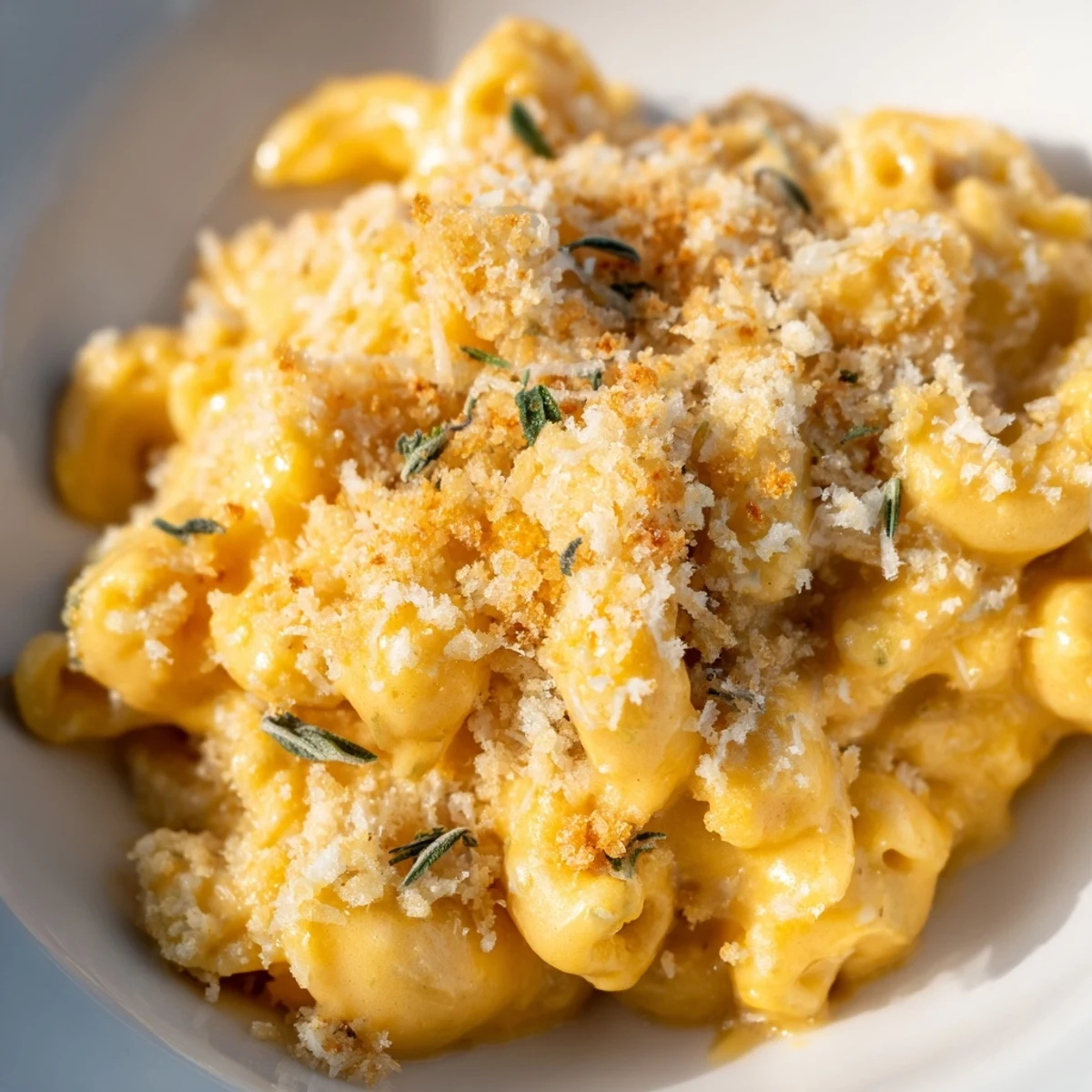
Save This dish combines tender elbow macaroni with a creamy sauce made from roasted butternut squash, sharp cheddar, and Gruyère cheese. The sauce is enriched with sautéed onion, garlic, and fresh sage to build deep, savory layers of flavor. Roasting the squash adds caramelized sweetness that balances the nutmeg and cheese blend. Optional panko and Parmesan topping provide a golden, crunchy finish. Perfect for chilly days, this comforting, vegetarian main dish comes together easily with simple ingredients.
A few years back, I was standing in my kitchen on a chilly October afternoon, staring at half a butternut squash I'd bought for soup but never got around to making. My friend was coming over for dinner, and I had elbow macaroni and a hunk of sharp cheddar in the pantry, so I thought: why not blend them together? The first spoonful was revelatory—creamy, sweet, and warm in a way that felt like autumn had moved into a bowl. I've been making it ever since.
The best moment I remember is serving this to my partner on one of those grey, rainy evenings when we both felt run down. He took a bite and just sat there quietly for a moment, then asked for seconds before finishing the first bowl. That's when I realized comfort food isn't really about nostalgia—it's about showing someone you care through something warm and thoughtfully made.
Ingredients
- Elbow macaroni: The classic shape holds sauce beautifully, and 340 g is the right amount to stay creamy rather than getting starchy and thick.
- Butternut squash: At 450 g, you get enough sweetness and body without overwhelming the cheese, and dicing it smaller means it roasts faster and purees more smoothly.
- Olive oil, salt, and pepper: These three let the squash caramelize properly and develop real flavor rather than steam in its own juices.
- Unsalted butter: Two tablespoons is your roux base, and unsalted lets you control the salt level precisely so the sauce tastes bright instead of flat.
- Onion and garlic: One small onion chopped fine and two cloves of garlic minced create the aromatic backbone that makes people ask what you put in here.
- Fresh sage: One tablespoon finely chopped is the secret that ties everything to autumn; it's earthy and slightly peppery in a way dried sage never quite captures.
- All-purpose flour: Two tablespoons thickens the sauce into something silky without becoming pasty if you whisk it correctly.
- Whole milk and vegetable broth: Together, 500 ml of milk and 120 ml of broth create a sauce that's rich but doesn't feel heavy, and the broth adds subtle depth.
- Sharp cheddar and Gruyère: 150 g of sharp cheddar brings color and bite, while 75 g of Gruyère adds a nuttiness that makes the whole thing taste more refined than ordinary mac and cheese.
- Ground nutmeg: Just 1/2 teaspoon, and it's almost invisible until you taste it—that's the point, because it whispers autumn into every bite.
- Panko, butter, and Parmesan for topping: Optional but worth the two minutes to sprinkle and broil if you want a golden, crunchy contrast to the creamy pasta underneath.
Instructions
- Heat your oven and prep your squash:
- Set the oven to 200°C (400°F) and line a baking sheet with parchment paper. Toss your diced butternut squash with olive oil, salt, and pepper until every piece glistens, then spread it out in a single layer so it roasts instead of steams.
- Roast until caramelized:
- Let it sit in the oven for 20–25 minutes, checking halfway through. You'll know it's ready when the edges are golden and when you pierce a piece with a fork it collapses softly. This is where the sweetness develops, so don't rush it.
- Cook your pasta:
- While the squash roasts, bring a large pot of salted water to a boil and cook the macaroni to al dente according to package directions. You want it tender but still with a slight bite because it'll soften again when you mix it with the warm sauce.
- Build your sauce base:
- In a large saucepan over medium heat, melt the butter and add your finely chopped onion. Sauté for 3–4 minutes until it's soft and translucent, then add the minced garlic and sage. Cook for just 1 minute more so the sage releases its oils but doesn't brown.
- Make your roux:
- Sprinkle the flour over the butter and vegetables, stirring constantly for 1–2 minutes. This cooks out the raw flour taste and creates the base that will thicken your sauce without lumps.
- Whisk in the liquid:
- Slowly pour in the milk and vegetable broth, whisking as you go so no lumps form. Bring it to a gentle simmer and keep stirring for 3–4 minutes until it thickens enough to coat the back of a spoon.
- Blend in the roasted squash:
- Add your roasted squash pieces to the sauce and use an immersion blender to puree until completely smooth and creamy. If you don't have an immersion blender, carefully pour the mixture into a regular blender in batches, then return it to the pan.
- Melt in your cheese:
- Reduce the heat to low and stir in the shredded cheddar, Gruyère, and nutmeg. Keep stirring until the cheese has melted completely and disappeared into the sauce, then taste and season with salt and pepper.
- Combine pasta and sauce:
- Gently fold your cooked, drained pasta into the creamy squash sauce, stirring just enough to coat every piece without breaking the pasta.
- Optional broiler finish:
- If you want a crispy top, transfer the mac and cheese to a greased baking dish. Mix the panko breadcrumbs with melted butter and grated Parmesan, then sprinkle evenly over the top. Broil for 2–3 minutes until golden brown, watching closely so it doesn't burn.
- Garnish and serve:
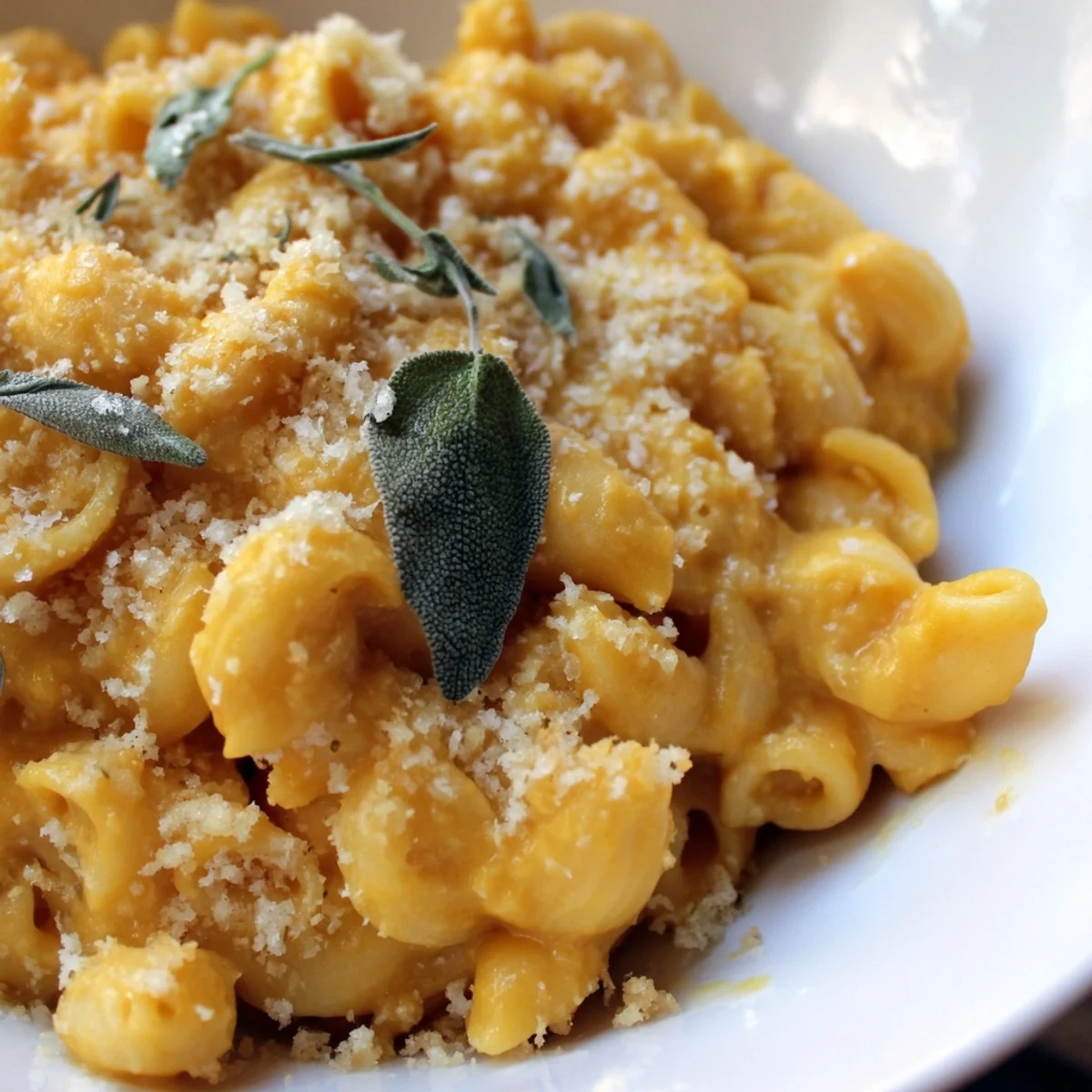
- Scatter extra fresh sage over the top and serve immediately while it's steaming hot.
 Save
Save I learned the hard way that patience while roasting the squash makes all the difference. I once tried rushing it to golden, but undercooked pieces were grainy when blended, and the whole sauce felt thin and rushed. Now I make sure it's truly soft, and the sauce becomes something people linger over.
Why Sage Matters
Sage is the ingredient that elevates this from regular mac and cheese into something that tastes thoughtfully autumnal. It's herbaceous and slightly peppery, and when it hits the warm butter early in the cooking process, it releases an almost nutty aroma that fills your whole kitchen. Fresh sage is non-negotiable here; dried sage tastes dusty and flat by comparison, and it doesn't wake up the way fresh does when it meets heat.
Making It Your Own
This recipe is a foundation, not a rule. I've served it alongside roasted mushrooms on the side, and I've had friends stir in sautéed spinach right after adding the pasta. One time I added a handful of toasted breadcrumbs to the actual sauce instead of just the top, and it gave everything a subtle texture that was wonderful. The key is not overcrowding the pan; the sauce should coat the pasta, not drown it.
Serving and Storage
Serve this immediately while it's creamy and steaming—it's at its best right out of the pan. Leftovers keep in the refrigerator for about three days, though the sauce will thicken considerably as it cools. To reheat, add a splash of milk and warm gently over low heat, stirring often so it doesn't scorch on the bottom. It pairs beautifully with a crisp white wine like Chardonnay, or simply with a simple green salad dressed with lemon and olive oil to cut through the richness.
- Store leftovers in an airtight container and add a thin layer of milk on top before reheating to keep the sauce from drying out.
- If you're making this for a potluck or dinner party, assemble it in the baking dish ahead of time and broil the topping right before you leave or right when you arrive.
- You can swap sweet potato for butternut squash if that's what you have, though it will be slightly less sweet and more earthy in flavor.
 Save
Save This dish has become my quiet answer to those days when everything feels a little grey. There's something about stirring a warm, creamy sauce and watching roasted squash disappear into it that feels like making peace with the season. Every time I serve it, someone asks for the recipe.
Recipe FAQs
- → How do you roast the butternut squash properly?
-
Toss diced butternut squash with olive oil, salt, and pepper, then roast at 200°C (400°F) for 20-25 minutes until caramelized and tender.
- → Can I use different pasta types for this dish?
-
Yes, elbow macaroni or short pasta work best, but any small pasta shape will hold the sauce well.
- → What cheeses enhance the flavor here?
-
A sharp cheddar provides boldness while Gruyère adds a subtle nuttiness; both melt smoothly for a creamy sauce.
- → Is there a way to make this dish gluten-free?
-
Use gluten-free pasta and substitute all-purpose flour with a gluten-free alternative to maintain the creamy texture.
- → What is the purpose of sage in the sauce?
-
Fresh sage adds an earthy, aromatic note that complements the sweetness of roasted squash and richness of the cheese sauce.
- → How do you achieve a crunchy topping?
-
Mix panko breadcrumbs with melted butter and Parmesan cheese, then broil atop the dish for 2-3 minutes until golden and crisp.