 Save
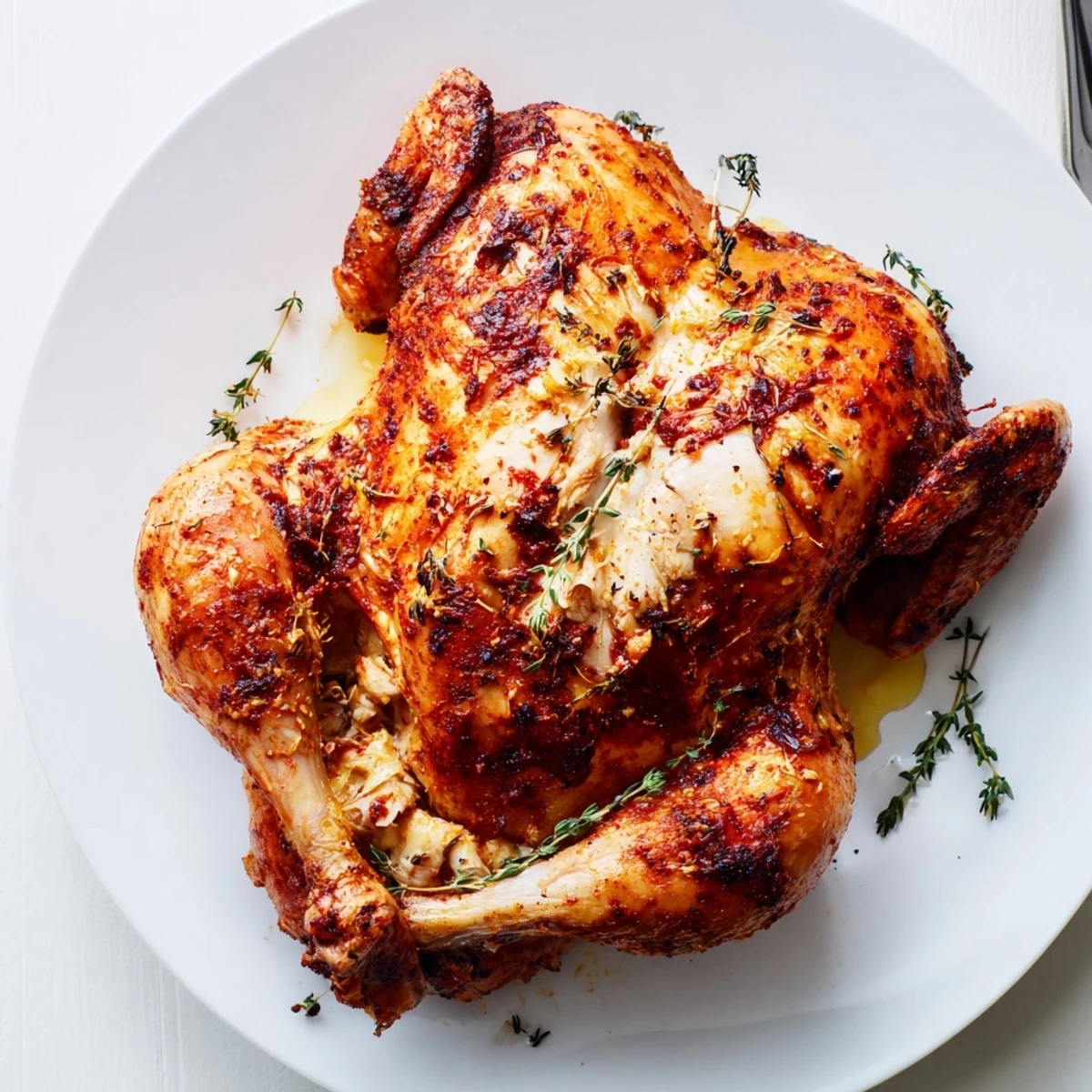
Save This buttermilk marination tenderizes the bird and infuses garlic, paprika, thyme and lemon for bright, savory notes. Marinate at least 8 hours or overnight, then spatchcock or cut into pieces so heat reaches evenly. Roast at 425°F (220°C) on a rack until skin is deep golden and internal temperature reaches 165°F (74°C). Rest 10 minutes before carving to retain juices and achieve crisp skin.
The sizzle of chicken hitting a hot pan on a Sunday afternoon is one of those sounds that instantly makes a kitchen feel alive, and buttermilk roasted chicken has been my go-to for recreating that feeling with almost no effort. The tang of buttermilk does something almost magical to poultry, breaking down the fibers until every bite practically melts. I stumbled onto this method during a summer when my air conditioner was broken and roasting felt like the only sane cooking option. That bird came out so golden and juicy that I have never looked back.
I made this for my neighbor Elena after she had her second baby, and she stood in her doorway eating it straight off the cutting board with her bare hands because she could not wait for plates. There is no higher compliment than someone abandoning table manners for your chicken.
Ingredients
- 1 whole chicken (about 3 and a half to 4 lbs), backbone removed and flattened or cut into 8 pieces: Spatchcocking helps it cook evenly and exposes more surface area for that gorgeous skin.
- 2 cups buttermilk: This is the star, and its acidity tenderizes the meat while adding a subtle tang that nothing else can replicate.
- 2 tbsp olive oil plus 1 tbsp for brushing: Helps the marinade coat evenly and ensures the skin crisps rather than steams.
- 4 garlic cloves, minced: Fresh garlic infuses the buttermilk with a warm, savory depth.
- 1 tbsp kosher salt: Do not skimp here, as the salt is critical for flavor penetration during the long marinade.
- 2 tsp black pepper: Freshly cracked makes a noticeable difference.
- 1 tbsp paprika (sweet or smoked): Smoked paprika adds a campfire note that pairs beautifully with the tangy buttermilk.
- 2 tsp dried thyme: An earthy counterpoint that keeps the brightness of the lemon in balance.
- Zest of 1 lemon and 1 tbsp lemon juice: The zest perfumes the marinade while the juice adds just enough acid to complement the buttermilk.
- Fresh herbs for garnish (optional): A scattering of parsley or thyme at the end makes it look like you tried harder than you did.
Instructions
- Build the Marinade:
- Whisk the buttermilk, olive oil, garlic, salt, pepper, paprika, thyme, lemon zest, and lemon juice in a large bowl until everything is smoothly combined. It should smell bright and slightly pungent, like a promise of good things ahead.
- Coat and Soak:
- Tuck the chicken into a large zip top bag or a non reactive container and pour the marinade over every surface. Massage it through the bag so nothing is left dry, then stash it in the fridge for at least eight hours or ideally overnight.
- Prep for the Oven:
- Pull the chicken from the marinade and let the excess drip off, discarding whatever remains. Set it on a rack over a rimmed baking sheet, pat it gently with paper towels, and brush with the remaining tablespoon of olive oil so the skin has every advantage.
- Roast to Golden Perfection:
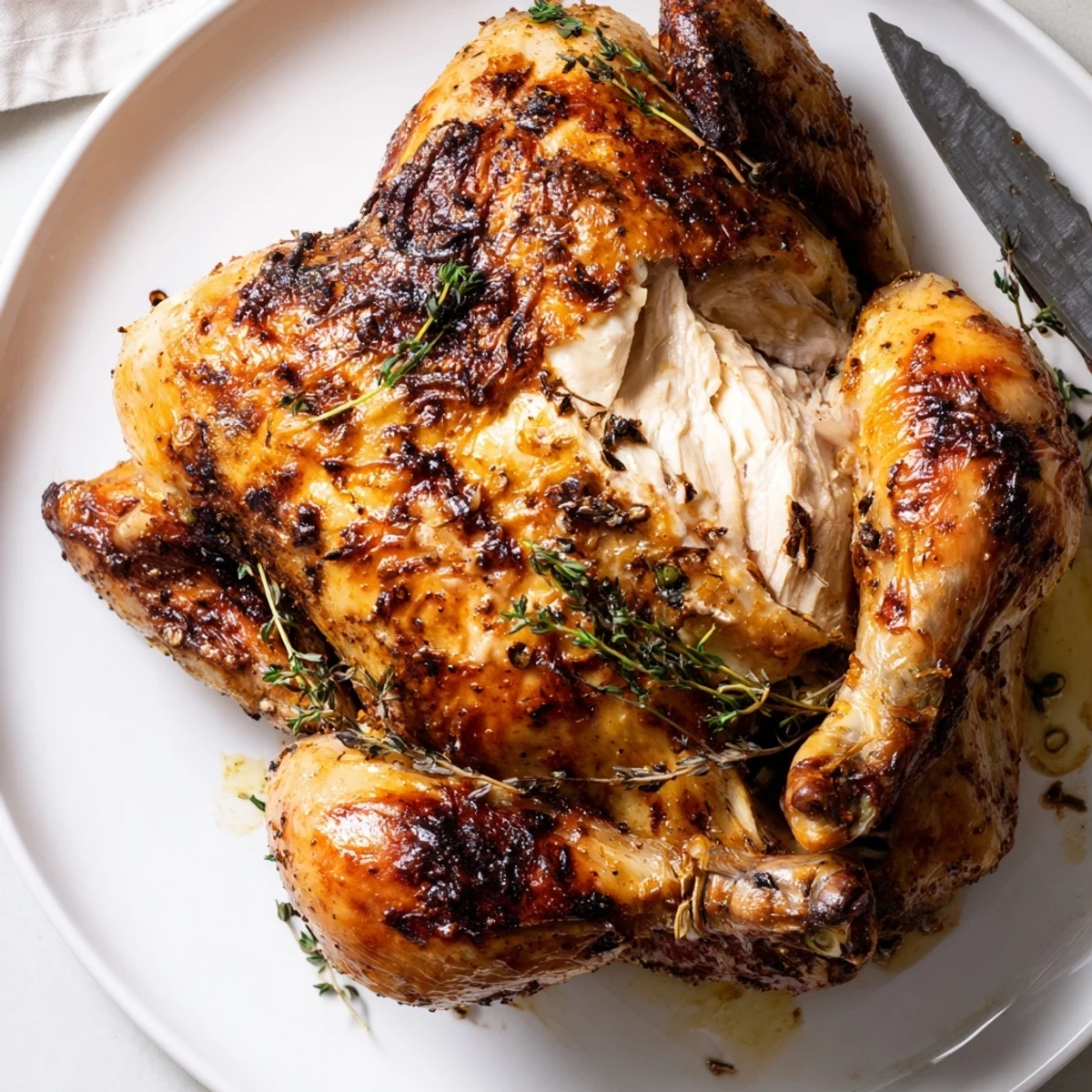
- Slide it into a 425 degree oven and roast for forty five to sixty minutes until the skin is deeply bronzed and a meat thermometer reads 165 degrees in the thickest part. Your kitchen will smell unbelievable around the thirty minute mark.
- Rest and Serve:
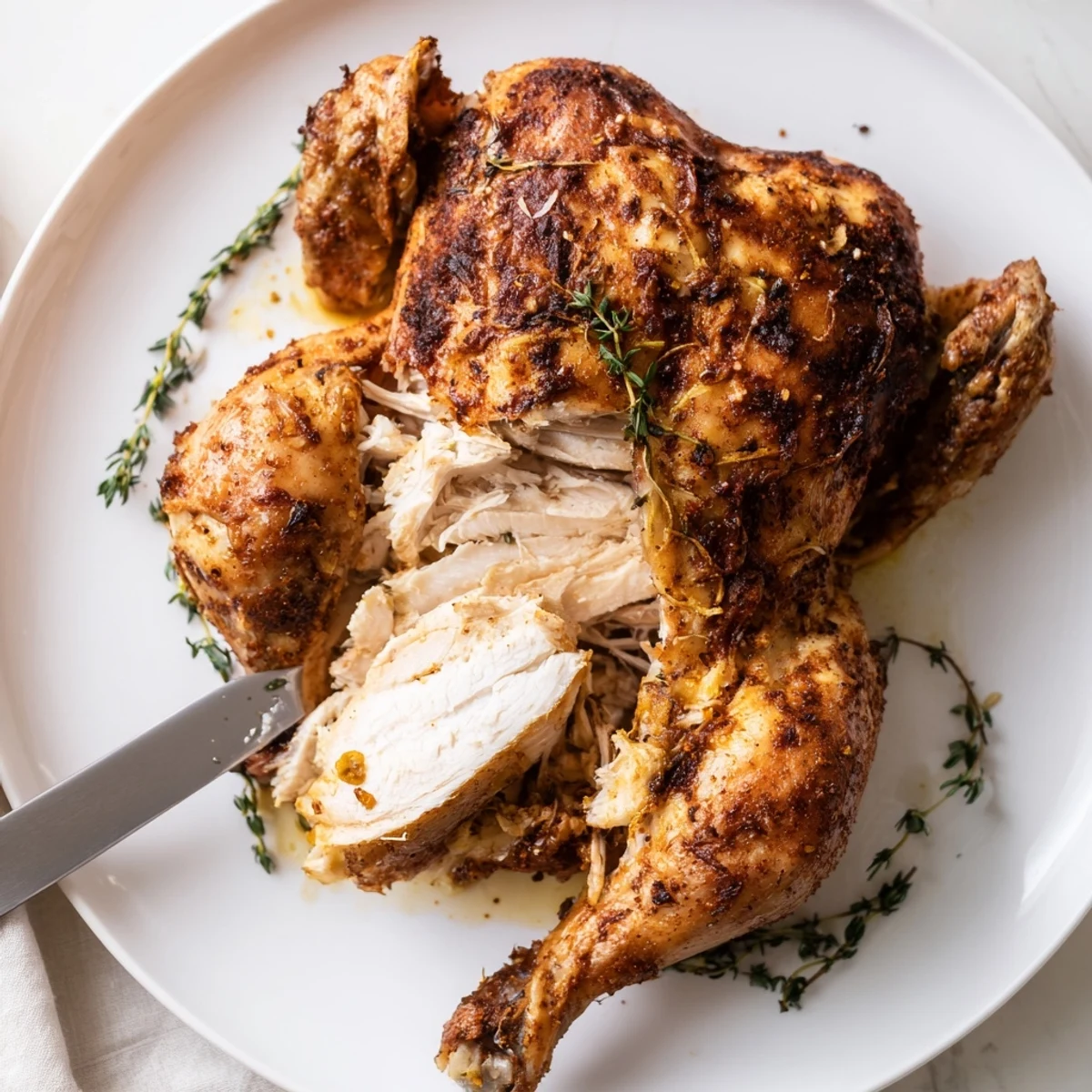
- Let the chicken rest for ten minutes before carving so the juices redistribute instead of running out onto the board. Scatter with fresh herbs if you feel like it and serve warm.
 Save
Save One rainy November evening I roasted this while my daughter did homework at the kitchen table, and she looked up and said the house smelled like a holiday before I even pulled it from the oven. That is the thing about buttermilk roasted chicken, it turns an ordinary weeknight into something that feels intentionally special.
Serving Ideas That Actually Work
This chicken loves roasted root vegetables more than anything else, especially carrots and potatoes that can cook on the same sheet pan and soak up the drippings. A simple arugula salad with lemon vinaigrette cuts through the richness perfectly, and a cold glass of Sauvignon Blanc turns dinner into something close to a celebration.
What If You Do Not Have Buttermilk
Stir two tablespoons of lemon juice or white vinegar into two cups of regular milk and let it sit for ten minutes until it curdles slightly. It works surprisingly well and has saved me more than one grocery store trip.
Storing and Reheating Leftovers
Leftover chicken keeps beautifully in the fridge for up to three days, and the meat actually stays moist enough to enjoy cold on a sandwich the next day. Reheat gently in a low oven rather than the microwave so the skin does not turn rubbery.
- Shred any remaining meat and toss it into biscuits with honey butter for an unforgettable next day lunch.
- Save the bones for stock because the buttermilk flavor creates an especially rich base.
- Always check seasoning labels on your buttermilk if gluten is a concern for you.
 Save
Save This is the kind of recipe that earns a permanent spot in your rotation because it works hard while you sleep. Make it once and you will find yourself always keeping buttermilk in the fridge, just in case.
Recipe FAQs
- → How long should the chicken marinate?
-
Marinate for a minimum of 8 hours and preferably overnight. Extended marination helps buttermilk break down proteins for more tender, flavorful meat; avoid beyond 24 hours to prevent texture changes.
- → Can I substitute the buttermilk?
-
Yes: combine 2 cups milk with 2 tablespoons lemon juice or white vinegar, let sit 5–10 minutes until slightly thickened. This mimics the acidity and tenderizing effect of buttermilk.
- → How do I ensure crisp, golden skin?
-
Pat the chicken dry before roasting, use a rack so air circulates, brush lightly with olive oil, and roast at high heat (425°F/220°C). Spatchcocking increases surface exposure for even browning.
- → How can I check doneness safely?
-
Use a meat thermometer in the thickest part of the thigh without touching bone; look for 165°F (74°C). Juices should run clear. Let the bird rest 10 minutes to redistribute juices.
- → Can I roast pieces instead of a whole spatchcocked chicken?
-
Yes. Bone-in pieces roast faster and may need 35–50 minutes depending on size; keep the same marinade and roast temperature, and check individual pieces for 165°F (74°C).
- → Are there simple flavor variations to try?
-
Add chili flakes for heat, swap thyme for rosemary, or include smoked paprika for depth. Finish with fresh herbs and lemon zest to brighten the finished bird.