
 Save
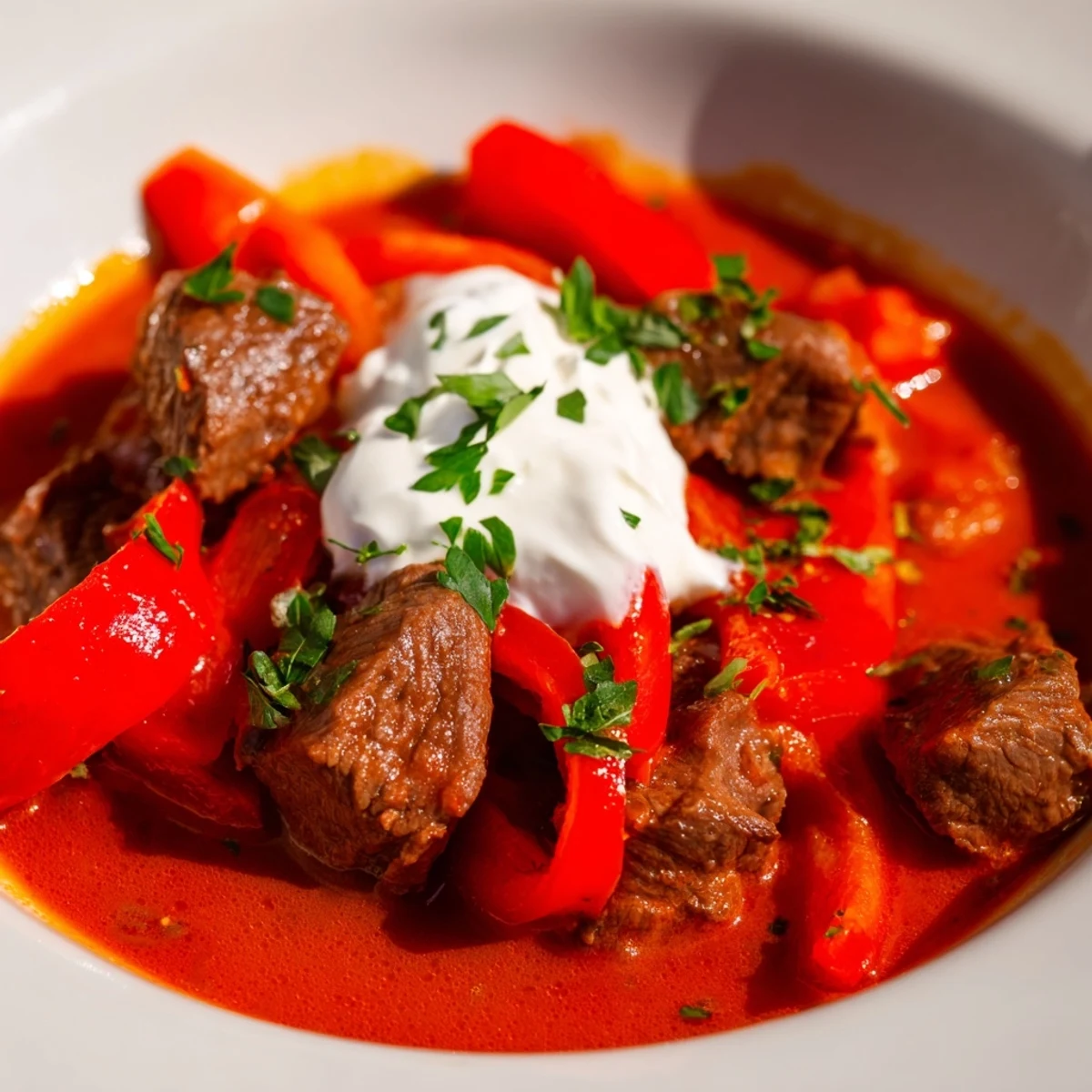
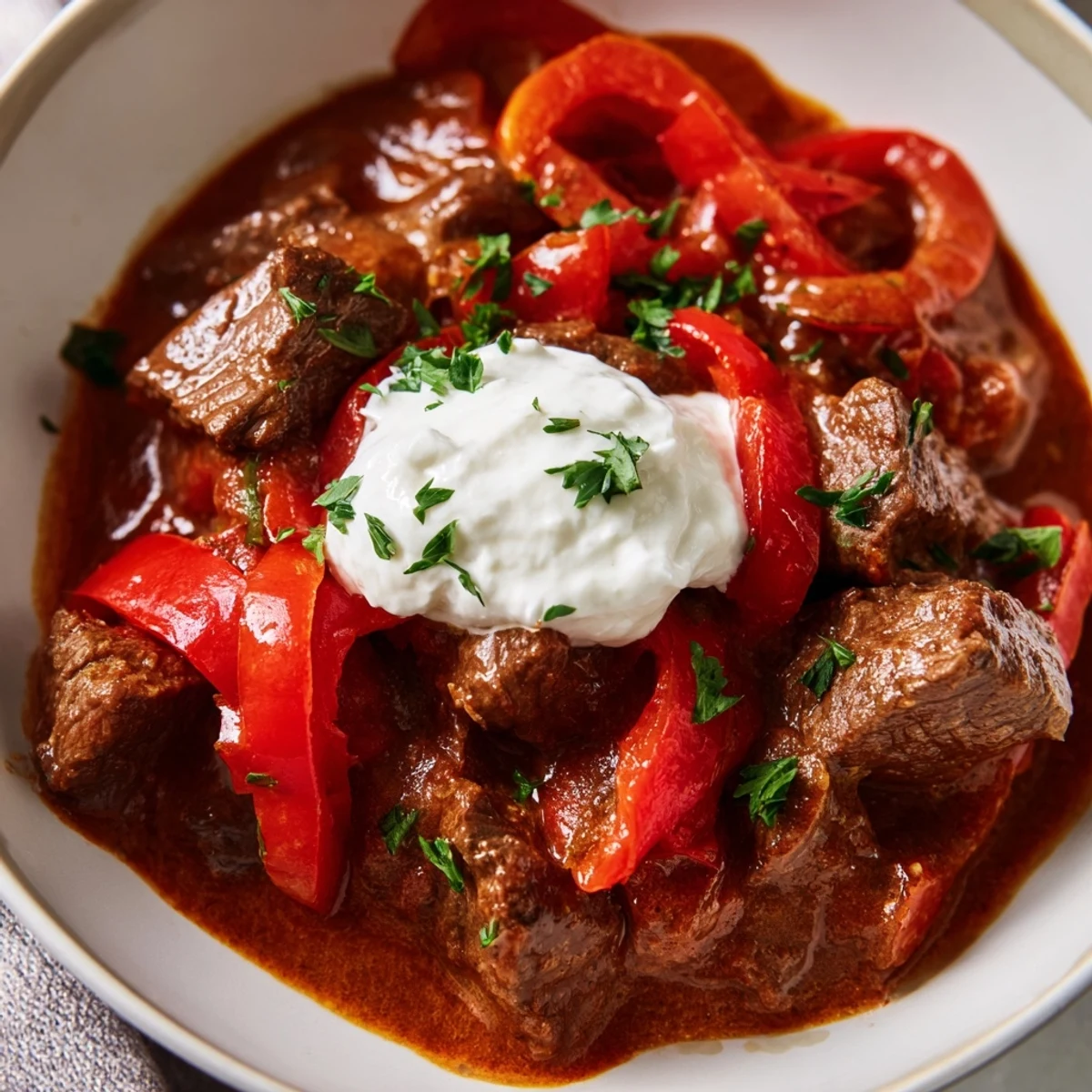
Save This Hungarian-inspired dish brings together tender beef chunks slowly simmered with sweet bell peppers, onions, and fragrant spices, including sweet paprika and caraway seeds. Cooked in a rich tomato-infused broth, the stew develops deep flavors and a comforting warmth. Finished with fresh parsley and sour cream, it’s a satisfying main course ideal for cooler days, offering a perfect balance of savory and aromatic notes.
My first real goulash came together on a cold November evening when my neighbor brought over a battered Hungarian cookbook and a jar of her grandmother's paprika. I'd made beef stew before, but never understood why she insisted the spice order mattered so much. Two hours later, when I tasted that first spoonful and the paprika bloomed against the tender beef, I finally got it—this wasn't just stew, it was a small ceremony in a pot.
I made this for friends who'd just moved into their first place together, and they still text me about it. There's something about a stew that fills a kitchen with that savory, paprika-spiced warmth that makes people linger at the table longer than they planned. Watching them discover caraway seeds for the first time—some loved them, one was suspicious—reminded me that food is really just an excuse to sit with people you like.
Ingredients
- Beef chuck, 800 g, cut into 1-inch cubes: Chuck has enough marbling to stay tender through the long cook, and the fat renders into the sauce—don't use lean cuts or you'll end up with tough, stringy meat.
- Onions, 2 large, finely chopped: They dissolve into the sauce and sweeten it, creating a savory base that's deeper than it has any right to be.
- Bell peppers, 3 (red, yellow, or green), sliced: Add them late so they stay slightly firm and add brightness; red ones add sweetness, green brings herbiness.
- Garlic, 3 cloves, minced: Fresh garlic blooms when you cook it in the spices—never skip this step or use powder.
- Tomatoes, 2 medium fresh or 1 cup canned diced: Either works beautifully; canned is actually more reliable because fresh tomatoes vary wildly in acidity.
- Sweet Hungarian paprika, 2 tbsp: This is the backbone of the dish—buy it from a specialty store if you can, and don't buy more than you'll use in 6 months or it loses its color and warmth.
- Caraway seeds, 1 tsp: If you've never cooked with them, this might feel strange at first, but they're what makes goulash taste like itself and not just any beef stew.
- Dried marjoram, 1 tsp: It's subtle, almost floral, and if you can't find it, oregano works but use less because it's more assertive.
- Bay leaf, 1: Remove it before serving—learned that lesson the hard way.
- Black pepper, 1/2 tsp freshly ground: Fresh ground makes a noticeable difference; pre-ground tastes dusty by comparison.
- Salt, 1 1/2 tsp, adjusted to taste: Start with less and taste as you go because the beef broth already carries salt.
- Vegetable oil, 3 tbsp: You need enough to get a proper sear on the beef without it steaming in its own moisture.
- Beef broth, 500 ml: The quality of your broth matters—homemade is ideal, but a good store-bought one makes the difference between a meal and a memory.
- Tomato paste, 2 tbsp: Bloom it in the spices and oil before adding liquid, which sounds fancy but just means cooking it for a minute—it deepens the flavor significantly.
- Flour, 1 tbsp optional: Only add this if you want a thicker sauce; the goulash is beautiful either way.
- Sour cream, 2 tbsp for serving: Adds a cool, tangy contrast that somehow makes the whole dish taste more rounded.
- Fresh parsley, chopped for garnish: A small green note at the end that catches people off guard in the best way.
Instructions
- Brown the beef properly:
- Get your pot really hot before adding oil, then work in batches so the meat actually browns instead of steaming. This takes patience but creates the caramelized depth that makes people ask what your secret is. Pat the beef dry first if it's wet from the package.
- Build the aromatics:
- After the beef is out, the onions go in and turn golden and almost sweet—this is your window to create flavor layers. When they're soft, stir in the garlic, and then the magic moment: add all those spices and the tomato paste together, cooking them just long enough for the kitchen to smell like an Eastern European kitchen.
- Combine and simmer low:
- Return the beef, add the tomatoes, bay leaf, and seasonings, then pour in the broth. Bring it to a gentle bubble, cover it, and let it do the work for an hour and a half—this is when you can preheat the oven, read, or just listen to it quietly working.
- Add peppers at the right moment:
- After 90 minutes, when the beef is almost where it needs to be, slide in the pepper slices and let them finish together for 30 to 40 minutes. They should be soft but not collapsed, and still have a little shape to them.
- Thicken if you choose:
- If you want a thicker sauce, mix flour with a little cold water to make a smooth slurry, stir it in, and let it bubble for 5 more minutes. Taste and adjust salt and pepper, then fish out that bay leaf before anyone bites into it.
 Save
Save The first time someone asked for seconds, then thirds, I realized this dish has a quiet power—it's not flashy or complicated, but it fills you in a way that matters. That's when I understood why it's survived this long in Hungarian kitchens and why it keeps showing up on tables across Europe.
The Spice Story
Hungarian paprika is not the same as Spanish smoked paprika or generic grocery store paprika, and the difference shows up the moment it hits the hot fat. Sweet Hungarian paprika has this warm, almost fruity undertone that builds gently rather than punches you in the face. If you can't find it, don't just substitute; your goulash will taste like something else entirely, which isn't bad, just different. Caraway seeds are polarizing—some people taste something almost licorice-forward, others just taste Hungarian—but they're what makes this taste like home to people who grew up eating it.
Beef Chuck Is Non-Negotiable
Chuck has fat woven through it that becomes gelatin during the long cook, which thickens the sauce naturally and keeps every bite tender. Lean cuts like sirloin or round will end up dry and stringy no matter how carefully you watch the temperature. The visible fat is your insurance policy, and it's why this doesn't feel heavy even though it's deeply satisfying.
Variations and Serving Ideas
This goulash is flexible in the best ways, and I've learned to adjust it based on what's in my kitchen or what mood I'm in. Some nights I add a splash of dry red wine because it adds a subtle complexity that people notice without being able to name it. Other times I use smoked paprika for a deeper, almost whiskey-like flavor that makes it feel like something different but equally wonderful.
- Serve it over egg noodles, buttered dumplings, or crusty bread that you can soak in the sauce.
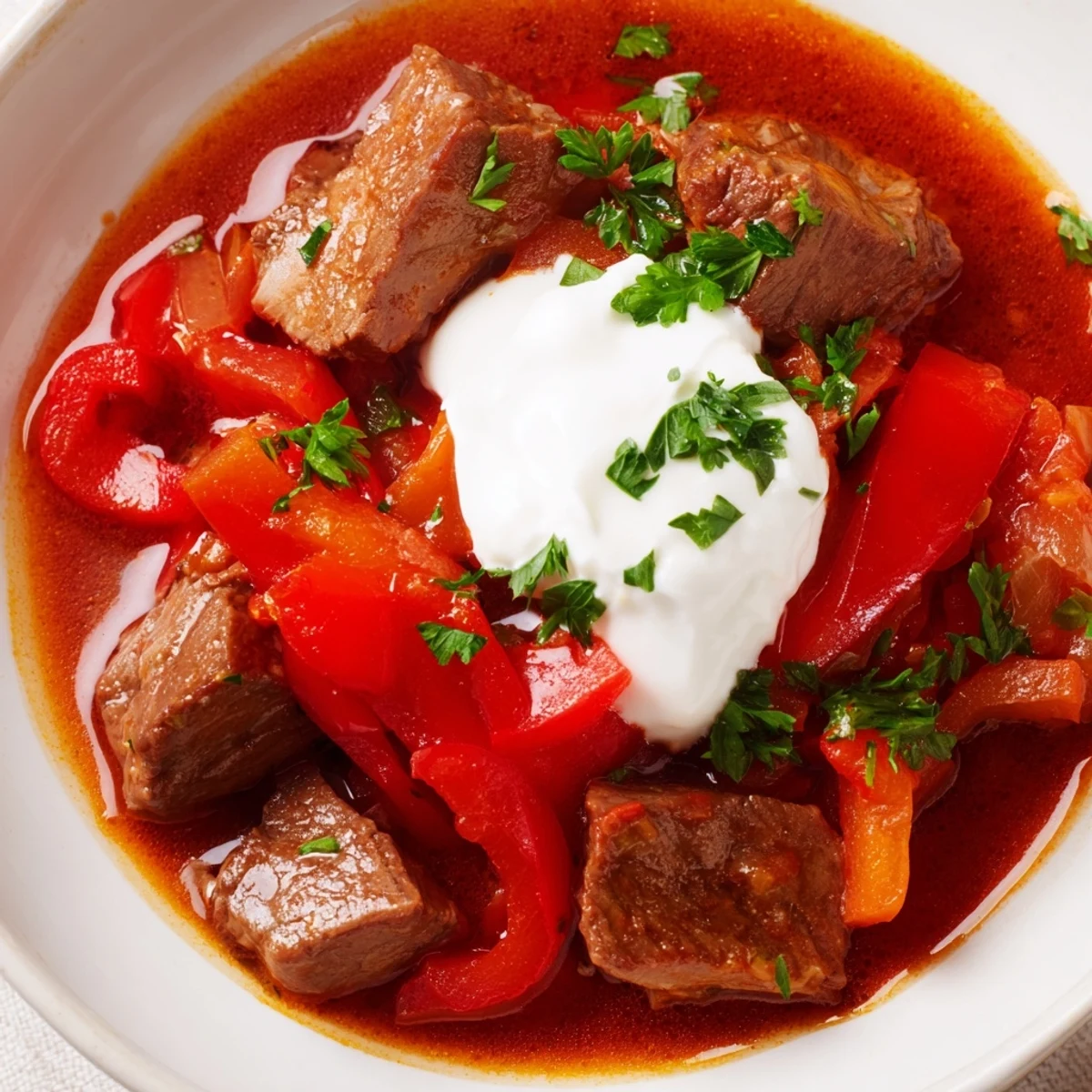
- Top with a spoonful of sour cream and fresh parsley for that traditional Hungarian finish—the cool tanginess against the rich, savory stew is perfect.
- It freezes beautifully for up to three months, and tastes better the next day when all the flavors have gotten to know each other.
 Save
Save This goulash is the kind of dish that feels like it belongs on a table with people you care about, with bread and maybe a simple salad and time to linger. It's not complicated, but it asks you to be present while it cooks, and that's where the real magic lives.
Recipe FAQs
- → What cut of beef is best for this dish?
-
Beef chuck cut into cubes works well as it becomes tender and flavorful after slow cooking.
- → Can I use different types of bell peppers?
-
Yes, red, yellow, or green bell peppers can be mixed for a colorful and sweet addition.
- → How do the spices influence the flavor?
-
Sweet Hungarian paprika provides warmth and depth, while caraway seeds and marjoram add subtle earthiness and aroma.
- → Is there an option to thicken the sauce?
-
Mixing flour with water to form a slurry and simmering it with the stew thickens the sauce gently without altering flavor.
- → What dishes pair well with this hearty stew?
-
Rustic bread, buttered noodles, or potato dumplings complement this dish well, soaking up the rich sauce.