
 Save
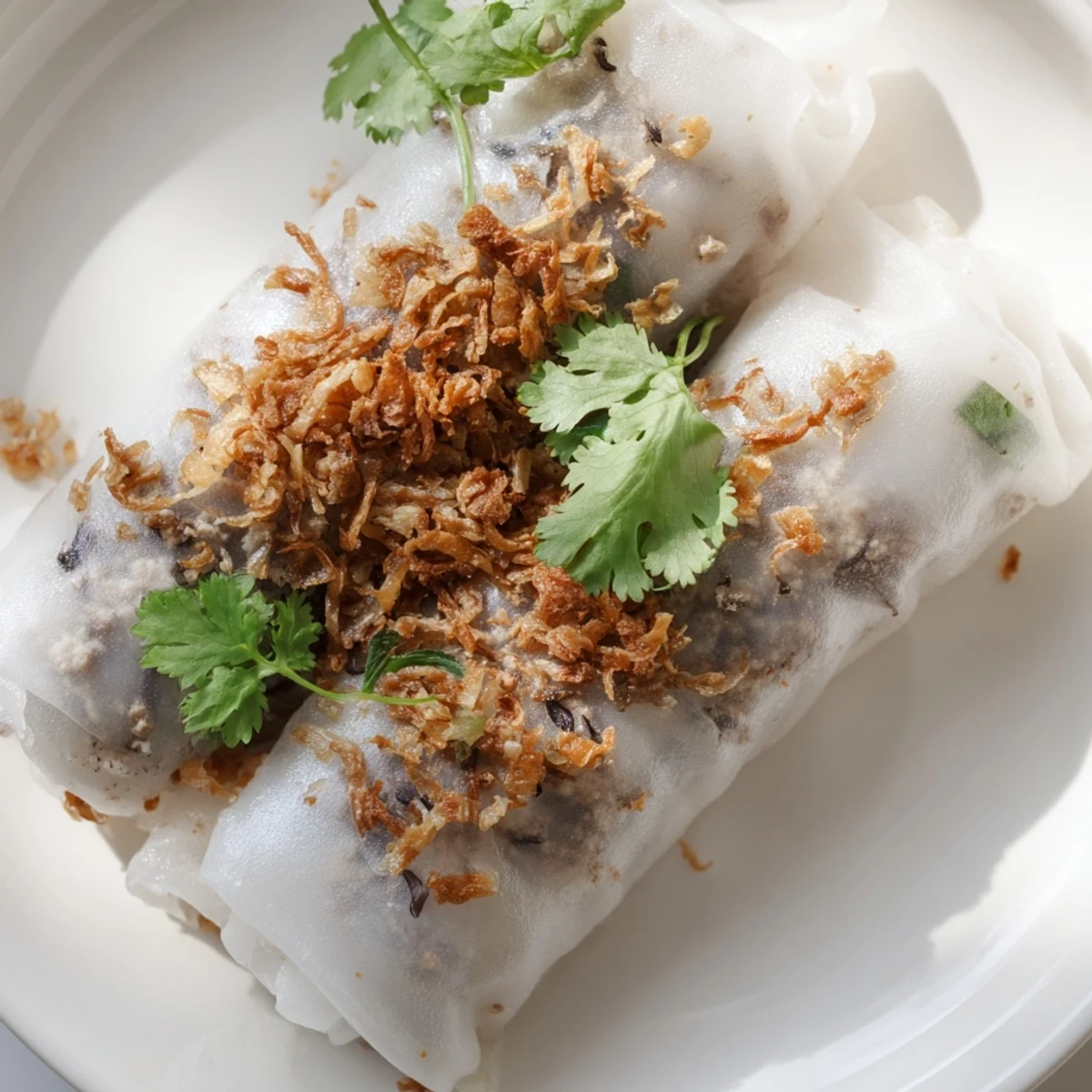
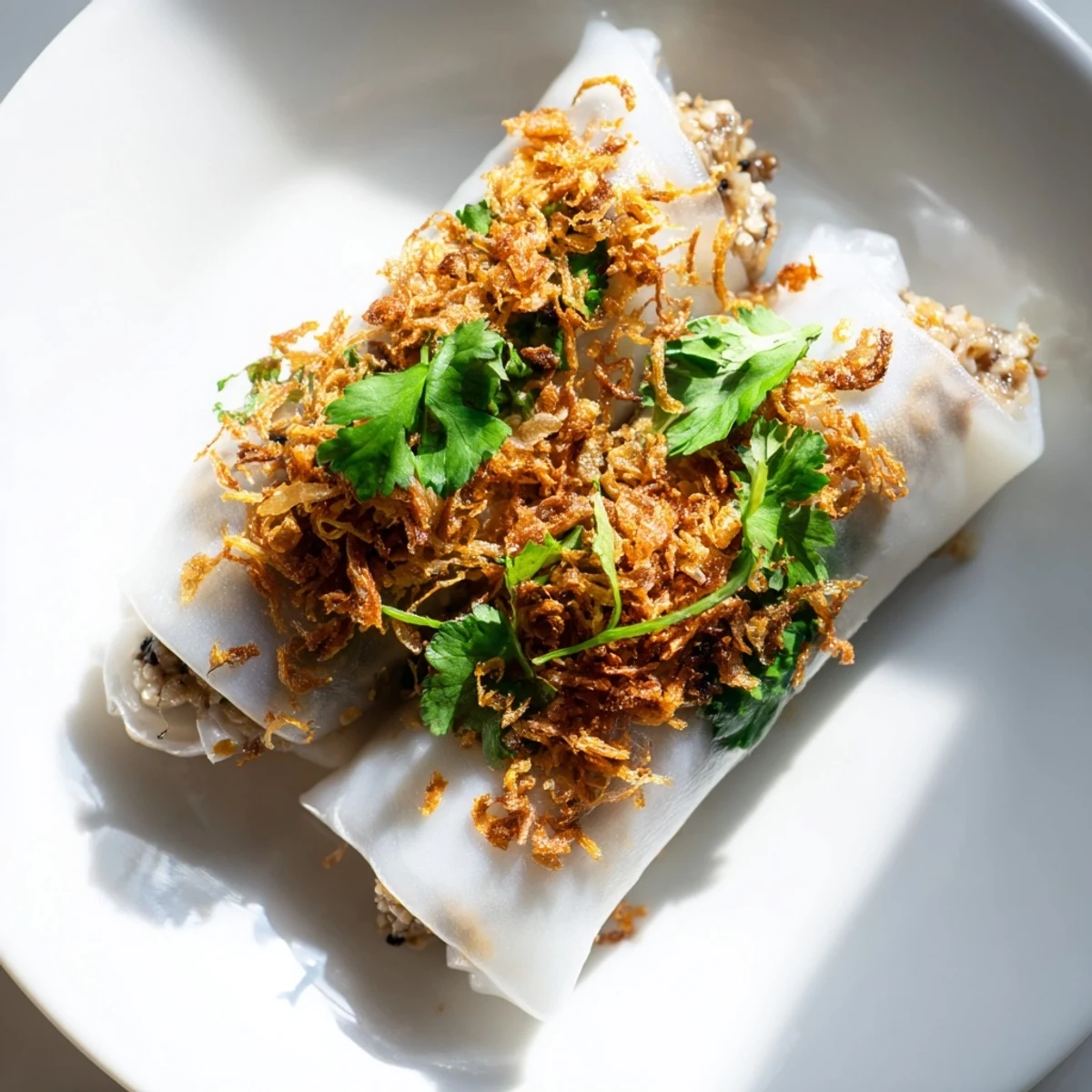
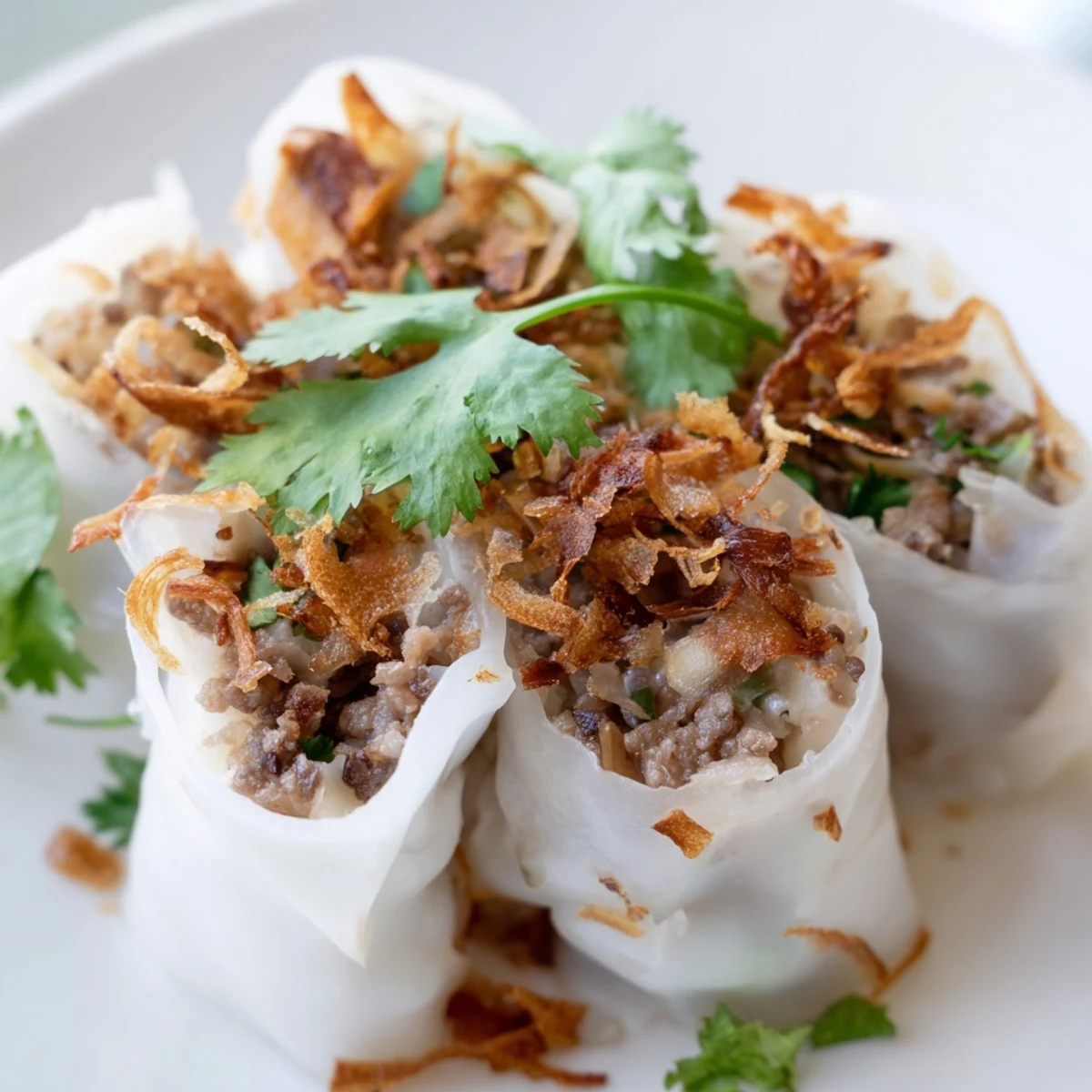
Save Master the art of crafting these translucent Vietnamese rice sheets steamed to perfection, then rolled around a fragrant mixture of ground pork, wood ear mushrooms, and aromatics. The delicate texture pairs beautifully with crispy garnishes, fresh herbs, and the essential tangy-sweet nuoc cham dipping sauce that brings everything together.
The steam rising from my grandmother's kitchen always meant banh cuon was being made. She'd laugh watching me try to spread the batter thin enough, my hands trembling as I attempted to get that paper-thin texture that makes these rolls so special. Now I understand why she insisted on patience. The silkiness of perfectly steamed rice sheets still takes me back to those humid mornings when the whole house smelled like warm rice and shallots.
Last Lunar New Year, I made these for friends who'd never tried Vietnamese cuisine before. They hovered around the stove watching the transformation from milky batter to translucent sheets, completely mesmerized. The platter disappeared in minutes, everyone reaching for another roll slicked with that perfect balance of sweet and sour sauce.
Ingredients
- Rice flour: The foundation that creates that signature soft, almost gelatinous texture when steamed properly
- Tapioca starch: Adds the crucial elasticity that prevents the rolls from tearing during rolling
- Cornstarch: Helps achieve the delicate translucency that makes these rolls so beautiful
- Ground pork: Provides richness and savory depth to contrast with the mild wrapper
- Wood ear mushrooms: Bring an earthy crunch that keeps the filling interesting
- Fried shallots: Non-negotiable for that crispy, sweet garnish that crowns each roll
Instructions
- Prepare the rice batter:
- Whisk together all the dry ingredients first, then gradually add water while whisking to prevent lumps. Let it rest at least 20 minutes so the starches can fully hydrate and your batter will spread more evenly later.
- Make the filling:
- Cook your aromatics until fragrant before adding the pork. The mushrooms should go in last so they keep their pleasant crunch rather than becoming mushy.
- Prepare the dipping sauce:
- Mix until the sugar completely disappears into the warm water. Taste and adjust until you hit that perfect balance where no single flavor dominates.
- Steam the rice sheets:
- Work quickly but calmly once the water is boiling. A thin, even layer is crucial—too thick and they become chewy instead of silky.
- Assemble the rolls:
- Roll gently but firmly, folding in the sides like a burrito if you want a neater presentation. Dont worry about perfection; rustic rolls taste just as wonderful.
- Serve:
- Arrange everything on a large platter so guests can see all the fresh components. The rolls should be eaten while still warm for the best texture experience.
 Save
Save These rolls have become my go-to when I need to feed a crowd but want something that feels special. Theres something meditative about the steaming process, watching each sheet form like magic. The way everyone gathers around the platter, hands reaching, makes all that steaming time worth it.
Getting The Perfect Batter Consistency
The batter should look like heavy cream and flow easily off your whisk. Too thick and your rolls become chewy pancakes instead of delicate sheets. Too thin and they'll tear before you can fill them. Trust your instincts more than exact measurements.
Mastering The Steaming Technique
Keep your water at a steady simmer rather than a rolling boil. Too vigorous and you'll get bubbles in your wrapper. A nonstick surface lightly coated with oil is your best friend here. Work in batches and keep your assembled rolls covered with a damp cloth so they don't dry out.
Serving Suggestions And Timing
Banh cuon is best eaten immediately while the wrappers are still warm and pliable. If you must make them ahead, steam them briefly before serving to refresh the texture. Set up a garnish station so everyone can customize their own bites.
- Have all your garnishes prepped before you start steaming
- Warm your serving platter so the rolls stay soft longer
- Extra dipping sauce on the side is never a bad idea
 Save
Save There is something deeply satisfying about food that requires presence and patience. Each roll tells the story of your attention, your care, the rhythm of your hands in the kitchen.
Recipe FAQs
- → What is the secret to making thin, delicate rice sheets?
-
The key is achieving the right batter consistency—thin like crepe batter—and working quickly once it hits the hot surface. A well-oiled nonstick cloth or silicone tray ensures easy removal without tearing.
- → Can I make Banh Cuon ahead of time?
-
These are best enjoyed immediately while the texture is at its silkiest. The rice sheets tend to dry out and lose their delicate texture when refrigerated, though you can prepare the filling and sauce in advance.
- → What can I substitute for wood ear mushrooms?
-
Shiitake mushrooms work beautifully as a substitute, providing a similar texture and earthy flavor. Fresh button mushrooms can also be used, though they'll be slightly less chewy.
- → Is Banh Cuon gluten-free?
-
Naturally, yes—rice flour, tapioca starch, and cornstarch are all gluten-free. Just ensure your fish sauce is certified gluten-free, as some brands may contain additives with wheat.
- → What's the traditional way to eat Banh Cuon?
-
Serve these steaming rolls on a platter generously topped with fried shallots, fresh cilantro, bean sprouts, and cucumber slices. Drizzle with or dip into the nuoc cham sauce, and add sliced pork sausage if desired.
- → Why does my rice sheet keep sticking or tearing?
-
Ensure your steaming surface is lightly oiled and the batter has rested properly. Don't lift too early—wait until the sheet is set and slightly translucent. Using a thin offset spatula helps release gently.